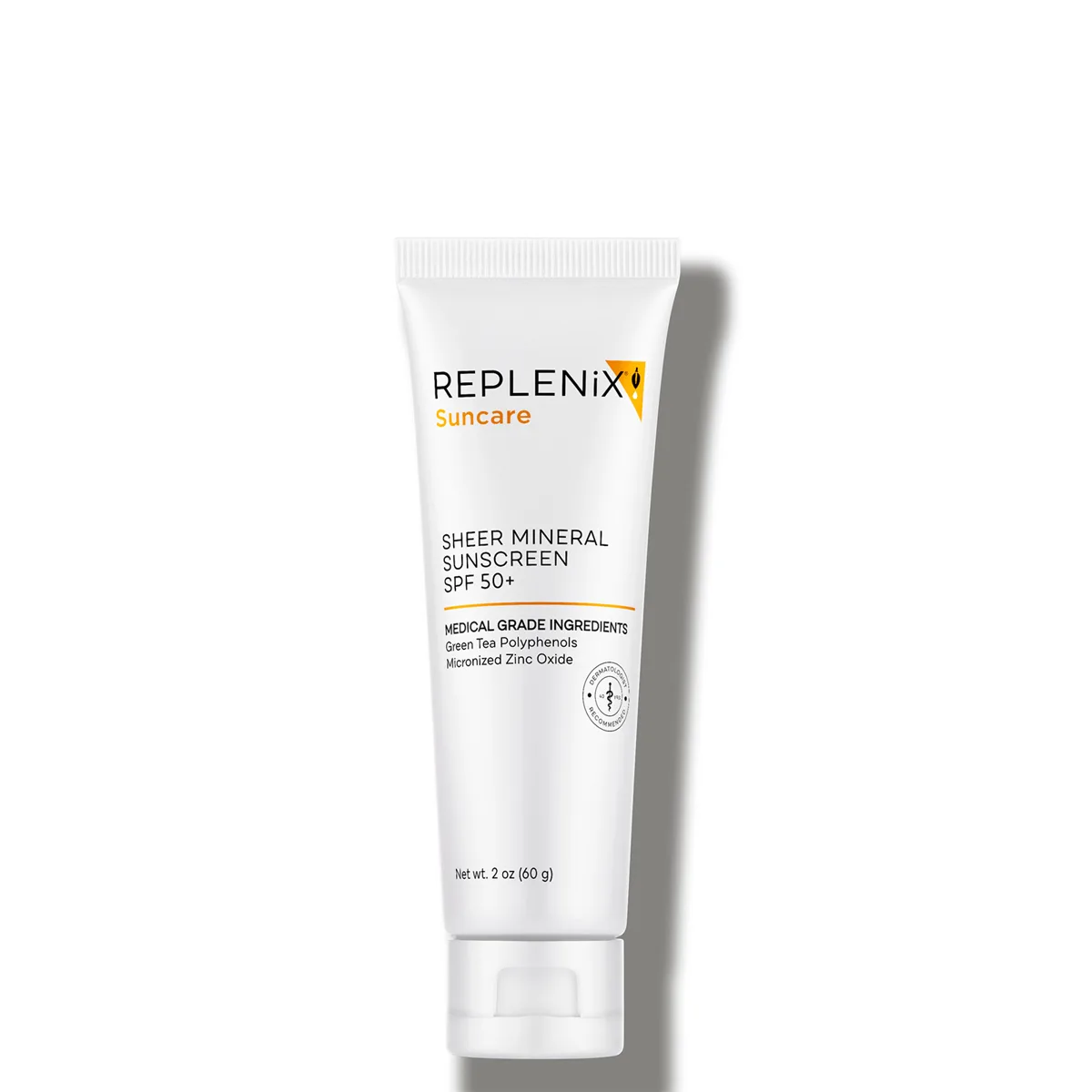
Replenix's Sheer Physical Sunscreen SPF 50+ is the kind of quiet, professional-channel mineral sunscreen that dermatology offices keep stocking because it just works. 13.75% zinc oxide delivers real broad-spectrum protection, the antioxidant trio of green tea, vitamin C, and resveratrol handles residual damage, and the finish is wearable enough to make daily use realistic.
Sheer Physical Sunscreen SPF 50+
Replenix's Sheer Physical Sunscreen SPF 50+ is the kind of quiet, professional-channel mineral sunscreen that dermatology offices keep stocking because it just works. 13.75% zinc oxide delivers real broad-spectrum protection, the antioxidant trio of green tea, vitamin C, and resveratrol handles residual damage, and the finish is wearable enough to make daily use realistic.
Score Breakdown
Where this product gains points and where it loses them — broken down across the four scoring pillars.
A genuinely high-quality mineral SPF 50+ with a robust antioxidant complex and a surprisingly wearable sheer finish. Premium priced, but one of the better pure-zinc options for sensitive and post-procedure skin.
Pros & Cons
- ✓High 13.75% zinc oxide delivers true broad-spectrum coverage
- ✓Surprisingly sheer finish for such a high zinc concentration
- ✓Antioxidant trio of green tea, vitamin C, and resveratrol
- ✓Fragrance-free, chemical-filter-free, safe for sensitive skin
- ✓Long track record of post-procedure and rosacea use
- ✓Pregnancy and reef-conscious friendly
- ✓Available in 2 oz and 4 oz sizes
- ✗White cast on deep skin tones
- ✗Premium price per ounce vs drugstore mineral options
- ✗Contains C12-15 alkyl benzoate, mildly comedogenic for some
- ✗Silicone-heavy base is a dealbreaker for silicone-free routines
- ✗2 oz tube runs out fast with daily full-face use
Full Review
If you remember trying mineral sunscreens in the mid-2000s, you probably remember the white cast. Thick, chalky, bluish on the skin, impossible to blend, and so cosmetically unpleasant that most people with sensitive skin just gave up and went back to chemical filters and hoped for the best. Replenix launched this Sheer Physical Sunscreen as part of their sun care expansion in the late 2000s, when the professional dermatology channel was actively looking for mineral formulations that didn't require a trade-off between protection and wearability. It was one of the earlier products to thread that needle at a genuinely high 13.75% zinc oxide concentration, and more than 15 years later it's still in the catalog with the same formulation architecture. That kind of shelf longevity is rare in sunscreen, where reformulations happen constantly, and it speaks to the fact that the brand got this one right the first time.
The formulation logic is refreshingly direct. Zinc oxide does all the UV work — no titanium dioxide, no chemical filter backup, just a high-percentage zinc active delivering broad-spectrum coverage across UVA1, UVA2, and UVB. At 13.75% you're in the upper range of what cosmetic mineral sunscreens carry, which is why the SPF 50+ rating holds up under FDA testing without relying on synergy with other filters. The inactive base is built around cyclopentasiloxane, octyldodecyl neopentanoate, and dimethicone, which together give the sunscreen its characteristic sheer, silky application profile — this is the formulation choice that lets such a high zinc percentage still spread thin and absorb to a tolerable finish. The antioxidant complex is the part that pushes this beyond a pure UV blocker: L-ascorbic acid for water-soluble antioxidant coverage, green tea polyphenols for lipid-soluble radical scavenging, resveratrol for secondary mitochondrial antioxidant support, and tocopheryl acetate as a stabilizing vitamin E. That's not a decorative list — each of those components has real evidence behind its role in photoprotection support.
On application, the sunscreen comes out as a lightly whitish cream that spreads thin with rubbing. The first impression for fair-to-medium skin is one of mild initial whitening that resolves within 30 seconds into a satin finish you could genuinely wear under makeup. Deeper skin tones will see more residual cast — this is the unavoidable honesty of a 13.75% zinc sunscreen, and no amount of formulation wizardry fully eliminates it. For users with deep skin, a tinted mineral sunscreen or a chemical filter will always be the more cosmetically elegant option. For everyone else, the trade-off is manageable, and the post-application finish is comfortable enough that daily use is realistic rather than an endurance test.
The real selling point emerges over time rather than on day one. This is a sunscreen that dermatologists reach for when patients need to protect skin that's recovering from a peel, a microneedling session, or a laser treatment — the combination of high zinc, zero chemical filters, zero fragrance, and a gentle antioxidant support cast is exactly what post-procedure skin wants. It's also the sunscreen that keeps getting recommended for rosacea patients whose skin flares in response to almost every other SPF on the shelf. The antioxidant layer is particularly useful in that context because UV-induced free radical generation continues even with good SPF coverage, and a topical antioxidant at the point of UV contact neutralizes a portion of those radicals before they can drive oxidative damage.
The honest downsides are predictable. At $38 for 2 oz, you're paying roughly $1 per gram, which is considerably more than drugstore mineral sunscreens. A 2 oz tube at proper facial application (a quarter-teaspoon per day) lasts roughly six to eight weeks, meaning this is a $50-per-month habit if you use it as your only sunscreen — a non-trivial commitment. The 4 oz size offers slightly better per-ounce value for users who know they love it. There's also the C12-15 alkyl benzoate in the inactive list, which is mildly comedogenic for some users and worth flagging for extremely breakout-prone skin. And the formulation includes silicones, which isn't a flaw but is a dealbreaker for users committed to silicone-free routines.
The simple verdict on this sunscreen is that it earns its professional-channel reputation. It's not the cheapest mineral SPF on the market, it's not the best for deep skin tones, and it's not the lightest wearable daily option — but for sensitive, rosacea-prone, post-procedure, or generally reactive skin that needs a high-zinc mineral sunscreen with real antioxidant support and a long clinical track record, there are very few better options. It's the kind of product you buy once, decide it works, and keep reordering for a decade.
Formula
Key Ingredients
The hero actives that drive this product's performance.
| Ingredient | Function | Evidence |
|---|---|---|
| Zinc Oxide 13.75% (13.75%) | The single active in this sunscreen, and a high concentration for a mineral formulation. Zinc oxide provides genuinely broad-spectrum coverage across UVA1, UVA2, and UVB, and at 13.75% delivers the SPF 50+ rating without needing a chemical filter to do the heavy lifting. | well-established |
| Green Tea Polyphenols | Replenix's signature antioxidant complex is built into this sunscreen to neutralize the free radicals that even well-blocked UV exposure generates. That's the specific case where antioxidant sunscreens outperform plain SPF — the polyphenols handle the radiation that still reaches the skin surface. | well-established |
| L-Ascorbic Acid | A low-dose vitamin C layer works alongside the green tea polyphenols to provide water-soluble antioxidant coverage — a meaningful addition in a mineral sunscreen where the goal is photoprotection plus damage mitigation, not just UV blocking. | well-established |
| Resveratrol | Rounds out the antioxidant trio alongside green tea polyphenols and vitamin C, targeting a broader spectrum of free radicals than any single antioxidant alone can cover. | promising |
Full INCI List
Active Ingredient: Zinc Oxide 13.75%. Inactive Ingredients: Purified Water, Cyclopentasiloxane, Octyldodecyl Neopentanoate, Caprylic/Capric Triglyceride, Dimethicone, C12-15 Alkyl Benzoate, Glycerin, Hexyl Laurate, PEG-30 Dipolyhydroxystearate, Ascorbic Acid, Tocopheryl Acetate, Camellia Sinensis (Green Tea) Polyphenols, Resveratrol, Biotin, Ascorbyl Palmitate, Polyhydroxystearic Acid, Acrylates Crosspolymer-4, Cetearyl Alcohol, Phenoxyethanol, Caprylyl Glycol, Disodium EDTA.
Product Flags
✓ Fragrance Free✓ Alcohol Free✗ Oil Free✗ Silicone Free✓ Paraben Free✓ Sulfate Free✓ Cruelty Free✓ Vegan✗ Fungal Acne Safe
Comedogenic Ingredients
c12-15 alkyl benzoate
Compatibility
Skin Match
Best For
Works For
Not Ideal For
Addresses These Conditions
rosacea sun damage post procedure melasma hyperpigmentation sensitivity aging
Routine Step
sunscreen
Time of Day
AM
Pregnancy Safe
Yes ✓
Layering Tips
Apply as the final step of the morning routine over moisturizer. Use roughly a quarter-teaspoon for full face coverage. Reapply every 2 hours of direct sun exposure.
Results Timeline
Immediate UV protection upon application. Long-term photoprotective benefits (reduced sun damage, slowed pigmentation, collagen preservation) build over months and years of daily use.
Pairs Well With
vitamin C serumsniacinamideretinol routines (AM protection)hyaluronic acid serums
Sample AM Routine
- Gentle cleanser
- Vitamin C serum
- Moisturizer
- Replenix Sheer Physical Sunscreen SPF 50+
Sample PM Routine
- Cleanser
- Retinol treatment
- Ceramide moisturizer
Evidence
Science & Expert Perspective
The Science
The active here is zinc oxide at 13.75%, and the broad-spectrum protection claim is well-supported by the underlying physics. Zinc oxide is unique among sunscreen filters in that it provides coverage across the full UV-A and UV-B spectrum in a single active — the particle size distribution determines how efficiently the coverage extends into the longer UV-A wavelengths (UVA1, 340-400nm), and well-formulated zinc products at 10-15% concentration have been shown in peer-reviewed photoprotection studies to deliver meaningful UVA1 coverage that many chemical filter combinations struggle to match. The SPF 50+ rating indicates testing under FDA protocols to a level of at least SPF 50, with extended UVB protection. The antioxidant supporting cast deserves attention because it's not decorative. UV radiation that penetrates even well-applied sunscreen generates reactive oxygen species in the dermis and epidermis, and these free radicals drive much of the long-term photoaging and photocarcinogenesis signal. Topical antioxidants applied alongside sunscreen have been shown in multiple clinical studies to reduce markers of oxidative damage beyond what the SPF alone provides. L-ascorbic acid is the most clinically validated topical antioxidant and provides water-soluble radical scavenging, green tea polyphenols (EGCG-rich) provide lipid-soluble antioxidant support with additional anti-inflammatory effects, and resveratrol contributes secondary mitochondrial-level antioxidant activity. The integration of these three in a sunscreen base is a deliberate formulation choice that turns this product from a pure UV blocker into a photoprotection plus damage-mitigation formulation. Whether that translates to measurable long-term clinical benefit over plain SPF is difficult to prove definitively in individuals, but the mechanistic rationale is solid and the cost of the additions is low relative to the potential upside.
Dermatologist Perspective
Dermatologists frequently recommend high-zinc mineral sunscreens like this one for patients with rosacea, eczema, sensitive skin, or a history of reacting to chemical filters. Board-certified dermatologists particularly favor this formulation for post-procedure care — after chemical peels, microneedling, or laser treatments — because the combination of zero chemical filters, zero fragrance, and a gentle antioxidant profile supports recovery without risking additional irritation. The addition of topical antioxidants in sunscreen is widely supported in dermatological practice as a complementary photoprotection strategy, and Replenix's track record with the green tea polyphenol platform adds clinical credibility. Daily application is typically recommended alongside monthly check-ins during high-exposure seasons, with reapplication every two hours during direct sun exposure or after swimming.
Guidance
Usage Guide
How to Use
Apply approximately a quarter-teaspoon to the face and neck as the final step of your morning routine, over moisturizer but before makeup. Rub until the white cast largely dissipates — it may take 30-60 seconds. Reapply every 2 hours of direct sun exposure, or immediately after swimming or sweating. For full-body use, more product is required. Replenish coverage throughout the day using a mineral powder SPF over makeup if needed.
Value Assessment
At $38 for 2 oz, Replenix Sheer Physical Sunscreen sits in premium mineral SPF territory. The 4 oz version offers slightly better per-ounce math. A 2 oz tube at proper facial application lasts approximately 6-8 weeks, working out to roughly $20-25 per month if used as the only sunscreen. That's significantly more than drugstore mineral options like CeraVe or La Roche-Posay Anthelios mineral SPF, which sit closer to $15 per bottle. The premium buys the antioxidant complex, the dermatology-office distribution standards, and the long track record — which is worth paying for if you specifically need post-procedure or sensitive skin coverage, less essential for casual daily use.
Who Should Buy
Sensitive, rosacea-prone, or reactive skin that needs mineral-only SPF protection with real broad-spectrum coverage and an antioxidant support cast. It's also the right choice for patients recovering from in-office procedures and for anyone prioritizing chemical-filter-free sun protection in a wearable, daily-use format.
Who Should Skip
Deep skin tones that want zero white cast should look for tinted mineral options or modern chemical filter sunscreens. Highly breakout-prone users may want a fully oil-free formulation, and silicone-free routine followers should look elsewhere. Users on a strict budget will find comparable mineral sunscreens at much lower price points.
Ready to try Replenix Sheer Physical Sunscreen SPF 50+?
Details
Details
Texture
Lightweight silky cream that spreads thin without the drag typical of mineral sunscreens.
Scent
Unscented.
Packaging
Squeeze tube, 2 oz — also available in 4 oz size.
Finish
satinnaturalnon-greasyfast-absorbing
What to Expect on First Use
Applies as a creamy white fluid that breaks down quickly on the skin with rubbing, leaving a surprisingly sheer satin finish. Some mild initial whitening during application that largely dissipates after 30 seconds. No stinging, no sensitivity, no break-in period.
How Long It Lasts
2 oz lasts approximately 6-8 weeks with daily face and neck application at recommended usage.
Period After Opening
12 months
Best Season
All Year
Certifications
Cruelty-FreeFragrance-FreeVeganReef-Conscious
Background
The Why
Launched as part of Replenix's expanded sun care line in the late 2000s, when mineral sunscreens were largely thick, chalky, and universally disliked. It was one of the earlier professional-channel formulas to combine a high zinc percentage with a genuinely wearable cosmetic finish, and has stayed in the catalog with minor refinements ever since.
About Replenix Legacy Brand (20+ years)
Replenix has sold dermatology-channel sun care for nearly two decades, and this mineral sunscreen has been a staple in the brand's catalog since the late 2000s, frequently recommended in dermatology offices for sensitive and post-procedure skin.
Brand founded: 2001 · Product launched: 2008
Myth vs. Reality
Myths & Misconceptions
Myth
Mineral sunscreens don't protect as well as chemical ones.
Reality
Zinc oxide at 13.75% provides true broad-spectrum coverage across UVA1, UVA2, and UVB. The SPF 50+ rating is tested under the same FDA protocols as chemical sunscreens, and the protection is as real — the difference is the feel and the white cast trade-off, not the efficacy.
Myth
Adding antioxidants to sunscreen is just marketing.
Reality
UV radiation that penetrates any sunscreen, no matter how good, still generates free radicals in the skin. A sunscreen with topical antioxidants like green tea polyphenols, vitamin C, and resveratrol neutralizes some of those free radicals at the point of generation, providing a measurable secondary layer of photoprotection that's been supported in clinical studies.
FAQ
Frequently Asked Questions
Is Replenix Sheer Physical Sunscreen reef safe?
It uses only non-nano zinc oxide as the active ingredient, which aligns with most reef-conscious guidelines. It contains no oxybenzone or octinoxate, the two filters most commonly restricted for reef protection.
Does it leave a white cast?
It's notably sheerer than most 13.75% zinc formulas but still leaves some white cast on deep skin tones. Fair to medium skin tones generally blend it out fully with rubbing; deeper tones may see a slight grey-white cast that layers of makeup or foundation can correct.
Can I use this after a chemical peel or laser treatment?
Yes — this is one of the sunscreens dermatologists specifically recommend for post-procedure use. It has no chemical filters, no fragrance, and a gentle antioxidant complex that supports recovery from controlled injury while still providing SPF 50+ protection.
Is this sunscreen pregnancy safe?
Yes. Zinc oxide is one of the sunscreen filters considered safest during pregnancy because it sits on the surface of the skin rather than being absorbed systemically. The antioxidant additions are also safe during pregnancy.
How much should I apply for SPF 50+ protection?
Use approximately a quarter-teaspoon (about 1.25ml) for full face coverage — the amount tested in FDA SPF protocols. Under-applying reduces the effective SPF meaningfully. Reapply every 2 hours in direct sun, or after swimming or sweating.
Will this break me out?
It contains C12-15 alkyl benzoate, which can be mildly comedogenic for some users, though the overall formulation is generally well-tolerated by acne-prone skin. If you're highly breakout-prone, a fully oil-free mineral sunscreen may be a safer bet.
Community
Community Voices
Common Praise
"Minimal white cast for a 13.75% zinc formula"
"Very gentle on sensitive skin"
"Works well under makeup"
"No fragrance or chemical filters"
Common Complaints
"Some white cast on deep skin tones"
"Expensive per ounce"
"2 oz size runs out fast with daily full-face use"
Notable Endorsements
Long-running Dermstore stapleFrequently recommended for rosacea and post-procedure use
Appears In
best mineral sunscreen for sensitive skin best zinc oxide sunscreen best post procedure sunscreen best sunscreen for rosacea best antioxidant sunscreen
Related Conditions
sun damage rosacea sensitivity post procedure melasma
Related Ingredients
You Might Also Like
 Derm Office Staple
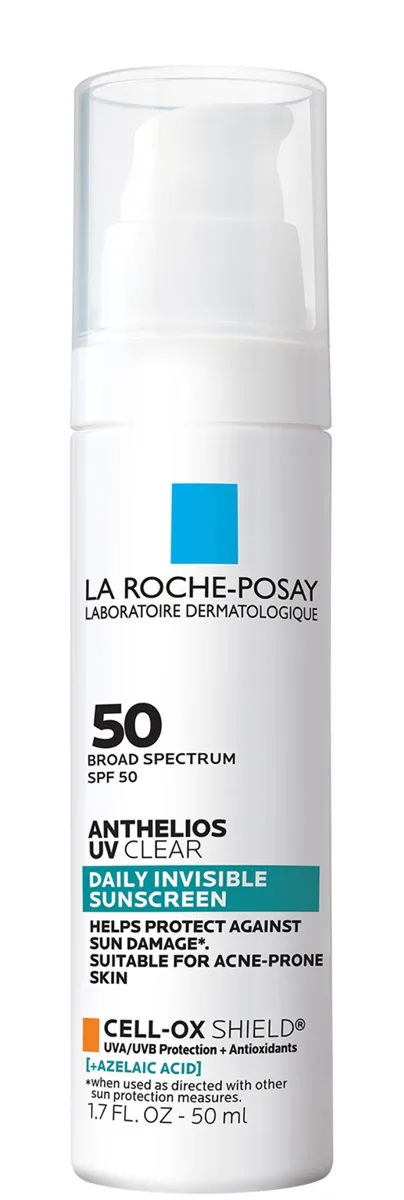
 Anthelios UV Clear Sunscreen SPF 50
One of the only US chemical sunscreens that genuinely earns its 'for sensitive and breakout-prone skin' positioning. A photostable Anthelios filter system paired with a legitimate azelaic acid dose in a lightweight serum-fluid that disappears on every skin tone. Excellent for rosacea, acne, and post-inflammatory hyperpigmentation — and probably the single best daily sunscreen in the La Roche-Posay US lineup for those conditions.
 K-Beauty Daily SPF Standout
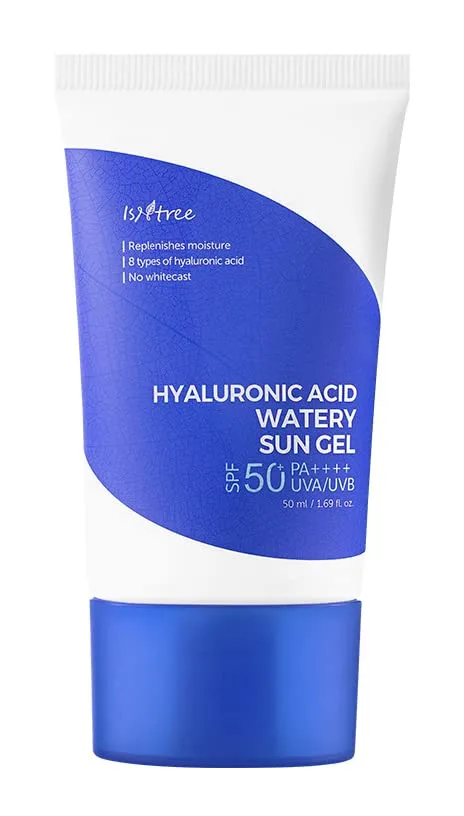
 Hyaluronic Acid Watery Sun Gel SPF 50+
One of the strongest everyday K-beauty sunscreens in the international market — modern European filters, no white cast, fragrance-free, niacinamide-boosted, and built around the brand's signature six-weight HA complex. At twenty-two dollars for 50ml, it's a case study in how much better a daily sunscreen can be when the formulator cares about both protection and wearability.
 Derm Office Staple
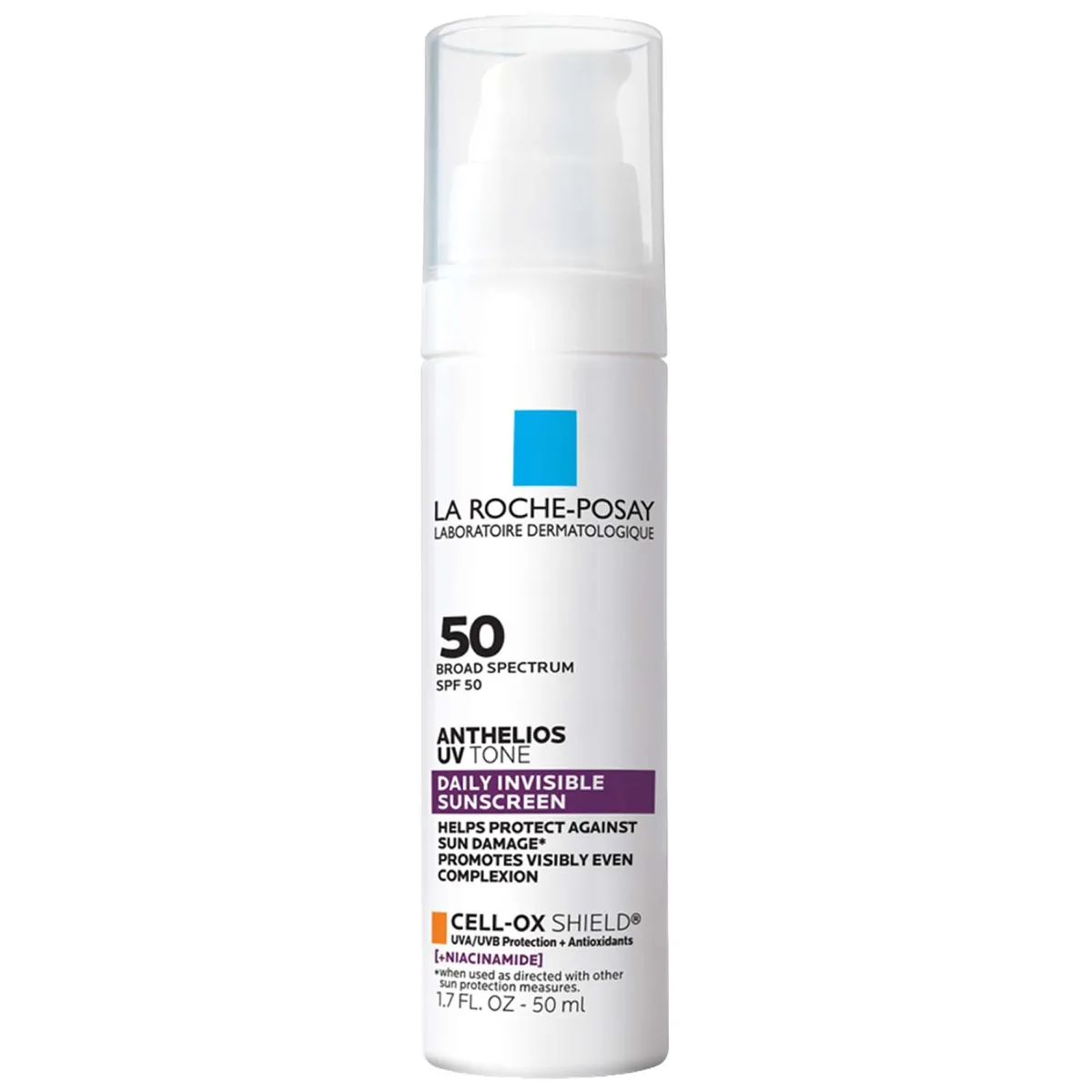
 Anthelios UV Tone Daily Invisible Sunscreen SPF 50
La Roche-Posay's most thoughtful answer yet for hyperpigmentation-prone skin that needs daily SPF. A photostable avobenzone system reinforced with Oxynex ST, paired with a meaningful dose of niacinamide, in a serum-fluid base that goes on invisible on every skin tone. Expensive for 1.7 oz but legitimately well-built — and a rare chemical sunscreen that earns its 'for dark spots' marketing.
 Melasma-Grade Mineral Sunscreen
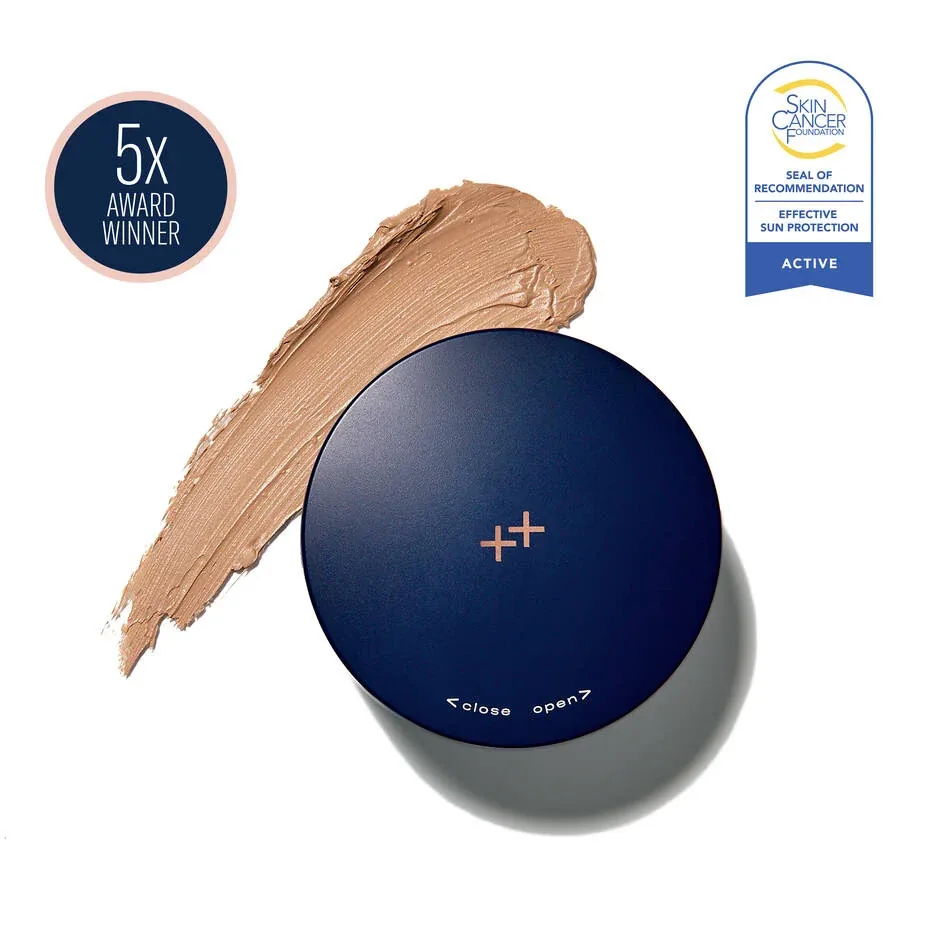
 sunbetter TONE SMART SPF 68
One of the most clinically useful tinted mineral sunscreens in the professional category. SPF 68 from a 100% mineral formula, iron oxide tint that blocks visible light for melasma protection, and an unusually lightweight texture that doesn't feel like you're wearing high-concentration zinc. For patients with melasma or post-inflammatory hyperpigmentation, this is the category benchmark — and it's earned its Allure Best of Beauty wins.
 K-Beauty Cult Favorite
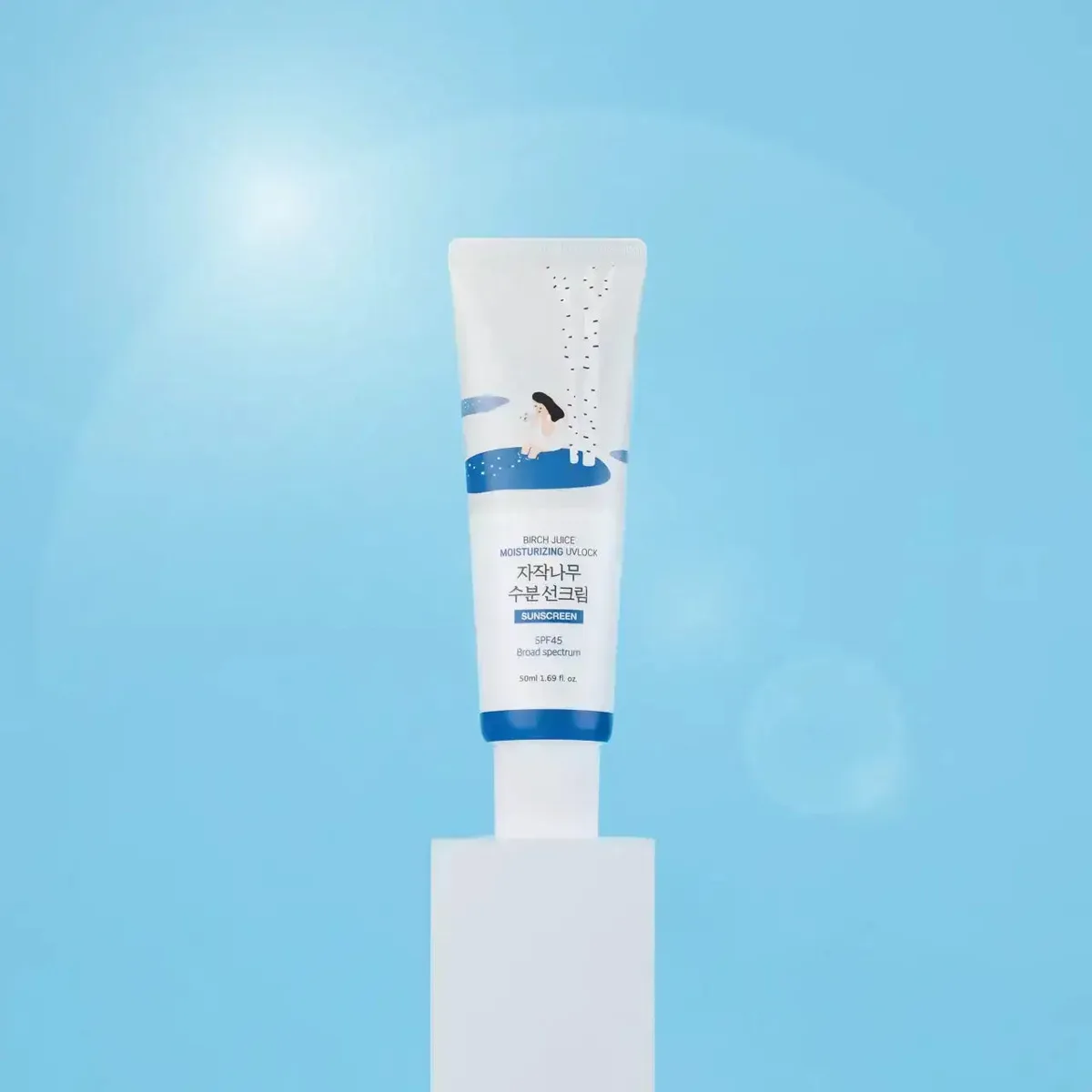
 Birch Juice Moisturizing Sun Cream SPF 50+
One of the best hybrid sunscreens in K-beauty right now — a 70% birch sap base, modern UVA filters you can't get in the US, and a finish that wears like a lightweight moisturizer. Broadly compatible, well-priced, and genuinely pleasant to apply, with minor tradeoffs for oily and fungal-acne-prone users.
 The K-Beauty Sunscreen That Changed Everything
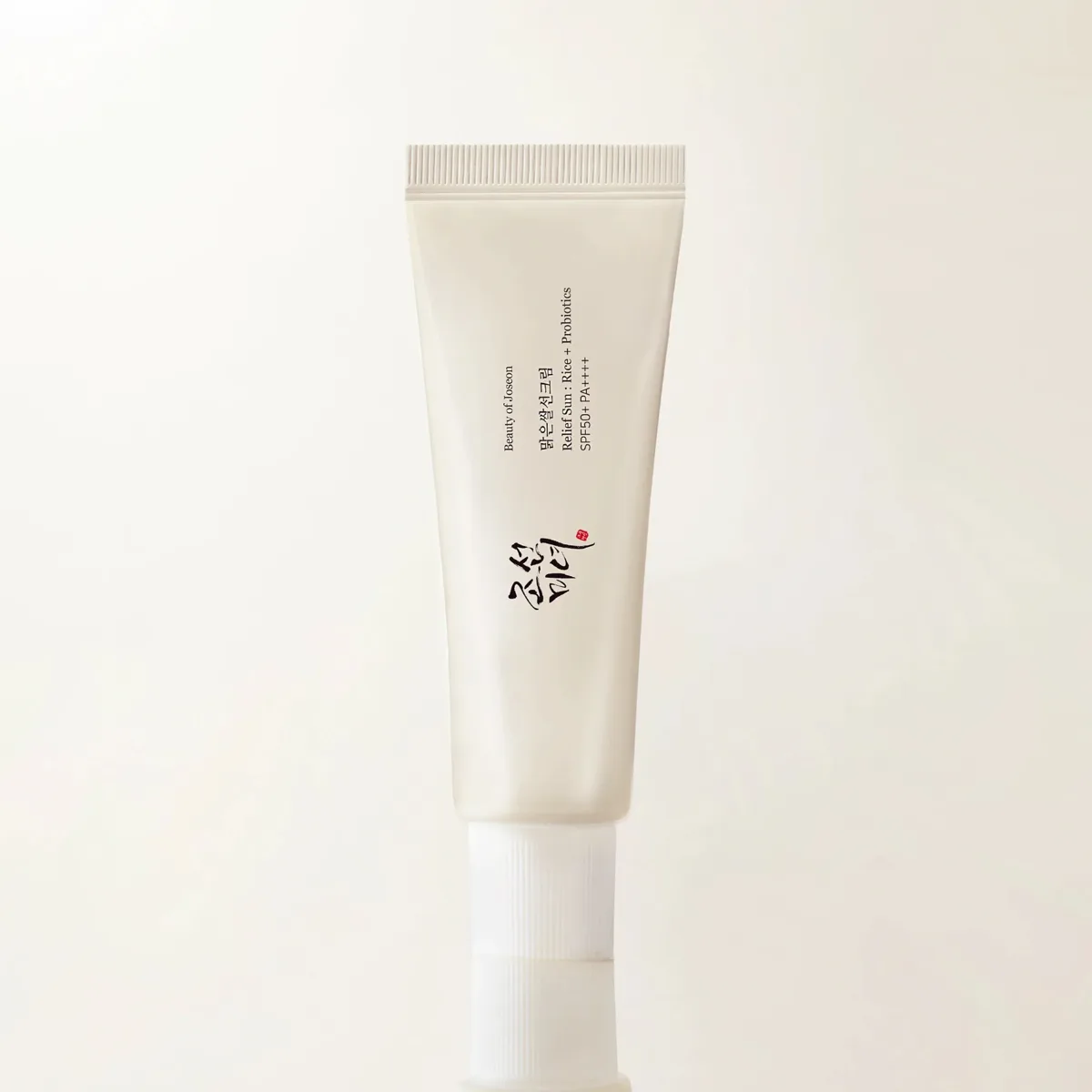
 Relief Sun: Rice + Probiotics SPF 50+
The sunscreen that rewrote the rules for what a $14 product could deliver. With independently verified SPF 50+, 30% rice extract, niacinamide, and a probiotic ferment complex, it offers protection and skincare benefits that rival products three times its price. The texture that feels like wearing nothing on your face is the reason it went viral — and stayed there.