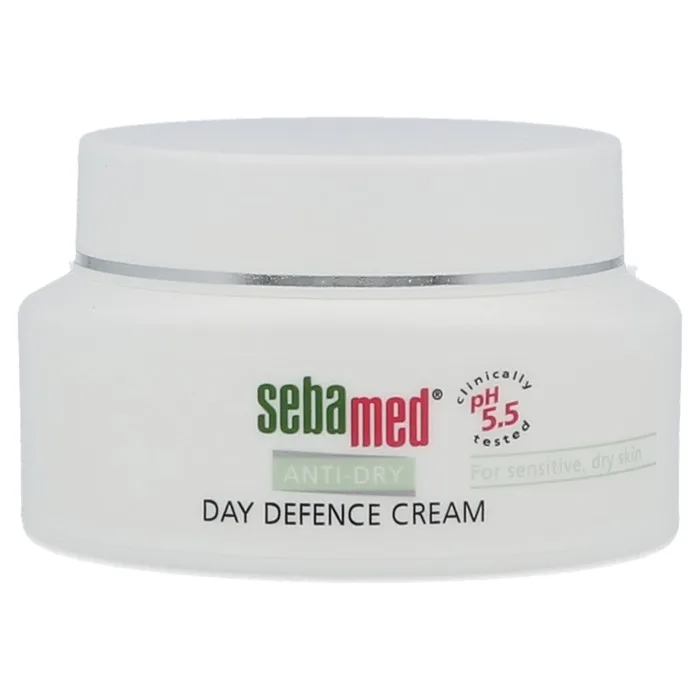
A quintessential German pharmacy cream: pH 5.5, genuinely moisturizing, and formulated around a decades-old thesis that still holds up. The SPF 20 rating feels slightly dated by modern standards, but for dry, sensitive skin that needs daily protection without drama, it's hard to fault.
Anti-Dry Day Defence Cream SPF 20
A quintessential German pharmacy cream: pH 5.5, genuinely moisturizing, and formulated around a decades-old thesis that still holds up. The SPF 20 rating feels slightly dated by modern standards, but for dry, sensitive skin that needs daily protection without drama, it's hard to fault.
Score Breakdown
Where this product gains points and where it loses them — broken down across the four scoring pillars.
A solid pharmacy-grade daytime cream with meaningful hydration and broad-spectrum UV filters. Scores are pulled down by the SPF 20 rating (most dermatologists now recommend SPF 30+) and the presence of fragrance.
Pros & Cons
- ✓pH 5.5 formulation supports acid-mantle integrity throughout the day
- ✓Genuinely moisturizing base suited to very dry, tight skin
- ✓Broad-spectrum UV coverage from an avobenzone and titanium combination
- ✓Bisabolol and panthenol soothe reactive, easily irritated complexions
- ✓Sinks in quickly and layers well under foundation
- ✓Dermatologist-developed brand with nearly 60 years of clinical history
- ✓Fair mid-tier price for a pharmacy-grade SPF moisturizer
- ✗SPF 20 is lower than current dermatological best practice of SPF 30+
- ✗Lightly fragranced, which may bother fragrance-reactive sensitive skin
- ✗Leaves a faint white cast on deeper skin tones
- ✗Not suitable for oily or acne-prone skin due to the heavy cream base
- ✗Filter system is older-generation and not as photostable as modern Tinosorb blends
Full Review
In 1967, a German dermatologist named Heinz Maurer became convinced that most of the world's soap and skincare was quietly sabotaging skin by pushing it out of its natural acid-mantle pH of 5.5. He developed a cleansing bar around that number, called it Sebamed, and sixty years later the entire brand still orbits that same single idea. The Anti-Dry Day Defence Cream SPF 20 is what happens when you take that pH-5.5 thesis and drag it kicking and politely into the world of daily sun protection. And the nice thing is, it works — maybe not revolutionarily, but with the quiet competence of a product that has nothing to prove and a clinical track record to back it up.
The formula pairs ethylhexyl methoxycinnamate and butyl methoxydibenzoylmethane (Avobenzone) with titanium dioxide for broad-spectrum coverage. It's not a cutting-edge filter system — you won't find Tinosorb or Uvinul here — but it gets the UVB and UVA job done within the SPF 20 rating. Underneath the filters sits a proper dry-skin base: glycerin, sodium hyaluronate, panthenol, and a hit of bisabolol and allantoin to keep reactive skin calm. The cream leans into the 'functional moisturizer that also happens to be a sunscreen' lane rather than the other way round, and that's the right call for the demographic it's aimed at.
Texture-wise, this is a proper cream, not a lotion masquerading as one. It's medium-weight, spreads smoothly, sinks in within about a minute, and leaves a satin finish that plays nicely with foundation. There's a faint floral fragrance — unmistakably European pharmacy, that particular 'clean but not scentless' smell — which is the main reason we can't recommend it blindly to the most fragrance-phobic corners of the sensitive-skin community. It does leave a whisper of white cast on deeper skin tones thanks to the titanium dioxide, though it's far less noticeable than a pure mineral sunscreen.
Here's the honest conversation we have to have, though: SPF 20. In 2026, the consensus among most boards of dermatology is that daily facial SPF should be 30 or higher, full stop. SPF 20 blocks about 95% of UVB, SPF 30 blocks about 97%, and while the jump from 95 to 97 sounds tiny, the residual 5% versus 3% means you're getting roughly 40% more UVB through the SPF 20. For an office worker whose sun exposure is mostly walking between buildings, this is fine. For anyone spending real time outdoors, you'd want to layer something heavier on top or grab a dedicated SPF 50 instead.
Where this cream genuinely shines is in its target use case: dry, tight, easily offended skin that needs morning hydration and a modest photoprotective layer before makeup. The pH 5.5 positioning isn't just marketing — there's decent evidence that cleansing and leave-on products matched to the skin's natural pH support barrier integrity better than alkaline alternatives, and Sebamed has been running that playbook longer than almost anyone. Combined with panthenol, bisabolol, and hyaluronic acid, this ends up being a cream that calms rather than aggravates. You put it on, it does its job, your skin doesn't itch or sting, and you go about your day. That sounds like a low bar until you realize how many products — including expensive ones — fail it.
Value-wise, around $25 for 50ml of a dermatologist-developed German pharmacy cream with broad-spectrum SPF is genuinely fair. It's more expensive than drugstore basics but meaningfully cheaper than prestige equivalents, and the formulation earns its price through consistency rather than novelty. If you love the Sebamed ethos, it's a no-brainer addition to a pH-conscious routine. If you're looking for the highest-SPF, cleanest, most modern filter system on the market, this isn't it. For the very dry, very sensitive skin it was built for, it remains one of the more honest options the pharmacy aisle has ever produced.
Formula
Key Ingredients
The hero actives that drive this product's performance.
| Ingredient | Function | Evidence |
|---|---|---|
| Ethylhexyl Methoxycinnamate + Butyl Methoxydibenzoylmethane + Titanium Dioxide | This SPF 20 trio pairs two organic UVB/UVA filters with mineral titanium dioxide, giving broad-spectrum coverage in a cream base that is specifically formulated around Sebamed's pH 5.5 philosophy — meaning the sunscreen matrix shouldn't disrupt the acid mantle the rest of the formula is trying to protect. | well-established |
| Sodium Hyaluronate | A humectant that pulls moisture into the upper layers of the skin; here it counterbalances the slightly drying potential of the UV filter system and works alongside glycerin and panthenol to keep dry skin comfortable throughout the day. | well-established |
| Panthenol (Pro-Vitamin B5) | Provitamin B5 that converts to pantothenic acid in the skin, supporting barrier repair and reducing the tight, reactive feeling dry skin often experiences under daytime sun exposure. In this formula it pairs with allantoin to soothe. | well-established |
| Bisabolol | An active compound from chamomile with documented anti-inflammatory effects. In a daytime SPF cream for dry skin, it helps buffer the low-grade irritation that some sensitive complexions experience from chemical UV filters. | promising |
| Tocopheryl Acetate (Vitamin E) | A lipid-soluble antioxidant that complements the UV filter system by quenching free radicals generated when UV rays penetrate past the sunscreen layer. Pairs with the cinnamate filter for enhanced photostability. | well-established |
Full INCI List · pH 5.5
Aqua, Ethylhexyl Methoxycinnamate, Caprylic/Capric Triglyceride, Glycerin, Cetearyl Alcohol, Titanium Dioxide, Butyl Methoxydibenzoylmethane, Glyceryl Stearate, Ceteareth-20, Dimethicone, Phenoxyethanol, Tocopheryl Acetate, Panthenol, Sodium Hyaluronate, Allantoin, Bisabolol, Butylene Glycol, Xanthan Gum, Sodium Hydroxide, Parfum, BHT, Citric Acid
Product Flags
✗ Fragrance Free✓ Alcohol Free✗ Oil Free✗ Silicone Free✓ Paraben Free✓ Sulfate Free✗ Cruelty Free✗ Vegan✗ Fungal Acne Safe
Comedogenic Ingredients
Cetearyl Alcohol
Potential Irritants
ParfumEthylhexyl Methoxycinnamate
Common Allergens
Parfum
Compatibility
Skin Match
Best For
Works For
Not Ideal For
Addresses These Conditions
dryness dehydration sensitivity winter skin
Use With Caution
Routine Step
moisturizer
Time of Day
AM
Pregnancy Safe
Yes ✓
Layering Tips
Apply as the last step of your morning routine after serums. Reapply every two hours during active sun exposure — the SPF 20 rating means it's a daily-urban sunscreen, not a beach product.
Results Timeline
Immediate: softer, less tight skin with visible UV protection. Short-term (1-2 weeks): reduced daytime dryness and a smoother surface. Full benefits (4-8 weeks): cumulative photoprotection reduces the sun-induced dehydration cycle many dry complexions fall into.
Pairs Well With
hyaluronic-acid-serumniacinamide-serumgentle-cleanser
Sample AM Routine
- Sebamed Liquid Face & Body Wash
- Hyaluronic acid serum
- Sebamed Anti-Dry Day Defence Cream SPF 20
Sample PM Routine
- Gentle cleanser
- Treatment serum
- Night cream
Evidence
Who Should Skip
- SPF 20 is lower than current dermatological best practice of SPF 30+
- Lightly fragranced, which may bother fragrance-reactive sensitive skin
- Leaves a faint white cast on deeper skin tones
- Not suitable for oily or acne-prone skin due to the heavy cream base
Science & Expert Perspective
The Science
The core scientific argument behind this cream rests on two separate but complementary pillars: pH-balanced skincare and broad-spectrum photoprotection. Skin surface pH typically falls between 4.5 and 5.5, and research published in the International Journal of Cosmetic Science has consistently shown that products matched to this range better preserve barrier function and microbiome diversity than alkaline alternatives. Sebamed's entire product range is built around this finding, which is why the pH 5.5 claim is printed on every pack.
The UV filter system combines ethylhexyl methoxycinnamate, a UVB filter, with butyl methoxydibenzoylmethane (avobenzone), the most widely used UVA-I filter in modern sunscreens, plus titanium dioxide for additional UVB and UVA-II coverage. This combination is well-documented in dermatological literature, though it is not as photostable on its own as newer filter blends — avobenzone degrades in sunlight without stabilizers, and while the cinnamate and TiO2 provide some buffering, the formula would benefit from octocrylene or bemotrizinol for true photostability.
The supporting cast is classic dry-skin pharmacology. Panthenol converts to pantothenic acid (vitamin B5) in the stratum corneum and has been shown in multiple clinical studies to improve skin hydration and reduce transepidermal water loss. Bisabolol, an active isolated from chamomile, has documented anti-inflammatory activity through inhibition of prostaglandin synthesis, which is likely why it's included here alongside a filter system that can mildly irritate reactive skin. Sodium hyaluronate at typical cosmetic concentrations (0.1-0.5%) holds water in the upper epidermis, and glycerin — at the concentrations implied by its INCI position — provides the bulk of the humectant work.
What makes the specific combination in this cream meaningful is less about any individual ingredient and more about how the whole formulation respects the pH 5.5 target: the surfactants, emulsifiers, and active ingredients are all chosen to keep the final product at or near skin pH, which matters more for leave-on daytime wear than people typically realize.
Dermatologist Perspective
Dermatologists frequently recommend pH-balanced, fragrance-minimal moisturizers for patients with atopic or chronically dry skin, and Sebamed is a name that comes up regularly in European clinical practice for exactly that reason. For daytime use, dermatologists generally note that an SPF 20 product like this one is appropriate as a base layer for low-exposure days — indoor workers, overcast climates, school drop-off routines — but would typically be paired with a higher SPF 30 or 50 for prolonged outdoor activity. Board-certified dermatologists also highlight the role of panthenol and bisabolol in managing the low-grade inflammatory response that dry, compromised skin mounts when exposed to chemical UV filters, and this cream delivers both at meaningful levels. The main caveat clinicians raise is the fragrance content, which, while mild, can be a trigger for patients with eczema or contact dermatitis.
Guidance
Usage Guide
How to Use
Apply as the final step of your morning routine after cleansing, toning, and any serums. Use a generous amount — roughly a half-teaspoon for face and neck — to actually achieve the tested SPF 20 protection; a thin smear will not. Allow one to two minutes for the cream to set before applying makeup. For extended outdoor exposure, layer a dedicated higher-SPF sunscreen on top or reapply every two hours. Avoid the immediate eye area. If your skin is extremely dry, a hydrating serum underneath will amplify the cream's moisturizing effect.
Value Assessment
At roughly $25 for 50ml, this sits squarely in the mid-pharmacy tier — more expensive than basic drugstore SPF moisturizers but significantly cheaper than prestige equivalents. Sebamed's legacy brand heritage and the specific pH 5.5 formulation philosophy make this feel like a fair price for a cream that does two jobs (moisturizer plus SPF) competently. The single 50ml size isn't the most economical format, but the product lasts about two to three months with daily face and neck application, which works out to roughly $8-12 per month — reasonable for a dermatologist-developed European pharmacy cream. The main value consideration is that for an extra few dollars you could buy a dedicated SPF 50 sunscreen with a more modern filter system, so this makes the most sense for people who specifically want the Sebamed pH ethos in their routine.
Who Should Buy
People with dry, sensitive, or reactive skin who want a single-step morning moisturizer with incidental sun protection and prefer the European pharmacy aesthetic. A strong pick for those who already trust the Sebamed pH 5.5 philosophy or have used other Sebamed products successfully and want to extend that into their daytime routine.
Who Should Skip
Oily or acne-prone skin will find this too rich and potentially comedogenic. Anyone prioritizing maximum photoprotection for outdoor activities should choose a dedicated SPF 50 sunscreen instead. Fragrance-reactive skin may want a completely fragrance-free alternative, as the light floral scent can be a trigger for the most sensitive complexions.
Ready to try Sebamed Anti-Dry Day Defence Cream SPF 20?
Details
Details
Texture
Medium-weight cream that spreads smoothly and sinks in within a minute
Scent
Light, clean floral fragrance typical of European pharmacy skincare
Packaging
Opaque squeeze tube with flip cap — hygienic and travel-friendly
Finish
satinnon-greasy
What to Expect on First Use
On first use expect immediate relief of the tight, parched feeling that dry skin wakes up with. No tingling or adjustment period; it behaves like a classic European pharmacy cream that just gets on with the job.
How Long It Lasts
Approximately 2-3 months with daily face and neck application
Period After Opening
12 months
Best Season
fall winter
Certifications
pH 5.5 verifiedDermatologically tested
Background
The Why
Sebamed was founded in 1967 by German dermatologist Heinz Maurer, who believed conventional soaps and creams were disrupting the skin's natural pH of 5.5. This Anti-Dry line extends that original thesis into a daytime SPF format for the brand's most demanding demographic: people whose skin feels painfully dry by mid-morning without intervention.
About Sebamed Legacy Brand (20+ years)
Sebamed was developed in Germany in 1967 by dermatologist Heinz Maurer around a pH 5.5 formulation philosophy designed to match the skin's acid mantle. The brand has been studied in clinical literature for decades, particularly for its impact on atopic and sensitive skin.
Brand founded: 1967 · Product launched: 2012
Myth vs. Reality
Myths & Misconceptions
Myth
SPF 20 is enough daily protection for everyone.
Reality
SPF 20 blocks roughly 95% of UVB rays versus about 97% for SPF 30. For urban, incidental exposure in a cream like this it's acceptable, but dermatologists now generally recommend SPF 30 or higher for daily facial use.
FAQ
Frequently Asked Questions
Is Sebamed Anti-Dry Day Defence Cream good for sensitive skin?
Yes — the pH 5.5 formulation, bisabolol, and panthenol work together to minimize sensitization risk. However, the product is lightly fragranced, so highly reactive skin types may want to patch test first.
Is SPF 20 enough for daily use?
For indoor office days with incidental window exposure, SPF 20 provides adequate protection. For outdoor activities, pair this cream with a higher SPF 30-50 product or choose a dedicated sunscreen over it.
Can I wear makeup over this cream?
Yes. The satin, non-greasy finish makes a stable base for foundation; allow one to two minutes for the cream to set before applying base makeup.
Does this cream leave a white cast?
Because it contains titanium dioxide alongside organic filters, it can leave a faint white cast on deeper skin tones. It is more blendable than a pure mineral sunscreen but less invisible than a chemical-only formula.
Is it safe for use during pregnancy?
Yes — the formulation contains no retinoids, hydroquinone, or salicylic acid. The UV filters used are standard and considered safe for pregnancy.
Community
Community Voices
Common Praise
"Genuinely moisturizing without feeling greasy"
"Doesn't sting sensitive skin"
"pH-balanced formula noticeably calmer than mainstream SPF creams"
Common Complaints
"SPF 20 is lower than current best-practice recommendations"
"Contains fragrance"
"Leaves a faint white cast on deeper skin tones"
Notable Endorsements
Recommended by European pharmacists for dry, sensitive skin
Appears In
best spf moisturizer for dry skin best german pharmacy day cream best ph balanced spf cream best sebamed products best dry skin daytime moisturizer
Related Conditions
dryness sensitivity sun damage
Related Ingredients
You Might Also Like
 Clean Beauty Cult Classic
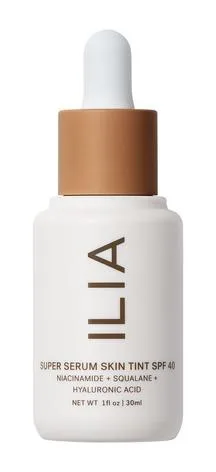
 Super Serum Skin Tint SPF 40
The product that finally made mineral tinted SPF desirable instead of medicinal. At 12% non-nano zinc with iron oxide visible-light protection, niacinamide, and a squalane-based glowy finish, this bottle does the impossible — it delivers real sun protection, real skincare, and real makeup in a single step without any one of them feeling compromised. The $54 price stings, but almost nothing else in the category does all three jobs this well.
 Australian SPF Standard
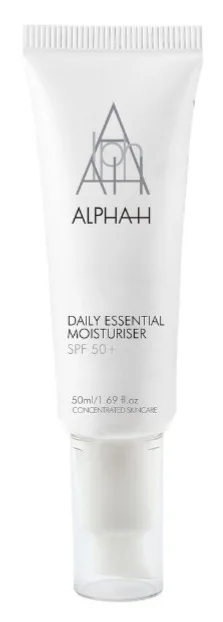
 Daily Essential Moisturiser SPF 50+
An excellent multi-active daily SPF that meets Australia's stricter TGA SPF 50+ standard and includes modern UVA filters that put it well ahead of most US sunscreens. Niacinamide, centella, and hyaluronate make it a genuine moisturizer rather than just a sunscreen step. Premium-priced but uniquely well-formulated.
 Mineral SPF for Melasma
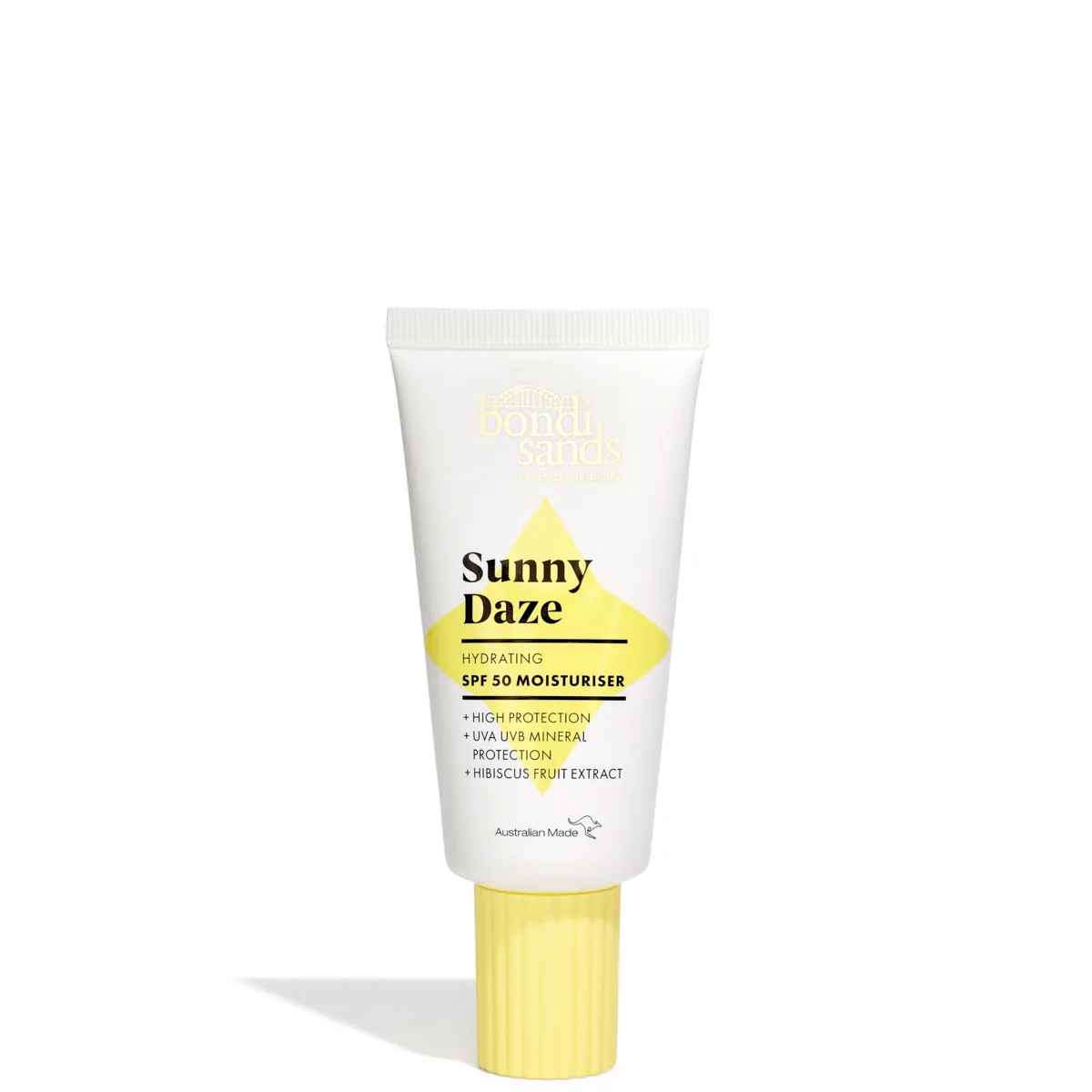
 Sunny Daze SPF 50 Moisturiser
A 25% zinc oxide mineral face moisturizer with a built-in universal tint that provides both visible-light protection and white-cast neutralization — one of the better-engineered mineral SPF moisturizers in its price tier. The single universal shade is a real limitation, but for anyone managing melasma or reactive skin, this is a surprisingly thoughtful drugstore option.
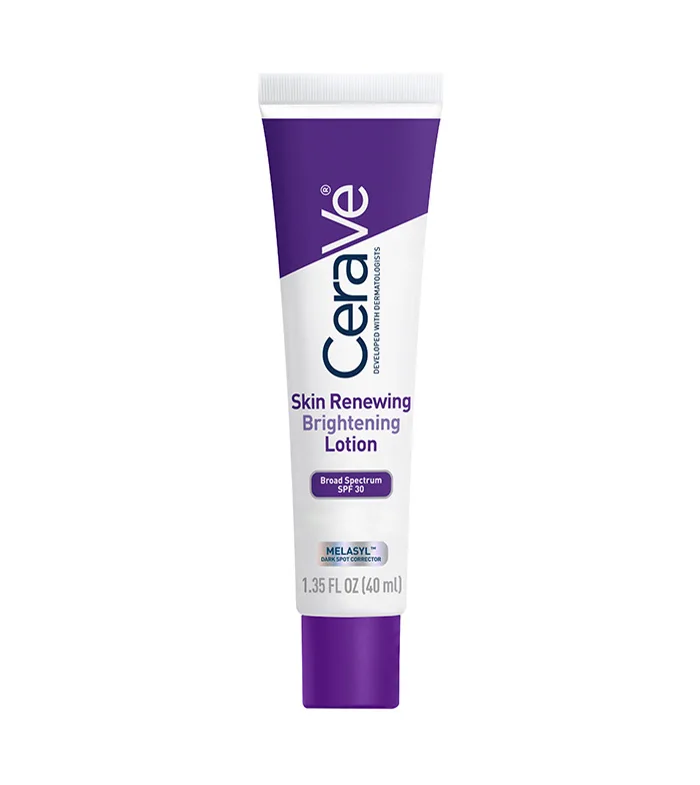 Brightening Multitasker
 Skin Renewing Brightening Lotion SPF 30
CeraVe's first product to use L'Oréal's Melasyl pigmentation molecule is also a competent SPF 30 day cream and a barrier-supporting lotion in one step. The size is small for the price, but the formula is genuinely impressive — this is CeraVe taking a real swing at the dark spot treatment category.
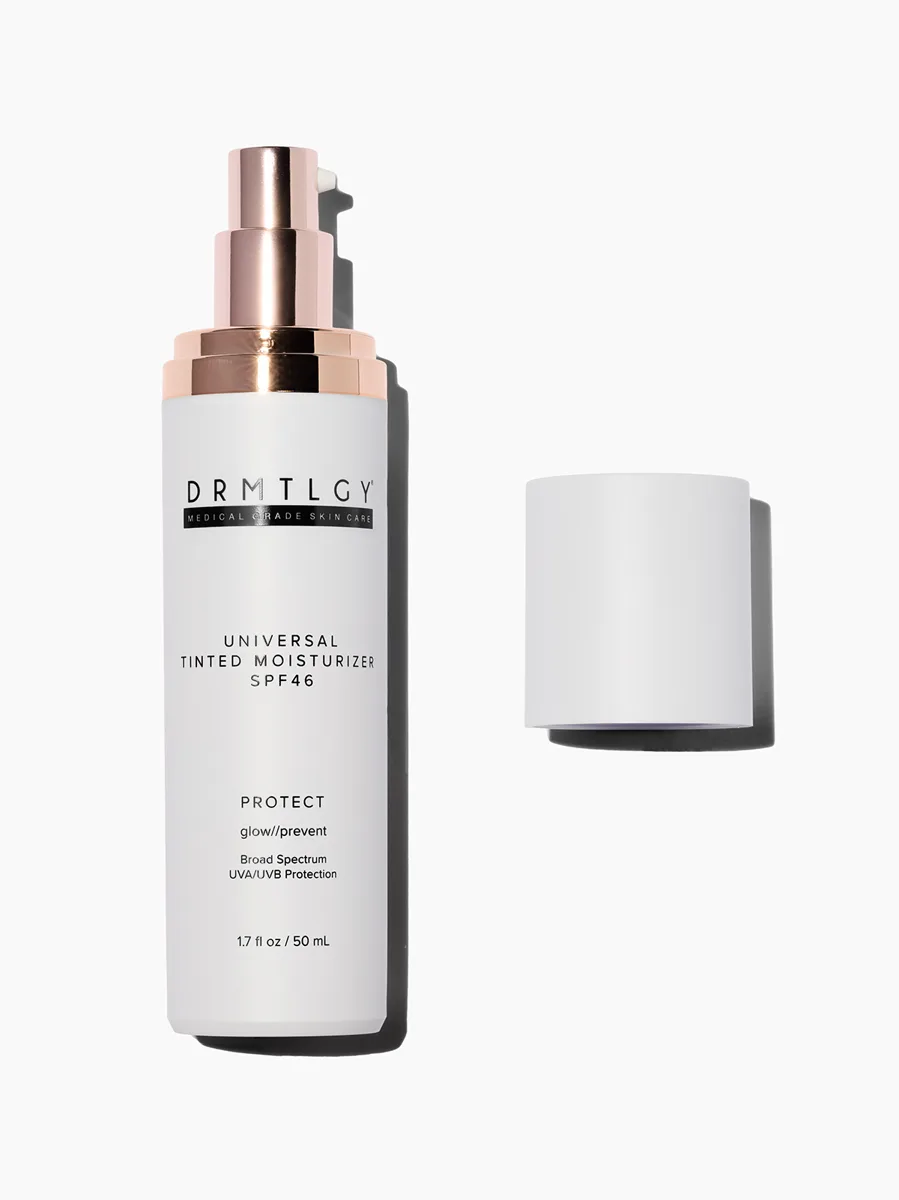 Budget Tinted SPF Pick
 Tinted Moisturizer SPF 46
One of the most-recommended tinted SPFs in dermatologist-focused online communities, and for good reason — a hybrid SPF 46 with iron oxide visible-light protection, niacinamide treatment benefits, and a universal satin tint at roughly half the price of the Elta MD product it closely resembles. The fragrance and the octinoxate are the only meaningful asks for forgiveness.
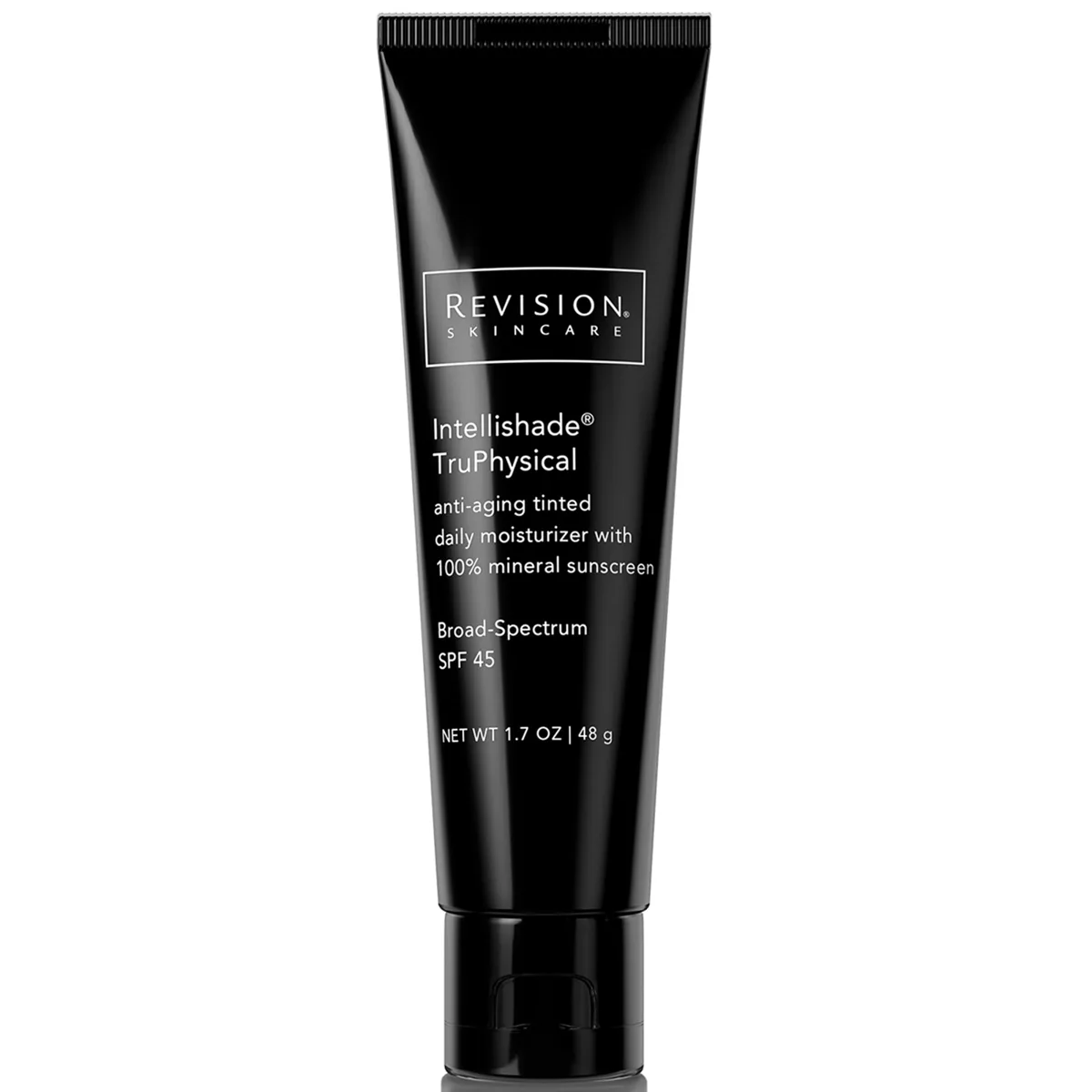 5-in-1 Mineral SPF Multitasker
 Intellishade TruPhysical SPF 45
A genuinely impressive multi-tasking mineral sunscreen that packs meaningful anti-aging actives into a wearable tinted formula. It replaces foundation for many users while delivering SPF 45 mineral protection and peptide-driven corrective benefits — though the thick texture requires patience and may not suit oily skin.
This review reflects our independent analysis of publicly available ingredient data, manufacturer claims, and verified user reviews. We are reader-supported — Amazon links may earn us a commission at no cost to you. We do not accept paid placements; rankings are based solely on the evidence.