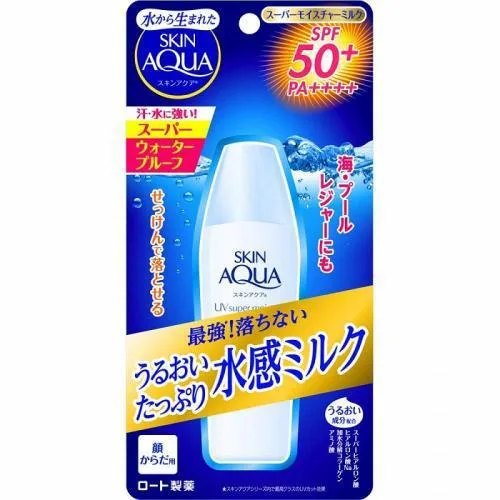
A benchmark affordable Japanese sunscreen built around modern photostable filters that the US FDA has not yet approved, delivering genuine PA++++ UVA protection in a lightweight milky emulsion. Exceptional value, with ethanol content and the small 40g tube being the only meaningful drawbacks.
UV Super Moisture Barrier Milk SPF 50+
A benchmark affordable Japanese sunscreen built around modern photostable filters that the US FDA has not yet approved, delivering genuine PA++++ UVA protection in a lightweight milky emulsion. Exceptional value, with ethanol content and the small 40g tube being the only meaningful drawbacks.
Score Breakdown
An excellent-value hybrid SPF 50+ PA++++ with broad-spectrum UVA coverage via modern Japanese filters not approved in the US. Ethanol and octinoxate content limit appeal for sensitive skin, and the 40g size runs out quickly.
Data Confidence: high
Skin Aqua Super Moisture Milk is one of Japan's best-selling drugstore sunscreens with over a decade of market presence and thousands of Japanese-language reviews. Imported reviews on US-facing beauty platforms add further confidence.
0/100
Overall Score
Ingredient Quality 0
Value for Money 0
Suitability Breadth 0
Irritation Risk (↑ = safer) 0
Assessment
Pros
- Modern photostable UV filters (Uvinul A Plus, Tinosorb S Lite) deliver better UVA protection than most US drugstore sunscreens
- True PA++++ rating — highest UVA protection category available
- Lightweight, semi-matte finish with no white cast on most skin tones
- Cosmetically elegant enough for daily use under makeup
- Exceptional value at around $15 even with import costs
- Fragrance-free and fungal-acne-safe
Cons
- 40g tube runs out in 4-6 weeks of proper application
- Ethanol content can be drying or irritating on sensitive skin
- Contains octinoxate — not reef-safe for snorkeling or diving
- Methylparaben present for clean-beauty-averse buyers
- Requires importing or an Asian beauty retailer for US buyers
Full Review
There's an awkward truth about sunscreen that most American buyers never have to think about, but that Asian beauty enthusiasts and dermatology-forward shoppers know well: the sunscreens you can buy at a Tokyo drugstore for the equivalent of ten dollars are, on average, better at protecting you from UVA radiation than the sunscreens you can buy at a US drugstore for twenty. The reason is regulatory, not commercial. The US Food and Drug Administration classifies sunscreen filters as over-the-counter drugs, which means new filters require extensive pharmaceutical-level approval processes that haven't meaningfully advanced since the 1990s. Japan, the EU, and much of Asia treat sunscreen filters as cosmetics, and over the last two decades those markets have approved a series of modern photostable filters — Tinosorb S, Tinosorb M, Uvinul A Plus, Uvinul T 150 — that deliver substantially better UVA protection than the older chemical filters still dominating American products. This sunscreen contains two of those modern filters, and they're the reason it punches well above its price class.
The filter system is the story. On the active side, you have four distinct UV filters working together: zinc oxide as the mineral workhorse providing true broad-spectrum defense, ethylhexyl methoxycinnamate (octinoxate) as the primary UVB absorber, Uvinul A Plus (diethylamino hydroxybenzoyl hexyl benzoate) as a modern UVA1 filter that covers the longest wavelengths most other filters miss, and Tinosorb S Lite as a photostabilizer that keeps the chemical filters from degrading across wear time. The result is a genuinely hybrid sunscreen that delivers SPF 50+ PA++++ — the highest protection category on the Japanese scale — without the greasiness of high-zinc mineral sunscreens or the photoinstability of older chemical-only formulas.
Cosmetically, the formula delivers on the expectations you'd have for a modern Japanese sunscreen. The base is cyclopentasiloxane and water, which gives it the characteristic silky slip of J-beauty cosmetic products. It applies as a light milky emulsion, spreads easily, and dries down to a semi-matte finish within about a minute. There's no white cast on most skin tones, no greasy residue, and no heavy fragrance — the scent is essentially neutral. Under makeup it sits cleanly and doesn't interfere with primer or foundation, which is a meaningful everyday advantage over chunkier mineral sunscreens.
The hydration claim in the product name is modest but real. Glycerin, sodium hyaluronate, sodium acetylated hyaluronate, and hydrolyzed collagen collectively contribute a light humectant layer, enough to keep the sunscreen from feeling dehydrating over a normal day. It's not a replacement for a moisturizer — dry skin should still layer it over a proper cream — but it's more than a token claim.
The friction points are modest but worth naming. Ethanol appears on the INCI, which is common in Japanese sunscreens because it helps deliver the lightweight feel, but it can be drying or slightly irritating on reactive skin. Octinoxate is present, and for reef-conscious buyers, octinoxate is one of the filters flagged by reef-safe regulations — if you're snorkeling in Hawaii or the Caribbean, this is not the right sunscreen. The 40-gram tube is small relative to the dose you should actually be applying for proper facial SPF coverage (roughly one to two grams per application), which means a single tube lasts only four to six weeks of daily use. And parabens are present, which matters to some buyers but has no established safety concern at cosmetic concentrations.
For the broader Skin Aqua lineup, the Super Moisture Milk is the entry-level daily facial sunscreen — there are gel, essence, and barrier-specific variants in the same family with slightly different textures and actives. If you're new to Japanese sunscreens, this milk variant is the best starting point: cosmetically elegant enough to wear every day, strong enough on filters to actually protect, and cheap enough to experiment with. Once you understand what a good hybrid Japanese sunscreen feels like, going back to heavy or underperforming alternatives is genuinely difficult.
This is a standout product in the affordable daily sunscreen category, and it earns that standing through formulation quality rather than marketing. For a buyer who values UVA protection, cosmetic elegance, and drugstore pricing — and who can either import easily or find it at an Asian beauty retailer — it's one of the easier recommendations in this entire category.
Formula
Ingredients
The hero actives that drive this product's performance.
| Ingredient | Function | Evidence |
|---|---|---|
| Zinc Oxide | A mineral UV filter that provides true broad-spectrum protection across UVB and UVA ranges. In this formula it's paired with chemical filters for a hybrid sunscreen approach, delivering SPF 50+ PA++++ without the heavy white cast of a pure mineral sunscreen. | well-established |
| Ethylhexyl Methoxycinnamate (Octinoxate) | The primary UVB filter in this hybrid formulation, responsible for most of the SPF value. Paired with zinc oxide and Tinosorb M-type filters to compensate for its lack of UVA coverage on its own. | well-established |
| Uvinul A Plus (Diethylamino Hydroxybenzoyl Hexyl Benzoate) | A modern photostable UVA filter that rounds out the PA++++ rating. It's absorbs in the UVA1 range where most older chemical filters are weak, which is why Japanese sunscreens with this filter outperform many US-approved sunscreens on UVA coverage. | well-established |
| Tinosorb S Lite (Bis-Ethylhexyl Hydroxydimethoxy Benzylmalonate) | A newer photostabilizing filter that protects other chemical filters from UV-induced degradation. Its presence in this formula is why the sunscreen maintains its stated SPF across extended wear rather than fading rapidly like older chemical-only formulas. | well-established |
| Hyaluronic Acid Complex | Two HA forms — sodium hyaluronate and sodium acetylated hyaluronate — added as humectant support so the sunscreen also delivers some light hydration, which is the 'moisture' in the product name. Paired with glycerin and hydrolyzed collagen for a mild skincare-plus-SPF positioning. | well-established |
Full INCI List
Cyclopentasiloxane, Water, Zinc Oxide, Ethylhexyl Methoxycinnamate, BG (Butylene Glycol), Diethylhexyl Succinate, Polymethylsilsesquioxane, Hydrated Silica, Lauryl PEG-9 Polydimethylsiloxyethyl Dimethicone, Lauroyl Lysine, Diethylamino Hydroxybenzoyl Hexyl Benzoate, Glycerin, Sodium Hyaluronate, Hydrogen Dimethicone, Triethoxysilylethyl Polydimethylsiloxyethyl Hexyl Dimethicone, Methylparaben, EDTA-2Na, Sodium Acetylated Hyaluronate, Hydrolyzed Collagen, Arginine, Bis-Ethylhexyl Hydroxydimethoxy Benzylmalonate, Aluminum Hydroxide, Polyglyceryl-2 Triisostearate, Acrylates Copolymer, CI 73360, Phenoxyethanol, Dimethicone, Talc, Ethanol, Iron Oxides, Tin Oxide, Titanium Dioxide, Tocopherol, Mica
Product Flags
✓ Fragrance Free✗ Alcohol Free✗ Oil Free✗ Silicone Free✗ Paraben Free✓ Sulfate Free✗ Cruelty Free✗ Vegan✓ Fungal Acne Safe
Potential Irritants
ethanoloctinoxate
Compatibility
Skin Match
Best For
Works For
Not Ideal For
Addresses These Conditions
sun damage aging hyperpigmentation
Use With Caution
Routine Step
sunscreen
Time of Day
AM
Pregnancy Safe
Yes ✓
Layering Tips
Final step in the morning routine. Apply two finger-lengths to face and neck. Reapply every 2 hours during direct sun exposure.
Results Timeline
Immediate UV protection on application. Long-term benefits (reduced photoaging, prevented hyperpigmentation) accumulate over months and years of consistent daily use.
Pairs Well With
niacinamidevitamin Chyaluronic acidmoisturizer
Sample AM Routine
- Gentle cleanser
- Vitamin C serum
- Moisturizer
- Skin Aqua UV Super Moisture Barrier Milk SPF 50+
Sample PM Routine
- Gentle cleanser
- Active serum
- Moisturizer
Evidence
Science
The Science
The scientific case for Japanese hybrid sunscreens over many American drugstore alternatives comes down to the filter set. Tinosorb S and Uvinul A Plus — the modern organic UV filters used in formulations like this one — have been studied extensively in Europe and Asia since the early 2000s. Research published in the Journal of the American Academy of Dermatology and Photodermatology, Photoimmunology & Photomedicine has shown that these newer filters provide substantially broader UVA1 absorption than older chemical filters like avobenzone, particularly in the 370-400 nm range where most American sunscreens have measurable weakness. Additionally, Tinosorb S Lite has documented photostability — it does not degrade on UV exposure — and it stabilizes other filters co-formulated with it, which is why the whole system holds its protection across the day.
The PA (Protection Grade of UVA) rating used on Japanese sunscreens is measured via the PPD (persistent pigment darkening) method. Research published in the British Journal of Dermatology has validated PPD as a more reliable indicator of true UVA1 protection than the EU's UVA-PF calculation, and the PA++++ rating — the highest tier — indicates PPD of 16 or greater. This is meaningfully higher UVA protection than most US sunscreens labeled 'broad spectrum,' which have a much looser FDA threshold.
UVA protection matters because UVA radiation is the primary driver of photoaging, pigmentation, and cumulative skin damage, and it penetrates clouds and glass. Research in Archives of Dermatology has shown that UVA1 specifically is implicated in long-term collagen degradation and elastin damage, and sunscreens that excel at UVA1 coverage are functionally different products from sunscreens that only cover UVB and UVA2 well.
The zinc oxide addition in this hybrid formula contributes both mineral UVB/UVA defense and a backup filter redundancy that adds stability to the overall system. The combination of mineral and chemical filters in a single formula, when well executed, provides more robust protection than either approach alone.
Dermatologist Perspective
Dermatologists generally consider modern Japanese and European hybrid sunscreens — those containing Tinosorb, Uvinul A Plus, and similar filters — to be among the most effective cosmetic sun protection options available worldwide, particularly for UVA1 coverage. This formulation aligns with how dermatologists describe an ideal daily sunscreen: cosmetically elegant enough to be worn consistently, broad-spectrum enough to protect against both UVB and the full UVA range, and tolerable enough for daily use without heavy residue. It is commonly recommended by dermatologists in markets where it's available, and American dermatologists who travel to Asia or Europe often purchase sunscreens in this category for personal use. It is not typically recommended for patients with ethanol-sensitive skin or for use during reef-protected water activities where octinoxate is restricted.
Guidance
Usage Guide
How to Use
Apply as the final step of your morning routine after cleansing, serums, and moisturizer. Use two finger-lengths of product for face and neck — roughly 1-2 grams total — to achieve the labeled SPF. Let it dry for about a minute before applying makeup. Reapply every 2 hours during prolonged direct sun exposure, or more frequently if swimming or sweating heavily. Can be used year-round, not just in summer — UVA penetrates clouds and glass, so daily use matters even on overcast days or when primarily indoors near windows.
Value Assessment
At approximately $15 (or less in the Japanese domestic market), this sunscreen is an exceptional value for the UV protection it delivers. Comparable US drugstore sunscreens at SPF 50 cost $15-25 but generally provide weaker UVA coverage due to the older filter sets they're limited to. Imported via Asian beauty retailers, this sunscreen often costs $15-20 with shipping, which still makes it more cost-effective than equivalent-quality products from luxury brands. The small 40g size is the main value drag — proper daily application depletes a tube in about 4-6 weeks — but even accounting for that, the effective cost per month of high-quality daily sun protection is lower than most mid-tier Western alternatives.
Who Should Buy
Users who prioritize UVA protection and cosmetic elegance at a budget-friendly price, particularly those with normal, combination, or oily skin who want a daily sunscreen that works under makeup. Good for users committed to Asian beauty or J-beauty routines and comfortable importing products.
Who Should Skip
Ethanol-sensitive users and reactive skin types should patch test carefully — the alcohol content can be drying. Reef-conscious divers and snorkelers should choose a reef-safe alternative. Users who can't easily import products or find Asian beauty retailers may find the logistics frustrating for a sub-$20 product.
Ready to try Skin Aqua UV Super Moisture Barrier Milk SPF 50+?
Details
Details
Texture
Light milky emulsion that spreads easily and dries to a semi-matte finish
Scent
Fragrance-free
Packaging
Squeeze tube with screw cap
Finish
semi-mattelightweightfast-absorbinginvisible
What to Expect on First Use
Absorbs quickly without white cast. Expect a slight silicone slip during application that settles into a soft semi-matte finish within a minute.
How Long It Lasts
About 4-6 weeks at a proper 2-finger face-and-neck application
Period After Opening
12 months
Best Season
All Year
Background
The Why
Skin Aqua launched in Japan as Rohto Mentholatum's affordable daily sunscreen line and became a drugstore staple through the 2010s. The Super Moisture Milk line positioned itself as the everyday facial sunscreen within the broader range, balancing strong UV protection with a moisturizing finish. Rohto itself, founded in 1899, is one of Japan's oldest pharmaceutical companies and operates across eye drops, skincare, and topical medications.
About Skin Aqua Legacy Brand (20+ years)
Skin Aqua is made by Rohto Mentholatum, a Japanese pharmaceutical company founded in 1899. Skin Aqua is one of Japan's best-selling affordable sunscreen lines and has been refined across numerous reformulations with a consistent track record in the Japanese drugstore market.
Brand founded: 1899 · Product launched: 2020
Myth vs. Reality
Myths
Myth
Japanese sunscreens are the same as US sunscreens
Reality
They're not. Japan and the EU approve modern filters like Uvinul A Plus and Tinosorb S that the US FDA has not yet approved for cosmetic sunscreen use. This means Japanese sunscreens often outperform US sunscreens on UVA coverage at comparable SPF ratings, which is why PA++++ Japanese sunscreens are frequently imported by US buyers.
Myth
SPF 50+ is always better than SPF 30
Reality
SPF 50 blocks about 98% of UVB, SPF 30 blocks about 97%. The difference is small when applied correctly. Far more important is proper application amount, reapplication, and broad-spectrum UVA coverage — where this sunscreen excels.
FAQ
FAQ
Is this sunscreen worth importing from Japan?
For most users, yes. The combination of Uvinul A Plus and Tinosorb S Lite filters delivers better UVA protection than US-approved drugstore sunscreens at comparable SPF, and the cosmetic elegance is exceptional for the price. Importing costs add to the base price, but even at $15-20 total it's a strong value.
What does PA++++ mean?
PA++++ is the highest rating on the Japanese PA scale, which measures UVA protection via the PPD (persistent pigment darkening) method. Four plus signs indicate PPD of 16 or higher — the highest UVA protection category available. It's roughly equivalent to EU UVA-PF 16+.
Does it leave a white cast?
No — even though it contains zinc oxide, the zinc is in a micronized form and the formula is balanced with chemical filters to prevent whitening. It's cosmetically elegant on all but the deepest skin tones, where a faint cast may be visible.
Is it safe for sensitive skin?
Mixed. The formula is fragrance-free and contains soothing arginine and hydrolyzed collagen, but it also contains ethanol high on the INCI and octinoxate, both of which can be drying or irritating for reactive users. Patch test before full-face use.
Can I reapply over makeup?
Yes, though reapplication with a milky sunscreen over makeup is tricky. Dab gently rather than rubbing, or consider carrying a Skin Aqua-compatible sunscreen stick or powder for easier midday reapplication.
Community
Community
Common Praise
"Lightweight and cosmetically elegant"
"True broad-spectrum UVA protection"
"Affordable for the SPF quality"
Common Complaints
"Small 40g size runs out fast"
"Slight initial drying feel from ethanol"
"Octinoxate content off-putting to reef-safe buyers"
Notable Endorsements
Japan Cosme Award winnerPopular among Asian beauty editors
Appears In
best japanese sunscreen spf 50 best drugstore japanese sunscreen best lightweight daily sunscreen best uva protection sunscreen
Related Conditions
sun damage aging hyperpigmentation
Related Ingredients
You Might Also Like
 Derm Office Staple
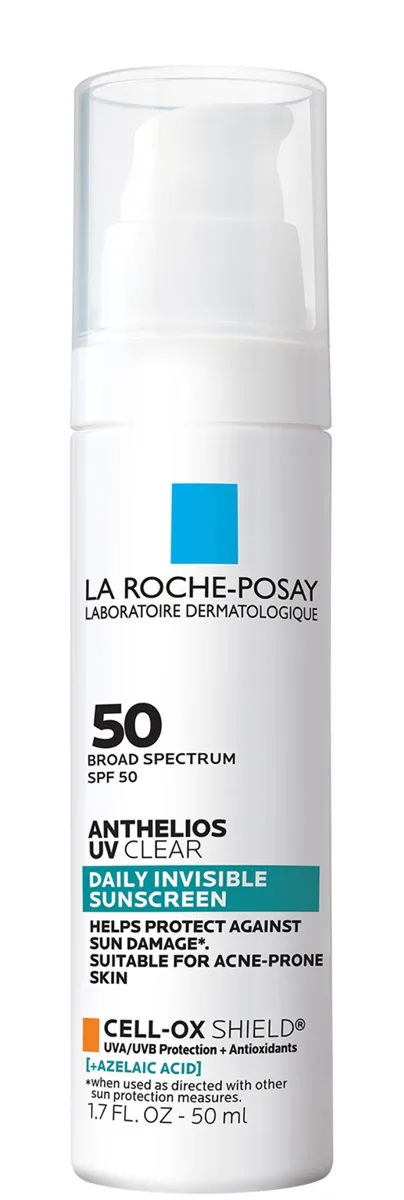
 Anthelios UV Clear Sunscreen SPF 50
One of the only US chemical sunscreens that genuinely earns its 'for sensitive and breakout-prone skin' positioning. A photostable Anthelios filter system paired with a legitimate azelaic acid dose in a lightweight serum-fluid that disappears on every skin tone. Excellent for rosacea, acne, and post-inflammatory hyperpigmentation — and probably the single best daily sunscreen in the La Roche-Posay US lineup for those conditions.
 K-Beauty Daily SPF Standout
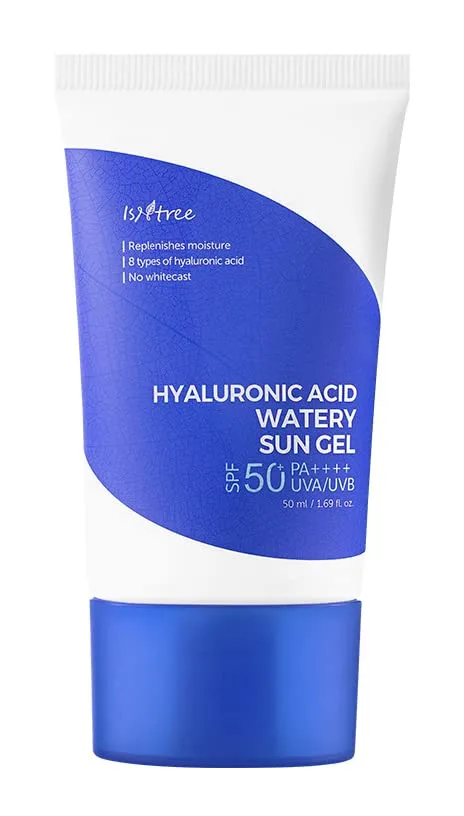
 Hyaluronic Acid Watery Sun Gel SPF 50+
One of the strongest everyday K-beauty sunscreens in the international market — modern European filters, no white cast, fragrance-free, niacinamide-boosted, and built around the brand's signature six-weight HA complex. At twenty-two dollars for 50ml, it's a case study in how much better a daily sunscreen can be when the formulator cares about both protection and wearability.
 Derm Office Staple
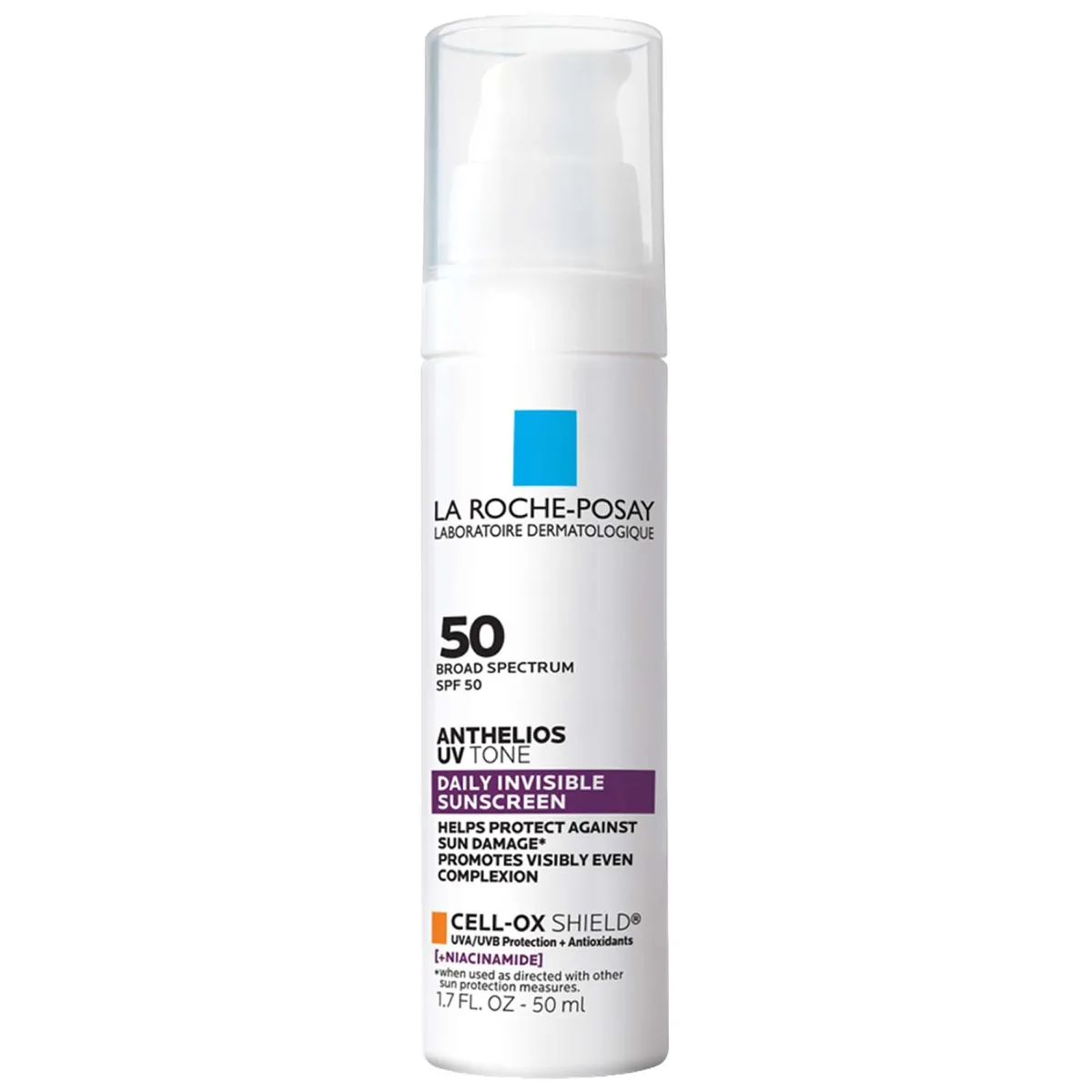
 Anthelios UV Tone Daily Invisible Sunscreen SPF 50
La Roche-Posay's most thoughtful answer yet for hyperpigmentation-prone skin that needs daily SPF. A photostable avobenzone system reinforced with Oxynex ST, paired with a meaningful dose of niacinamide, in a serum-fluid base that goes on invisible on every skin tone. Expensive for 1.7 oz but legitimately well-built — and a rare chemical sunscreen that earns its 'for dark spots' marketing.
 Melasma-Grade Mineral Sunscreen
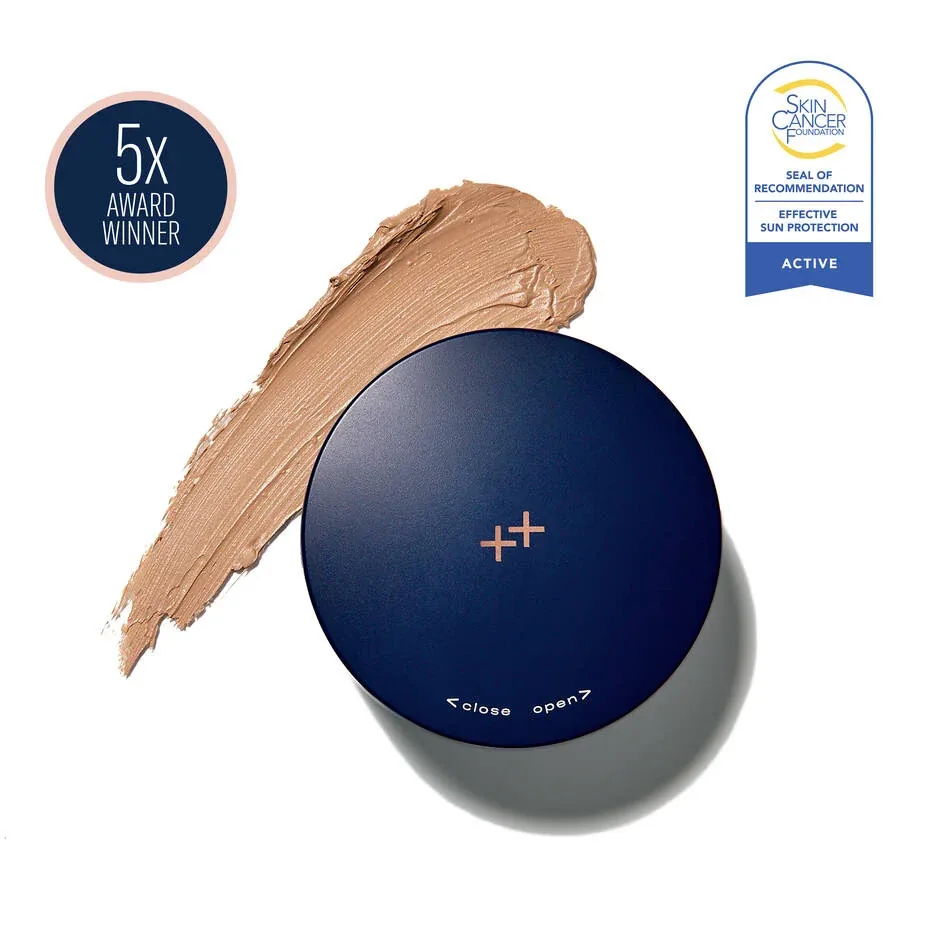
 sunbetter TONE SMART SPF 68
One of the most clinically useful tinted mineral sunscreens in the professional category. SPF 68 from a 100% mineral formula, iron oxide tint that blocks visible light for melasma protection, and an unusually lightweight texture that doesn't feel like you're wearing high-concentration zinc. For patients with melasma or post-inflammatory hyperpigmentation, this is the category benchmark — and it's earned its Allure Best of Beauty wins.
 K-Beauty Cult Favorite
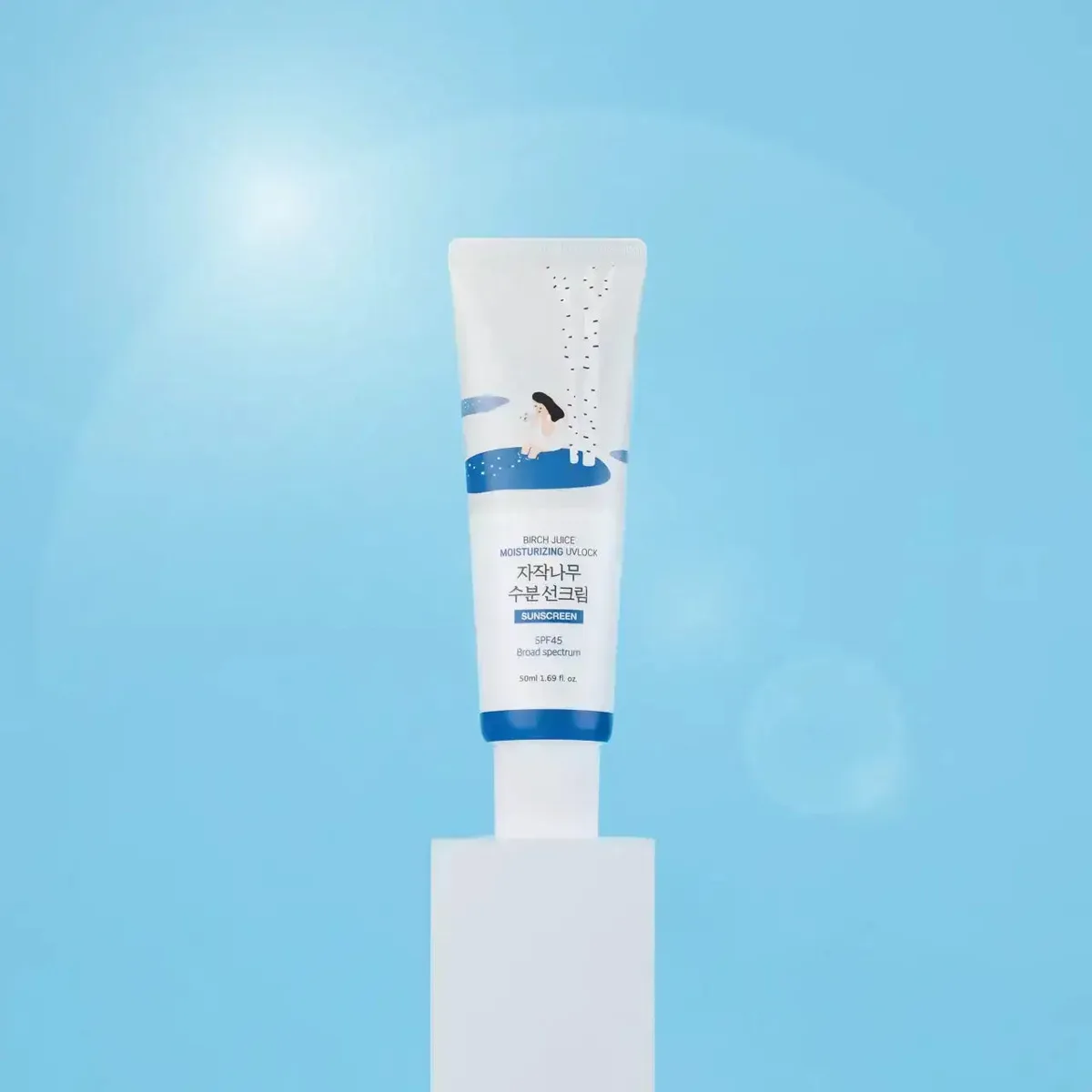
 Birch Juice Moisturizing Sun Cream SPF 50+
One of the best hybrid sunscreens in K-beauty right now — a 70% birch sap base, modern UVA filters you can't get in the US, and a finish that wears like a lightweight moisturizer. Broadly compatible, well-priced, and genuinely pleasant to apply, with minor tradeoffs for oily and fungal-acne-prone users.
 The K-Beauty Sunscreen That Changed Everything
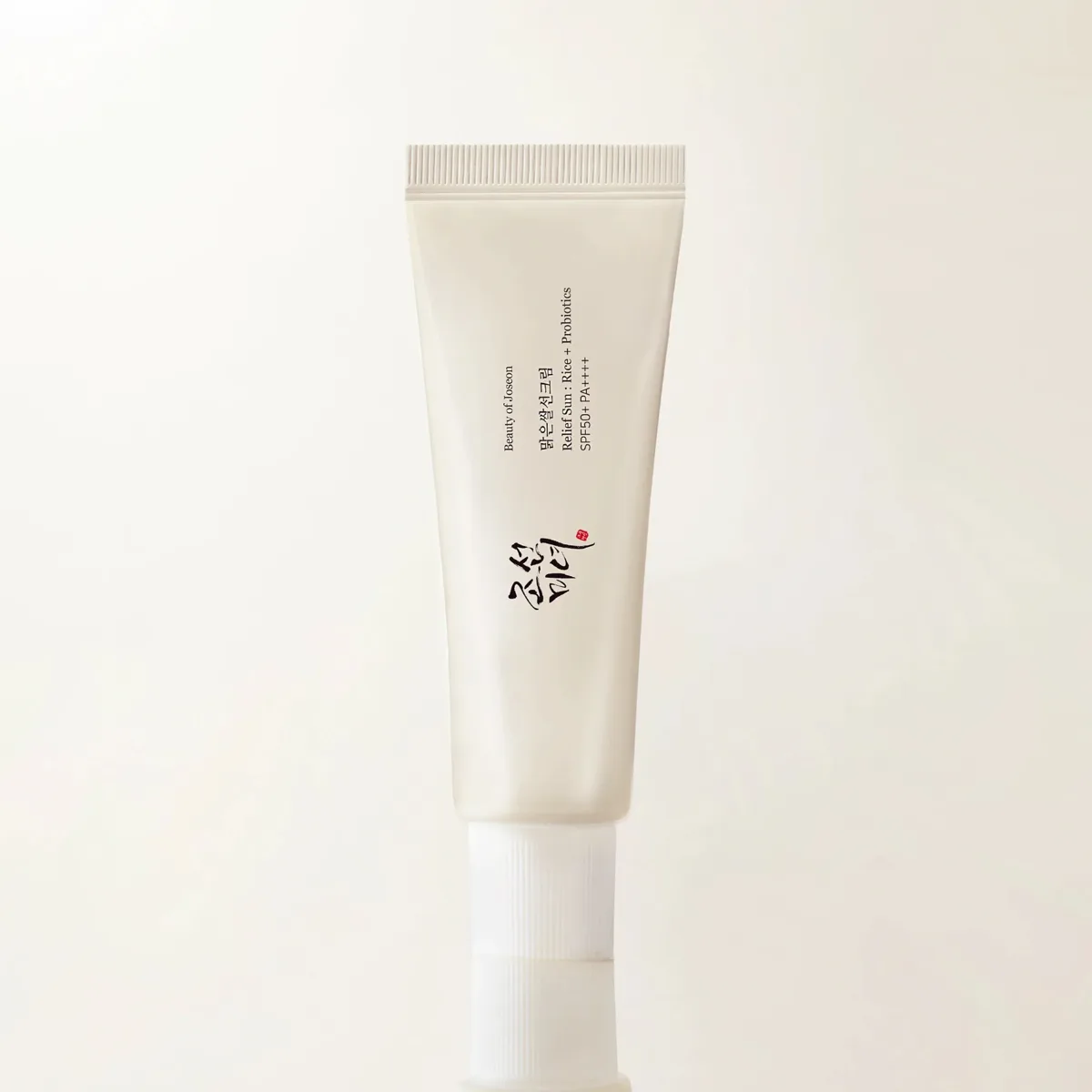
 Relief Sun: Rice + Probiotics SPF 50+
The sunscreen that rewrote the rules for what a $14 product could deliver. With independently verified SPF 50+, 30% rice extract, niacinamide, and a probiotic ferment complex, it offers protection and skincare benefits that rival products three times its price. The texture that feels like wearing nothing on your face is the reason it went viral — and stayed there.