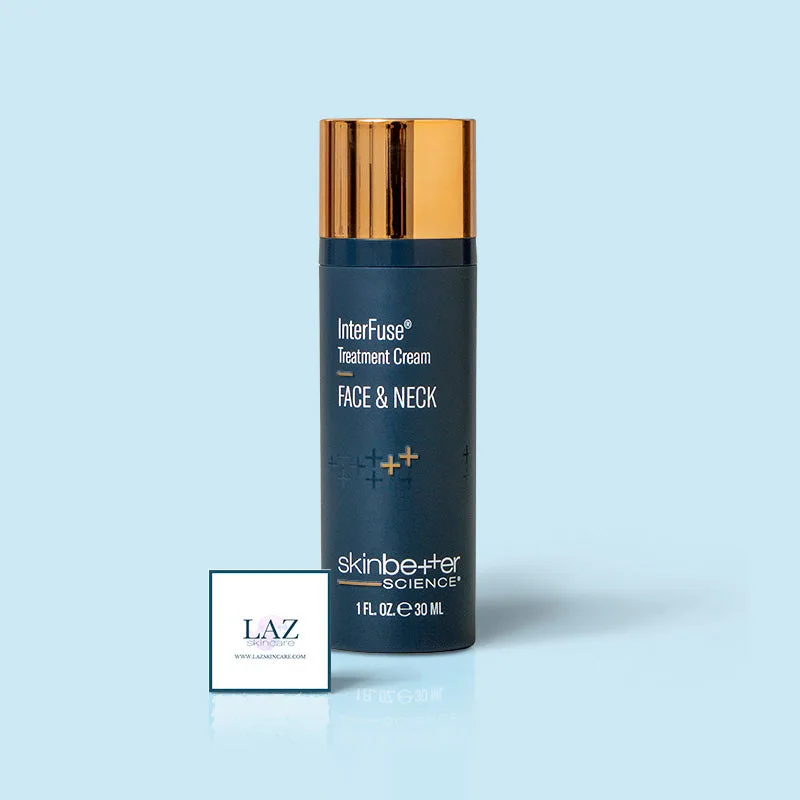
A multi-mechanism eye cream that separates dark circles into their distinct vascular and pigmentary components and treats each with targeted ingredients — plus a three-peptide matrikine stack for fine lines. Elegant texture, excellent tolerability around the sensitive eye area, and genuine results with consistent use. Priced firmly in the physician-dispensed tier.
InterFuse Intensive Treatment
A multi-mechanism eye cream that separates dark circles into their distinct vascular and pigmentary components and treats each with targeted ingredients — plus a three-peptide matrikine stack for fine lines. Elegant texture, excellent tolerability around the sensitive eye area, and genuine results with consistent use. Priced firmly in the physician-dispensed tier.
Score Breakdown
A thoughtfully constructed multi-target eye cream that addresses vascular darkness, melanin darkness, fine lines, and puffiness in one formula. Priced in the upper tier of the dermatology-office eye cream category.
Data Confidence: high
Available since 2016 as one of SkinBetter's original products with substantial dermatologist office feedback accumulated over nearly a decade of clinical use. Scoring is well-supported by extensive real-world data.
0/100
Overall Score
Ingredient Quality 0
Value for Money 0
Suitability Breadth 0
Irritation Risk (↑ = safer) 0
Assessment
Pros
- Targets vascular, pigmentary, and aging concerns separately with dedicated ingredients
- Three-peptide matrikine stack for fibroblast signaling
- Caffeine provides immediate puffiness reduction and visible brightening
- Haloxyl complex specifically addresses hemoglobin-derived pigmentation
- Silky fast-absorbing texture layers cleanly under concealer
- Exceptional tolerability around the sensitive eye area
- Subtle light-reflecting mica adds immediate brightness
- Pregnancy-safe with no retinoids or acids
Cons
- $150 for 14.2g is expensive in the eye cream category
- Jar packaging exposes the formula to air with each use
- Cannot address structural tear-trough hollowing
- Contains soy — allergen concern for soy-sensitive users
- Results are subtle and take 8-12 weeks to become visible
Full Review
One of the most common things dermatologists hear from patients is some variation of 'I need an eye cream for my dark circles,' and one of the hardest things they have to explain is that dark circles aren't actually one problem. Under-eye darkness is typically a mix of at least three distinct biological components: vascular shadowing from the thin periorbital skin letting the underlying blood vessels show through, pigmentary deposits from melanin accumulation driven by genetics or UV exposure, and — in many cases — residual hemoglobin breakdown products (bilirubin and biliverdin) that leak from fragile capillaries over time and stain the tissue a brown-purple color. A fourth component, structural tear-trough hollowing, is anatomical and can only really be addressed with filler or surgical intervention. What all this means is that a single-ingredient eye cream is attacking at most one of the four problems contributing to someone's specific under-eye darkness, and if that ingredient isn't addressing their dominant cause, nothing happens. The patient concludes eye creams don't work. The eye cream concludes the patient's cause was something it wasn't designed for.
SkinBetter Science's InterFuse Intensive Treatment is one of the few eye creams that takes this multi-component reality seriously. It has caffeine for the vascular component — constricting periorbital micro-vessels to reduce visible blue-purple shadowing. It has Haloxyl, a proprietary complex combining chrysin, N-hydroxysuccinimide, and palmitoyl tetrapeptide-7, designed specifically to clear the bilirubin and biliverdin deposits that cause the brown-purple hemoglobin-derived pigmentation. And it has niacinamide to address the melanin component through melanosome transfer inhibition — the same mechanism at work in brightening serums for facial hyperpigmentation, applied to the periorbital area. Three distinct mechanisms for three distinct causes of darkness. The only thing it can't fix is structural tear-trough hollowing, because no topical can.
On top of that, the formula includes a three-peptide matrikine stack — palmitoyl tripeptide-38, palmitoyl tetrapeptide-7, and acetyl tetrapeptide-5 — that signals to the fibroblasts in the periorbital skin to upregulate collagen and hyaluronic acid production. Matrikines are fragment-based peptides that mimic the signals released when existing collagen is broken down, triggering a repair response in surrounding cells. Whether you'll see dramatic wrinkle reversal from any peptide cream at OTC concentrations is a fair question — the effect is real but gradual and subtle, more about prevention and slow improvement than transformation. But the three-peptide stack here is at least well-chosen and includes peptides with published clinical support, which is more than most eye creams offer.
Texturally, this is where the cream earns its reputation in dermatology offices. It's a silky, fast-absorbing cream with a very subtle light-reflecting finish from a touch of mica — nothing dramatic, just enough to add immediate brightness under the eye area. It doesn't migrate, it doesn't pill, it doesn't irritate even the most sensitive eye contours. Applied gently with a pat-pat motion around the entire eye contour (including the upper lid, which many people mistakenly avoid), it absorbs in about thirty seconds and layers cleanly under concealer. The caffeine gives a subtle cooling-and-tightening sensation on first application that makes the product feel like it's doing something immediately — which is partly real (caffeine's vasoconstrictive effect is quick) and partly just a good sensory design choice that encourages consistent use. The latter matters more than most people realize: an eye cream you forget to use is worth $0 no matter what's in the formula.
Realistic expectations: early subtle brightness and reduced puffiness within the first week or two, driven by the caffeine and the immediate hydration. Visible improvement in fine lines and under-eye darkness at around six to eight weeks with consistent twice-daily use. Meaningful cumulative results at twelve weeks and beyond. None of this produces a dramatic before-and-after, and if your under-eye darkness is predominantly structural (meaning the tear trough is a visible hollow), topical treatment will not fix it — that's a conversation for filler or surgical options with your dermatologist. What this cream does well is attack the non-structural components of darkness at the source, which for most patients addresses 40-60% of their visible problem.
The packaging is a small wide-mouth jar with a screw-top lid. The jar format is the main structural complaint — you're dipping fingers into the product, the exposure to air each opening stresses the peptides and caffeine, and the dispensing is less precise than a pump or tube would offer. A spatula or clean tool is the right move if you're particular about product stability. The 14.2g size is small, as physician-dispensed eye creams tend to be, and at $150 that works out to about $10.50 per gram — firmly in the premium tier. With twice-daily use around both eyes it lasts three to four months, putting the monthly cost at roughly $40-50. There's no larger size option available.
A practical note for people deciding between this and the InterFuse Intensive Treatment Lines variant: the Lines version is a more targeted applicator tube specifically for crow's feet and the outer corner of the eye, and it's formulated slightly differently with a stronger emphasis on peptides and less on the dark-circle pathway. Most patients should pick one based on their primary concern — if dark circles are your main complaint, this is the right version; if crow's feet are your primary issue, the Lines variant is the better fit. A small subset of committed users run both, with the Lines version applied specifically at the outer corner and this version covering the broader eye contour.
Final take: one of the more biologically thoughtful eye creams in the dermatology-office category, held back mainly by the jar packaging and the limited 14.2g size. If you have a clear dark-circle concern that isn't primarily structural, and you're willing to commit to consistent twice-daily application for 12 weeks, this cream has a real case to make. If your dark circles are mostly structural, or you're looking for an eye cream to do what topicals simply can't do, you'll be disappointed — not because this is a bad formula, but because the problem needs a different tool.
Formula
Ingredients
The hero actives that drive this product's performance.
| Ingredient | Function | Evidence |
|---|---|---|
| Matrikine Peptide Complex (Palmitoyl Tripeptide-38, Tetrapeptide-7, Acetyl Tetrapeptide-5) | A three-peptide matrikine stack that signals to fibroblasts to upregulate collagen and hyaluronic acid production around the thin skin of the eye area. Each peptide targets a different fibroblast signaling pathway — the combination is what distinguishes this formula from single-peptide eye creams. | promising |
| Caffeine | Constricts the micro-vasculature under the eye to reduce the visible blue-purple vascular component of dark circles and to temporarily diminish puffiness. Its immediate effect is what makes this eye cream feel like it's working on first application — the peptides are the long-term story. | well-established |
| Haloxyl (Chrysin + Palmitoyl Tetrapeptide-7 + N-Hydroxysuccinimide) | A targeted complex designed to clear hemoglobin-derived pigmentation under the eye — the brown-purple discoloration from bilirubin and biliverdin that leaks from fragile periorbital capillaries. It's specifically formulated for the vascular-component darkness that other eye creams can't touch. | emerging |
| Niacinamide | Addresses the melanin component of under-eye darkness (distinct from the vascular component that caffeine and Haloxyl handle) by inhibiting melanosome transfer to the thin periorbital skin. It also strengthens the barrier, which matters since the eye area is the most vulnerable on the face. | well-established |
| Ceramide NP | Supports the thin, easily-disrupted skin barrier of the periorbital area. The eye contour has fewer sebaceous glands than the rest of the face and loses water more easily — the ceramide here helps keep that barrier intact while the peptides and caffeine work on signs of aging and darkness. | well-established |
Full INCI List · pH 5.5
Water, Propanediol, Glycerin, Dimethicone, Butylene Glycol, Caffeine, Niacinamide, Palmitoyl Tripeptide-38, Palmitoyl Tetrapeptide-7, Acetyl Tetrapeptide-5, Sodium Hyaluronate, Haloxyl (N-Hydroxysuccinimide + Chrysin + Palmitoyl Tetrapeptide-7), Ceramide NP, Squalane, Panthenol, Allantoin, Tocopherol, Tocopheryl Acetate, Glycyrrhiza Glabra Root Extract, Hydrolyzed Soy Protein, Light-Reflecting Mica, Xanthan Gum, Carbomer, Tromethamine, Phenoxyethanol, Ethylhexylglycerin, Disodium EDTA
Product Flags
✓ Fragrance Free✓ Alcohol Free✗ Oil Free✗ Silicone Free✓ Paraben Free✓ Sulfate Free✗ Cruelty Free✗ Vegan✗ Fungal Acne Safe
Common Allergens
soy
Compatibility
Skin Match
Best For
normal dry combination sensitive
Works For
Not Ideal For
Addresses These Conditions
Routine Step
treatment
Time of Day
AM & PM
Pregnancy Safe
Yes ✓
Layering Tips
Apply a small amount around the entire eye contour, including the upper lid, morning and evening after serums. Pat gently — do not rub. Follow with moisturizer and SPF in the morning.
Results Timeline
Immediate: slightly brighter, less puffy eye area from the caffeine. Short-term (2-4 weeks): improved hydration and subtle reduction in fine lines. Full benefits (8-12 weeks): meaningful improvement in crow's feet, reduced appearance of dark circles, firmer skin texture.
Pairs Well With
hydrating-serumsantioxidant-serumsmoisturizer
Sample AM Routine
- Gentle cleanser
- Antioxidant serum
- THIS EYE TREATMENT
- Moisturizer
- SPF 50
Sample PM Routine
- Cleanser
- Retinoid (face)
- THIS EYE TREATMENT
- Moisturizer
Evidence
Science
The Science
The biological basis of this eye cream is the multi-component model of dark circles, which has been supported by several dermatology studies attempting to differentiate vascular, pigmentary, and structural causes. A 2016 review in the Journal of Cutaneous and Aesthetic Surgery (Vrcek et al.) categorized periorbital hyperpigmentation into constitutional (pigmentary), post-inflammatory, vascular, shadowing, and secondary to skin laxity, and emphasized that treatment effectiveness depends on accurately identifying the dominant cause. Caffeine's vasoconstrictive and anti-inflammatory effects on periorbital skin have been documented in multiple small studies; the ingredient's ability to temporarily reduce visible puffiness is rapid and reproducible, though the duration of effect is measured in hours rather than permanent. Matrikine peptides — the three peptides in this formula — operate on the principle established by Maquart et al. in the 1990s, demonstrating that fragments released during collagen breakdown can signal to fibroblasts to produce new collagen and extracellular matrix components. Palmitoyl tripeptide-38 (Matrixyl Synthe'6) in particular has been studied for its effects on six elements of the extracellular matrix, including collagen I, III, and hyaluronic acid synthesis. Haloxyl, the hemoglobin-clearing complex, combines chrysin — a flavonoid that supports heme oxygenase activity — with a peptide and N-hydroxysuccinimide to target bilirubin and biliverdin breakdown. The clinical data on Haloxyl is limited to industry-sponsored studies, which is worth noting; independent replication is thinner than for the better-established actives. What makes this formulation worth taking seriously is the structural choice to address multiple causes simultaneously rather than picking one — which aligns with dermatology's understanding that most patients have mixed-cause dark circles.
References
- Infraorbital Dark Circles: A Review of the Pathogenesis, Evaluation and Treatment — Journal of Cutaneous and Aesthetic Surgery (2016)
Dermatologist Perspective
Dermatologists often recommend multi-mechanism eye creams like this one for patients with mixed-cause dark circles — where a single-ingredient approach is unlikely to address all the biological contributors simultaneously. Board-certified dermatologists note that patient expectations around eye creams need to be calibrated carefully: topical formulations can meaningfully improve vascular and pigmentary components of darkness but cannot fix structural tear-trough hollowing, which requires filler or surgical intervention. This cream is commonly offered as a starting point for patients who want to try topical treatment before pursuing in-office options. Dermatologists also emphasize that consistent daily use for 8-12 weeks is essential for seeing the full effect of any eye cream at this price point.
Guidance
Usage Guide
How to Use
Using a clean fingertip or spatula, take a small amount (about the size of a grain of rice per eye) and apply around the entire eye contour, including the upper lid and the brow bone. Pat gently until absorbed — do not rub or drag, since the periorbital skin is thin and vulnerable to mechanical stress. Use morning and evening after serums, before moisturizer. Allow 1-2 minutes before applying concealer or sunscreen. For maximum product stability, store in a cool location and keep the lid tightly closed between uses. Do not get in eyes; if contact occurs, rinse with water.
Value Assessment
At $150 for 14.2g, the InterFuse Intensive Treatment is priced firmly in the premium dermatology-office eye cream category, roughly $10.50 per gram. With twice-daily application around both eyes the jar lasts three to four months, putting the monthly cost around $40-50. There's no larger size available. Compared to a drugstore eye cream at $20-30, it's significantly pricier; compared to La Mer or Clé de Peau eye creams at $200-500, it's more reasonable. The multi-mechanism formulation justifies the premium for patients with mixed-cause dark circles, and the dermatologist-dispensed distribution model means you're paying partly for professional oversight. For casual users with mild concerns, a simpler eye cream captures 70-80% of the benefit at a fraction of the cost. For patients with serious dark-circle concerns committed to a 12-week trial, the value story holds.
Who Should Buy
Patients with mixed-cause dark circles (vascular plus pigmentary), fine lines around the eyes, and a general desire for a comprehensive daily eye treatment. Best for people already working with a dermatologist on a long-term periorbital plan.
Who Should Skip
Anyone whose dark circles are predominantly structural (tear-trough hollowing — topicals won't fix this), anyone on a budget, and anyone with a soy allergy.
Ready to try SkinBetter Science InterFuse Intensive Treatment?
Details
Details
Texture
Silky, fast-absorbing cream with subtle light-reflecting finish
Scent
None detectable
Packaging
Small wide-mouth jar with screw-top lid
Finish
satinfast-absorbingnon-greasy
What to Expect on First Use
First application feels cool and slightly tingling from the caffeine, which reduces puffiness within minutes. Subtle light-reflecting finish gives immediate brightness. No irritation, no stinging — appropriate for the sensitive eye area.
How Long It Lasts
3-4 months with twice-daily use around both eyes
Period After Opening
12 months
Best Season
All Year
Background
The Why
InterFuse Intensive Treatment was part of SkinBetter Science's original launch lineup in 2016 and has remained one of the brand's core eye products for nearly a decade. It was designed to give dermatologists an eye cream they could recommend for patients with mixed dark-circle etiology — where a single-mechanism eye cream couldn't address both the vascular and pigmentary components.
About SkinBetter Science Emerging Brand (2–5 years)
SkinBetter Science launched in 2016 and the InterFuse Intensive Treatment eye cream was one of its original products. The brand is sold exclusively through licensed dermatologist and medical aesthetic practices and was acquired by L'Oréal in 2024.
Brand founded: 2016 · Product launched: 2016
Myth vs. Reality
Myths
Myth
Dark circles are all one thing and one treatment fixes them all.
Reality
Dark circles have multiple causes — vascular shadowing, bilirubin/biliverdin from capillary leak, melanin deposits, thin skin revealing underlying structure, and true shadow from tear-trough hollowing. Each cause needs a different treatment, and no topical fixes structural hollowing.
Myth
Eye creams are redundant if you use a good face moisturizer.
Reality
Most face moisturizers have ingredients too heavy or irritating for the periorbital area. A dedicated eye cream adds targeted actives — caffeine, Haloxyl, specific peptides — that wouldn't make sense in a face moisturizer.
FAQ
FAQ
What's the difference between this and InterFuse Intensive Treatment Lines?
This one is a general eye treatment for all eye-area concerns. The Lines version is specifically targeted at crow's feet and fine lines around the outer eye and uses a smaller applicator tube. Most users choose one or the other; committed anti-aging routines sometimes use both.
Will this eliminate my dark circles?
It can significantly improve the vascular and pigmentary components of dark circles with 8-12 weeks of consistent use. It cannot fix structural dark circles caused by tear-trough hollowing — those need in-office filler or other interventions.
Can I use it on the upper eyelid?
Yes — apply to the entire eye contour, including the upper lid. Pat gently and keep the product close to the lash line without getting it in the eye itself.
Is it safe during pregnancy?
Yes. The formula contains no retinoids, hydroquinone, or salicylic acid.
Can I use it under makeup?
Yes. It absorbs quickly and layers cleanly under concealer without pilling. Allow 1-2 minutes between the eye cream and makeup application for best results.
Will it help with puffy eyes?
The caffeine in the formula constricts blood vessels and reduces puffiness temporarily. For chronic morning puffiness, daily consistent use helps; for severe or allergy-driven puffiness, dietary and sleep factors matter more.
Community
Community
Common Praise
"visibly reduces dark circles over time"
"no tugging or pilling under concealer"
"improves fine lines with consistent use"
"comfortable for sensitive eye area"
Common Complaints
"expensive for the small size"
"results are subtle and slow"
"no dramatic overnight change"
"jar dispenses more than needed"
Notable Endorsements
Dermatologist offices nationwide
Appears In
best dermatologist eye cream best eye cream for dark circles best eye cream with peptides best eye treatment for fine lines best professional eye cream
Related Conditions
Related Ingredients
You Might Also Like
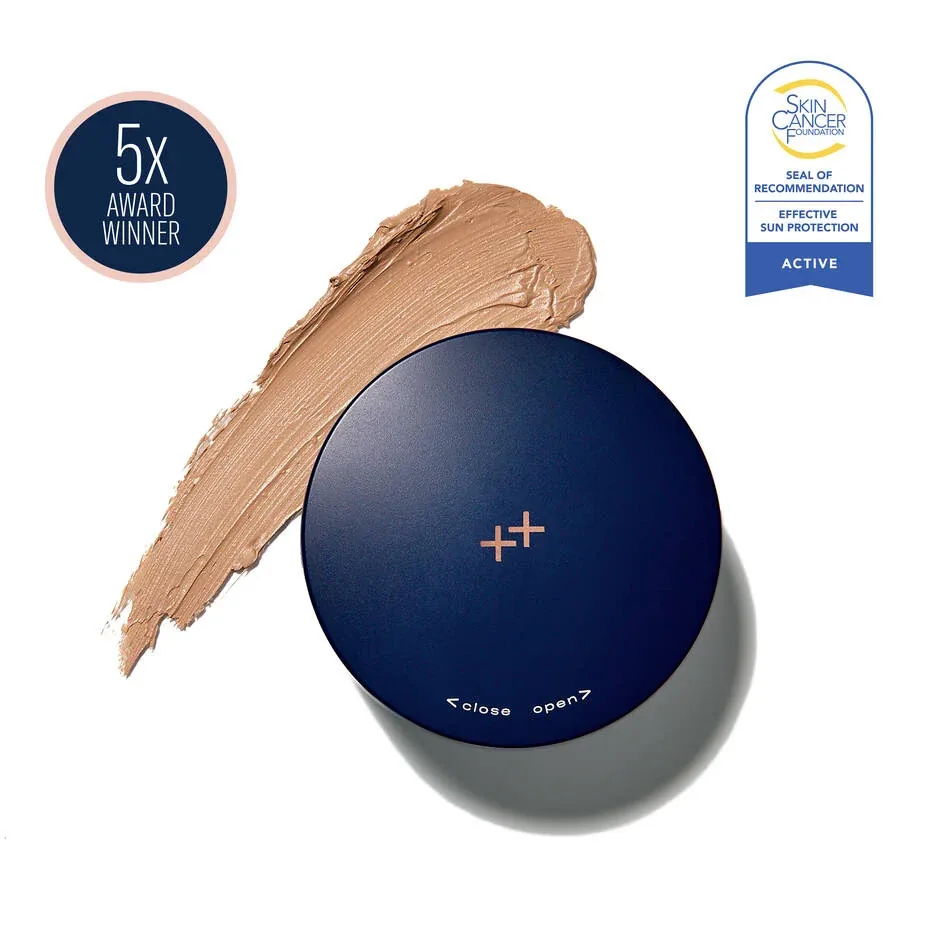 Melasma-Grade Mineral Sunscreen
 sunbetter TONE SMART SPF 68
One of the most clinically useful tinted mineral sunscreens in the professional category. SPF 68 from a 100% mineral formula, iron oxide tint that blocks visible light for melasma protection, and an unusually lightweight texture that doesn't feel like you're wearing high-concentration zinc. For patients with melasma or post-inflammatory hyperpigmentation, this is the category benchmark — and it's earned its Allure Best of Beauty wins.
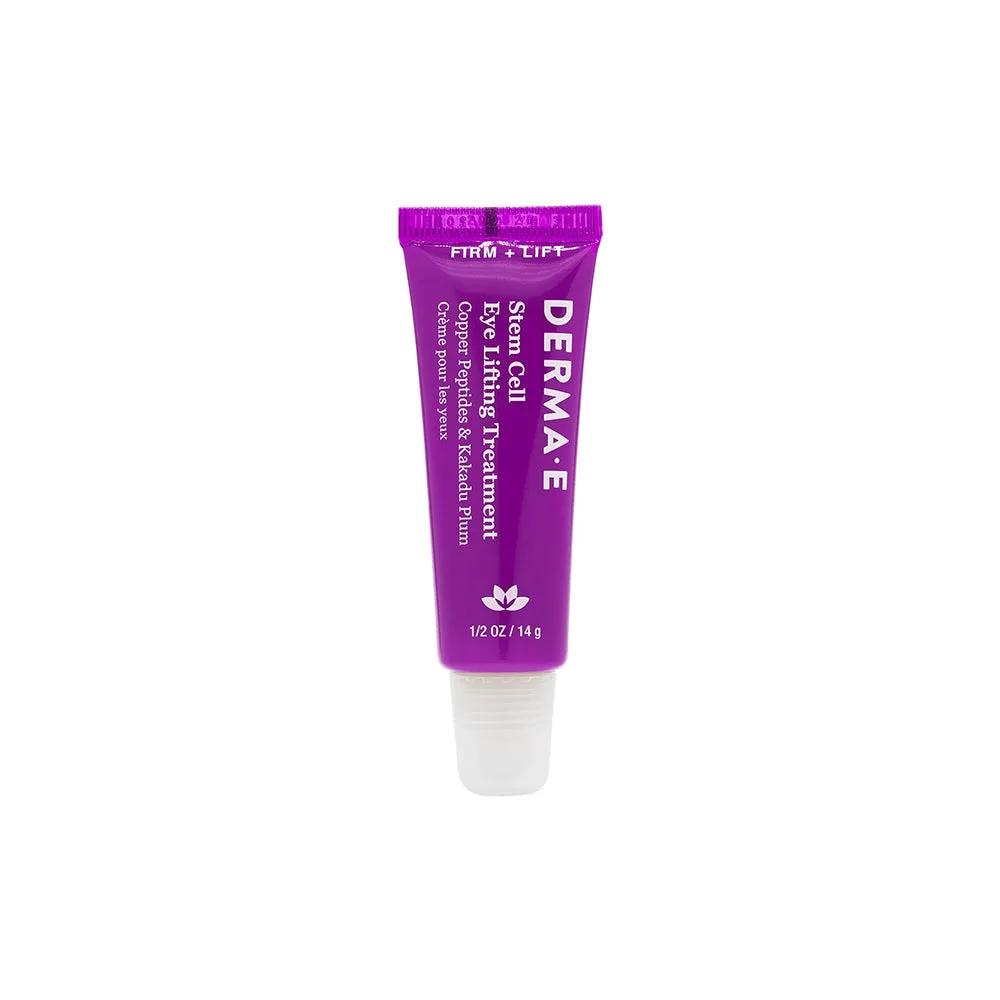 Budget Holy Grail
 Firming DMAE Eye Lift Cream
A genuinely well-formulated multi-active eye cream at a price that undercuts most of the dermatologist-developed competition by a factor of three. DMAE, high-position niacinamide, two validated peptides, caffeine, and alpha-lipoic acid in a fragrance-free base — the ingredient density is almost unreasonable for the cost. Holds up extremely well against much more expensive eye creams for daily under-eye use.
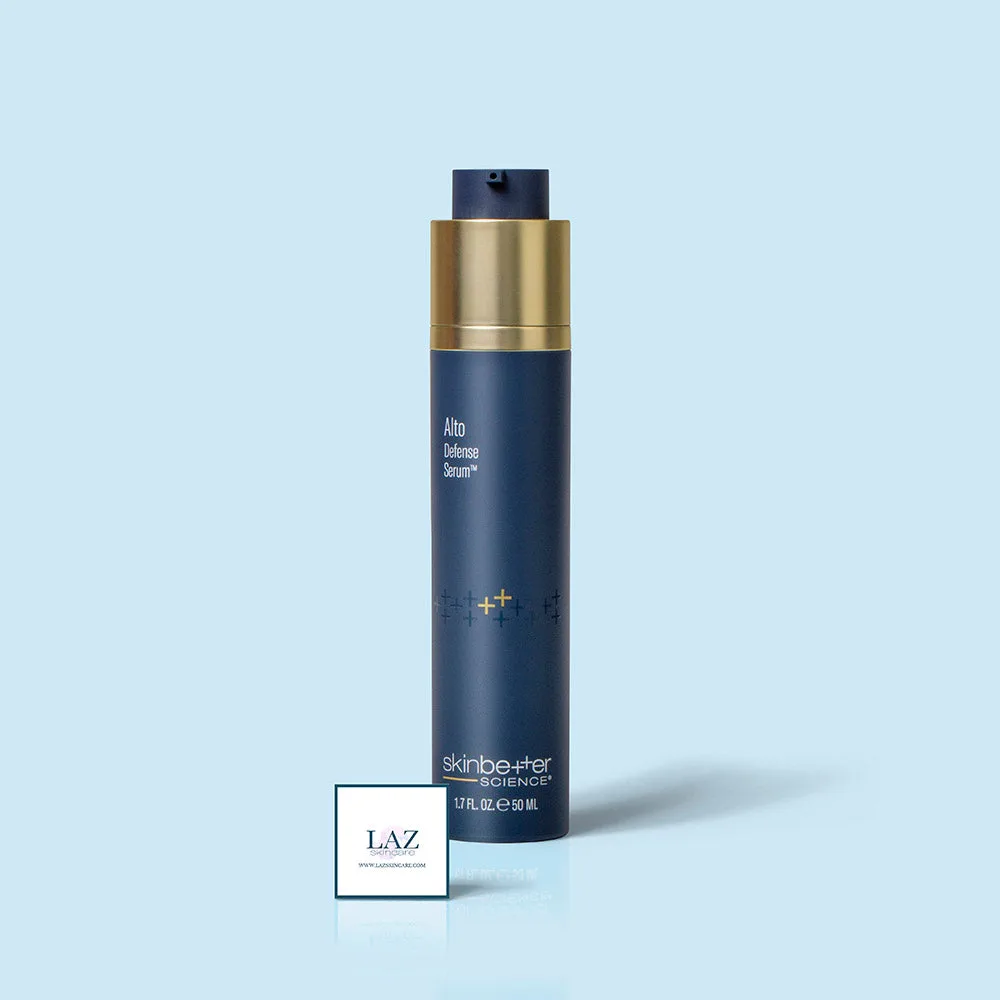 Derm Office Antioxidant Bestseller
 Alto Defense Serum
SkinBetter Science's first major hit and still its most dermatologist-recommended morning step. A multi-antioxidant serum built around a stable vitamin C derivative with unusual additions — ergothioneine and silybin — that push it past the standard C+E+ferulic template. Elegant, well-tolerated, and pricey enough that you'll only find it in a derm's office.
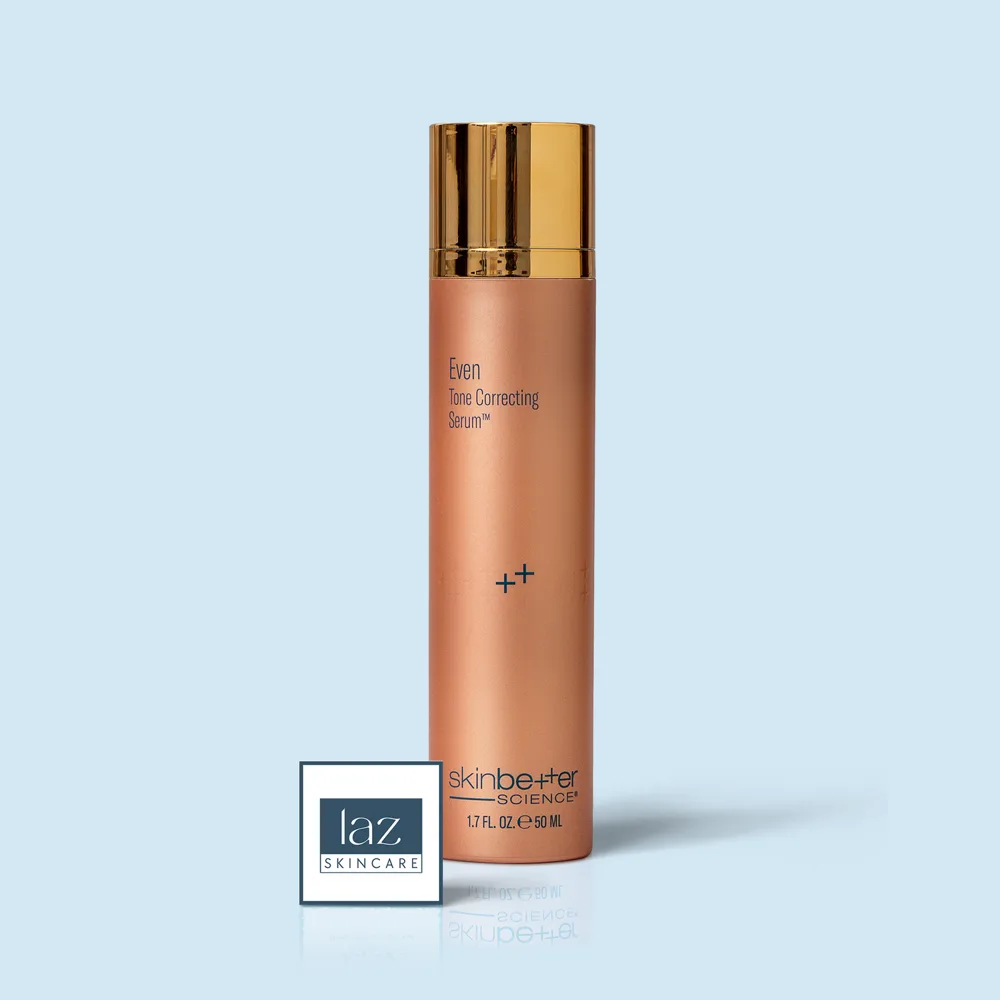 Hydroquinone-Free Pigment Staple
 Even Tone Correcting Serum
A seriously considered alternative to prescription hydroquinone, targeting pigmentation through three different biological pathways in a single serum. Elegant texture, genuine efficacy on stubborn melasma and post-inflammatory marks, and dermatologist-dispensed credibility. The $160 price tag and 30ml size are the main friction points.
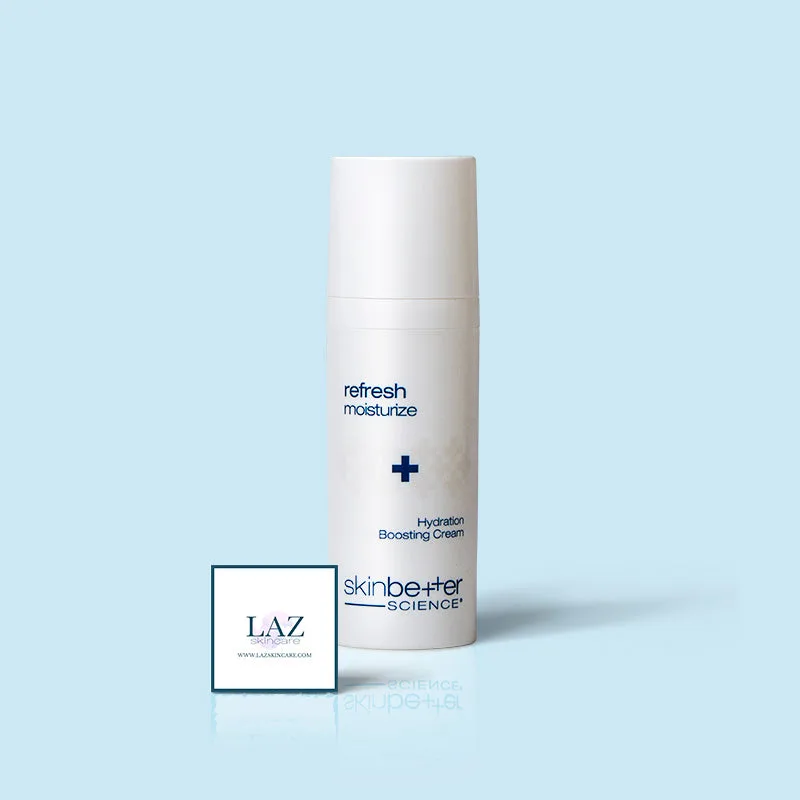 Derm Office Barrier Repair Staple
 Hydration Boosting Cream
One of the few physician-dispensed daily moisturizers that actually delivers a physiologically-correct ceramide-cholesterol lipid ratio — the thing most 'ceramide creams' quietly skip. Exceptional tolerability, layers cleanly under any routine, and genuinely rebuilds a compromised barrier. At $110 for 50ml it's priced at the upper end of its category, and there's no larger size for long-term users.
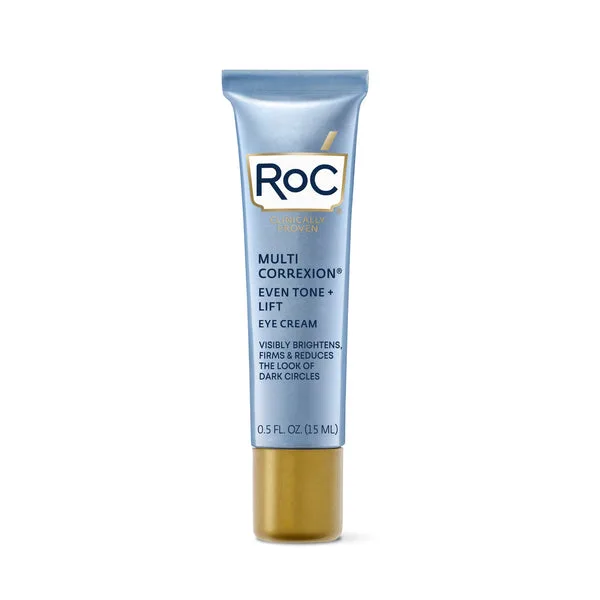 Drugstore Dark Circle Fighter
 Multi Correxion Even Tone + Lift 5 in 1 Eye Cream
A triple-pathway brightening eye cream that punches well above its drugstore weight class. Hexylresorcinol, niacinamide, and vitamin C attack dark circles from three angles simultaneously — at a price that makes twice-daily use feel like common sense rather than luxury.