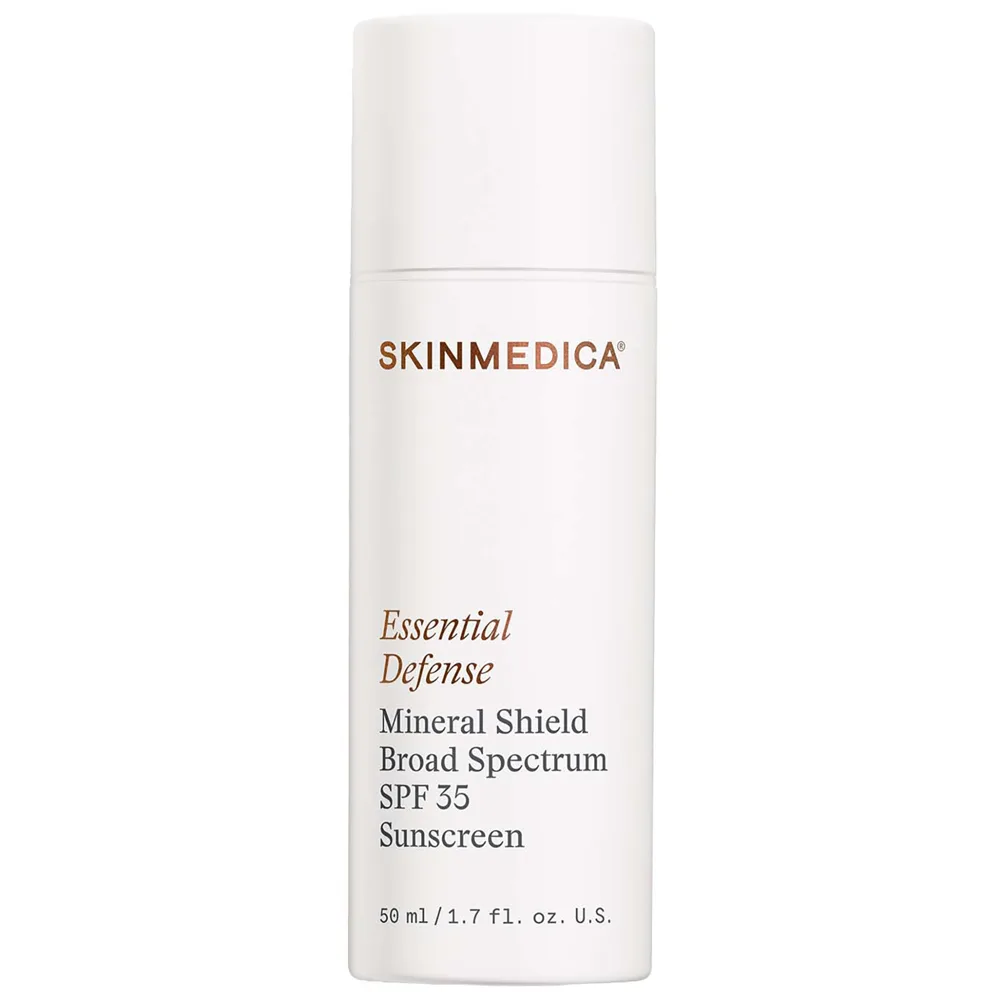
A dermatology-office mineral sunscreen that actually wears like a modern cosmetic product. Zinc oxide and titanium dioxide provide broad-spectrum protection, iron oxides add visible light defense relevant to melasma and hyperpigmentation, and the silicone base layers under makeup without pilling. The price is steep and deeper skin tones will see some cast, but within its target use case it's one of the better mineral options in the professional tier.
Essential Defense Mineral Shield SPF 35
A dermatology-office mineral sunscreen that actually wears like a modern cosmetic product. Zinc oxide and titanium dioxide provide broad-spectrum protection, iron oxides add visible light defense relevant to melasma and hyperpigmentation, and the silicone base layers under makeup without pilling. The price is steep and deeper skin tones will see some cast, but within its target use case it's one of the better mineral options in the professional tier.
Score Breakdown
Where this product gains points and where it loses them — broken down across the four scoring pillars.
A reliable 100% mineral broad-spectrum sunscreen with iron oxides for visible light protection and a silicone-forward base that layers well under makeup. The price is firmly in professional territory and the tube is small, but the formula itself is well-executed for reactive and pigment-prone skin.
Pros & Cons
- ✓100% mineral filters with 16% total active concentration
- ✓Iron oxides provide meaningful visible light protection
- ✓Silicone-forward base layers cleanly under makeup
- ✓Minimal white cast on lighter and medium skin tones
- ✓Fragrance-free and gentle on post-procedure skin
- ✓Semi-matte primer-like finish loved by combination skin
- ✓Fits seamlessly into professional skincare routines
- ✗Expensive at $40 for 75 grams
- ✗Visible cast on deeper skin tones
- ✗Silicone finish not universally preferred
- ✗Small tube size for daily full-face application
Full Review
Mineral sunscreen has always come with a compromise. If you wanted genuinely reliable broad-spectrum protection from zinc oxide, you had to accept a white cast, a greasy finish, and a tendency to pill under makeup. If you wanted something that wore like a cosmetic, you had to settle for low mineral concentrations that hoped a silicone base would do most of the lifting. For about two decades, the two halves of that trade-off were hard to get in one tube, and the dermatology-office shelves were full of mineral sunscreens that patients bought once and never repurchased because they hated the experience of wearing them. Somewhere along the way, formulations started catching up to the job. SkinMedica's Essential Defense Mineral Shield is one of the products that benefits from that catch-up. The active filter system is properly loaded — zinc oxide at 9%, titanium dioxide at 7%, totaling 16% mineral filters, which is more than enough to deliver the SPF 35 rating with real broad-spectrum performance rather than the marginal protection some mineral products offer at lower concentrations. The inactive base is where the formulation work shows. Cyclopentasiloxane, isododecane, dimethicone, and C12-15 alkyl benzoate sit high in the ingredient list, giving the lotion a silicone-forward character that spreads easily, sets quickly, and doesn't pool in fine lines or around the sides of the nose the way older mineral sunscreens did. The silicone finish is semi-matte and primer-like, which the large majority of users report makes it one of their favorite mineral sunscreens to wear under makeup. The more interesting formulation choice, though, is the iron oxide inclusion. Iron oxides are routinely listed as colorants on sunscreen labels, and it's easy to skim past them as a cosmetic detail. But clinical research over the past decade has established that high-energy visible light — the blue end of the visible spectrum — contributes meaningfully to the worsening of melasma and post-inflammatory hyperpigmentation, and that iron oxides in sunscreen provide measurable protection against those wavelengths where zinc and titanium alone do not. The inclusion of iron oxides in this formula is therefore not just about delivering a neutral tint; it's a functional photoprotection choice that makes the sunscreen meaningfully more useful for anyone dealing with pigment concerns. This matters because many patients who end up in a dermatology office for TNS Advanced+ or Lytera are precisely the patients who need visible light coverage. The brand picking this sunscreen as the photoprotection companion to those treatments is not an accident. On skin, the sunscreen behaves exactly the way a modern cosmetic mineral sunscreen should. It glides on sheer, sets within a minute or two, and leaves a finish that most users describe as matte-but-not-dry. Lighter skin tones see minimal white cast. Medium tones see a modest cast that generally blends out with a little rubbing. Deep skin tones will see visible residue — that's an honest limitation of any 16% mineral formulation, not a brand failure — and users with deeper skin tones are better served by the tinted SkinMedica offering or by alternative brands that focus specifically on mineral sunscreen for darker skin. The silicone finish is beloved by some and disliked by others. If you like Korean BB cream textures and silicone primers, you'll like this. If you prefer the watery, dewy feel of hybrid chemical-mineral sunscreens, this will feel more like a primer than your ideal sunscreen. Durability and wear through the day is good. The sunscreen resists pilling under foundation better than most mineral options, and reapplication throughout the day is manageable with a careful press-and-pat technique over makeup. The honest frustrations with this product are mostly commercial. At forty dollars for 75 grams, you're paying dermatology-office pricing for a mineral sunscreen that isn't meaningfully better in absolute protection terms than thirty-dollar alternatives. Most of the value is in the wearability and the iron oxide inclusion, which are real but perhaps not forty-dollars real for budget-conscious buyers. And 75 grams is not a lot of sunscreen — if you're applying the full recommended amount daily, you're going to finish the tube in two to three months. For professional skincare users who are already in the SkinMedica ecosystem, the price is easy to justify and the wearability under makeup is a genuine win. For shoppers comparing sunscreens on a cost-per-gram basis, there are cheaper options that do the basic job adequately. Within its lane, though, this is a well-engineered mineral sunscreen with a meaningful visible light feature, and it's one of the more reliable picks in the dermatology-office photoprotection category.
Formula
Key Ingredients
The hero actives that drive this product's performance.
| Ingredient | Function | Evidence |
|---|---|---|
| Zinc Oxide (9%) | The primary UV filter in this formula, delivering broad-spectrum protection across both UVA and UVB. At 9% paired with titanium dioxide, it provides the full-spectrum mineral protection that sensitive and post-procedure skin needs without the chemical filters that can sting reactive faces. | well-established |
| Titanium Dioxide (7%) | Works alongside the zinc oxide to boost UVB protection specifically, contributing to the SPF 35 rating. The combination of the two minerals at these concentrations is what gives this sunscreen its dermatology-office positioning as a reliable daily mineral shield. | well-established |
| Iron Oxides | Present in a small amount to provide tinted protection against visible light — specifically the high-energy visible light wavelengths implicated in melasma and post-inflammatory hyperpigmentation. A meaningful inclusion for a mineral sunscreen marketed to post-procedure and pigment-prone skin. | well-established |
| Tocopheryl Acetate (Vitamin E) | Adds a small antioxidant layer that complements the physical UV shield by helping neutralize oxidative stress from residual photon exposure. Standard but appropriate inclusion in a mineral sunscreen. | well-established |
Full INCI List
Active: Zinc Oxide 9%, Titanium Dioxide 7%. Inactive: Water, Cyclopentasiloxane, Isododecane, C12-15 Alkyl Benzoate, Dimethicone, Butyloctyl Salicylate, Cetyl PEG/PPG-10/1 Dimethicone, Polyhydroxystearic Acid, Isohexadecane, Sorbitan Sesquioleate, Glycerin, Silica, Phenoxyethanol, Disteardimonium Hectorite, Tocopheryl Acetate, Disodium EDTA, Triethoxycaprylylsilane, Propylene Carbonate, Iron Oxides
Product Flags
✓ Fragrance Free✓ Alcohol Free✓ Oil Free✗ Silicone Free✓ Paraben Free✓ Sulfate Free✗ Cruelty Free✗ Vegan✓ Fungal Acne Safe
Compatibility
Skin Match
Best For
sensitive dry normal combination
Works For
Not Ideal For
Addresses These Conditions
sensitivity post procedure hyperpigmentation melasma rosacea
Routine Step
sunscreen
Time of Day
AM
Pregnancy Safe
Yes ✓
Layering Tips
Apply as the final step of a morning routine, after moisturizer. Use a generous amount — about a quarter teaspoon for face alone — and allow 1-2 minutes for the silicones to set before applying makeup. Reapply every 2 hours during sun exposure.
Results Timeline
Immediate UV protection on first application. With consistent daily use, expect reduced post-inflammatory hyperpigmentation progression and decreased melasma worsening over 6-12 weeks.
Pairs Well With
tns-advanced-serumlytera-2-0retinol-complex
Sample AM Routine
- Gentle cleanser
- Vitamin C serum
- Moisturizer
- SkinMedica Essential Defense Mineral Shield SPF 35
Sample PM Routine
- Gentle cleanser
- Treatment serum
- Moisturizer
Evidence
Who Should Skip
- Expensive at $40 for 75 grams
- Visible cast on deeper skin tones
- Silicone finish not universally preferred
- Small tube size for daily full-face application
Science & Expert Perspective
The Science
The active filter system in this sunscreen reflects a standard modern mineral approach: 9% zinc oxide and 7% titanium dioxide, totaling 16% mineral filters. Zinc oxide is broad-spectrum across UVA and UVB, with particularly strong UVA1 coverage that chemical filters often under-deliver on. Titanium dioxide contributes UVB protection and helps boost the SPF value efficiently. Together, these two filters are supported by decades of photoprotection research and represent one of the most reliable mineral UV defense combinations available. The more recent formulation story, however, is about iron oxides. Research published over the past decade has established that high-energy visible light — primarily in the 400-450 nm blue range — contributes to hyperpigmentation pathways and is implicated in the worsening of melasma, particularly in darker skin types. Iron oxides, used at cosmetic-tinting concentrations, provide measurable absorption of these wavelengths and have been shown in clinical studies to reduce melasma recurrence when combined with conventional UV filters. Their inclusion in this formula is therefore not ornamental — it's a functional photoprotection decision. The silicone-heavy base is also scientifically relevant: dimethicone and cyclopentasiloxane-based vehicles have been studied for their role in creating uniform film formation on skin, which is the actual mechanism by which sunscreen labeled SPF values are achieved in practice. A mineral sunscreen is only as protective as the film it forms, and a silicone base helps maintain that film integrity through normal wear.
Dermatologist Perspective
Dermatologists frequently recommend this sunscreen for patients recovering from chemical peels, lasers, microneedling, and other in-office procedures, where mineral-only filters are typically preferred to avoid stinging or irritating compromised skin. Board-certified dermatologists note that the iron oxide inclusion makes this sunscreen a meaningful choice for patients with melasma, post-inflammatory hyperpigmentation, and Fitzpatrick skin types III-V who are most vulnerable to visible light pigmentation. It is commonly stocked in dermatology and plastic surgery offices as the photoprotection companion to growth factor serums and pigmentation treatments. Dermatology advice typically stresses generous application and proper reapplication as essential to achieving the labeled SPF value.
Guidance
Usage Guide
How to Use
Apply as the final step of a morning routine, after moisturizer. Use approximately a quarter teaspoon — about two finger-lengths — for the face alone, more for neck and chest. Spread evenly and pat into skin, allowing 1-2 minutes for the silicone base to set before applying makeup. Reapply every 2 hours during direct sun exposure, and after swimming or heavy sweating. For post-procedure skin, apply gently without excessive rubbing. Safe for daily year-round use.
Value Assessment
At forty dollars for 75 grams, this sunscreen is priced firmly in professional skincare territory, roughly twice the cost of comparable drugstore mineral sunscreens and in line with other dermatology-office SPF options. What you're paying for is the silicone-forward wearability, the iron oxide visible light feature, and the consistency of being in the SkinMedica ecosystem. For users who are already buying other SkinMedica products, the price fits naturally into the routine. For shoppers prioritizing cost-per-gram, cheaper mineral sunscreens from brands like EltaMD, La Roche-Posay, or Blue Lizard deliver comparable basic photoprotection at lower prices, though without the specific iron oxide advantage.
Who Should Buy
Sensitive and post-procedure skin types needing mineral-only protection, people with melasma or pigmentation concerns who benefit from iron oxide visible light defense, makeup wearers who want a sunscreen that doubles as a primer base, and existing SkinMedica users looking for an ecosystem-matched SPF.
Who Should Skip
Users with deep skin tones who prioritize zero white cast, budget-conscious shoppers who can get adequate basic mineral protection at lower price points, and anyone who dislikes silicone-forward textures in skincare.
Ready to try SkinMedica Essential Defense Mineral Shield SPF 35?
Details
Details
Texture
Lightweight silicone-forward lotion that glides on and sets to a smooth, semi-matte finish
Scent
Completely fragrance-free
Packaging
White plastic tube with flip cap
Finish
satinmattenon-greasy
What to Expect on First Use
First application feels like a sheer silicone primer more than a sunscreen. It glides easily, sets quickly, and leaves a smooth semi-matte finish that most users find primer-like under makeup. Lighter skin tones typically see minimal white cast; medium-to-deep tones will notice some visible mineral residue. No stinging, no adjustment period.
How Long It Lasts
2-3 months with twice-daily face application and appropriate reapplication
Period After Opening
12 months
Best Season
All Year
Background
The Why
Developed to fit into SkinMedica's professional-office protocol lineup as the mineral daytime protection step that sits after their growth factor and retinoid treatments. Dermatology and plastic surgery offices that stock TNS Advanced+ typically also stock this as the photoprotection companion.
About SkinMedica Legacy Brand (20+ years)
SkinMedica was founded in 1999 and is part of Allergan Aesthetics, with deep distribution through dermatology and plastic surgery offices. The brand's TNS Advanced+ Serum is one of the most clinically referenced growth factor products in professional skincare.
Brand founded: 1999
Myth vs. Reality
Myths & Misconceptions
Myth
Mineral sunscreens always leave a white cast
Reality
Modern mineral formulations like this one use non-nano particles in a silicone base that significantly reduces visible white cast on lighter and medium skin tones. Deep skin tones will still see some residue — that's a real limitation — but the casting is much less dramatic than older mineral sunscreens.
Myth
Iron oxides in sunscreen are just for tinting
Reality
Iron oxides provide genuine protection against high-energy visible light, which has been shown to worsen melasma and post-inflammatory hyperpigmentation. Their inclusion here is a functional photoprotection choice, not just a cosmetic tint.
FAQ
Frequently Asked Questions
Is this a 100% mineral sunscreen?
Yes — the only UV filters are zinc oxide at 9% and titanium dioxide at 7%. There are no chemical filters, making it suitable for reactive skin, post-procedure use, and anyone who prefers mineral-only protection.
Does it leave a white cast?
On lighter and medium skin tones, the white cast is minimal thanks to the silicone-forward base and non-nano mineral particles. Deep skin tones will see some visible residue — this is an honest limitation of 16% combined mineral filters, regardless of brand.
Can I use it after a chemical peel or laser?
Yes — this is exactly the use case it was designed for. Mineral sunscreens are typically preferred over chemical filters immediately post-procedure because they don't sting compromised skin, and the fragrance-free silicone base is well-tolerated on freshly treated faces.
Does the iron oxide content protect against melasma?
The iron oxide inclusion provides meaningful protection against high-energy visible light, which clinical research has shown can worsen melasma and post-inflammatory hyperpigmentation. It's a meaningful formulation choice for pigment-prone users.
Is it good for acne-prone skin?
Yes — it's oil-free, fragrance-free, and non-comedogenic. The silicone base sits cleanly on skin without clogging pores, and the mineral-only filter system avoids the stinging that some chemical sunscreens cause on breakout skin.
Can I wear makeup over it?
Yes — it sets to a smooth, semi-matte finish that functions almost like a makeup primer. Allow 1-2 minutes after application before layering foundation. Most users report excellent makeup wear over this sunscreen.
How much should I apply?
Use approximately a quarter teaspoon for the face alone, or about two finger-lengths of product. Under-application is the single biggest cause of lower-than-labeled SPF protection, so be generous.
Community
Community Voices
Common Praise
"No white cast on lighter skin tones"
"Doesn't sting reactive skin"
"Layers well under makeup"
"Fragrance-free and non-irritating"
Common Complaints
"Expensive for a mineral sunscreen"
"Small 75g tube"
"Visible cast on deeper skin tones"
"Silicone finish not universally loved"
Notable Endorsements
Stocked in dermatology and plastic surgery officesFrequently recommended for post-procedure sun protection
Appears In
best mineral sunscreen for sensitivity best sunscreen for post procedure best sunscreen for melasma best mineral sunscreen for acne
Related Conditions
sensitivity post procedure hyperpigmentation melasma
Related Ingredients
You Might Also Like
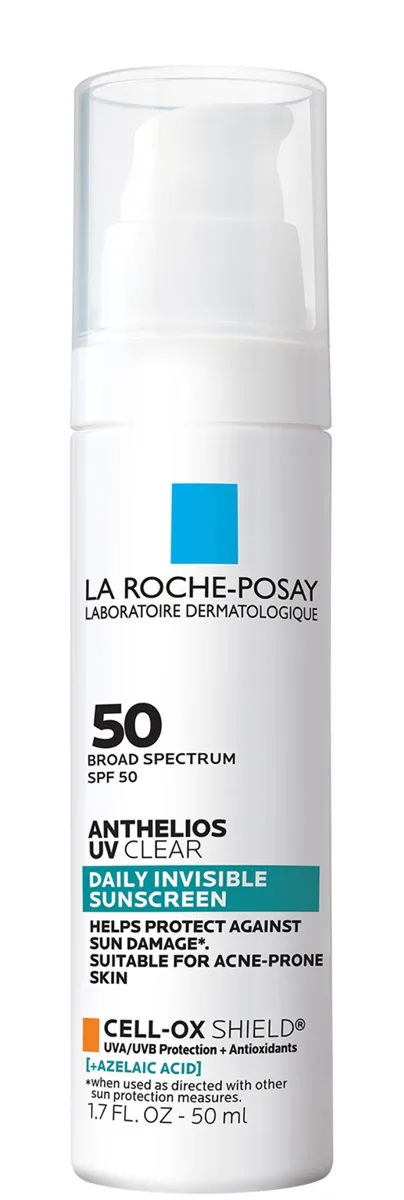 Derm Office Staple
 Anthelios UV Clear Sunscreen SPF 50
One of the only US chemical sunscreens that genuinely earns its 'for sensitive and breakout-prone skin' positioning. A photostable Anthelios filter system paired with a legitimate azelaic acid dose in a lightweight serum-fluid that disappears on every skin tone. Excellent for rosacea, acne, and post-inflammatory hyperpigmentation — and probably the single best daily sunscreen in the La Roche-Posay US lineup for those conditions.
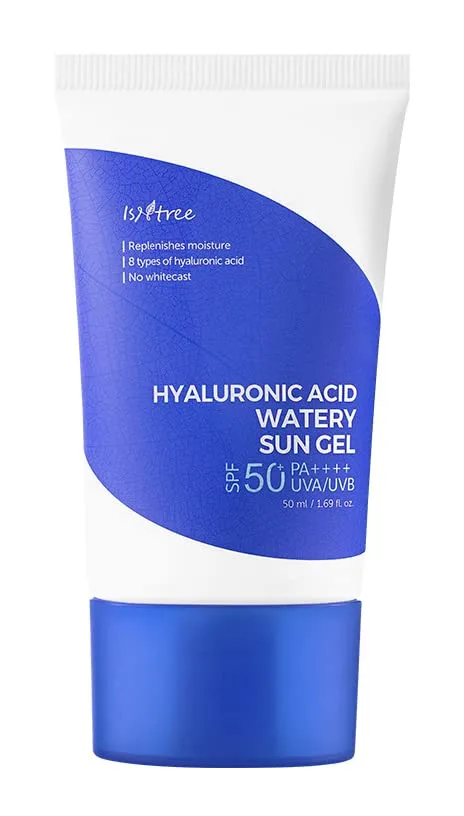 K-Beauty Daily SPF Standout
 Hyaluronic Acid Watery Sun Gel SPF 50+
One of the strongest everyday K-beauty sunscreens in the international market — modern European filters, no white cast, fragrance-free, niacinamide-boosted, and built around the brand's signature six-weight HA complex. At twenty-two dollars for 50ml, it's a case study in how much better a daily sunscreen can be when the formulator cares about both protection and wearability.
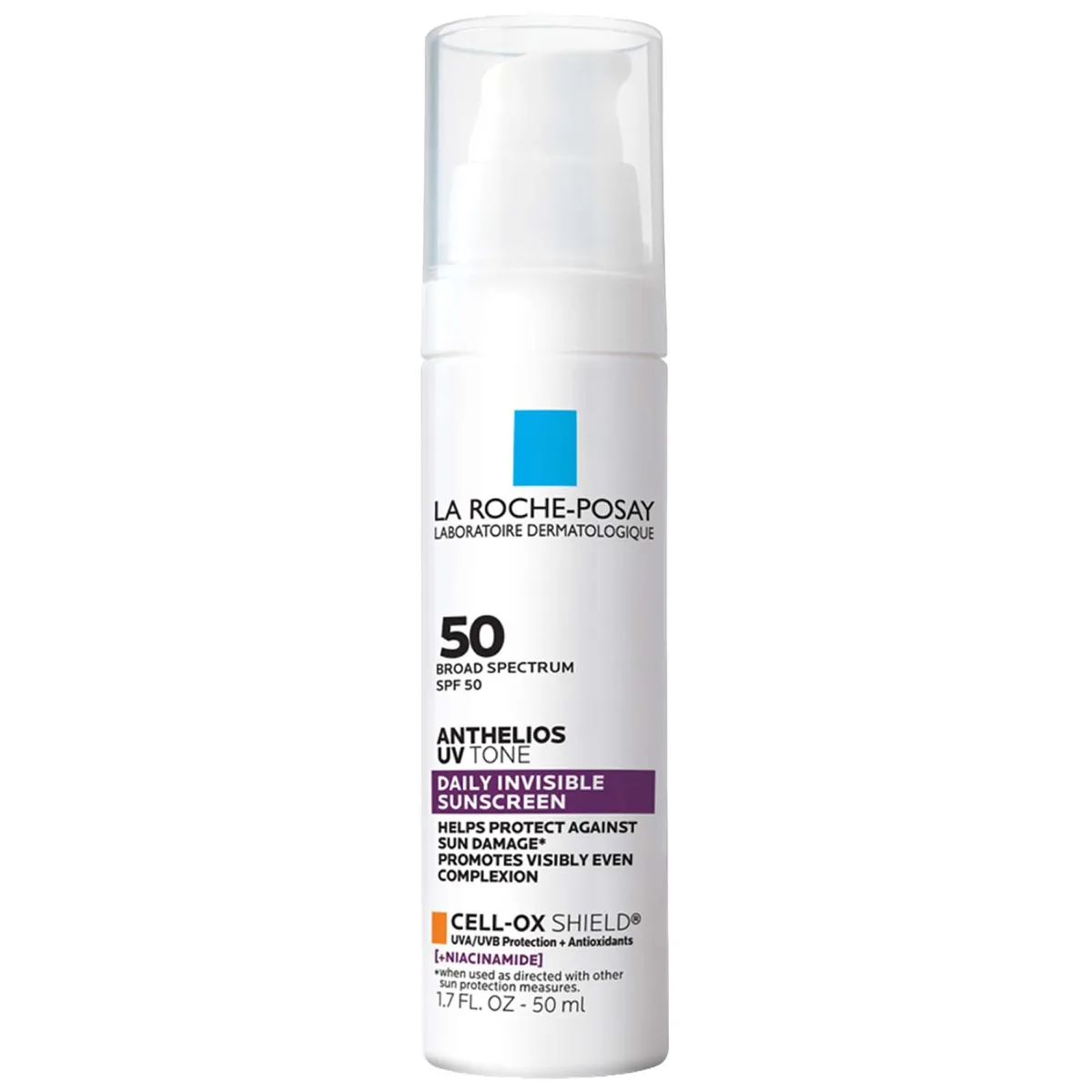 Derm Office Staple
 Anthelios UV Tone Daily Invisible Sunscreen SPF 50
La Roche-Posay's most thoughtful answer yet for hyperpigmentation-prone skin that needs daily SPF. A photostable avobenzone system reinforced with Oxynex ST, paired with a meaningful dose of niacinamide, in a serum-fluid base that goes on invisible on every skin tone. Expensive for 1.7 oz but legitimately well-built — and a rare chemical sunscreen that earns its 'for dark spots' marketing.
 Melasma-Grade Mineral Sunscreen
 sunbetter TONE SMART SPF 68
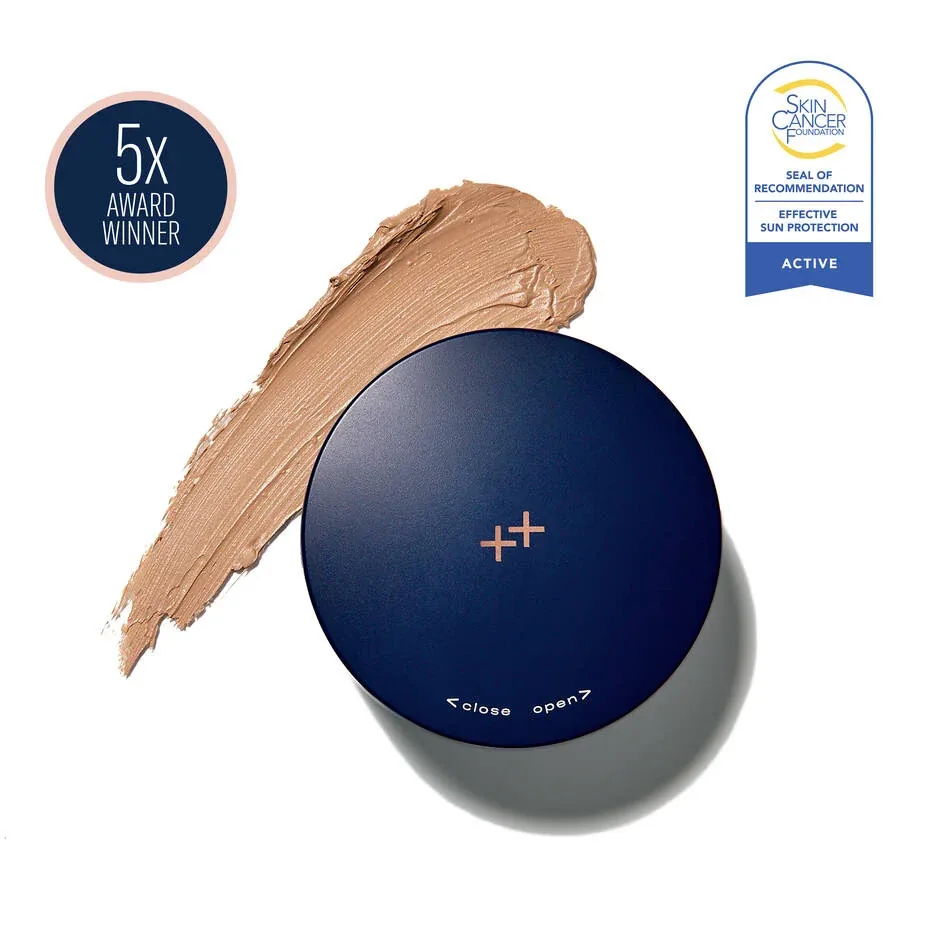
One of the most clinically useful tinted mineral sunscreens in the professional category. SPF 68 from a 100% mineral formula, iron oxide tint that blocks visible light for melasma protection, and an unusually lightweight texture that doesn't feel like you're wearing high-concentration zinc. For patients with melasma or post-inflammatory hyperpigmentation, this is the category benchmark — and it's earned its Allure Best of Beauty wins.
 K-Beauty Cult Favorite
 Birch Juice Moisturizing Sun Cream SPF 50+
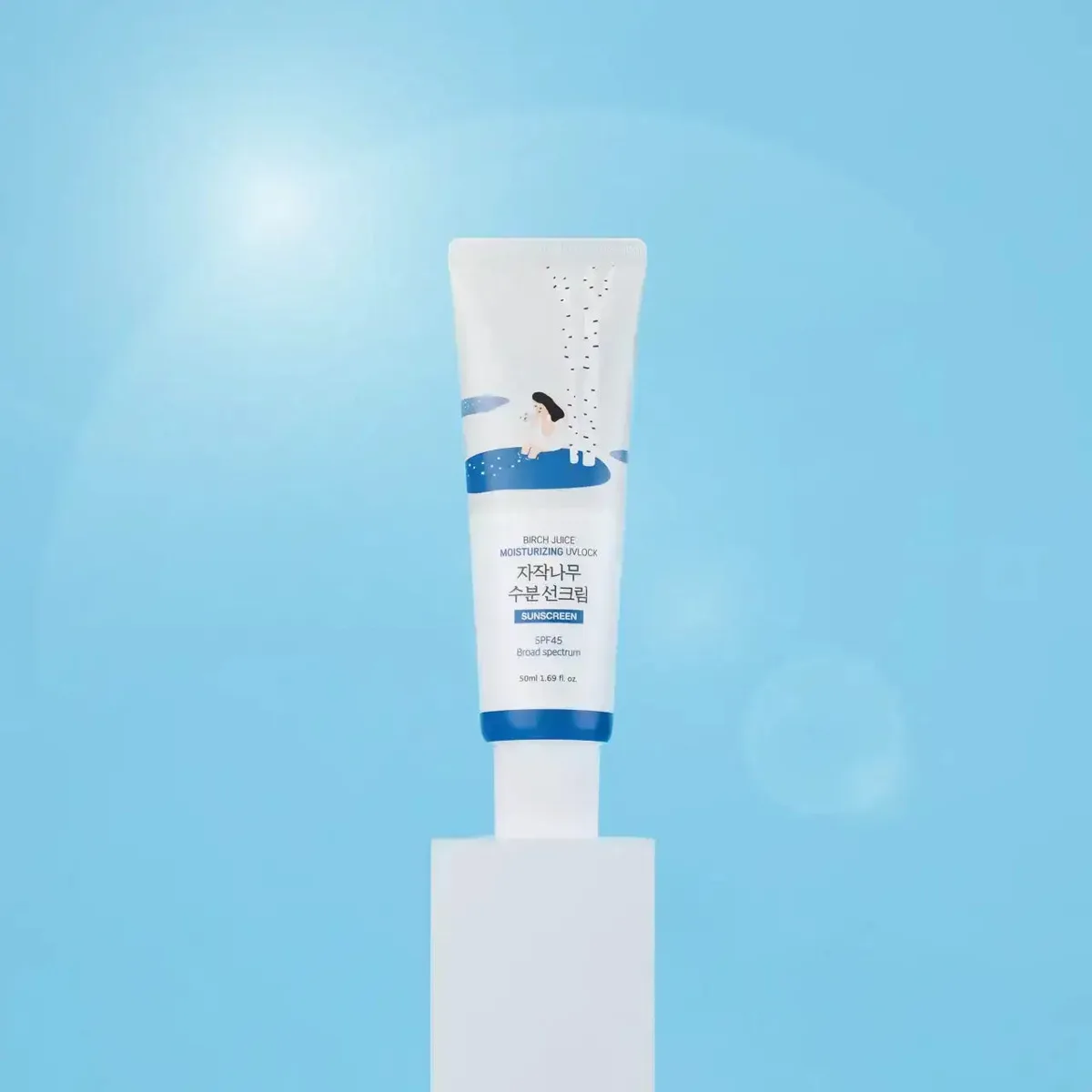
One of the best hybrid sunscreens in K-beauty right now — a 70% birch sap base, modern UVA filters you can't get in the US, and a finish that wears like a lightweight moisturizer. Broadly compatible, well-priced, and genuinely pleasant to apply, with minor tradeoffs for oily and fungal-acne-prone users.
 The K-Beauty Sunscreen That Changed Everything
 Relief Sun: Rice + Probiotics SPF 50+
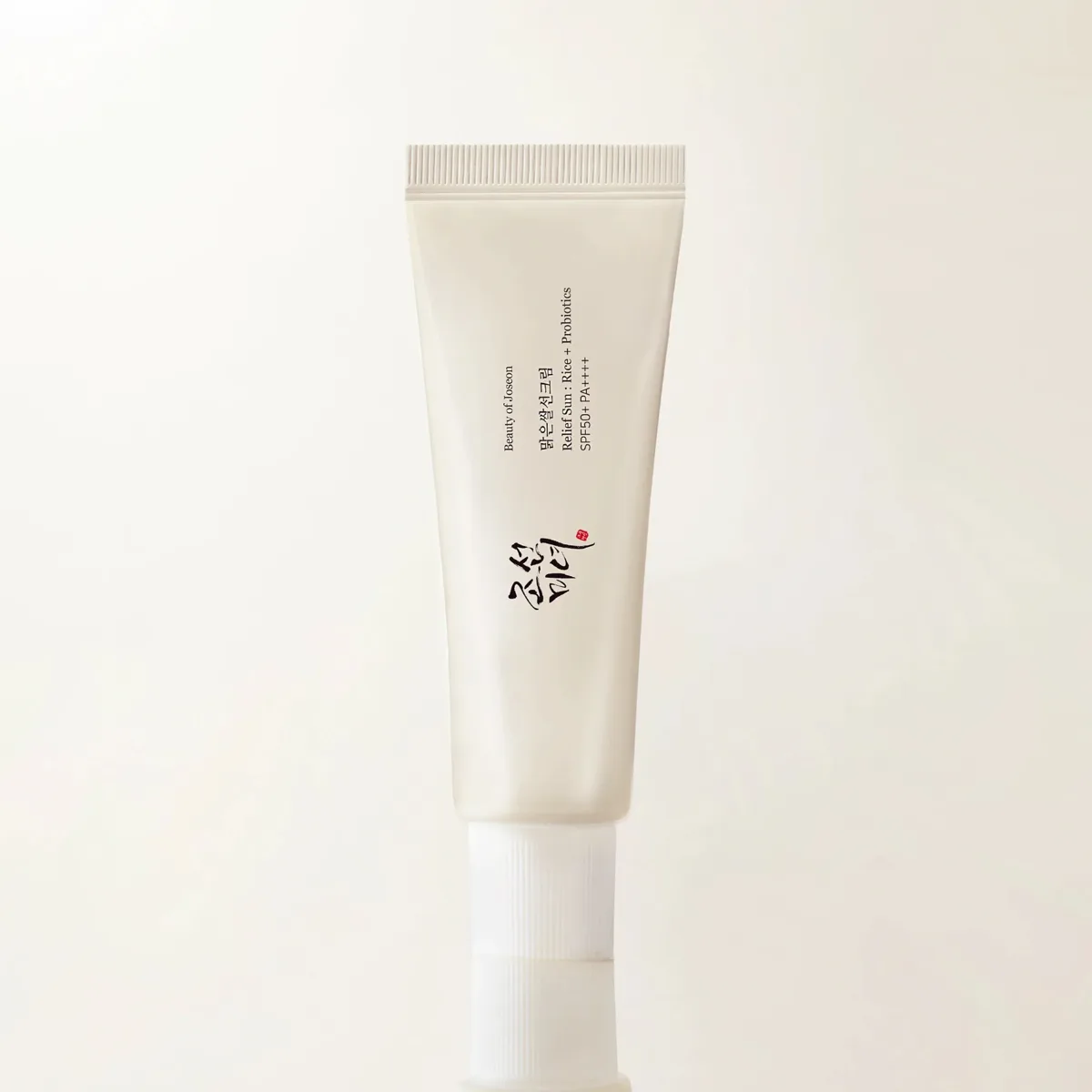
The sunscreen that rewrote the rules for what a $14 product could deliver. With independently verified SPF 50+, 30% rice extract, niacinamide, and a probiotic ferment complex, it offers protection and skincare benefits that rival products three times its price. The texture that feels like wearing nothing on your face is the reason it went viral — and stayed there.
This review reflects our independent analysis of publicly available ingredient data, manufacturer claims, and verified user reviews. We are reader-supported — Amazon links may earn us a commission at no cost to you. We do not accept paid placements; rankings are based solely on the evidence.