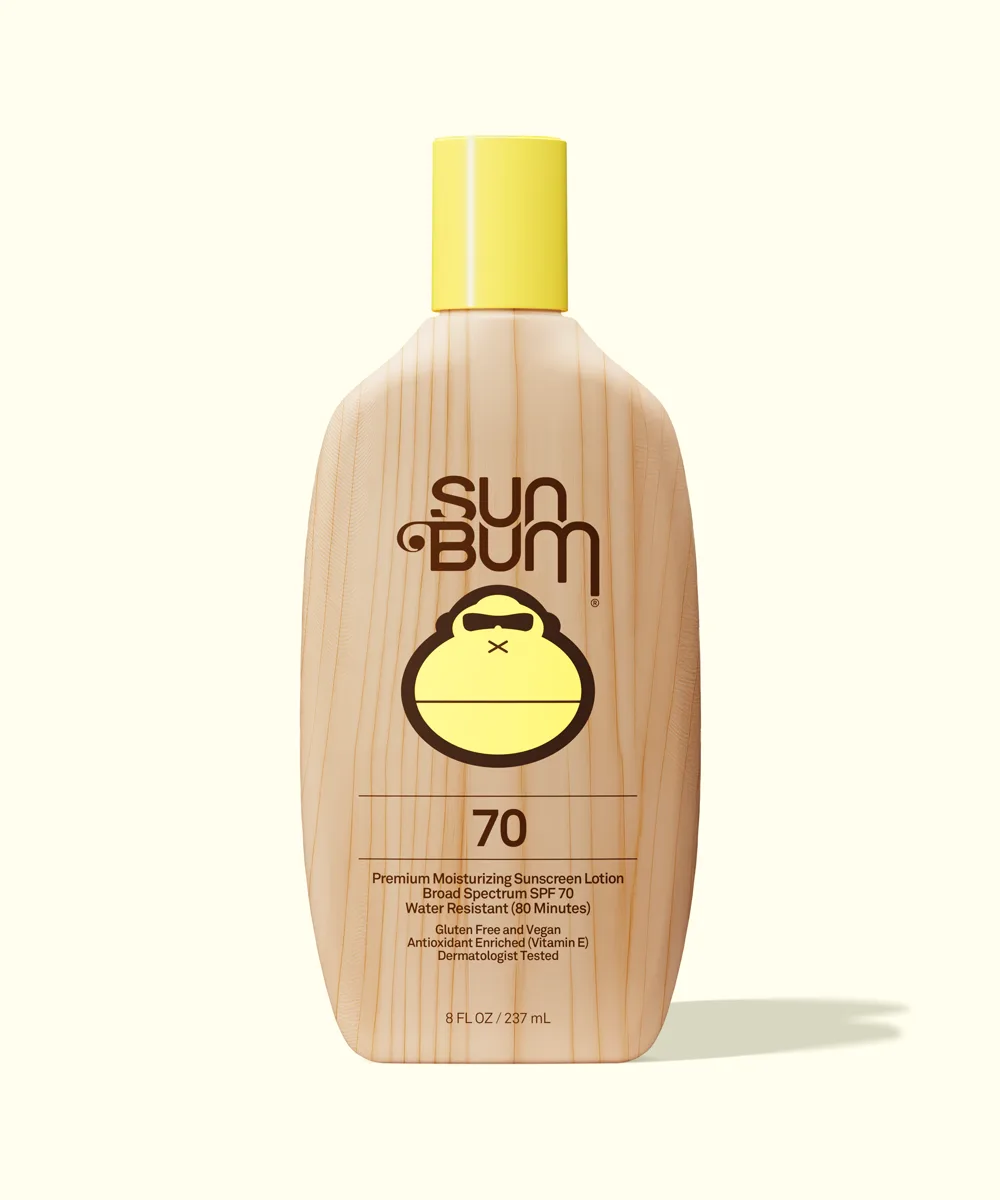
Sun Bum's highest-SPF body lotion pushes Homosalate to its FDA maximum to achieve a number that's more psychologically reassuring than practically superior to SPF 50. The pleasant tropical formula and fair pricing make it a solid beach sunscreen, but the elevated filter concentrations and fragrance limit who should actually reach for it.
Original SPF 70 Sunscreen Lotion
Sun Bum's highest-SPF body lotion pushes Homosalate to its FDA maximum to achieve a number that's more psychologically reassuring than practically superior to SPF 50. The pleasant tropical formula and fair pricing make it a solid beach sunscreen, but the elevated filter concentrations and fragrance limit who should actually reach for it.
Score Breakdown
Where this product gains points and where it loses them — broken down across the four scoring pillars.
A high-SPF body sunscreen with strong UV protection at a competitive price, but the maximum-concentration Homosalate (which exceeds EU recommendations), fragrance, and the diminishing returns of SPF above 50 raise questions about whether the extra protection is worth the additional irritation potential.
Pros & Cons
- ✓Higher SPF provides a real-world buffer for the majority of people who under-apply sunscreen
- ✓Only about $1 more than the SPF 50 for meaningful additional protection margin
- ✓Contains Dipotassium Glycyrrhizate to help soothe skin under the higher UV filter load
- ✓Pleasant tropical coconut-banana scent consistent with the Sun Bum brand identity
- ✓80-minute water resistance for swimming and active outdoor use
- ✓Multiple size options including a TSA-friendly 3 oz travel size
- ✓Vegan and cruelty-free certified by both PETA and Leaping Bunny
- ✗Homosalate at 15% exceeds the EU SCCS recommended maximum of 7.34% by more than double
- ✗Slightly thicker texture than the SPF 50 version takes longer to absorb
- ✗Contains fragrance that limits suitability for sensitive and reactive skin
- ✗Cetyl Palmitate in the base is potentially comedogenic for acne-prone users
- ✗Real-world SPF difference over SPF 50 is marginal for proper appliers
Full Review
There's a specific kind of sunscreen shopper who always reaches for the highest SPF on the shelf. They're not necessarily wrong — there's a rational argument for it, which we'll get to — but they should understand what they're actually getting. Sun Bum's Original SPF 70 Lotion is the brand's answer to that shopper, and the formulation choices required to hit that number tell an interesting story about the trade-offs built into high-SPF chemical sunscreens.
The headline difference between this and Sun Bum's SPF 50 body lotion is Homosalate. In the SPF 50, it sits at 10%. Here, it's cranked to 15% — the absolute maximum the FDA allows. That 50% increase in a single UV filter is what pushes the SPF rating from 50 to 70, but it comes with baggage. The European Commission's Scientific Committee on Consumer Safety has recommended limiting Homosalate to no more than 7.34%, citing concerns about endocrine disruption at higher concentrations. This product contains more than double that recommended limit. The FDA has not adopted the European restriction, and Homosalate remains Category III (insufficient safety data, not proven unsafe), but the transatlantic disagreement is worth knowing about.
The rest of the UV filter system is familiar Sun Bum territory: Avobenzone at 3% for UVA protection, Octocrylene at 10% serving as both a UV absorber and an Avobenzone photostabilizer, and Octisalate at 5% for supplementary UVB coverage. This four-filter combination — with varying concentrations — appears across the entire Sun Bum Original line.
One formulation detail that deserves attention: the SPF 70 includes Dipotassium Glycyrrhizate, a licorice root derivative with documented anti-inflammatory properties, that doesn't appear in the SPF 50 formula. This isn't accidental. When you push chemical UV filter concentrations higher, the potential for skin irritation and sensitization increases. Adding a soothing agent is a formulators' hedge — an acknowledgment that the higher filter load might need a calming counterbalance. It's a small but telling detail about the practical consequences of chasing higher SPF numbers.
The texture is noticeably slightly thicker than Sun Bum's SPF 50 body lotion. Not dramatically so — we're not talking paste territory — but there's more substance to the spread, and it takes an extra moment to rub in completely. The Cetyl Palmitate in the base gives it a richer, more emollient feel that some users will appreciate on dry skin and others will find too heavy for humid conditions. Once absorbed, it settles to a comfortable satin finish without the sticky residue that plagues many high-SPF lotions.
The scent is classic Sun Bum — that warm tropical coconut-banana blend that makes you feel like you should be within shouting distance of an ocean. It's the same fragrance profile as the SPF 50 body lotion, and the same polarizing proposition: you either enjoy the sensory experience or you wish they'd skip it. For a beach sunscreen applied to the body, the scent is part of the product's identity and, for many users, part of its appeal.
Now, the honest conversation about SPF 70 versus SPF 50. In laboratory conditions, using the exact amount of sunscreen specified by testing protocols, SPF 50 blocks approximately 98% of UVB radiation and SPF 70 blocks about 98.6%. That's a difference of 0.6 percentage points — barely perceptible in clinical terms. The reason higher SPF matters in the real world has nothing to do with that marginal percentage and everything to do with human behavior. Studies consistently show that people apply 25-50% of the recommended amount of sunscreen. When you under-apply by half, the effective SPF drops exponentially — SPF 50 becomes roughly SPF 25, while SPF 70 becomes roughly SPF 35. That real-world buffer is the actual value proposition of higher-SPF products, and it's a legitimate one.
The water resistance is the same 80-minute maximum as the SPF 50, which is all the FDA allows manufacturers to claim. The film-forming polymers and silicones help the UV filters stay put through swimming and sweating, though you still need to reapply after 80 minutes of water exposure or two hours of continuous sun exposure.
At $17.49 for 6 ounces — just a dollar more than the SPF 50 in the same size — the pricing barely penalizes you for the higher SPF rating. The 8 oz bottle at $18.99 and the 3 oz travel size at $11.49 round out the options. This is competitive pricing for a branded body sunscreen, and the per-ounce cost remains solidly in drugstore territory.
The certifications match the rest of Sun Bum's Original line: PETA and Leaping Bunny cruelty-free, vegan, Hawaii Act 104 compliant. The same reef-safety caveat applies — compliance with Hawaii's law means no Oxybenzone or Octinoxate, but Octocrylene is still present and appears on some environmental concern lists.
Where this product finds its natural audience is in high-exposure scenarios: tropical vacations, all-day outdoor events, water sports, and situations where reapplication might be less consistent. The extra SPF buffer compensates for imperfect application habits, and the pleasant scent and comfortable texture make it something people will actually use rather than leaving at the bottom of a beach bag. Where it loses ground is for anyone who's cautious about chemical UV filter exposure — the 15% Homosalate is a legitimate concern if you're tracking the European regulatory conversation — or for sensitive skin types who need gentler formulations.
Sun Bum's SPF 70 is an honest product for a specific use case. It doesn't pretend to be dramatically superior to SPF 50, and the price reflects that. It's the insurance policy version of sunscreen — the extra coverage you probably don't need if you apply correctly, but that provides meaningful protection if you don't.
Formula
Key Ingredients
The hero actives that drive this product's performance.
| Ingredient | Function | Evidence |
|---|---|---|
| Avobenzone 3% (3%) | The sole UVA1 absorber in this high-SPF formula, covering the 310-400nm range. Stabilized by Octocrylene to prevent the photodegradation that would otherwise compromise UVA protection during extended outdoor exposure — particularly important in a product marketed for intense sun conditions. | well-established |
| Homosalate 15% (15%) | The primary UVB absorber at the maximum FDA-permitted concentration of 15% — significantly higher than the 10% used in Sun Bum's SPF 50 formulations. This elevated concentration is the main driver of the SPF 70 rating, absorbing more UVB photons per unit area. Notably, the European SCCS has recommended reducing the maximum to 7.34%, meaning this product exceeds the proposed EU limit by more than double. | well-established |
| Octocrylene 10% (10%) | Absorbs UVB and short UVA2 radiation while photostabilizing the Avobenzone through triplet-state energy quenching. In a high-SPF formula where the UV filters are under greater photon stress, the stabilization role becomes even more critical to maintaining broad-spectrum protection over time. | well-established |
| Octisalate 5% (5%) | Supplements the UVB protection provided by Homosalate and Octocrylene, distributing the photon absorption load across multiple molecules. Also functions as an emollient that improves the lotion's spreadability across large body surface areas. | well-established |
| Dipotassium Glycyrrhizate (Licorice Root) | A licorice root derivative with anti-inflammatory properties that helps soothe skin irritation from the high chemical UV filter load. Its inclusion in the SPF 70 formula (but not the SPF 50) suggests a deliberate formulation choice to mitigate potential sensitization from the elevated Homosalate concentration. | well-established |
Full INCI List
Active Ingredients: Avobenzone 3%, Homosalate 15%, Octisalate 5%, Octocrylene 10%. Inactive Ingredients: Water, Cetyl Palmitate, Hydrated Silica, Acrylates/C12-22 Alkyl Methacrylate Copolymer, Caprylyl Methicone, Styrene/Acrylates Copolymer, Cetyl Dimethicone, Glyceryl Stearate, PEG-100 Stearate, Polyester-8, Trideceth-6, Dimethicone, Ethylhexyl Stearate, Fragrance, Phenoxyethanol, Dimethyl Capramide, Sodium Polyacrylate, Trimethylsiloxysilicate, Xanthan Gum, BHT, Dipotassium Glycyrrhizate, Tocopheryl Acetate, Ethylhexylglycerin, Tetrasodium Glutamate Diacetate
Product Flags
✗ Fragrance Free✓ Alcohol Free✓ Oil Free✗ Silicone Free✓ Paraben Free✓ Sulfate Free✓ Cruelty Free✓ Vegan✗ Fungal Acne Safe
Comedogenic Ingredients
Cetyl Palmitate
Potential Irritants
FragranceHomosalateOctocryleneBHT
Common Allergens
Fragrance
Compatibility
Skin Match
Best For
Works For
Not Ideal For
Addresses These Conditions
Use With Caution
sensitivity eczema rosacea acne
Routine Step
sunscreen
Time of Day
AM
Pregnancy Safe
Yes ✓
Layering Tips
Apply generously to all exposed body areas 15 minutes before sun exposure. This is a body sunscreen — for the face, consider Sun Bum's dedicated Face Lotion for better cosmetic elegance. Layer over body moisturizer if needed for dry skin.
Results Timeline
Immediate broad-spectrum UV protection upon application. Water-resistant protection maintained for up to 80 minutes during swimming or sweating. Reapply every 2 hours during continuous sun exposure for optimal protection.
Pairs Well With
After-sun aloe vera gel for post-exposure careFace-specific sunscreen for the face and neck area
Sample AM Routine
- Shower
- Body moisturizer on dry areas
- THIS PRODUCT — apply generously to all exposed body skin
Sample PM Routine
- Body wash to remove sunscreen
- Body moisturizer
Evidence
Science & Expert Perspective
The Science
The primary formulation difference between this SPF 70 and Sun Bum's SPF 50 body lotion is the Homosalate concentration: 15% versus 10%. Homosalate is a UVB absorber that has been used in sunscreens since the 1970s, but its safety profile has come under increasing scrutiny. The European Commission's SCCS issued an opinion in 2020 concluding that Homosalate is not safe at the currently permitted 10% concentration in the EU and recommended a maximum of 7.34% based on concerns about potential endocrine-disrupting effects. This product contains more than twice that recommended limit.
The 2020 JAMA study by Matta et al. on systemic absorption of sunscreen actives is particularly relevant here. Under maximal use conditions, Homosalate showed the most persistent absorption of all tested filters, remaining above the FDA's 0.5 ng/mL safety threshold through day 21 after cessation of application. At 15% concentration applied to large body surface areas, the systemic exposure would be proportionally higher than in lower-concentration formulations.
The Avobenzone-Octocrylene photostabilization system operates the same way as in the SPF 50: Octocrylene quenches Avobenzone's excited triplet state through energy transfer, preventing irreversible photodegradation. A 2023 review in Pharmaceutics (Garavadde & Pires) documented that Octocrylene can improve Avobenzone's photostability from approximately 23% to 90% after UV irradiation — a finding that underscores why this pairing is essential for maintaining UVA protection.
The SPF difference between 50 and 70 can be understood through the SPF-to-protection relationship: SPF measures how much UVB radiation reaches the skin. SPF 50 allows 1/50th (2%) through; SPF 70 allows 1/70th (1.4%) through. In absolute terms, SPF 70 reduces UVB penetration by an additional 0.6 percentage points. However, this relationship changes non-linearly under real-world application conditions. Because SPF drops exponentially with under-application, the buffer provided by higher SPF becomes more meaningful the less product you apply.
References
- Effect of Sunscreen Application on Plasma Concentration of Sunscreen Active Ingredients: A Randomized Clinical Trial — JAMA (2020)
- Drug Delivery Strategies for Avobenzone: A Case Study of Photostabilization — Pharmaceutics (2023)
Dermatologist Perspective
Dermatologists generally recommend SPF 30-50 as sufficient for most people when applied correctly, noting that the incremental protection from SPF 50 to 70 is clinically minimal. However, many board-certified dermatologists acknowledge the practical value of higher SPF as a buffer for under-application — a near-universal patient behavior. The American Academy of Dermatology recommends SPF 30 or higher without specifying an upper limit. For this specific product, dermatologists would note the Homosalate concentration exceeds European safety recommendations, and the fragrance and chemical UV filter system make it unsuitable for patients with sensitive skin conditions. For patients heading into intense sun exposure scenarios who will use a chemical sunscreen regardless, the marginal protection advantage and comfortable formulation support compliance.
Guidance
Usage Guide
How to Use
Apply approximately one ounce (a shot glass full) to cover all exposed body areas 15 minutes before sun exposure. Squeeze a line of product along each limb and the torso, then rub in thoroughly. Don't forget the back of the neck, tops of ears, backs of hands, and tops of feet. Reapply every 2 hours during continuous sun exposure, or every 80 minutes after swimming or heavy sweating. Higher SPF does not mean you can reapply less often — UV filter degradation occurs regardless of the initial SPF rating.
Value Assessment
At $17.49 for 6 ounces ($2.92/oz) — barely a dollar more than the SPF 50 in the same size — the pricing asks almost nothing for the higher SPF rating. The 8 oz bottle at $18.99 ($2.37/oz) offers the best per-unit value. For body sunscreen at this SPF level, the pricing is competitive with drugstore alternatives and substantially cheaper than prestige brands. Whether the SPF 70 is worth choosing over the SPF 50 depends on your application habits: consistent, generous appliers get minimal benefit. Under-appliers — which is most people — get a genuine real-world protection buffer for negligible additional cost.
Who Should Buy
Outdoor enthusiasts heading into intense or prolonged sun exposure — tropical vacations, beach days, hiking, water sports — who want the largest possible margin of error in UV protection. Particularly useful for people who know they tend to under-apply sunscreen or who can't reapply as frequently as recommended.
Who Should Skip
Anyone with sensitive skin, fragrance sensitivities, or concerns about chemical UV filter exposure at maximum concentrations. If you apply sunscreen generously and reapply consistently, the SPF 50 version offers nearly identical protection with a lower Homosalate load. Acne-prone users should note the Cetyl Palmitate in the formula.
Ready to try Sun Bum Original SPF 70 Sunscreen Lotion?
Details
Details
Texture
Medium-weight lotion that applies smoothly but feels slightly thicker than Sun Bum's SPF 50 body lotion, likely due to the elevated Homosalate concentration. Absorbs within a few minutes to a comfortable finish. Moisturizing without being heavy.
Scent
Sun Bum's signature tropical banana-coconut fragrance. Noticeable and warm — designed to evoke beach culture. The scent lingers longer than some lighter sunscreen formulations.
Packaging
Bright yellow squeeze tube (6 oz) or bottle (8 oz) with Sun Bum's Sonny mascot. Also available in a 3 oz travel-friendly size. All packaging follows the brand's distinctive yellow-and-brown beach aesthetic.
Finish
satinnon-greasy
What to Expect on First Use
Squeezes out as a white lotion that blends to invisible within a couple of minutes of rubbing. The tropical scent is immediately apparent. Slightly more resistance during spread than the SPF 50 version, but still manageable for full-body application. No stinging or tingling on application for most users.
How Long It Lasts
1-2 months with regular full-body application for beach or outdoor days
Period After Opening
12 months
Best Season
spring summer
Certifications
PETA Cruelty-FreeLeaping Bunny Cruelty-FreeVeganHawaii 104 Act CompliantParaben-FreeGluten-FreeOil-FreeHypoallergenic
Background
The Why
Sun Bum's SPF 70 Lotion exists for the consumers who want the highest number on the label — the people heading to tropical vacations, all-day outdoor festivals, or extended water sports where psychological comfort in maximum rated protection matters. While dermatologists generally consider SPF 50 sufficient, the SPF 70 provides a small additional buffer for under-appliers and addresses the anxiety of intense sun exposure scenarios.
About Sun Bum Established Brand (5–20 years)
Sun Bum was founded in 2010 in Cocoa Beach, Florida, and has grown into one of the most recognizable sun care brands in the US. Acquired by SC Johnson in 2019, the brand holds PETA and Leaping Bunny cruelty-free certifications and serves as the official sunscreen of USA Surfing. Its formulations use standard chemical UV filter technology without clinical dermatology development.
Brand founded: 2010
Myth vs. Reality
Myths & Misconceptions
Myth
SPF 70 is significantly more protective than SPF 50.
Reality
SPF 50 blocks approximately 98% of UVB rays, while SPF 70 blocks about 98.6%. The real-world difference is less than 1 percentage point. The meaningful advantage of higher SPF is that it provides a larger margin of error for people who under-apply — which is most people. If you apply half the recommended amount of SPF 70, you're getting roughly SPF 35 protection, versus SPF 25 with the SPF 50.
Myth
Higher SPF sunscreens are always thicker and more uncomfortable to wear.
Reality
The slightly thicker texture of this SPF 70 versus Sun Bum's SPF 50 is due to the elevated Homosalate concentration, not an inherent property of high SPF. Many modern high-SPF formulations from other brands achieve SPF 50-70 with elegant, lightweight textures using different UV filter combinations.
FAQ
Frequently Asked Questions
Is SPF 70 really better than SPF 50?
The difference is minimal in laboratory conditions — SPF 50 blocks about 98% of UVB and SPF 70 blocks about 98.6%. However, SPF 70 provides a larger margin of error for under-application. Since most people apply only 25-50% of the recommended amount, SPF 70 effectively gives you SPF 35-50 in real-world use versus SPF 25-35 with an SPF 50 product.
What's different between the Sun Bum SPF 70 and SPF 50 formulas?
The main difference is Homosalate concentration — 15% in the SPF 70 versus 10% in the SPF 50. The SPF 70 also contains Dipotassium Glycyrrhizate (a licorice root soothing agent) that's absent from the SPF 50, likely to help offset potential irritation from the higher UV filter load. The SPF 70 may also feel slightly thicker on application.
Is the Sun Bum SPF 70 safe for sensitive skin?
Caution is warranted. The 15% Homosalate concentration exceeds the European SCCS's recommended maximum of 7.34%, and the formula contains fragrance. The included Dipotassium Glycyrrhizate provides some soothing benefit, but anyone with sensitive, reactive, or eczema-prone skin would be better served by a mineral sunscreen with gentler ingredients.
Does this sunscreen work for the face?
While you can technically use it on your face, this is formulated as a body sunscreen. It contains fragrance, Cetyl Palmitate (potentially comedogenic), and has a heavier texture than face-specific formulas. Sun Bum makes a separate fragrance-free Face Lotion with a matte finish that's better suited for facial use.
Is the Sun Bum SPF 70 reef-safe?
It's Hawaii Act 104 compliant, meaning it excludes Oxybenzone and Octinoxate. However, it contains Octocrylene, which appears on some environmental groups' lists of reef-harmful chemicals. For the strictest reef safety, mineral-only sunscreens with zinc oxide or titanium dioxide are the more conservative option.
Community
Community Voices
Common Praise
"Effective high-SPF protection that prevents sunburn during intense outdoor activities"
"Pleasant tropical banana-coconut scent associated with the Sun Bum brand"
"Absorbs to a non-greasy finish without a white cast"
"Water-resistant for 80 minutes during swimming and surfing"
"Moisturizing formula that leaves skin feeling soft"
Common Complaints
"Slightly thicker texture than lower-SPF Sun Bum variants"
"Tropical scent too strong for some users"
"Occasional reports of allergic reactions including hives in sensitive individuals"
"Some users find it doesn't absorb as cleanly as the SPF 50 formula"
"SPF 70 vs SPF 50 offers minimal additional real-world protection"
Notable Endorsements
PETA Cruelty-Free certifiedLeaping Bunny Cruelty-Free certifiedHawaii 104 Act Compliant
Appears In
best high spf sunscreen best body sunscreen best water resistant sunscreen best beach sunscreen
Related Conditions
Related Ingredients
You Might Also Like
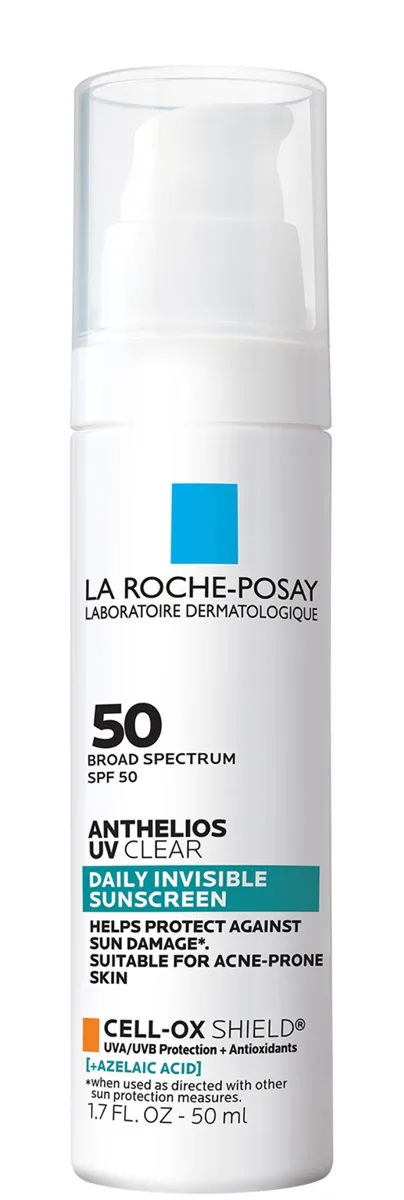 Derm Office Staple
 Anthelios UV Clear Sunscreen SPF 50
One of the only US chemical sunscreens that genuinely earns its 'for sensitive and breakout-prone skin' positioning. A photostable Anthelios filter system paired with a legitimate azelaic acid dose in a lightweight serum-fluid that disappears on every skin tone. Excellent for rosacea, acne, and post-inflammatory hyperpigmentation — and probably the single best daily sunscreen in the La Roche-Posay US lineup for those conditions.
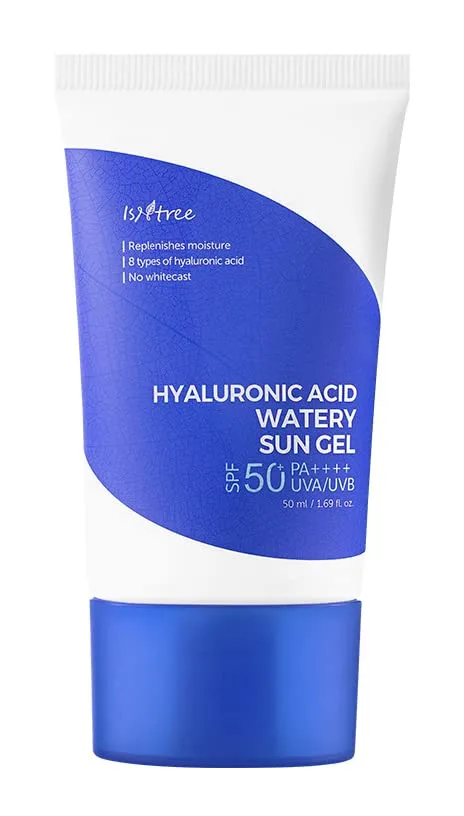 K-Beauty Daily SPF Standout
 Hyaluronic Acid Watery Sun Gel SPF 50+
One of the strongest everyday K-beauty sunscreens in the international market — modern European filters, no white cast, fragrance-free, niacinamide-boosted, and built around the brand's signature six-weight HA complex. At twenty-two dollars for 50ml, it's a case study in how much better a daily sunscreen can be when the formulator cares about both protection and wearability.
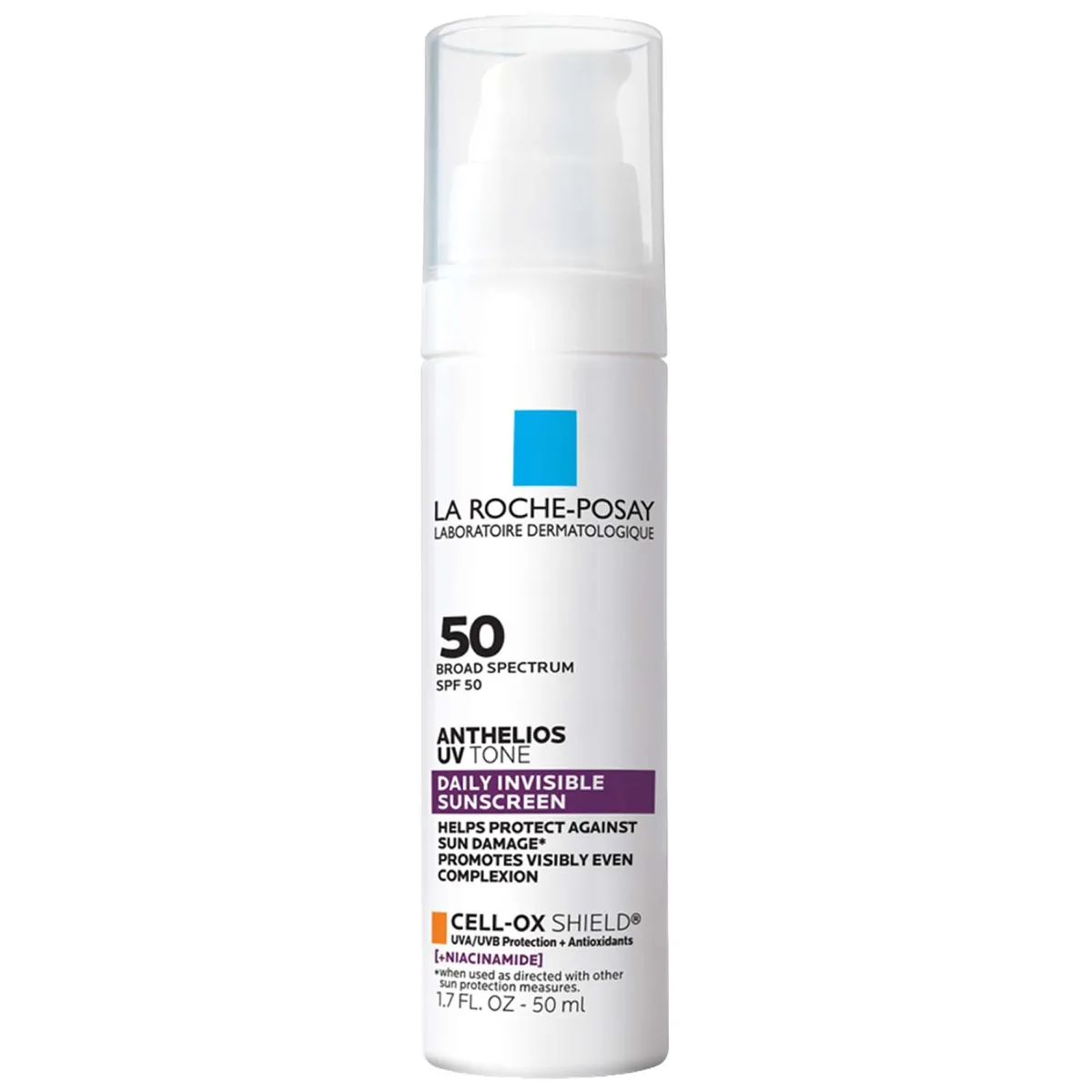 Derm Office Staple
 Anthelios UV Tone Daily Invisible Sunscreen SPF 50
La Roche-Posay's most thoughtful answer yet for hyperpigmentation-prone skin that needs daily SPF. A photostable avobenzone system reinforced with Oxynex ST, paired with a meaningful dose of niacinamide, in a serum-fluid base that goes on invisible on every skin tone. Expensive for 1.7 oz but legitimately well-built — and a rare chemical sunscreen that earns its 'for dark spots' marketing.
 Melasma-Grade Mineral Sunscreen
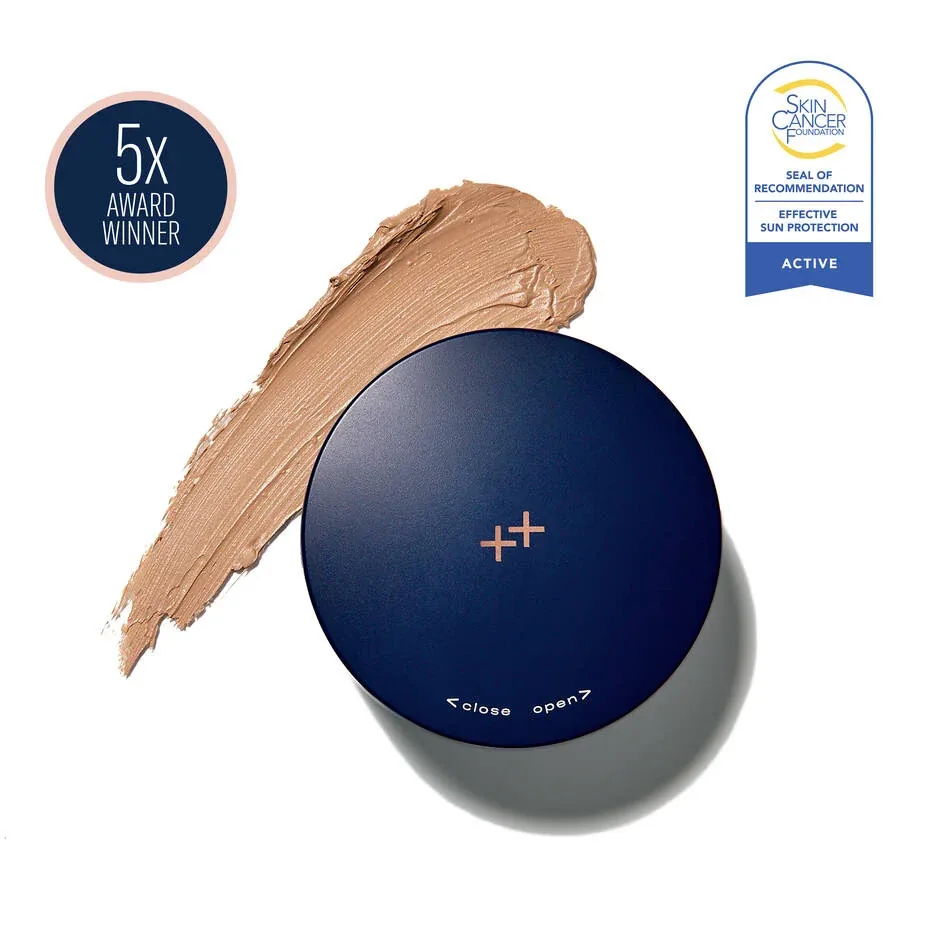
 sunbetter TONE SMART SPF 68
One of the most clinically useful tinted mineral sunscreens in the professional category. SPF 68 from a 100% mineral formula, iron oxide tint that blocks visible light for melasma protection, and an unusually lightweight texture that doesn't feel like you're wearing high-concentration zinc. For patients with melasma or post-inflammatory hyperpigmentation, this is the category benchmark — and it's earned its Allure Best of Beauty wins.
 K-Beauty Cult Favorite
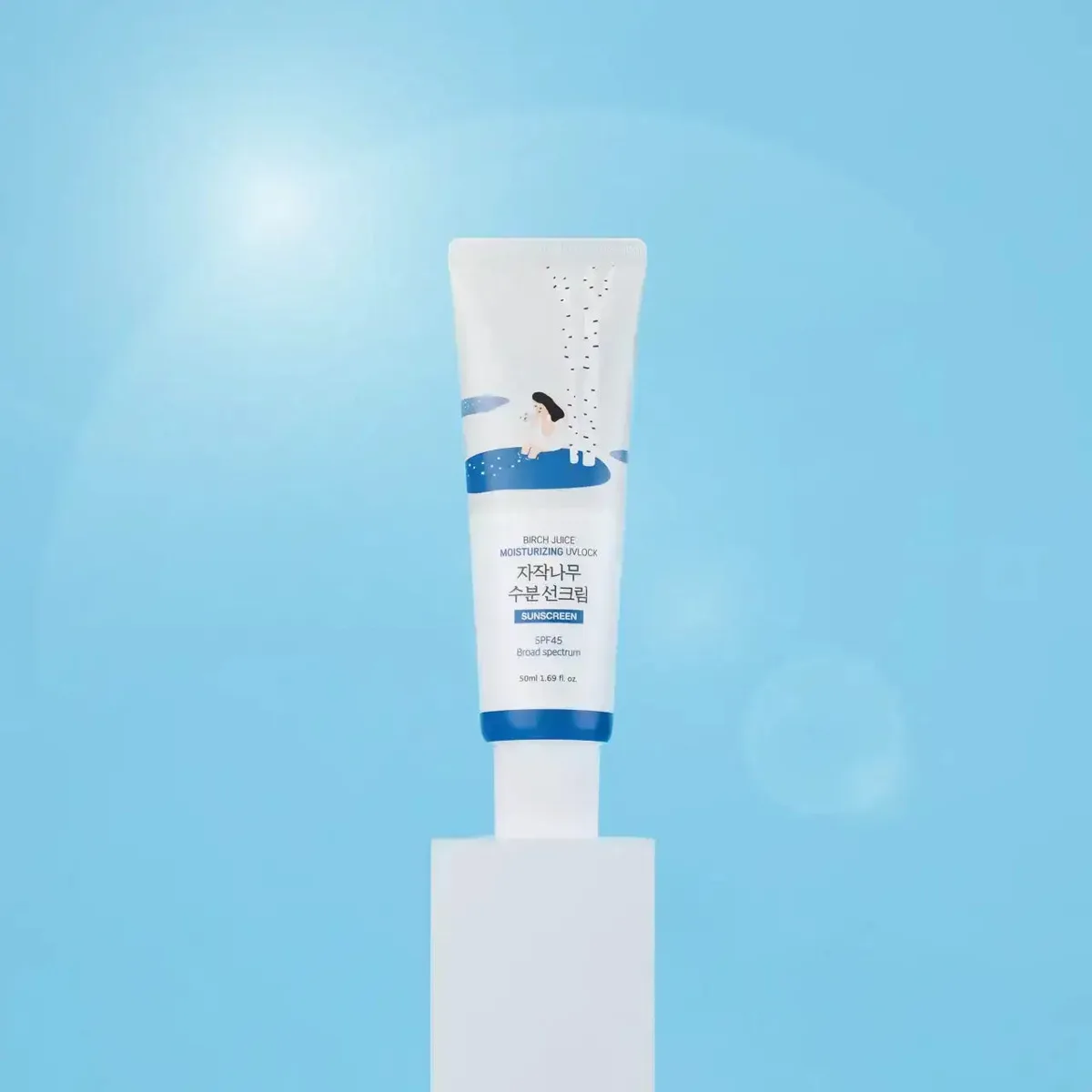
 Birch Juice Moisturizing Sun Cream SPF 50+
One of the best hybrid sunscreens in K-beauty right now — a 70% birch sap base, modern UVA filters you can't get in the US, and a finish that wears like a lightweight moisturizer. Broadly compatible, well-priced, and genuinely pleasant to apply, with minor tradeoffs for oily and fungal-acne-prone users.
 The K-Beauty Sunscreen That Changed Everything
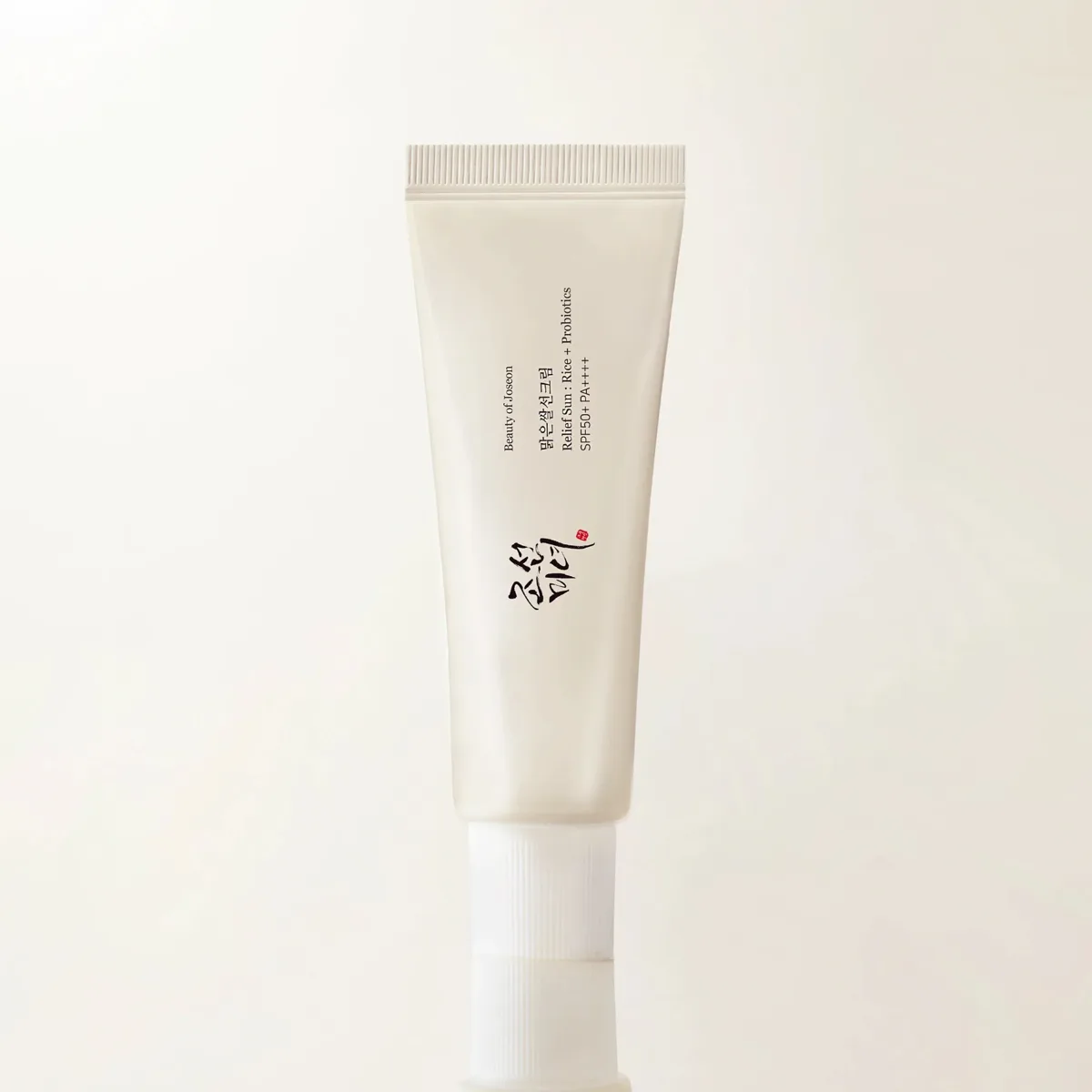
 Relief Sun: Rice + Probiotics SPF 50+
The sunscreen that rewrote the rules for what a $14 product could deliver. With independently verified SPF 50+, 30% rice extract, niacinamide, and a probiotic ferment complex, it offers protection and skincare benefits that rival products three times its price. The texture that feels like wearing nothing on your face is the reason it went viral — and stayed there.