CC Screen is one of the most elegant mineral CC creams available — it delivers genuine SPF 50 protection from 100% mineral filters with a luminous, skin-like finish that most mineral sunscreens cannot match. At $42 for 1.6 oz in 15 shades, it is a strong everyday option for anyone who wants coverage and protection without compromise.
CC Screen 100% Mineral CC Cream SPF 50
CC Screen is one of the most elegant mineral CC creams available — it delivers genuine SPF 50 protection from 100% mineral filters with a luminous, skin-like finish that most mineral sunscreens cannot match. At $42 for 1.6 oz in 15 shades, it is a strong everyday option for anyone who wants coverage and protection without compromise.
Score Breakdown
Where this product gains points and where it loses them — broken down across the four scoring pillars.
A solid mineral CC cream with high SPF, iron oxide visible light protection, and an impressively gentle ingredient list. The coverage and finish work well for normal to dry skin, but the thick texture and potential white cast limit suitability for oily or deeper skin tones.
Pros & Cons
- ✓SPF 50 from 100% mineral filters with genuinely wearable, luminous finish
- ✓Iron oxides provide additional visible light and blue light protection beyond UV
- ✓Buildable coverage from sheer to light-medium in a single product
- ✓Fragrance-free with no essential oils — suitable for sensitive and reactive skin
- ✓Replaces moisturizer, sunscreen, and light foundation in one step
- ✓Pregnancy-safe, reef-safe, and cruelty-free mineral formula
- ✗Dewy finish is too luminous for oily skin types — requires setting powder
- ✗Shade range of 15 may not accurately match deeper skin tones due to zinc ashiness
- ✗Thick texture requires warming between fingers — poor technique causes streaking
- ✗High mineral content (24% total actives) can feel heavy in humid conditions
- ✗Coverage level is inconsistent — some find it too sheer, others find it adequate
Full Review
There is an unspoken bargain that mineral sunscreen wearers have accepted for years: you get the gentle, reef-safe, pregnancy-safe protection of zinc oxide and titanium dioxide, and in exchange, you look like you just auditioned for a mime troupe. The white cast, the chalky texture, the way it settles into every pore and fine line — these have been the costs of mineral UV protection, and most people either paid them grudgingly or switched to chemical filters. Supergoop! built CC Screen to renegotiate that deal.
The formula packs 24% total mineral actives — 20% zinc oxide and 4% titanium dioxide — which is a substantial amount of mineral content by any standard. Getting that much physical blocker into a formula that feels and looks like a CC cream rather than a clay mask is a legitimate formulation achievement. The trick lies in three technologies working in concert: triethoxycaprylylsilane coating on the mineral particles for smooth dispersion, dimethicone/vinyl dimethicone crosspolymer for a silky slip that prevents dragging, and iron oxide pigments that simultaneously provide shade-matched coverage and eliminate the white cast by absorbing visible light wavelengths.
The iron oxides deserve special attention because they do more than just color-correct. Research has demonstrated that iron oxides provide meaningful protection against visible light and high-energy visible blue light — wavelengths between 400-700nm that zinc oxide and titanium dioxide do not adequately block. This matters because visible light has been shown to induce hyperpigmentation, particularly in Fitzpatrick skin types IV through VI. A tinted mineral sunscreen with iron oxides is, by the science, a more complete photoprotective product than an untinted one.
Coverage is genuinely buildable. A single layer provides a sheer wash of color that evens out mild redness and minor discolorations — enough for a no-makeup makeup look. A second pass brings the coverage to light-medium territory, smoothing over more noticeable imperfections without looking like foundation. The finish is luminous and dewy, which dry and normal skin types find flattering and which oily skin types may find excessive. This is not a matte product, and expecting it to mattify will lead to disappointment.
The shade range of 15 options is decent but not exceptional by current standards. For a CC cream, which is supposed to be more forgiving than foundation, 15 shades can work because the sheer-to-light coverage means precise matching is less critical. However, at the deepest end of the range, some reviewers report that the high zinc oxide content can produce a grayish or ashy undertone that the pigments do not fully overcome. This is a genuine limitation of the mineral format that no amount of formulation elegance has completely solved.
Texture requires a moment of trust. CC Screen comes out of the tube thick and pigmented, looking nothing like the barely-there tint you might expect from a CC cream. Warming it between your fingers before pressing it into the skin transforms the texture — it melts down, spreads evenly, and settles into that luminous, second-skin finish. Skipping this step and trying to rub it on cold results in streaking and patchiness. Application technique matters with this product more than most.
The ingredient list beyond the actives is thoughtfully simple. Glycerin and sodium hyaluronate provide hydration. Apple fruit extract contributes mild antioxidant support. There are no essential oils, no fragrance, and no common sensitizers. For a product designed to sit on your face all day, this restraint is appreciated and makes CC Screen appropriate for sensitive and reactive skin types.
At $42 for 1.6 ounces, CC Screen offers good value for a tinted mineral SPF. The tube provides enough product for approximately two to three months of daily use, and the formula effectively replaces a separate moisturizer (for dry skin types), sunscreen, and light foundation — three products consolidated into one step. This is where the math starts to favor CC Screen even for budget-conscious buyers.
Supergoop! has not solved every problem with mineral sunscreen. The thick initial texture, the shade limitations at the deeper end of the range, and the dewy finish that overwhelms oily skin are all real trade-offs. But CC Screen represents the current state of the art for making mineral UV protection cosmetically acceptable — and for many people, acceptable is all they needed to finally wear mineral sunscreen every day.
Formula
Key Ingredients
The hero actives that drive this product's performance.
| Ingredient | Function | Evidence |
|---|---|---|
| Zinc Oxide (20%) (20%) | The primary mineral UV filter at a robust 20% concentration, providing broad-spectrum UVA and UVB protection. Combined with 4% titanium dioxide, this gives the formula its SPF 50 rating. The high zinc oxide percentage is critical for this tinted product — it needs enough mineral content to deliver SPF 50 while the pigments provide coverage. | well-established |
| Titanium Dioxide (4%) (4%) | A secondary mineral UV filter that particularly strengthens UVB protection alongside the zinc oxide. The combination of both minerals at a total 24% active content creates a photostable sunscreen that does not degrade under UV exposure. The coated particles (triethoxycaprylylsilane) help the formula spread evenly for consistent coverage and protection. | well-established |
| Iron Oxides | Serve the dual purpose of providing shade-matched color correction and protecting against visible light and high-energy visible (HEV) blue light — wavelengths that zinc oxide and titanium dioxide do not fully block. Research shows that iron oxides significantly enhance protection against visible light-induced hyperpigmentation, making this formula more comprehensive than untinted mineral sunscreens. | well-established |
| Sodium Hyaluronate | The low-molecular-weight salt form of hyaluronic acid provides hydration beneath the mineral sunscreen layer. In this tinted formula, it prevents the drying, cakey appearance that high-zinc mineral sunscreens can cause over the course of the day — keeping the coverage looking skin-like rather than powdery. | well-established |
| Apple Fruit Extract (Pyrus Malus) | A source of apple polyphenols with antioxidant properties that complement the physical UV blocking. Apple extract also contains malic acid at low levels, providing very mild surface smoothing that helps the CC cream sit evenly on the skin. | promising |
Full INCI List
Active Ingredients: Titanium Dioxide 4%, Zinc Oxide 20%. Inactive Ingredients: Water, C12-15 Alkyl Benzoate, Butyloctyl Salicylate, Isododecane, Propanediol, Glycerin, Cetyl Diglyceryl Tris(Trimethylsiloxy)silylethyl Dimethicone, 1,2-Hexanediol, Pyrus Malus (Apple) Fruit Extract, Sodium Chloride, Silica, Triethoxycaprylylsilane, Dimethicone/Vinyl Dimethicone Crosspolymer, Iron Oxides, Mica, Titanium Dioxide, Hydroxyacetophenone, Diethylhexyl Syringylidenemalonate, Trisodium Ethylenediamine Disuccinate, Chlorphenesin, Xanthan Gum, Chondrus Crispus Extract, Caprylic/Capric Triglyceride, Tin Oxide, Sodium Hyaluronate, Tocopherol
Product Flags
✓ Fragrance Free✓ Alcohol Free✗ Oil Free✗ Silicone Free✓ Paraben Free✓ Sulfate Free✓ Cruelty Free✓ Vegan✗ Fungal Acne Safe
Compatibility
Skin Match
Best For
Works For
Not Ideal For
Addresses These Conditions
sun damage dullness hyperpigmentation
Use With Caution
Routine Step
sunscreen
Time of Day
AM
Pregnancy Safe
Yes ✓
Layering Tips
Apply after skincare as the last step before any additional makeup. Can be used alone as a one-step tinted moisturizer with SPF or layered with foundation for more coverage. Apply generously — most people underapply tinted sunscreens, reducing effective SPF. Reapply every two hours during extended sun exposure.
Results Timeline
Immediate color correction, coverage, and a luminous finish from the first application. Sun protection is immediate upon application. Long-term consistent use prevents UV-induced dark spots and photoaging.
Pairs Well With
moisturizerprimersetting powderconcealer
Sample AM Routine
- Cleanser
- Serum
- Moisturizer
- Supergoop! CC Screen 100% Mineral CC Cream SPF 50
Sample PM Routine
- Double cleanse (oil cleanser + water cleanser)
- Treatment serum
- Moisturizer
Evidence
Science & Expert Perspective
The Science
The combination of zinc oxide (20%) and titanium dioxide (4%) at a total of 24% mineral actives provides robust broad-spectrum UV protection through physical scattering and reflection of UV radiation. Zinc oxide covers both UVA (320-400nm) and UVB (280-320nm) wavelengths, while titanium dioxide primarily strengthens UVB protection. Both minerals are photostable, meaning they do not degrade upon UV exposure — unlike chemical filters such as avobenzone, which requires stabilizers.
The iron oxides in CC Screen provide protection against visible light (400-700nm) and high-energy visible (HEV) blue light — a protection gap that mineral-only sunscreens do not address. A landmark study by Bernstein et al. published in the Journal of Cosmetic Dermatology (2021) demonstrated that tinted sunscreens containing iron oxides significantly outperformed non-tinted mineral sunscreens in protecting against visible light-induced pigmentation. This is particularly relevant for melasma patients and individuals with Fitzpatrick skin types IV-VI, where visible light is a major trigger for hyperpigmentation.
The surface treatment of mineral particles with triethoxycaprylylsilane is a key formulation technology. This silane coating makes the hydrophilic mineral particles hydrophobic, allowing them to disperse evenly in the cream base rather than clumping — which is what causes the chalky, uneven appearance of older mineral sunscreens. Coated particles also demonstrate better water resistance and longer wear time on the skin.
Sodium hyaluronate (hyaluronic acid salt) provides humectant hydration beneath the mineral layer, drawing water from the dermis to the epidermis. In a mineral sunscreen context, this hydration prevents the tight, dry feeling that high-zinc formulations often produce and helps the cream maintain a skin-like finish rather than drying to a powdery or cakey texture over the day.
Dermatologist Perspective
Dermatologists frequently recommend tinted mineral sunscreens as the gold standard for patients with melasma, post-inflammatory hyperpigmentation, and darker skin tones precisely because the iron oxides provide visible light protection that untinted formulas lack. Board-certified dermatologists note that CC Screen's 100% mineral formula with high total active content (24%) provides reliable broad-spectrum protection appropriate for post-procedure skin, sensitive skin, and pregnancy. The fragrance-free, essential oil-free formulation is considered appropriate for rosacea patients who need sun protection without potential triggers.
Guidance
Usage Guide
How to Use
Squeeze a generous amount (about the size of a nickel) onto your fingertips. Warm the product between your fingers for 5-10 seconds — this step is essential for smooth application. Press and pat into the face, blending outward from the center. Build coverage with a second layer if desired, focusing on areas with redness or discoloration. Can be applied with fingers, a damp beauty sponge, or a foundation brush. Reapply every two hours during prolonged sun exposure. Always double cleanse in the evening to fully remove the mineral sunscreen.
Value Assessment
At $42 for 1.6 oz, CC Screen is competitively priced for a tinted mineral SPF 50 product. The formula consolidates sunscreen, light foundation, and moisturizer into one product, which improves the effective value. Supergoop! is an established SPF-focused brand with 17+ years in the category, providing credibility for the UV protection claims. The tube lasts 2-3 months with daily use, making the annual cost approximately $170-$250 — reasonable for a multi-function product at this quality level.
Who Should Buy
This is ideal for anyone with normal to dry skin who wants a single product that provides mineral SPF 50 protection, natural-looking coverage, and visible light protection — especially those with melasma, rosacea, or sensitivity who need gentle sun protection with cosmetic elegance.
Who Should Skip
Skip this if you have very oily skin that needs a matte finish, if the 15-shade range does not match your skin tone accurately, or if you prefer a truly sheer, lightweight sunscreen without coverage or tint.
Ready to try Supergoop! CC Screen 100% Mineral CC Cream SPF 50?
Details
Details
Texture
Rich, creamy consistency with a mousse-like feel. Thicker than most tinted moisturizers but thinner than traditional foundation. Requires warming between fingers before application for best results.
Scent
No fragrance or essential oils — completely neutral scent.
Packaging
Squeeze tube with a screw cap. The 1.6 oz size is generous for a tinted sunscreen and provides enough product for approximately 2-3 months of daily use.
Finish
dewyglowynatural
What to Expect on First Use
The cream comes out pigmented and may look darker than expected in the tube, but blends to a more natural shade on the skin. Coverage is buildable — one layer provides sheer-to-light coverage, a second pass adds medium coverage. The finish is luminous and dewy, which dry skin types appreciate but oily types may find too glowy. Does not settle into pores or fine lines on most skin textures.
How Long It Lasts
2-3 months with daily full-face application
Period After Opening
12 months
Best Season
fall winter
Certifications
Leaping Bunny Cruelty-FreeVeganReef-SafeSephora Clean
Background
The Why
Supergoop! launched CC Screen in 2020 to bridge the gap between mineral sunscreen and complexion makeup. The brand recognized that many consumers were choosing between sun protection and cosmetic elegance — using either a white-casting mineral sunscreen or a tinted moisturizer with inadequate SPF. CC Screen aimed to be both at once, with SPF 50 protection from 100% mineral filters and shade-matched coverage in 15 tones.
About Supergoop! Established Brand (5–20 years)
Supergoop! was founded in 2007 by Holly Thaggard and has become one of the most recognized SPF-focused brands in the US. The brand is Leaping Bunny certified cruelty-free and its sunscreens undergo independent SPF testing. CC Screen is part of the brand's mineral line, using only zinc oxide and titanium dioxide for UV protection.
Brand founded: 2007 · Product launched: 2020
Myth vs. Reality
Myths & Misconceptions
Myth
Tinted sunscreens provide the same protection as regular sunscreens at the same SPF.
Reality
Tinted mineral sunscreens like CC Screen actually provide additional protection that untinted versions do not — the iron oxides block visible light and HEV blue light wavelengths that zinc oxide and titanium dioxide miss. Studies show visible light contributes to hyperpigmentation, especially in darker skin tones.
Myth
You need to apply as much CC cream as regular sunscreen to get the labeled SPF.
Reality
This is actually true, not a myth. SPF testing uses 2 mg/cm² of product. Most people apply far less tinted product than this, meaning the effective SPF may be lower than labeled. If you apply CC Screen like foundation rather than sunscreen, you may only get SPF 25-35. Apply generously for full protection.
FAQ
Frequently Asked Questions
What shade of Supergoop CC Screen should I get?
CC Screen comes in 15 shades with warm, cool, and neutral undertones. The numbering system uses digits with a letter suffix: C for cool, N for neutral, W for warm. Start by identifying your undertone (do your veins look blue-purple for cool, green for warm, or both for neutral) and match the depth number to your skin tone. The formula oxidizes slightly, so it may look darker after 15 minutes.
Is Supergoop CC Screen good for oily skin?
CC Screen has a dewy, luminous finish that can feel too rich for very oily skin. The high zinc oxide content (20%) does provide some oil absorption, but the overall formula is hydrating. Oily skin types may prefer setting it with a translucent powder or choosing Supergoop's Protec(tint), which has a more mattifying finish.
Can Supergoop CC Screen replace foundation?
For light-to-medium coverage needs, yes. CC Screen provides buildable coverage that evens skin tone and covers minor imperfections. However, it will not conceal significant acne, deep hyperpigmentation, or scarring the way a full-coverage foundation would. Many users find it perfect for everyday natural-makeup days.
Is Supergoop CC Screen pregnancy safe?
Yes — the formula uses only mineral UV filters (zinc oxide and titanium dioxide) with no chemical sunscreen actives, retinoids, or ingredients contraindicated in pregnancy. Mineral-only sunscreens are the preferred choice recommended by dermatologists during pregnancy.
Does Supergoop CC Screen cause white cast?
When shade-matched correctly and applied with adequate warmth and blending, CC Screen should not leave a white cast. However, if applied too thinly or without sufficient blending on deeper skin tones, the 20% zinc oxide can show through as an ashy or grayish tone. Warming the product between your fingers before application helps prevent this.
Community
Community Voices
Common Praise
"Buildable coverage that can replace foundation for light-coverage days"
"100% mineral formula is gentle and does not irritate sensitive skin"
"Luminous, natural-looking finish that does not look cakey or powdery"
"Fragrance-free with no essential oils — ideal for reactive skin"
"Iron oxides provide visible light protection beyond standard mineral SPF"
Common Complaints
"Limited shade range — 15 shades may not match all skin tones accurately"
"Can spread to a white cast on deeper skin tones when blended too thin"
"Thick, heavy texture that some find difficult to spread evenly"
"May feel too rich and occlusive for oily or acne-prone skin types"
"Coverage level is inconsistent — some find it sheer, others find it medium"
Notable Endorsements
Sephora Clean beauty designationFeatured in The Beauty Traveler and multiple beauty publications
Appears In
best sunscreen for dullness best tinted mineral sunscreen best sunscreen for sun damage best cc cream with spf
Related Conditions
sun damage dullness hyperpigmentation
Related Ingredients
You Might Also Like
 Derm Office Staple
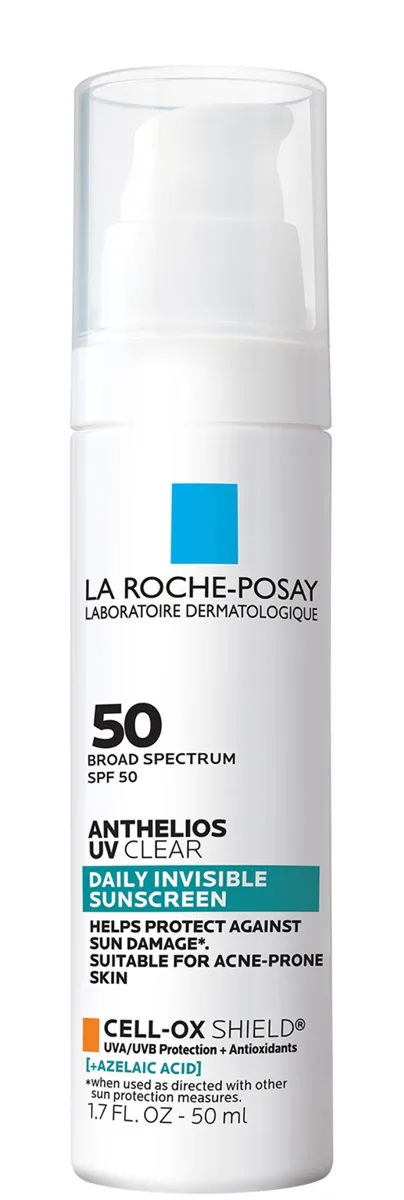
 Anthelios UV Clear Sunscreen SPF 50
One of the only US chemical sunscreens that genuinely earns its 'for sensitive and breakout-prone skin' positioning. A photostable Anthelios filter system paired with a legitimate azelaic acid dose in a lightweight serum-fluid that disappears on every skin tone. Excellent for rosacea, acne, and post-inflammatory hyperpigmentation — and probably the single best daily sunscreen in the La Roche-Posay US lineup for those conditions.
 K-Beauty Daily SPF Standout
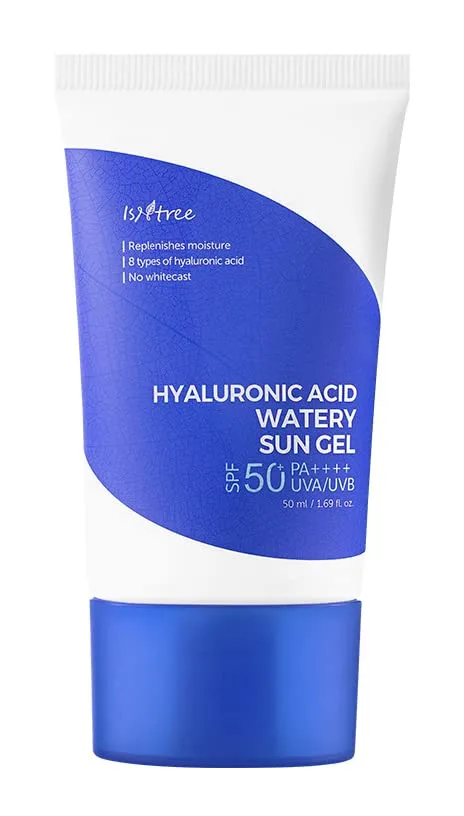
 Hyaluronic Acid Watery Sun Gel SPF 50+
One of the strongest everyday K-beauty sunscreens in the international market — modern European filters, no white cast, fragrance-free, niacinamide-boosted, and built around the brand's signature six-weight HA complex. At twenty-two dollars for 50ml, it's a case study in how much better a daily sunscreen can be when the formulator cares about both protection and wearability.
 Derm Office Staple
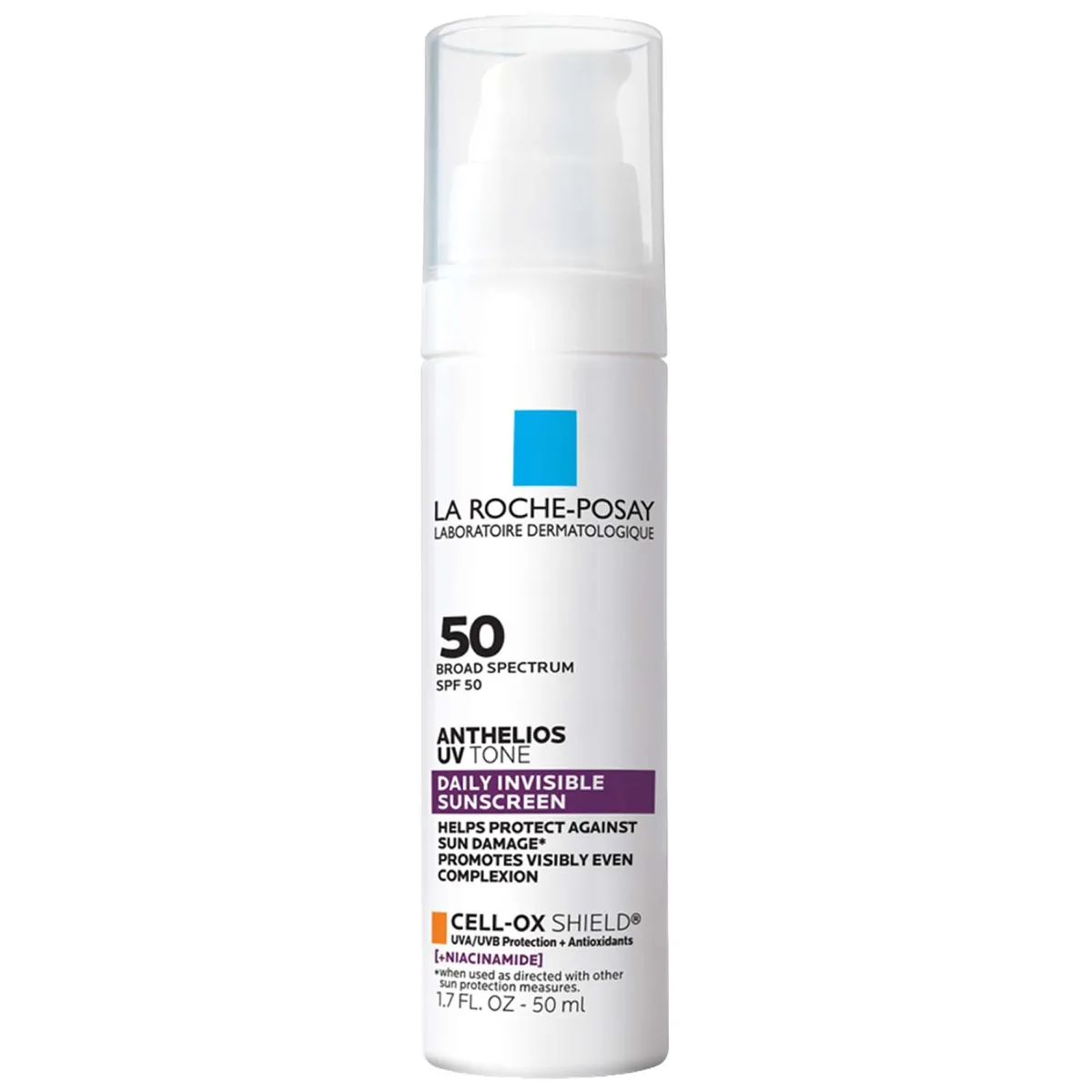
 Anthelios UV Tone Daily Invisible Sunscreen SPF 50
La Roche-Posay's most thoughtful answer yet for hyperpigmentation-prone skin that needs daily SPF. A photostable avobenzone system reinforced with Oxynex ST, paired with a meaningful dose of niacinamide, in a serum-fluid base that goes on invisible on every skin tone. Expensive for 1.7 oz but legitimately well-built — and a rare chemical sunscreen that earns its 'for dark spots' marketing.
 Melasma-Grade Mineral Sunscreen
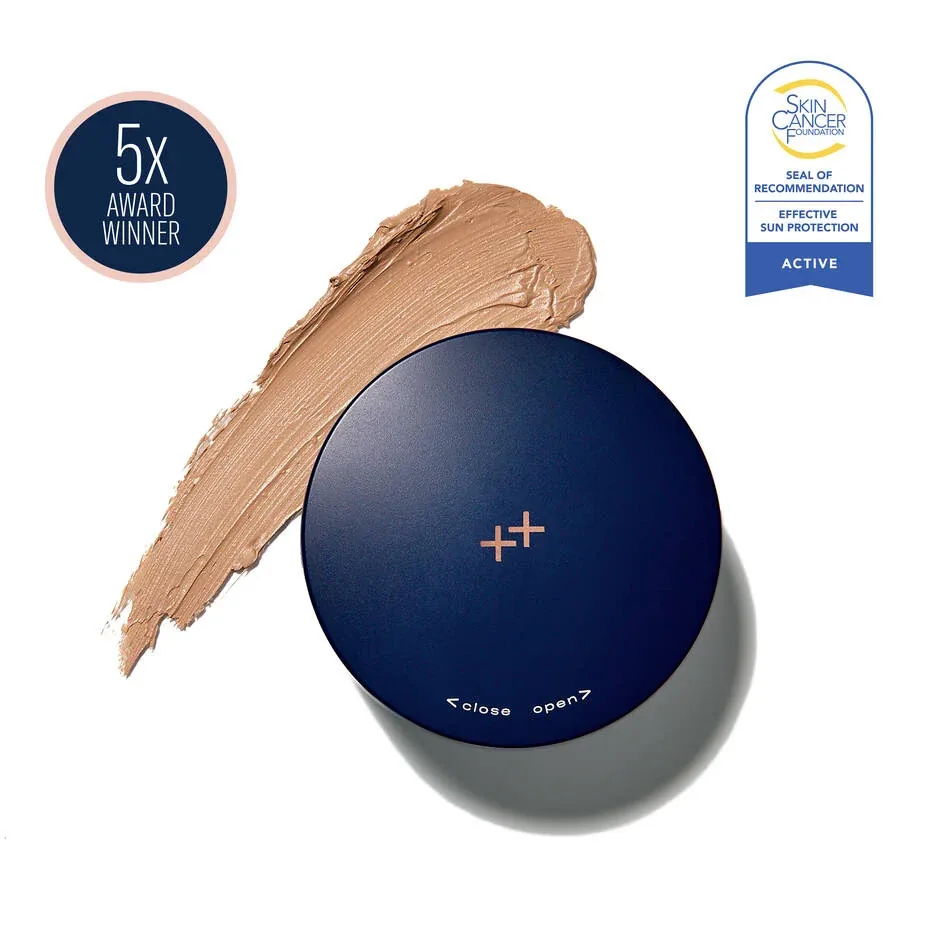
 sunbetter TONE SMART SPF 68
One of the most clinically useful tinted mineral sunscreens in the professional category. SPF 68 from a 100% mineral formula, iron oxide tint that blocks visible light for melasma protection, and an unusually lightweight texture that doesn't feel like you're wearing high-concentration zinc. For patients with melasma or post-inflammatory hyperpigmentation, this is the category benchmark — and it's earned its Allure Best of Beauty wins.
 K-Beauty Cult Favorite
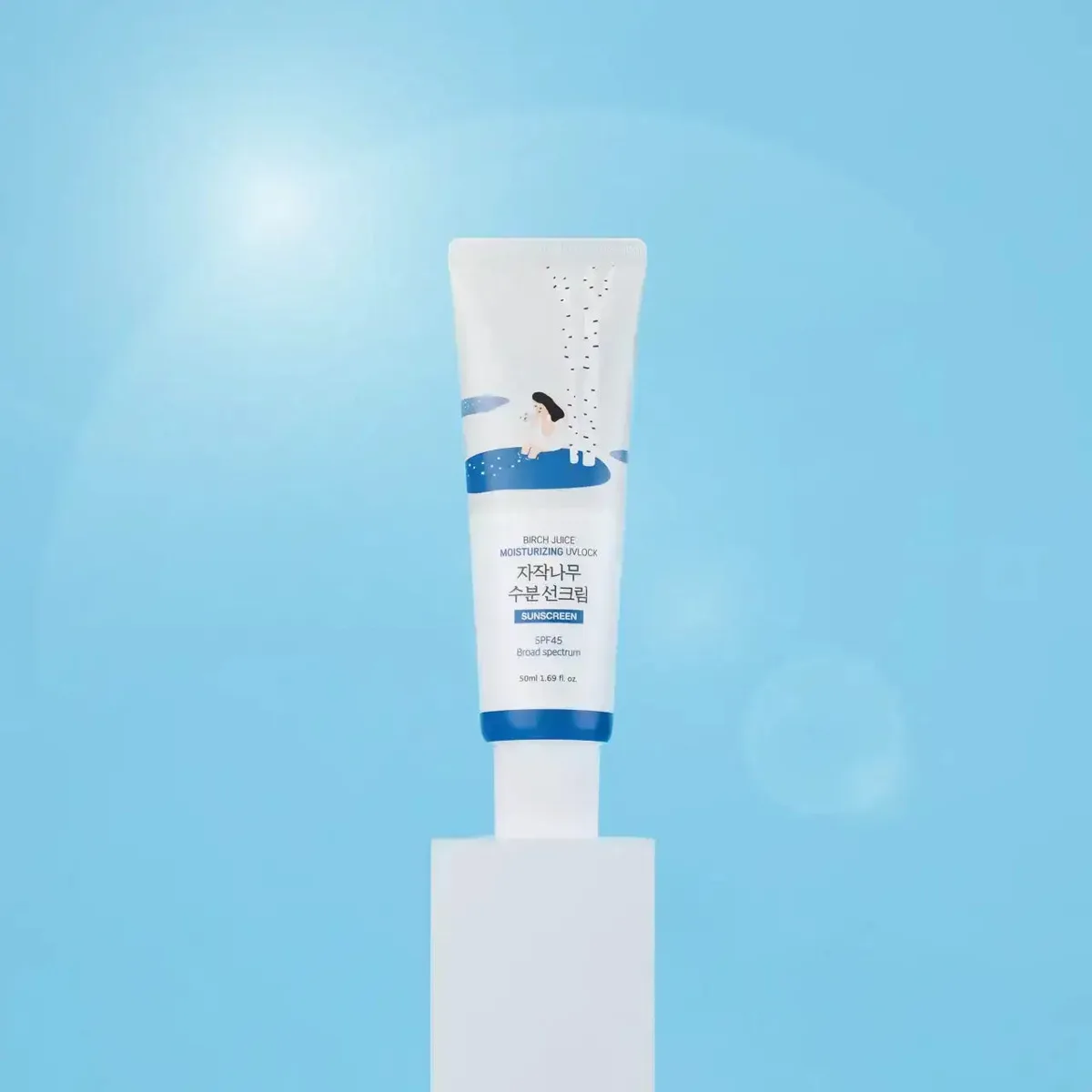
 Birch Juice Moisturizing Sun Cream SPF 50+
One of the best hybrid sunscreens in K-beauty right now — a 70% birch sap base, modern UVA filters you can't get in the US, and a finish that wears like a lightweight moisturizer. Broadly compatible, well-priced, and genuinely pleasant to apply, with minor tradeoffs for oily and fungal-acne-prone users.
 The K-Beauty Sunscreen That Changed Everything
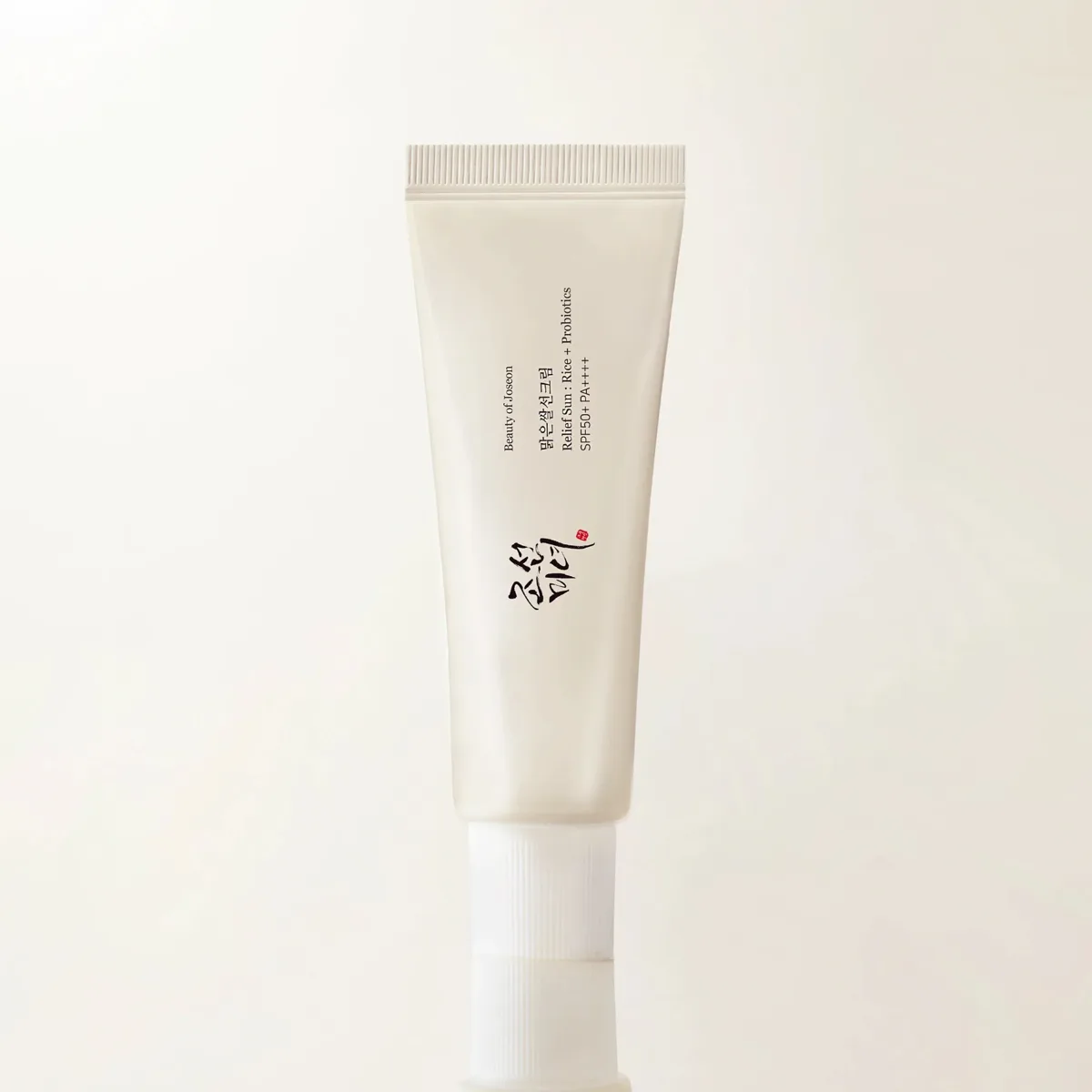
 Relief Sun: Rice + Probiotics SPF 50+
The sunscreen that rewrote the rules for what a $14 product could deliver. With independently verified SPF 50+, 30% rice extract, niacinamide, and a probiotic ferment complex, it offers protection and skincare benefits that rival products three times its price. The texture that feels like wearing nothing on your face is the reason it went viral — and stayed there.