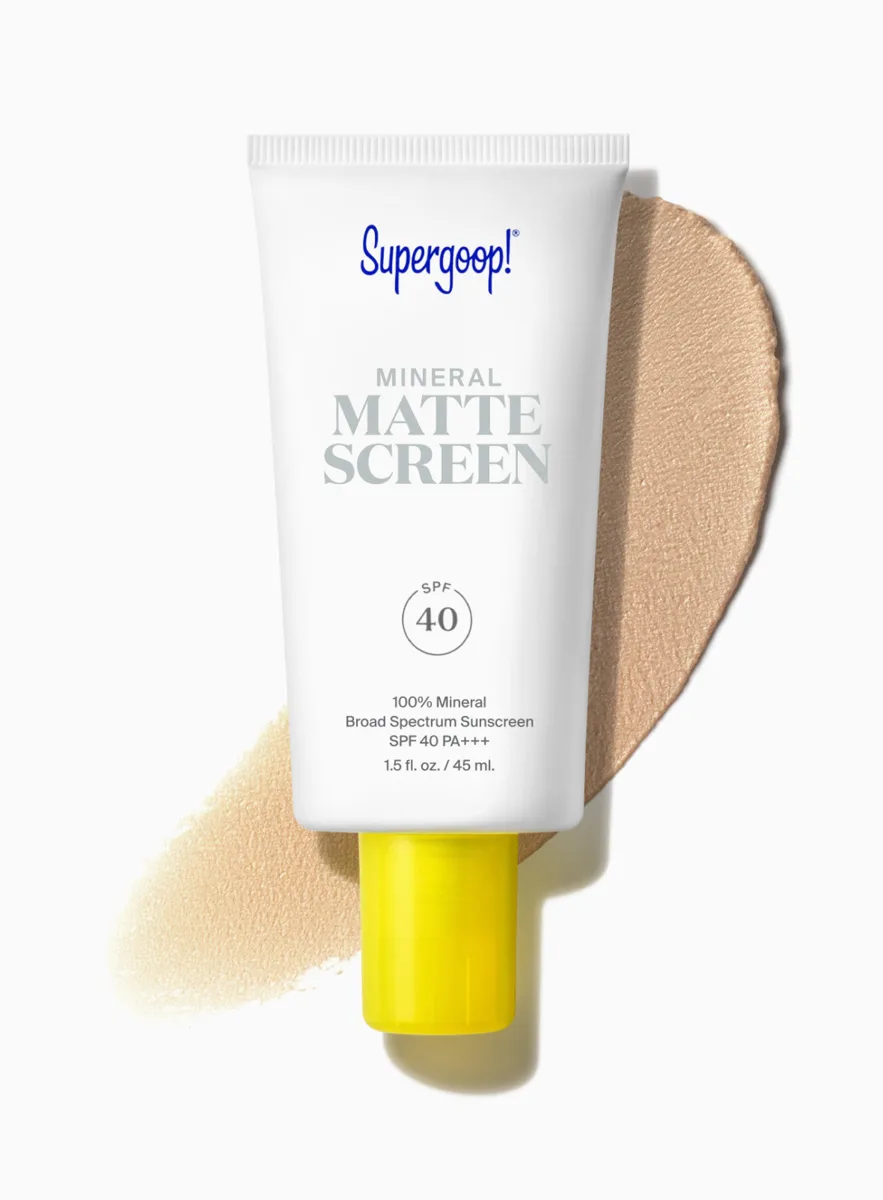
A mineral sunscreen that actually makes you want to wear mineral sunscreen. Supergoop! Mineral Mattescreen SPF 40 packs 17.42% zinc oxide into a silicone-primer texture that blurs pores, controls oil, and sets to a velvety matte finish — all without the white cast penalty that has plagued mineral SPF for decades. The single universal tint limits its reach across skin tones, but for those it matches, this is one of the most elegant mineral formulas on the market.
Mineral Mattescreen SPF 40
A mineral sunscreen that actually makes you want to wear mineral sunscreen. Supergoop! Mineral Mattescreen SPF 40 packs 17.42% zinc oxide into a silicone-primer texture that blurs pores, controls oil, and sets to a velvety matte finish — all without the white cast penalty that has plagued mineral SPF for decades. The single universal tint limits its reach across skin tones, but for those it matches, this is one of the most elegant mineral formulas on the market.
Score Breakdown
Where this product gains points and where it loses them — broken down across the four scoring pillars.
An exceptionally well-formulated mineral sunscreen that genuinely solves the white cast and heavy texture problems. The high zinc oxide concentration and clean ingredient profile earn strong marks, with the premium price being the main detractor.
Pros & Cons
- ✓Primer-like silicone texture that genuinely blurs pores and replaces a separate makeup primer
- ✓17.42% zinc oxide delivers robust broad-spectrum mineral protection without chemical filter backup
- ✓Iron oxide tint effectively eliminates white cast on light to medium skin tones
- ✓Oil-free formula controls shine for 4-6 hours on oily and combination skin
- ✓Fragrance-free, clean ingredient profile suitable for sensitive and reactive skin
- ✓Iron oxides provide additional visible light and blue/HEV light protection
- ✓Pregnancy-safe with 100% mineral UV filters recommended by dermatologists
- ✓Leaping Bunny certified cruelty-free and vegan formulation
- ✗Universal tint is not truly universal — leaves a noticeable cast on deeper skin tones
- ✗Only available in one shade despite being a tinted product
- ✗Premium pricing at $40 for 1.5 oz of daily-use sunscreen
- ✗Mattifying finish can emphasize dry patches and flaking on dry skin
- ✗Silicone base may cause pilling with water-based foundations
- ✗Not water-resistant enough for swimming or heavy sweating activities
Full Review
For years, choosing a mineral sunscreen meant accepting a compromise. You got the clean, reef-friendly, pregnancy-safe UV filters your dermatologist recommended, packaged in a formula that made you look like you'd face-planted into a bag of flour. The mineral sunscreen market operated on a grim bargain: protection in exchange for cosmetic dignity. Supergoop! Mineral Mattescreen SPF 40 was built to break that deal.
Launched in 2021 as the Smooth & Poreless 100% Mineral Matte Screen and later reformulated with a more neutral tint and oil-free base, this product takes 17.42% zinc oxide — a concentration that would typically guarantee a visible white cast — and wraps it in a dimethicone-based vehicle system that feels and performs like a high-end silicone primer. The result is something the mineral sunscreen category has struggled to produce: a product people actually enjoy applying.
The texture is the first thing that registers. This is not a thick, white paste. It is a whipped, airy cream that glides across skin with the slippery ease of a pore-blurring primer. The dimethicone and dimethicone crosspolymer create a silky slip that distributes the mineral filters evenly while simultaneously filling in pores and smoothing texture irregularities. Within about sixty seconds of application, it sets to a velvety matte finish that genuinely controls oil — not in the desperate, over-powdered way of mattifying products that just pile absorbent particles on top of sebum, but through a base formulation that starts oil-free and stays that way.
The white cast problem is addressed through three iron oxide pigments (CI 77491, 77492, and 77499) that create what Supergoop! calls a universal tint. On light to medium skin tones, it works remarkably well — the tint neutralizes the zinc oxide's whiteness and leaves behind a sheer, skin-like finish that looks natural rather than made-up. This is not foundation-level coverage. It is barely-there color correction that exists primarily to prevent the product from making you look ghostly.
Here is where the honest assessment comes in: the universal tint is not universal. On deeper skin tones, 17.42% zinc oxide is a lot of zinc oxide, and no amount of iron oxide tinting fully neutralizes its cast on dark skin. This remains the product's most significant limitation, and Supergoop!'s decision to offer only one shade means that a meaningful portion of potential users are excluded from the product's best qualities. It is not that the product doesn't work on darker skin — it provides the same UV protection regardless — but it visually fails to deliver the invisible finish that is its primary selling point.
The iron oxides contribute more than just cosmetic correction. Published research has demonstrated that iron oxides provide protection against visible light and blue/HEV light, wavelengths that mineral UV filters alone don't fully address. This is particularly relevant for conditions like melasma, where visible light can trigger hyperpigmentation even when UV is blocked. The formula also includes hedychium coronarium root extract — wild butterfly ginger — which Supergoop! markets for blue light protection, though the evidence for topical botanical blue light filtering is still building.
As a primer, this product genuinely delivers. The silicone base creates a smooth, slightly grippy canvas that helps foundation adhere and maintain its finish. Many users report eliminating their separate primer step entirely, which partially offsets the premium price. However, the silicone-heavy formula can cause pilling with water-based foundations — a compatibility issue worth testing before committing to this as your daily sunscreen-primer hybrid.
The formulation earns points for what it leaves out. No fragrance, no chemical UV filters, no oils, no parabens, no sulfates. The ingredient list is clean enough for the Sephora Clean seal and short enough to read without scrolling. For anyone who has navigated the ingredient anxiety of the clean beauty movement, this product represents a genuine case where the clean formulation doesn't sacrifice performance.
What it does sacrifice is hydration. The oil-free, mattifying formula that makes this ideal for oily and combination skin makes it actively uncomfortable on dry or dehydrated skin. The matte finish can cling to dry patches and emphasize flaking. If your skin skews dry, you'll need a hydrating serum or moisturizer underneath — which somewhat undermines the streamlined appeal of a two-in-one sunscreen-primer.
At $40 for 1.5 ounces, this is premium pricing for a daily-use sunscreen. A mini at roughly $22 for 0.5 ounces lets you trial the formula before committing, which is wise given the shade compatibility question. For those who were previously using both a mineral sunscreen and a separate silicone primer, the combined cost may actually represent savings. For everyone else, you are paying for formulation elegance — and in a category where the alternative is products you avoid wearing, that elegance has real value.
The five-year track record and 2,800-plus reviews across retailers provide substantial confidence in the formula's real-world performance. This is not a theoretical product living on ingredient analysis alone. It has been tested by thousands of oily-skinned users through humid summers and confirmed to do what it promises: protect from the sun while keeping your face matte and your pores blurred.
Formula
Key Ingredients
The hero actives that drive this product's performance.
| Ingredient | Function | Evidence |
|---|---|---|
| Zinc Oxide 17.42% (17.42%) | The heavyweight mineral filter in this formula, providing the bulk of both UVA and UVB protection at a concentration that rivals prescription-grade mineral sunscreens. At 17.42%, it delivers the broad-spectrum coverage that makes this SPF 40 rating achievable with minerals alone — no chemical filter backup needed. | well-established |
| Titanium Dioxide 1.33% (1.33%) | A supporting mineral filter that reinforces UVB protection where zinc oxide is less efficient. The low concentration keeps the formula from becoming overly thick or white while still contributing meaningfully to the overall SPF rating. | well-established |
| Iron Oxides | Three iron oxide pigments (CI 77491, 77492, 77499) create the universal tint that masks the white cast inherent to 17.42% zinc oxide. Beyond cosmetic benefit, iron oxides provide additional protection against visible light and blue/HEV light, which mineral UV filters alone don't fully address. | well-established |
| Dimethicone | The first-listed inactive ingredient and the reason this feels like a silicone primer rather than a sunscreen. Creates the slippery, pore-blurring film that makes this product double as a makeup base, while also helping disperse the mineral filters evenly across skin. | well-established |
| Hedychium Coronarium Root Extract | Wild butterfly ginger root extract that Supergoop! includes for its claimed blue light/HEV protection properties. While the evidence for topical blue light filtering from botanicals is still emerging, this extract adds antioxidant activity that complements the mineral UV filters. | emerging |
Full INCI List
Active Ingredients: Titanium Dioxide 1.33%, Zinc Oxide 17.42%. Inactive Ingredients: Dimethicone, Dimethicone Crosspolymer, Caprylic/Capric Triglyceride, Methyl Dihydroabietate, Polyhydroxystearic Acid, C9-12 Alkane, Glycerin, Iron Oxides (CI 77492), Ethylhexylglycerin, Water (Aqua), Coco-Caprylate/Caprate, Silica, Stearic Acid, Iron Oxides (CI 77491), Iron Oxides (CI 77499), Hedychium Coronarium Root Extract, Lactobacillus/Arundinaria Gigantea Leaf Ferment Filtrate, Leuconostoc/Radish Root Ferment Filtrate, Titanium Dioxide (CI 77891)
Product Flags
✓ Fragrance Free✓ Alcohol Free✓ Oil Free✗ Silicone Free✓ Paraben Free✓ Sulfate Free✓ Cruelty Free✓ Vegan✗ Fungal Acne Safe
Comedogenic Ingredients
Stearic Acid
Compatibility
Skin Match
Best For
Works For
Not Ideal For
Addresses These Conditions
oiliness large pores sun damage aging sensitivity texture
Use With Caution
Routine Step
sunscreen
Time of Day
AM
Pregnancy Safe
Yes ✓
Layering Tips
Apply as the last step of skincare before makeup. Functions as both sunscreen and primer, so no separate primer is needed. Allow 1-2 minutes to set before applying foundation. Can be worn alone for a no-makeup matte finish.
Results Timeline
Immediate matte, pore-blurring effect upon application. Oil control lasts 4-6 hours for most skin types. UV protection is immediate but requires reapplication every two hours during sun exposure. Long-term photoaging prevention requires consistent daily use.
Pairs Well With
hydrating serums underneath for dry patcheslightweight moisturizerssetting powder for extended oil control
Sample AM Routine
- Gentle cleanser
- Hydrating serum or lightweight moisturizer
- Supergoop! Mineral Mattescreen SPF 40
- Foundation or concealer (optional)
Sample PM Routine
- Double cleanse (oil cleanser + water cleanser)
- Treatment serum
- Night moisturizer
Evidence
Science & Expert Perspective
The Science
Mineral Mattescreen's protection strategy centers on zinc oxide at 17.42%, supported by titanium dioxide at 1.33%. These are the only two inorganic UV filters classified as Generally Recognized as Safe and Effective (GRASE) by the FDA. A comprehensive review published in Photodermatology, Photoimmunology & Photomedicine (2019) confirmed that zinc oxide provides the broadest spectral coverage of any single UV filter, absorbing across both UVB and UVA ranges, while titanium dioxide is more efficient in the UVB-to-short-UVA range.
A common misconception addressed by this formula involves how mineral sunscreens actually work. Research published by Osterwalder and colleagues in Photodermatology, Photoimmunology & Photomedicine (2016) demonstrated that zinc oxide and titanium dioxide protect skin primarily through UV absorption, not reflection. The study found that average reflection from these minerals was only 4-5%, equivalent to less than SPF 2. The old 'physical blocker' or 'mirror effect' descriptions are marketing artifacts, not science.
The iron oxide pigments in Mineral Mattescreen serve a dual purpose. Beyond masking white cast, research has shown that iron oxides absorb visible light in the 400-700nm range, providing protection that zinc oxide and titanium dioxide cannot fully deliver. A study published in the Journal of Cosmetic Dermatology (2020) demonstrated that tinted sunscreens with iron oxides offered superior protection against visible light-induced pigmentation compared to untinted mineral sunscreens — particularly relevant for melasma patients.
Safety data for the mineral filters at these concentrations is robust. A toxicology study (2011) evaluating both titanium dioxide and zinc oxide nanoparticles on UVB-sunburned skin — a worst-case scenario for absorption — found no detectable transdermal penetration. This safety profile is why dermatologists consistently recommend mineral sunscreens during pregnancy and for patients with reactive skin conditions.
References
- A review of inorganic UV filters zinc oxide and titanium dioxide — Photodermatology, Photoimmunology & Photomedicine (2019)
- Metal oxide sunscreens protect skin by absorption, not by reflection or scattering — Photodermatology, Photoimmunology & Photomedicine (2016)
- Safety evaluation of sunscreen formulations containing titanium dioxide and zinc oxide nanoparticles in UVB sunburned skin — Toxicology (2011)
Dermatologist Perspective
Board-certified dermatologists consistently recommend mineral sunscreens containing zinc oxide and titanium dioxide for patients with sensitive, reactive, or rosacea-prone skin, and Mineral Mattescreen's clean formulation aligns with that guidance. The 17.42% zinc oxide concentration provides the level of broad-spectrum protection dermatologists consider meaningful, while the 100% mineral filter system avoids the chemical UV filters that some patients react to. Dermatologists particularly value this product for patients who need a pregnancy-safe sunscreen without sacrificing cosmetic elegance. The iron oxide tint adds visible light protection that dermatologists increasingly recognize as important for melasma management, where visible light alone can trigger pigmentation even through adequate UV protection.
Guidance
Usage Guide
How to Use
Apply generously to face as the last step of your morning skincare routine, after moisturizer or serum. Use approximately a nickel-sized amount for full face coverage. Allow 1-2 minutes for the formula to set before applying makeup. Can be worn alone for a matte, blurred finish without foundation. Reapply every two hours during direct sun exposure. For best foundation compatibility, pair with silicone-based formulas and pat rather than rub when layering.
Value Assessment
At $40 for 1.5 fl oz, Mineral Mattescreen sits at the premium end of the mineral sunscreen market. A 0.5 fl oz mini is available for around $22, which is useful for trial purposes. The value proposition depends on whether you're currently using a separate primer — if this replaces both your sunscreen and your primer, the combined cost may be comparable or even lower than two separate products. Supergoop! is an established brand with nearly two decades of SPF expertise, and the formulation sophistication here — the dimethicone vehicle system, the iron oxide tinting, the oil-free mineral base — reflects genuine R&D investment. Still, $40 for a product that needs daily reapplication means this is a recurring expense that adds up.
Who Should Buy
Oily and combination skin types looking for a mineral sunscreen that doubles as a mattifying primer. Anyone who wants pregnancy-safe or sensitive-skin-friendly SPF without the typical mineral sunscreen compromises of white cast and heavy texture. Particularly well-suited for light to medium skin tones.
Who Should Skip
Those with deeper skin tones should swatch test first, as the single universal tint may leave a visible cast. Very dry skin types will find the matte finish emphasizes dryness and flaking. Anyone who needs serious water resistance for swimming or sports should look at a dedicated sport sunscreen instead.
Ready to try Supergoop! Mineral Mattescreen SPF 40?
Details
Details
Texture
Whipped, airy cream with a silicone-primer consistency. Applies smoothly and sets to a velvety matte finish. Significantly lighter and more elegant than most mineral sunscreens.
Scent
Essentially unscented with a subtle dry earthiness that dissipates within seconds of application. No synthetic fragrance.
Packaging
Flattened squeeze tube with twist-off cap in Supergoop!'s signature bright yellow-orange branding. Compact and travel-friendly. Available in 1.5 fl oz (full size) and 0.5 fl oz (mini).
Finish
mattevelvetynatural
What to Expect on First Use
The first application feels remarkably like a high-end silicone primer. The formula glides on smoothly, leaves skin immediately matte and blurred, and sets within about 60 seconds. No adjustment period, no white cast surprise if your skin tone is light to medium. Deeper skin tones may notice a slight ashy tone.
How Long It Lasts
2-3 months with once-daily facial application
Period After Opening
12 months
Best Season
spring summer
Certifications
Leaping Bunny CertifiedClean at SephoraVeganReef-FriendlyGluten-FreeOil-FreeFSA/HSA Eligible
Background
The Why
Supergoop! developed Mineral Mattescreen to solve the two biggest complaints about mineral sunscreens: they look white and they feel heavy. Originally launched in 2021 as Smooth & Poreless 100% Mineral Matte Screen, the product was later reformulated with a more neutral tint and oil-free base. It represents Supergoop!'s answer to the growing demand for clean mineral protection from consumers who refused to sacrifice cosmetic elegance.
About Supergoop! Established Brand (5–20 years)
Supergoop! launched in 2007 as the first lifestyle brand dedicated entirely to sun protection. Over nearly two decades, it has earned widespread dermatologist recommendations, Leaping Bunny certification, and Clean at Sephora status.
Brand founded: 2007 · Product launched: 2021
Myth vs. Reality
Myths & Misconceptions
Myth
Mineral sunscreens work by reflecting UV rays off your skin like a mirror
Reality
Research published in Photodermatology, Photoimmunology & Photomedicine (2016) demonstrated that zinc oxide and titanium dioxide primarily absorb UV radiation, not reflect it. Average reflection was only 4-5%, equivalent to less than SPF 2. The 'physical barrier' description is a marketing simplification.
Myth
All mineral sunscreens leave a white cast, so tinted versions must use chemical filters
Reality
This product achieves its tint purely through iron oxide pigments (CI 77491, 77492, 77499), not chemical UV filters. The iron oxides mask the white cast of the 17.42% zinc oxide while adding their own protective benefits against visible and blue light.
FAQ
Frequently Asked Questions
Does Supergoop Mineral Mattescreen leave a white cast?
For light to medium skin tones, the iron oxide tint effectively masks the white cast from the 17.42% zinc oxide. However, on deeper skin tones, the universal tint may appear slightly ashy or leave a noticeable cast, which is the product's main limitation given its single-shade approach.
Can I use Supergoop Mineral Mattescreen as a primer?
Yes — the dimethicone and dimethicone crosspolymer base gives this the texture and performance of a silicone primer. It blurs pores, smooths texture, and creates a matte canvas that helps foundation grip. Most users find they can skip a separate primer entirely.
Is Supergoop Mineral Mattescreen safe for pregnancy?
Yes. This product uses only mineral UV filters (zinc oxide and titanium dioxide), which are the two sunscreen actives recommended by dermatologists during pregnancy. It contains no chemical UV filters, retinoids, or other pregnancy-cautioned ingredients.
Is Supergoop Mineral Mattescreen good for acne-prone skin?
The oil-free, non-comedogenic formula is generally well-tolerated by acne-prone skin. The silicone base is non-pore-clogging, and the mattifying finish helps control the excess sebum that contributes to breakouts. However, it contains stearic acid, which some acne-prone individuals may want to patch test.
How often should I reapply Supergoop Mineral Mattescreen?
Every two hours during direct sun exposure, or immediately after sweating, swimming, or toweling off. For indoor days with minimal UV exposure through windows, a single morning application may suffice, but reapplication is always recommended if you go outside.
Does Supergoop Mineral Mattescreen protect against blue light?
The iron oxides in the tint provide evidence-backed protection against visible light including blue/HEV light. The formula also contains hedychium coronarium root extract, which Supergoop claims helps filter blue light, though the evidence for topical botanical blue light protection is still emerging.
Why does my foundation pill over Supergoop Mineral Mattescreen?
The dimethicone-heavy base can be incompatible with water-based foundations. For best results, pair this with silicone-based foundations or allow the sunscreen to fully set for 2-3 minutes before applying makeup. Patting rather than rubbing foundation on top also reduces pilling.
Community
Community Voices
Common Praise
"Silky primer-like texture that feels nothing like traditional mineral sunscreen"
"Effectively controls oil and shine for hours"
"Minimal white cast thanks to the tinted iron oxide blend"
"Blurs pores and creates a smooth, refined canvas for makeup"
"Fragrance-free and gentle enough for sensitive and reactive skin"
"Works beautifully as a standalone product on no-makeup days"
Common Complaints
"Universal tint can be too light or warm for deeper skin tones"
"Only available in one shade despite being tinted"
"Premium price for a 1.5 oz tube of daily-use sunscreen"
"Can feel drying on very dry or dehydrated skin"
"Some foundations pill when layered over the silicone base"
"Not water-resistant enough for swimming or heavy sweating"
Notable Endorsements
Clean at SephoraLeaping Bunny CertifiedFSA/HSA EligibleDermatologist Tested
Appears In
best sunscreen for oiliness best sunscreen for large pores best sunscreen for sensitivity best mineral sunscreen for oily skin best sunscreen primer
Related Conditions
oiliness large pores sun damage aging sensitivity
Related Ingredients
You Might Also Like
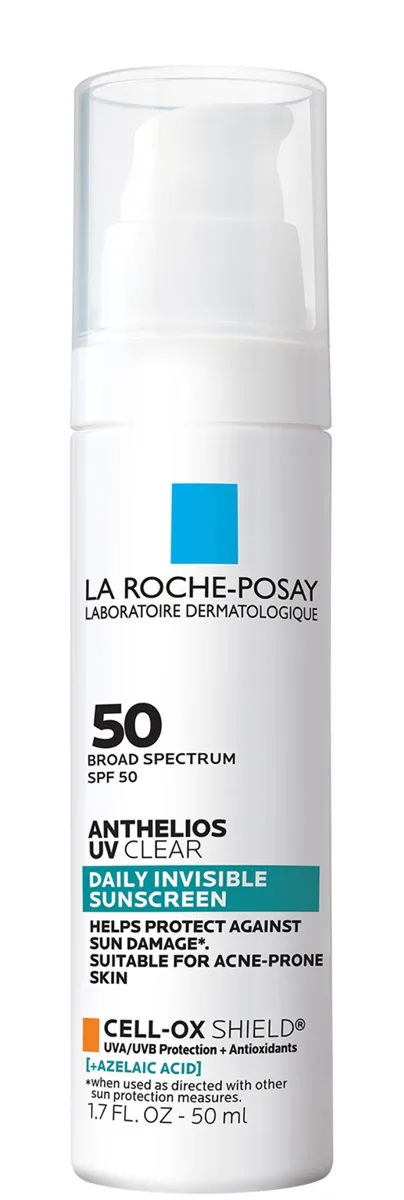 Derm Office Staple
 Anthelios UV Clear Sunscreen SPF 50
One of the only US chemical sunscreens that genuinely earns its 'for sensitive and breakout-prone skin' positioning. A photostable Anthelios filter system paired with a legitimate azelaic acid dose in a lightweight serum-fluid that disappears on every skin tone. Excellent for rosacea, acne, and post-inflammatory hyperpigmentation — and probably the single best daily sunscreen in the La Roche-Posay US lineup for those conditions.
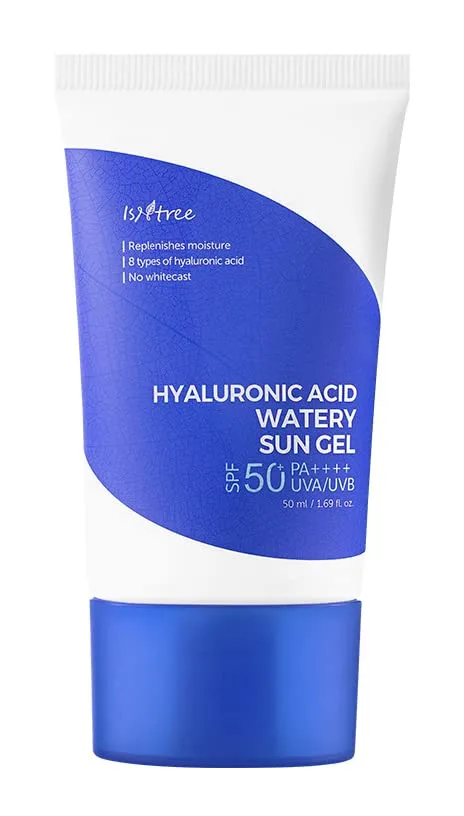 K-Beauty Daily SPF Standout
 Hyaluronic Acid Watery Sun Gel SPF 50+
One of the strongest everyday K-beauty sunscreens in the international market — modern European filters, no white cast, fragrance-free, niacinamide-boosted, and built around the brand's signature six-weight HA complex. At twenty-two dollars for 50ml, it's a case study in how much better a daily sunscreen can be when the formulator cares about both protection and wearability.
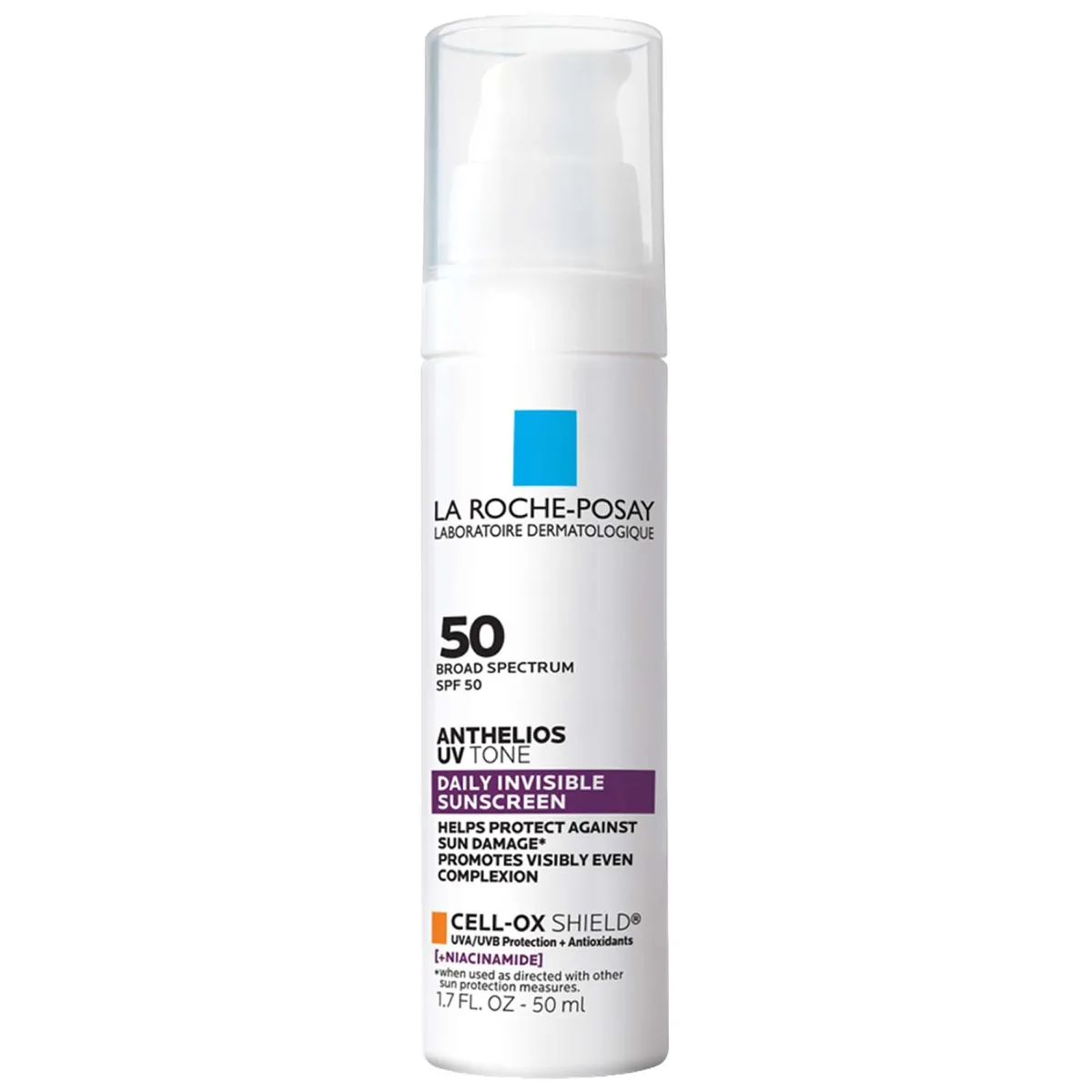 Derm Office Staple
 Anthelios UV Tone Daily Invisible Sunscreen SPF 50
La Roche-Posay's most thoughtful answer yet for hyperpigmentation-prone skin that needs daily SPF. A photostable avobenzone system reinforced with Oxynex ST, paired with a meaningful dose of niacinamide, in a serum-fluid base that goes on invisible on every skin tone. Expensive for 1.7 oz but legitimately well-built — and a rare chemical sunscreen that earns its 'for dark spots' marketing.
 Melasma-Grade Mineral Sunscreen
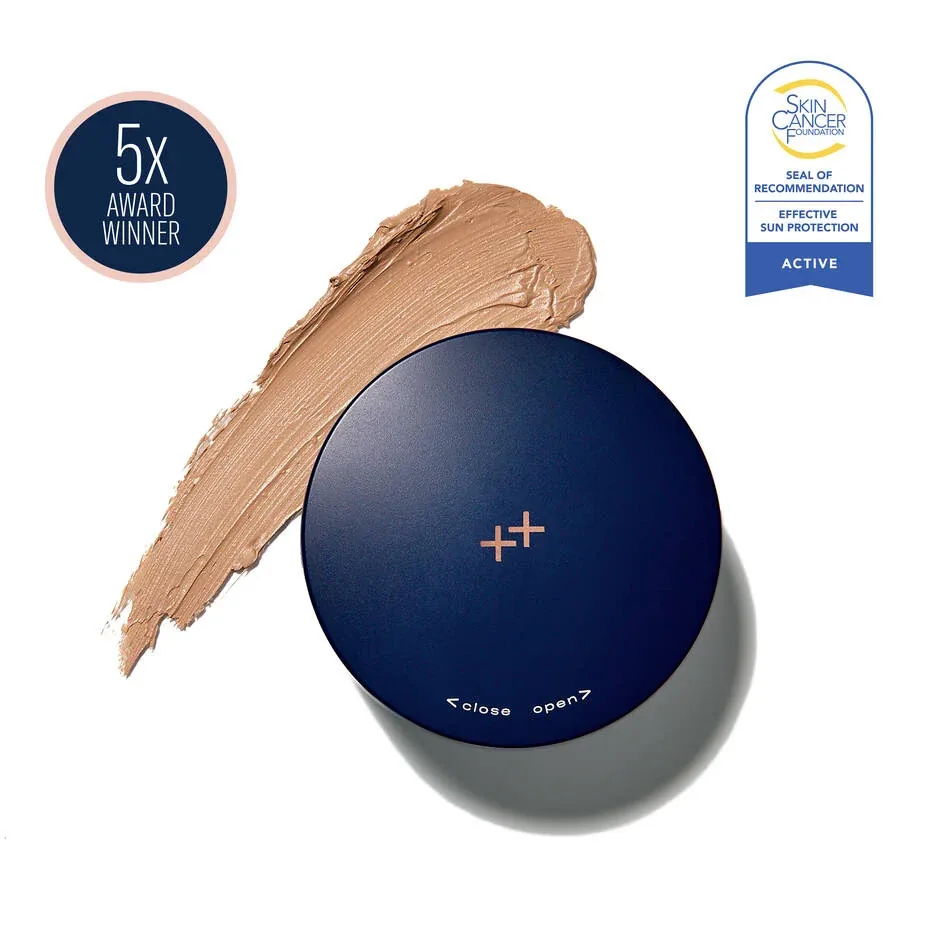
 sunbetter TONE SMART SPF 68
One of the most clinically useful tinted mineral sunscreens in the professional category. SPF 68 from a 100% mineral formula, iron oxide tint that blocks visible light for melasma protection, and an unusually lightweight texture that doesn't feel like you're wearing high-concentration zinc. For patients with melasma or post-inflammatory hyperpigmentation, this is the category benchmark — and it's earned its Allure Best of Beauty wins.
 K-Beauty Cult Favorite
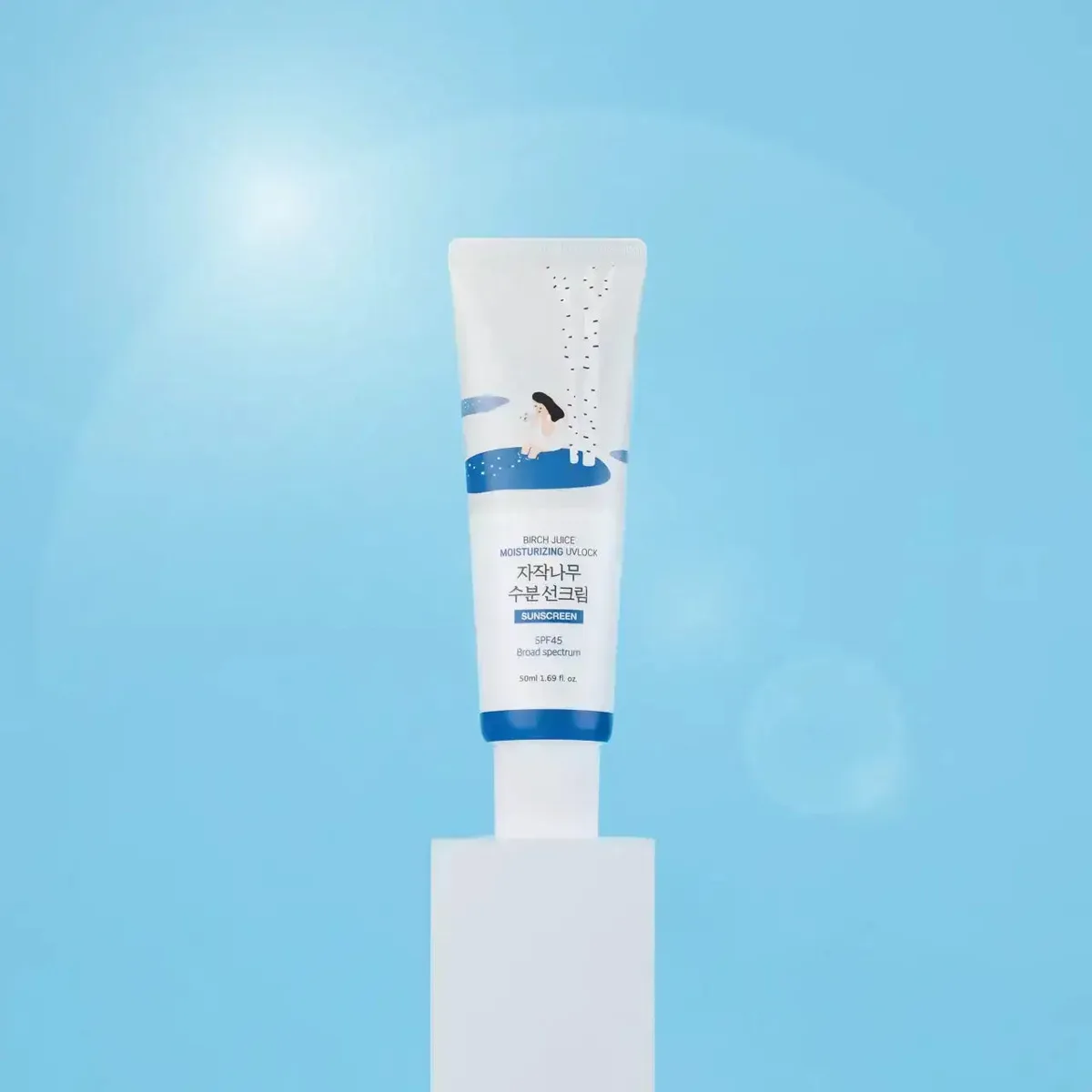
 Birch Juice Moisturizing Sun Cream SPF 50+
One of the best hybrid sunscreens in K-beauty right now — a 70% birch sap base, modern UVA filters you can't get in the US, and a finish that wears like a lightweight moisturizer. Broadly compatible, well-priced, and genuinely pleasant to apply, with minor tradeoffs for oily and fungal-acne-prone users.
 The K-Beauty Sunscreen That Changed Everything
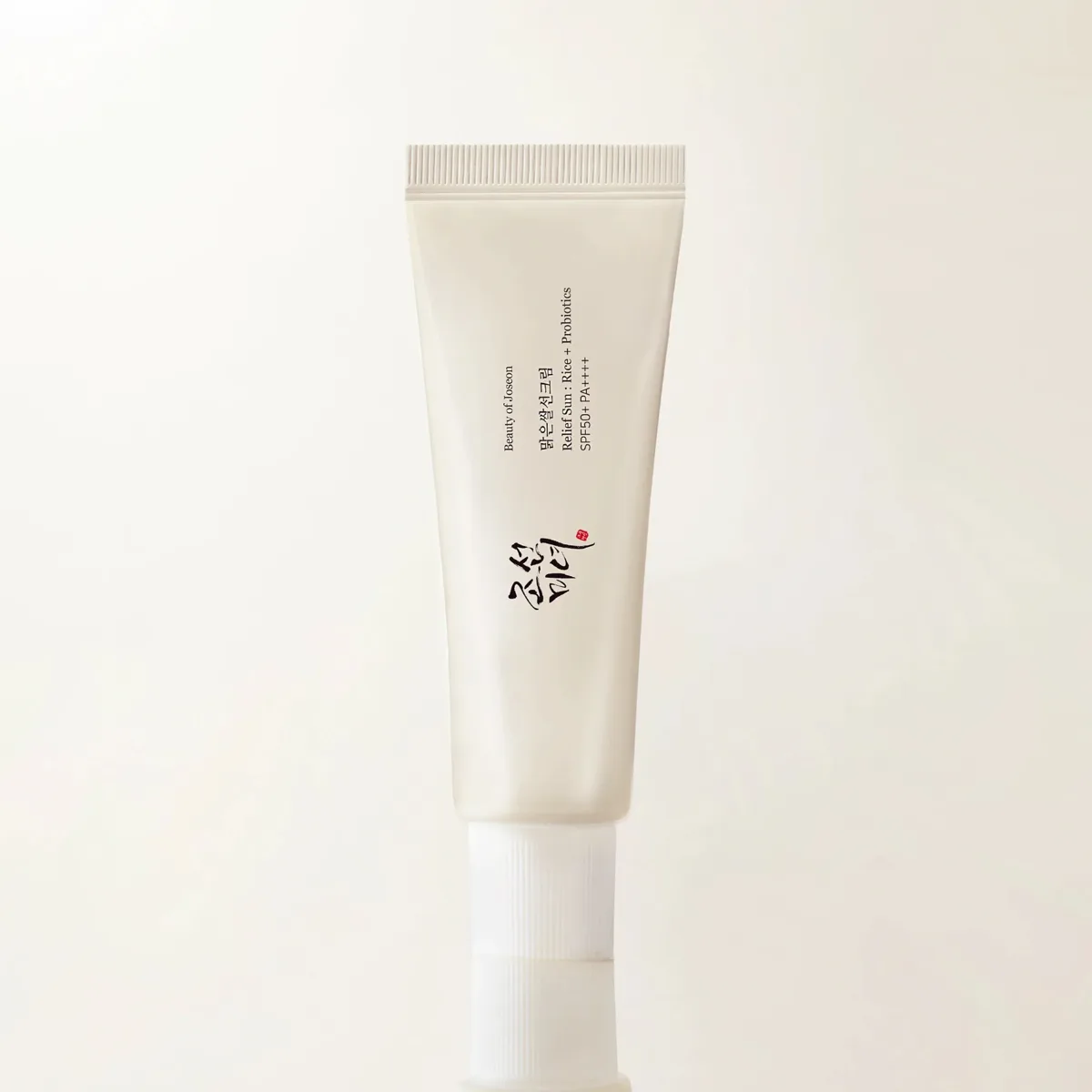
 Relief Sun: Rice + Probiotics SPF 50+
The sunscreen that rewrote the rules for what a $14 product could deliver. With independently verified SPF 50+, 30% rice extract, niacinamide, and a probiotic ferment complex, it offers protection and skincare benefits that rival products three times its price. The texture that feels like wearing nothing on your face is the reason it went viral — and stayed there.