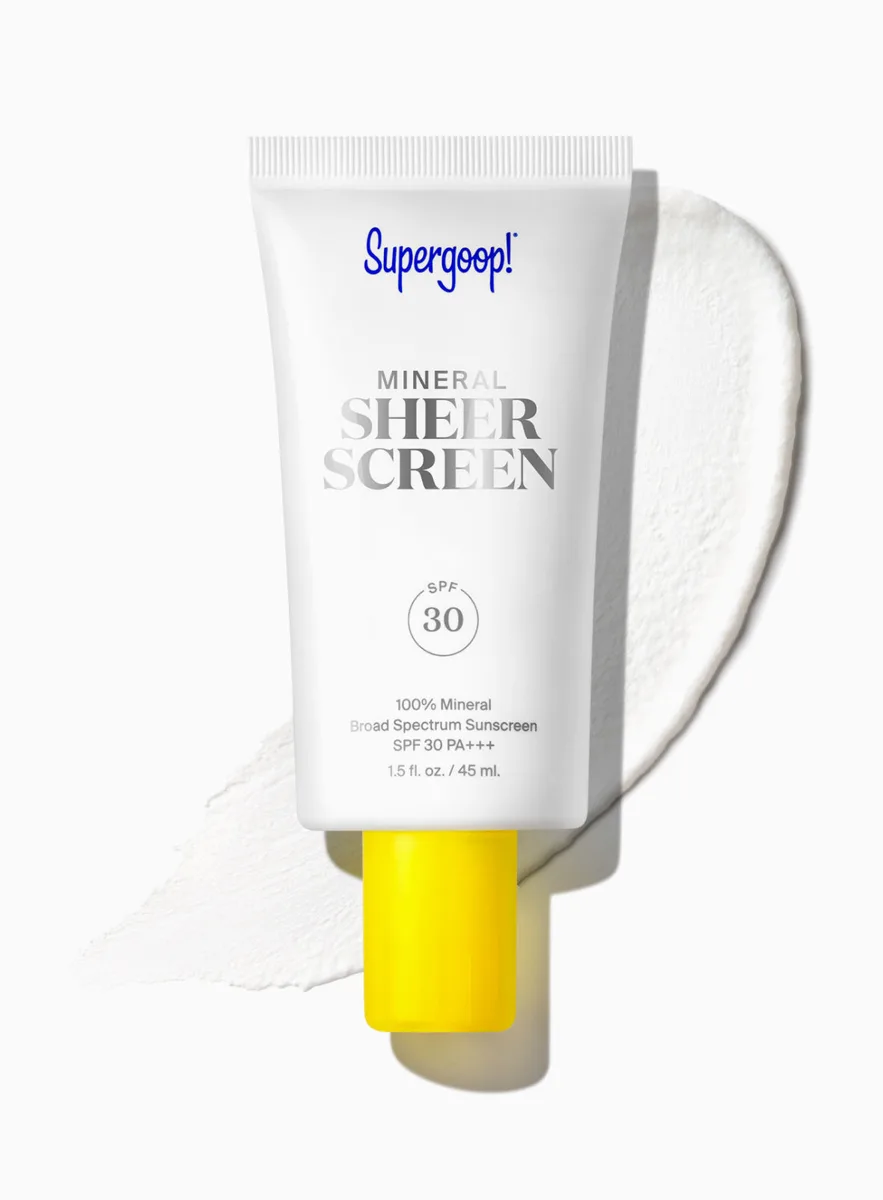
A mineral sunscreen that finally feels like the moisturizer it's been pretending to be. Supergoop! Mineral Sheerscreen SPF 30 delivers 17.5% zinc oxide in a lightweight, squalane-enriched lotion that genuinely disappears into skin — no chalkiness, no heaviness, no negotiation. The trade-off is SPF 30 instead of 50 and no water resistance, but for daily commuter-level protection, it's one of the most pleasant mineral formulas you can put on your face.
Mineral Sheerscreen SPF 30
A mineral sunscreen that finally feels like the moisturizer it's been pretending to be. Supergoop! Mineral Sheerscreen SPF 30 delivers 17.5% zinc oxide in a lightweight, squalane-enriched lotion that genuinely disappears into skin — no chalkiness, no heaviness, no negotiation. The trade-off is SPF 30 instead of 50 and no water resistance, but for daily commuter-level protection, it's one of the most pleasant mineral formulas you can put on your face.
Score Breakdown
Where this product gains points and where it loses them — broken down across the four scoring pillars.
A thoughtfully formulated mineral sunscreen with genuine skincare benefits from squalane and hyaluronic acid. The zinc-oxide-only approach and clean ingredient profile are strong, but the premium price and SPF 30 rating (vs. the increasingly standard SPF 50) hold it back slightly.
Pros & Cons
- ✓Remarkably sheer application for a 17.5% zinc oxide formula thanks to SheerMatrix technology
- ✓Squalane and sodium hyaluronate add genuine skincare hydration beyond basic sun protection
- ✓Fragrance-free with no synthetic scents or essential oils for sensitive skin compatibility
- ✓Zinc-oxide-only formula provides the broadest single-filter mineral UV coverage available
- ✓Lightweight moisturizer-like texture encourages consistent daily use and reapplication
- ✓100% mineral formula is pregnancy-safe and suitable for post-procedure skin
- ✓Clean ingredient profile with Leaping Bunny certification and Clean at Sephora seal
- ✗SPF 30 is below the increasingly standard SPF 50 for premium facial sunscreens
- ✗Not water-resistant, requiring alternative protection for swimming and heavy sweating
- ✗Premium price at $38 for 1.5 oz that lasts only 2-3 months with daily use
- ✗Untinted formula may leave visible cast on medium to deep skin tones
- ✗Not vegan due to potential animal-derived lecithin in the formula
Full Review
The dirty secret of the mineral sunscreen market is that most people who buy them stop using them. They purchase a tube motivated by clean ingredient lists and dermatologist endorsements, apply it once, catch a glimpse of their chalky, greased-up reflection, and quietly switch back to chemical formulas or — worse — no sunscreen at all. The mineral sunscreen industry has an adherence problem dressed up as a formulation problem.
Supergoop! Mineral Sheerscreen SPF 30 attacks this head-on. The product has been significantly reformulated since its 2021 launch, stripping out the titanium dioxide, dimethicone-heavy base, and iron oxide tint of the original version in favor of a zinc-oxide-only formula built on a water-based system with squalane, sodium hyaluronate, and aloe vera. The result is something that feels less like a sunscreen and more like a hydrating moisturizer that happens to carry 17.5% zinc oxide.
That concentration number deserves a moment of appreciation. Seventeen and a half percent zinc oxide is a serious amount of mineral filter. Most mineral sunscreens that claim to be sheer or lightweight achieve that feeling by dropping their zinc oxide concentration to 10-12% and supplementing with titanium dioxide. Supergoop! went the opposite direction — maxing out zinc oxide as the sole UV filter and then engineering the vehicle system to make it disappear.
The proprietary SheerMatrix technology is how they pull this off. Rather than suspending zinc oxide particles in a thick cream that sits on top of skin, the formula uses a lightweight matrix that disperses the particles more evenly. The practical result is a product that spreads like a lotion, absorbs within about thirty seconds, and leaves behind a satin finish rather than a white film. On light to medium skin tones, the effect is genuinely impressive — you would not guess from the finish that there's nearly 18% zinc oxide on your face.
The skincare additions are more than marketing decoration. Squalane is a plant-derived lipid that mimics skin's own sebum, providing moisturization without the greasy weight of traditional oils. It's also an emollient that helps the formula spread evenly, serving both a cosmetic and functional purpose. Sodium hyaluronate — the low-molecular-weight form of hyaluronic acid — draws moisture into the skin, counteracting the drying tendency of high-concentration zinc oxide. Aloe vera adds anti-inflammatory calming. Together, these ingredients transform the wearing experience from endurance test to something you might actually look forward to applying.
The texture on skin is remarkably close to a lightweight moisturizer. There's an initial slip from the squalane that gives the formula glide during application, followed by a quick set to a satin-natural finish. It's not matte — if you want oil control, that's what Mattescreen is for — but it's not dewy either. It sits in the comfortable middle ground of skin-that-looks-like-skin. Under makeup, it functions as a light primer, smoothing the surface without the heavy silicone slip of dedicated primers.
The fragrance-free formulation is genuinely clean. No synthetic fragrance, no essential oils, no masking scents. There is a mild, almost nutty aroma from the natural ingredient base, but it dissipates within seconds. For anyone with fragrance sensitivities or rosacea-prone skin, this is a meaningful advantage over the many mineral sunscreens that sneak in lavender oil or eucalyptus under the guise of being natural.
Honesty about limitations: the SPF 30 rating places this below the SPF 50 threshold that has become increasingly standard in the premium sunscreen market. The practical difference in UVB blocking is minimal — 97% versus 98% — but the psychological comfort of a higher number matters to some users, and dermatologists increasingly default to recommending SPF 50. Additionally, this product is explicitly not water-resistant. Supergoop! made a deliberate trade-off: the water-resistant film-forming polymers that would make this sweat-proof are the same ingredients that contribute most to the white cast and heavy feel of mineral sunscreens. By leaving them out, they got the elegant texture at the cost of durability during sweating and swimming.
The shade inclusivity question remains. At 17.5% zinc oxide with no tinting agents (the iron oxides were removed in the reformulation), there is an inherent limit to how invisible this can be on deeper skin tones. Supergoop! doesn't claim zero white cast — they claim minimal white cast — and for lighter complexions, that claim holds. For medium to deep skin tones, the cast may be noticeable enough to require a tinted product on top.
At $38 for 1.5 ounces, the pricing is premium but consistent with the segment. A mini at 0.5 ounces is available for trial purposes. The tube will last roughly two to three months with once-daily facial application, putting the annual cost around $150-230 depending on usage frequency. For a product that combines genuine mineral protection with genuine skincare ingredients in a texture that people actually want to wear daily, the value proposition makes sense — particularly if it replaces both a separate moisturizer and a separate sunscreen in your routine.
Formula
Key Ingredients
The hero actives that drive this product's performance.
| Ingredient | Function | Evidence |
|---|---|---|
| Zinc Oxide 17.5% (17.5%) | The sole UV filter in this formula, carrying the entire burden of broad-spectrum UVA and UVB protection. At 17.5%, zinc oxide provides the widest spectral coverage of any single mineral filter, and the absence of titanium dioxide means this product relies entirely on zinc oxide's superior UVA absorption to hit its SPF 30 rating. | well-established |
| Squalane | A plant-derived lipid that mirrors skin's own sebum composition, providing lightweight moisture without greasiness. In this mineral sunscreen context, squalane helps the formula spread smoothly and prevents the drying effect that high-concentration zinc oxide can have on skin. | well-established |
| Sodium Hyaluronate | Low-molecular-weight hyaluronic acid that penetrates deeper than standard HA to deliver hydration from within. Counterbalances the potential dehydrating effect of the mineral filter and helps maintain a plump, dewy skin feel under the sunscreen layer. | well-established |
| Aloe Barbadensis Leaf Juice | Provides soothing and anti-inflammatory benefits that complement the sensitive-skin positioning of this mineral formula. Helps calm any reactivity from application and contributes to the lightweight, hydrating feel. | well-established |
| Lespedeza Capitata Leaf/Stem Extract | Bush clover extract rich in isoflavones and polyphenols that provides antioxidant support behind the zinc oxide shield. Adds a layer of free radical defense against the UV damage that mineral filters alone cannot fully prevent. | emerging |
Full INCI List
Active Ingredient: Zinc Oxide 17.5%. Inactive Ingredients: Water, Isododecane, Caprylic/Capric Triglyceride, Butyloctyl Salicylate, Propanediol, Glycerin, Squalane, Trioctyldodecyl Citrate, Polyglycerin-3, Polyglyceryl-3 Lactate/Laurate, Polysilicone-11, Cetearyl Alcohol, Glyceryl Stearate, Sodium Stearoyl Glutamate, Butylene Glycol, Xanthan Gum, Polyacrylate Crosspolymer-6, Isostearic Acid, Lecithin, Polyglyceryl-3 Polyricinoleate, Polyhydroxystearic Acid, Caprylhydroxamic Acid, Citric Acid, Aloe Barbadensis Leaf Juice, Lespedeza Capitata Leaf/Stem Extract, Maltodextrin, Sodium Hyaluronate
Product Flags
✓ Fragrance Free✓ Alcohol Free✗ Oil Free✗ Silicone Free✓ Paraben Free✓ Sulfate Free✓ Cruelty Free✗ Vegan✗ Fungal Acne Safe
Comedogenic Ingredients
Cetearyl AlcoholIsostearic Acid
Compatibility
Skin Match
Best For
Works For
Not Ideal For
Addresses These Conditions
sun damage aging sensitivity dryness post procedure compromised skin barrier
Routine Step
sunscreen
Time of Day
AM
Pregnancy Safe
Yes ✓
Layering Tips
Apply as the final skincare step before makeup. The satin finish works as a light primer. Can be layered over serums and moisturizers without pilling. Allow a minute to absorb before applying foundation.
Results Timeline
Immediate sun protection and subtle satin finish upon application. Hydration benefits from squalane and sodium hyaluronate become apparent within a few days of consistent use. Long-term photoaging prevention requires daily application over months and years.
Pairs Well With
vitamin C serum underneath for enhanced antioxidant protectionhydrating toner or essence for extra moisturelightweight moisturizer for dry skin
Sample AM Routine
- Gentle cleanser
- Hydrating toner or serum
- Lightweight moisturizer (if needed)
- Supergoop! Mineral Sheerscreen SPF 30
- Makeup (optional)
Sample PM Routine
- Double cleanse
- Treatment serum
- Night moisturizer
Evidence
Science & Expert Perspective
The Science
Mineral Sheerscreen relies exclusively on zinc oxide at 17.5% for UV protection — a noteworthy formulation choice. Zinc oxide is unique among UV filters in that it provides meaningful absorption across the entire UVA and UVB spectrum (290-400nm), making it the only single ingredient capable of delivering true broad-spectrum protection. A comprehensive review in Photodermatology, Photoimmunology & Photomedicine (2019) confirmed zinc oxide's superior spectral breadth compared to titanium dioxide, which is more efficient in UVB but drops off significantly in UVA1 (340-400nm).
The common description of mineral sunscreens as 'physical blockers' that reflect UV rays is misleading. Research by Osterwalder and colleagues published in Photodermatology, Photoimmunology & Photomedicine (2016) demonstrated that zinc oxide and titanium dioxide protect skin primarily through absorption, with average reflection contributing less than SPF 2. This means zinc oxide works by the same fundamental mechanism as chemical filters — absorbing UV photon energy — just in an inorganic particle form.
The skincare actives in this formula have their own evidence base. Squalane, a hydrogenated form of squalene (naturally present in human sebum), has demonstrated anti-inflammatory and barrier-repair properties in dermatological literature. Sodium hyaluronate, the sodium salt of hyaluronic acid, has robust clinical evidence for improving skin hydration and elasticity. Its low molecular weight allows deeper penetration than standard hyaluronic acid, delivering moisture to the dermis-epidermis junction rather than sitting only on the surface.
The decision to omit water-resistant polymers has a formulation logic beyond marketing. Acrylate crosspolymers and similar film-forming agents are among the primary contributors to the white cast and heavy feel of mineral sunscreens. By removing them, Supergoop! achieved the sheer texture but sacrificed the 80-minute water resistance that the FDA's 'water-resistant' label requires.
References
- A review of inorganic UV filters zinc oxide and titanium dioxide — Photodermatology, Photoimmunology & Photomedicine (2019)
- Metal oxide sunscreens protect skin by absorption, not by reflection or scattering — Photodermatology, Photoimmunology & Photomedicine (2016)
Dermatologist Perspective
Dermatologists frequently recommend zinc-oxide-based mineral sunscreens for patients with sensitive, reactive, or rosacea-prone skin, and this formula aligns well with that guidance. The 17.5% zinc oxide concentration provides the broad-spectrum protection dermatologists consider meaningful, while the fragrance-free, clean ingredient profile minimizes sensitization risk. Board-certified dermatologists note that SPF 30 meets the minimum threshold they recommend, though many now prefer SPF 50 as the standard recommendation. The lack of water resistance is a practical limitation that dermatologists would flag for patients with outdoor-heavy lifestyles. The addition of squalane and sodium hyaluronate addresses a common dermatological concern with mineral sunscreens — that their drying tendency can compromise skin barrier function over time.
Guidance
Usage Guide
How to Use
Apply generously to face and neck as the final step of your morning skincare routine, after serums and moisturizer. Use approximately a nickel-sized amount for full face coverage. Allow 30-60 seconds for absorption before applying makeup. Reapply every two hours during sun exposure and immediately after sweating or toweling. Not water-resistant — switch to a dedicated sport sunscreen for swimming or intense outdoor activity.
Value Assessment
At $38 for 1.5 fl oz, this sits firmly in the premium mineral sunscreen tier. A 0.5 fl oz mini offers a lower-commitment trial option. The value equation improves if this replaces both a moisturizer and a sunscreen in your morning routine, which its squalane and hyaluronic acid content makes feasible for normal to dry skin types. Supergoop!'s established reputation and the genuine formulation innovation of the SheerMatrix technology justify a premium over drugstore mineral options, but the SPF 30 rating and lack of water resistance mean you're paying for cosmetic elegance and daily wearability rather than maximum protection specs.
Who Should Buy
Normal to dry skin types who want mineral sun protection that feels like a hydrating moisturizer. Anyone seeking a pregnancy-safe, fragrance-free SPF for daily commuter-level use. Sensitive and post-procedure skin that needs gentle, mineral-only protection without the heavy, chalky texture of traditional zinc oxide formulas.
Who Should Skip
Those who need water-resistant protection for swimming, sports, or heavy sweating. Oily skin types who want oil control from their sunscreen — Mattescreen is the better fit. Anyone with deeper skin tones should swatch test first, as the untinted formula may leave a visible cast. Users who want SPF 50 or higher for extended outdoor exposure.
Ready to try Supergoop! Mineral Sheerscreen SPF 30?
Details
Details
Texture
Lightweight lotion with a moisturizer-like consistency that spreads easily without heavy rubbing. Thinner than most mineral sunscreens, with a fluid feel that belies its 17.5% zinc oxide content.
Scent
Fragrance-free with a mild, pleasant nutty aroma from the natural ingredient base. No synthetic fragrance or essential oils.
Packaging
Squeeze tube in Supergoop!'s branded packaging. Outer packaging made from 100% post-consumer recycled paper with environmentally-friendly inks. Available in 1.5 fl oz (full) and 0.5 fl oz (mini) sizes.
Finish
satinnaturallightweight
What to Expect on First Use
Applies like a lightweight moisturizer with immediate slip from the squalane. The zinc oxide disappears into skin within 30-60 seconds of blending, leaving a satin finish that feels hydrated rather than powdery. No adjustment period needed. Those with deeper skin tones should test on a small area first to assess cast.
How Long It Lasts
2-3 months with once-daily facial application
Period After Opening
12 months
Best Season
All Year
Certifications
Leaping Bunny CertifiedPETA Cruelty-FreeClean at SephoraReef-FriendlyFSA/HSA Eligible
Background
The Why
Supergoop! developed Mineral Sheerscreen to prove that mineral sunscreens don't have to compromise on cosmetic elegance. While the brand's Mattescreen targeted oily skin with a primer-like finish, Sheerscreen was designed for the broader audience of normal to dry skin types who wanted mineral protection that felt like their daily moisturizer. The formula was significantly reformulated to remove titanium dioxide and iron oxides, doubling down on zinc-oxide-only protection with added skincare actives.
About Supergoop! Established Brand (5–20 years)
Supergoop! launched in 2007 as the first lifestyle brand dedicated entirely to sun protection. It has earned seven consecutive Allure Best of Beauty awards, multiple CEW Beauty Awards, and recognition as one of Time Magazine's 100 Most Influential Companies (2022).
Brand founded: 2007 · Product launched: 2021
Myth vs. Reality
Myths & Misconceptions
Myth
SPF 30 provides significantly less protection than SPF 50
Reality
SPF 30 blocks approximately 97% of UVB rays, while SPF 50 blocks about 98%. The practical difference is approximately 1 percentage point. The more important factor is consistent, adequate application and reapplication — which a formula this pleasant to wear actually encourages.
Myth
A single mineral filter can't provide adequate broad-spectrum protection
Reality
Zinc oxide is unique among UV filters in that it provides meaningful absorption across both the UVA and UVB spectrum. At 17.5%, it delivers sufficient broad-spectrum coverage without needing titanium dioxide as backup, which is why this formula can rely on zinc oxide alone.
FAQ
Frequently Asked Questions
Does Supergoop Mineral Sheerscreen leave a white cast?
For light to medium skin tones, the SheerMatrix technology makes the 17.5% zinc oxide virtually invisible. However, on deeper skin tones, some users report a slight cast. The current formula is untinted, so there are no iron oxides to help mask residual whiteness on darker complexions.
Is Supergoop Mineral Sheerscreen safe for pregnancy?
Yes. The sole active ingredient is zinc oxide, which is one of only two UV filters (along with titanium dioxide) that dermatologists recommend during pregnancy. The formula contains no chemical UV filters, retinoids, or other pregnancy-cautioned ingredients.
Can I use Supergoop Mineral Sheerscreen on sensitive skin?
Yes — this formula is well-suited for sensitive skin. It's fragrance-free, uses only mineral UV filtration (zinc oxide is inherently gentle), and includes soothing ingredients like aloe vera and squalane. The clean ingredient profile avoids common sensitizers.
Is Supergoop Mineral Sheerscreen water-resistant?
No. This product is not water-resistant, which means it will wash off during swimming or heavy sweating. Supergoop! deliberately omitted water-resistant film-forming polymers, which are a primary contributor to white cast in mineral sunscreens. For water activities, choose a water-resistant formula instead.
How does Mineral Sheerscreen differ from Mineral Mattescreen?
Sheerscreen has a satin, moisturizer-like finish designed for normal to dry skin, while Mattescreen has a silicone-primer texture that controls oil for oily to combination skin. Sheerscreen uses zinc oxide only; the older Mattescreen formula uses both zinc oxide and titanium dioxide with iron oxide tinting. They serve different skin types and finish preferences.
Why is this only SPF 30 and not SPF 50?
SPF 30 blocks approximately 97% of UVB rays versus SPF 50's 98% — a difference of about 1 percentage point in practical protection. Supergoop! likely chose SPF 30 to maintain the lightweight, sheer texture that defines this product; achieving SPF 50 with zinc oxide alone would require either higher concentration (more white cast) or thicker application.
Can I wear makeup over Supergoop Mineral Sheerscreen?
Yes. The satin finish acts as a light primer, creating a smooth base for foundation or tinted moisturizer. Allow about a minute for the product to absorb before applying makeup. The formula is compatible with both water-based and silicone-based foundations.
Community
Community Voices
Common Praise
"Remarkably minimal white cast for a 17.5% zinc oxide sunscreen"
"Moisturizer-like texture that feels like skincare rather than sunscreen"
"Fragrance-free with a pleasant mild natural scent"
"Lightweight and non-greasy with a satin finish"
"Gentle enough for sensitive and reactive skin"
"Blends in quickly and easily without heavy rubbing"
Common Complaints
"Not water-resistant, limiting use for swimming and heavy sweating"
"SPF 30 feels lower than some users want for extended outdoor exposure"
"Premium price at $38 for only 1.5 oz of daily-use sunscreen"
"May leave a slight cast on deeper skin tones despite sheer claim"
"Small tube size runs out quickly with daily application"
Notable Endorsements
Clean at SephoraLeaping Bunny CertifiedPETA Cruelty-FreeDermatologist TestedFSA/HSA Eligible
Appears In
best sunscreen for sensitivity best sunscreen for dryness best mineral sunscreen for dry skin best sunscreen for post procedure
Related Conditions
sun damage aging sensitivity dryness post procedure
Related Ingredients
You Might Also Like
 Derm Office Staple
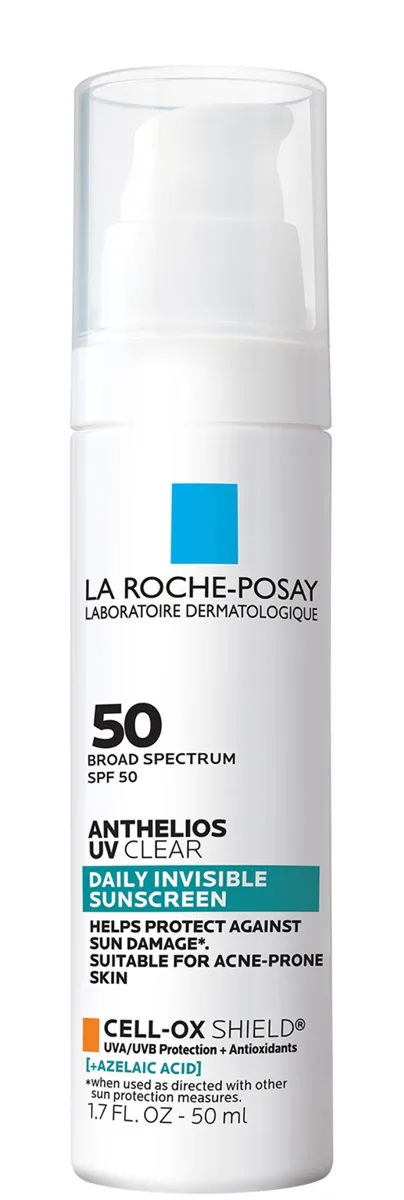
 Anthelios UV Clear Sunscreen SPF 50
One of the only US chemical sunscreens that genuinely earns its 'for sensitive and breakout-prone skin' positioning. A photostable Anthelios filter system paired with a legitimate azelaic acid dose in a lightweight serum-fluid that disappears on every skin tone. Excellent for rosacea, acne, and post-inflammatory hyperpigmentation — and probably the single best daily sunscreen in the La Roche-Posay US lineup for those conditions.
 K-Beauty Daily SPF Standout
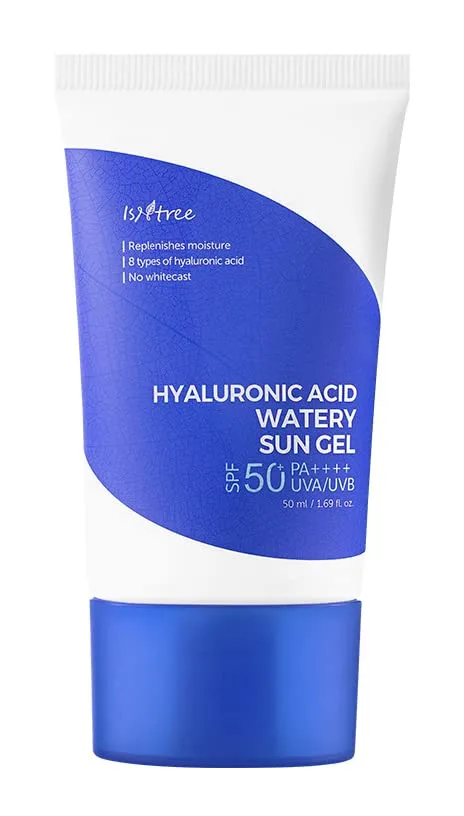
 Hyaluronic Acid Watery Sun Gel SPF 50+
One of the strongest everyday K-beauty sunscreens in the international market — modern European filters, no white cast, fragrance-free, niacinamide-boosted, and built around the brand's signature six-weight HA complex. At twenty-two dollars for 50ml, it's a case study in how much better a daily sunscreen can be when the formulator cares about both protection and wearability.
 Derm Office Staple
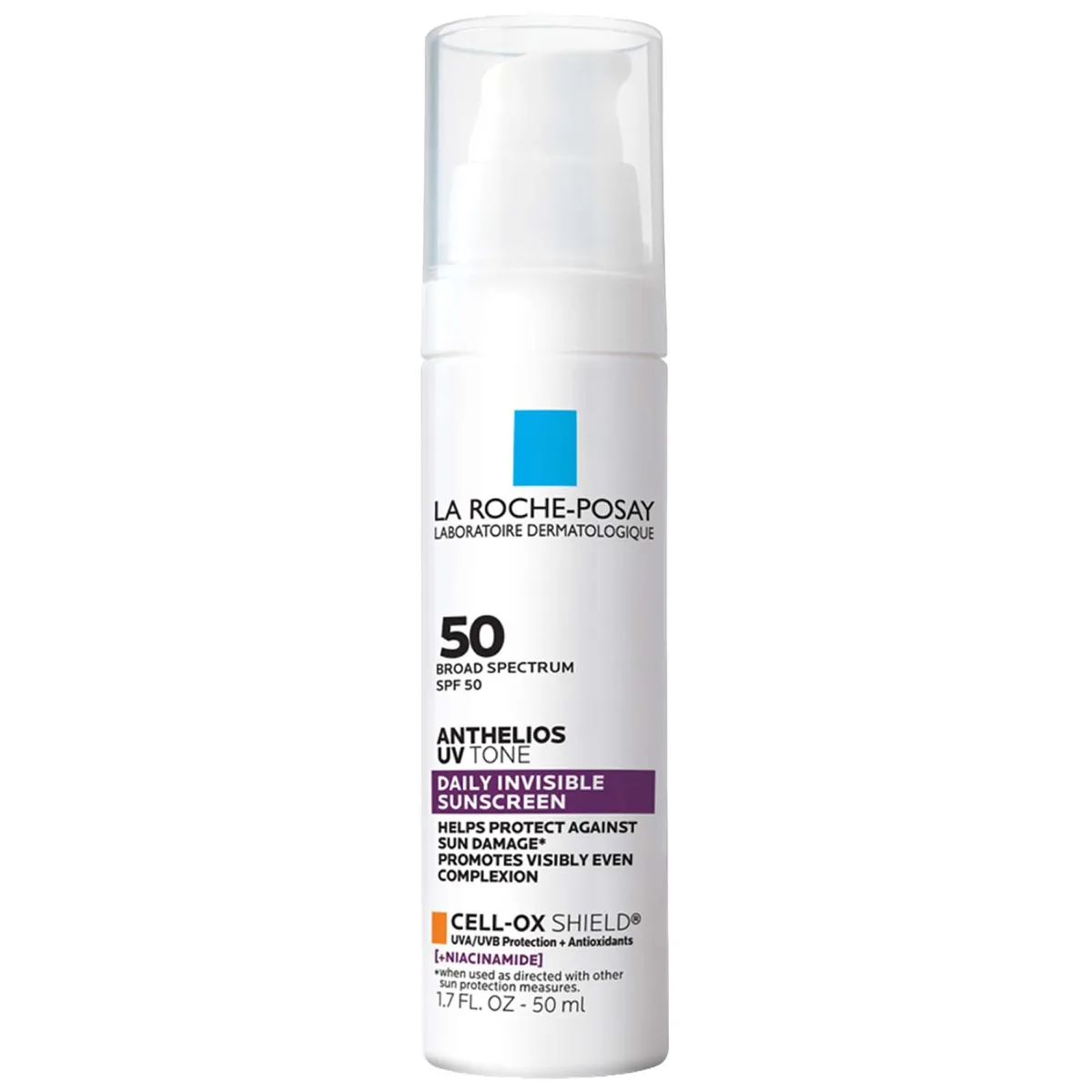
 Anthelios UV Tone Daily Invisible Sunscreen SPF 50
La Roche-Posay's most thoughtful answer yet for hyperpigmentation-prone skin that needs daily SPF. A photostable avobenzone system reinforced with Oxynex ST, paired with a meaningful dose of niacinamide, in a serum-fluid base that goes on invisible on every skin tone. Expensive for 1.7 oz but legitimately well-built — and a rare chemical sunscreen that earns its 'for dark spots' marketing.
 Melasma-Grade Mineral Sunscreen
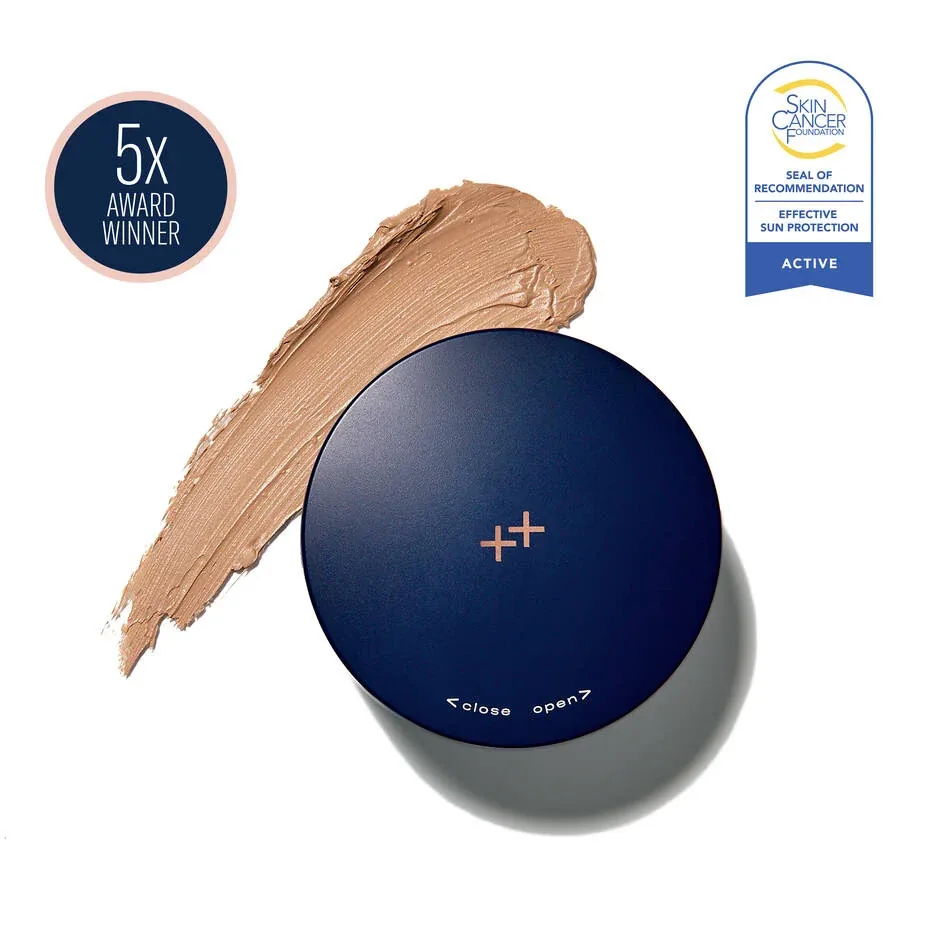
 sunbetter TONE SMART SPF 68
One of the most clinically useful tinted mineral sunscreens in the professional category. SPF 68 from a 100% mineral formula, iron oxide tint that blocks visible light for melasma protection, and an unusually lightweight texture that doesn't feel like you're wearing high-concentration zinc. For patients with melasma or post-inflammatory hyperpigmentation, this is the category benchmark — and it's earned its Allure Best of Beauty wins.
 K-Beauty Cult Favorite
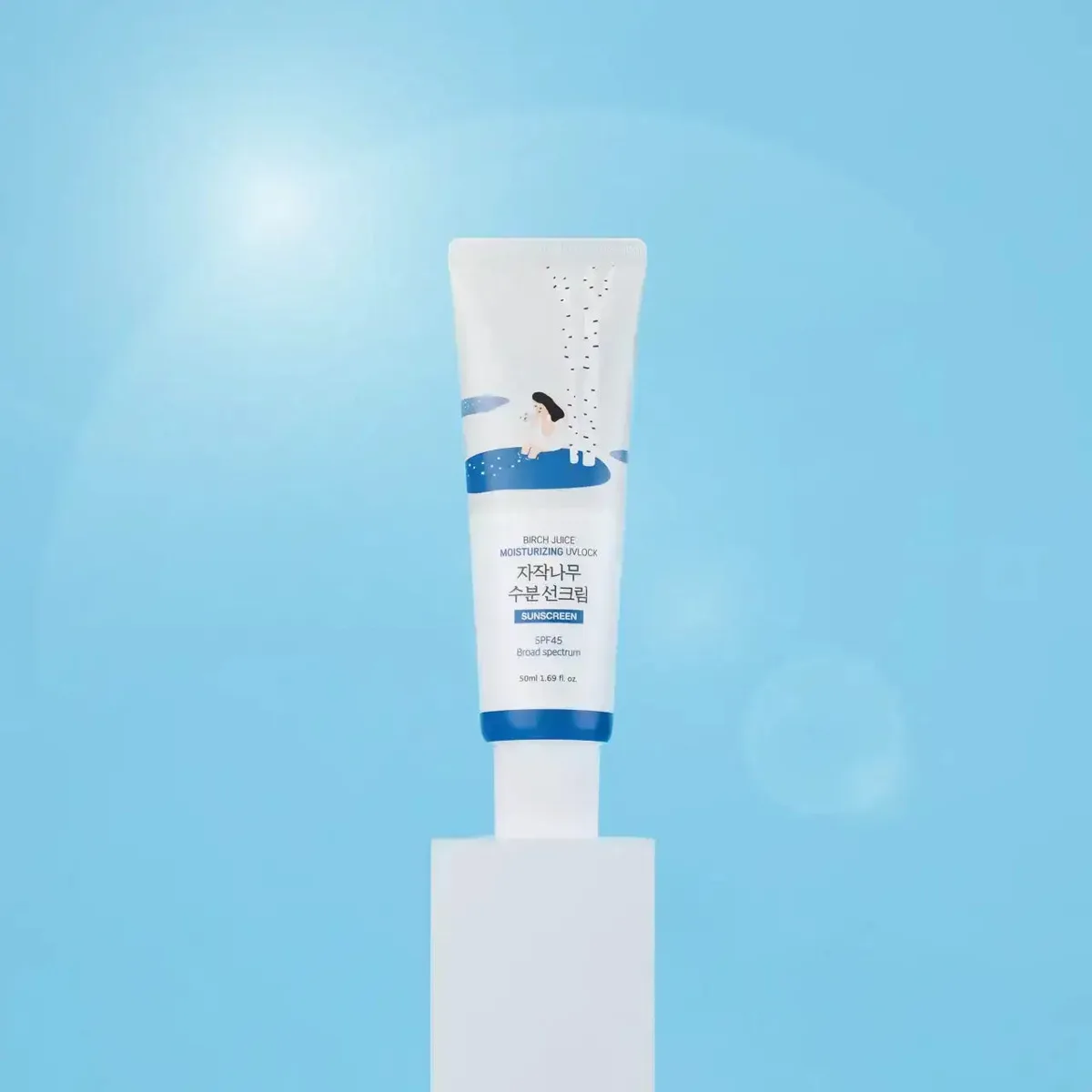
 Birch Juice Moisturizing Sun Cream SPF 50+
One of the best hybrid sunscreens in K-beauty right now — a 70% birch sap base, modern UVA filters you can't get in the US, and a finish that wears like a lightweight moisturizer. Broadly compatible, well-priced, and genuinely pleasant to apply, with minor tradeoffs for oily and fungal-acne-prone users.
 The K-Beauty Sunscreen That Changed Everything
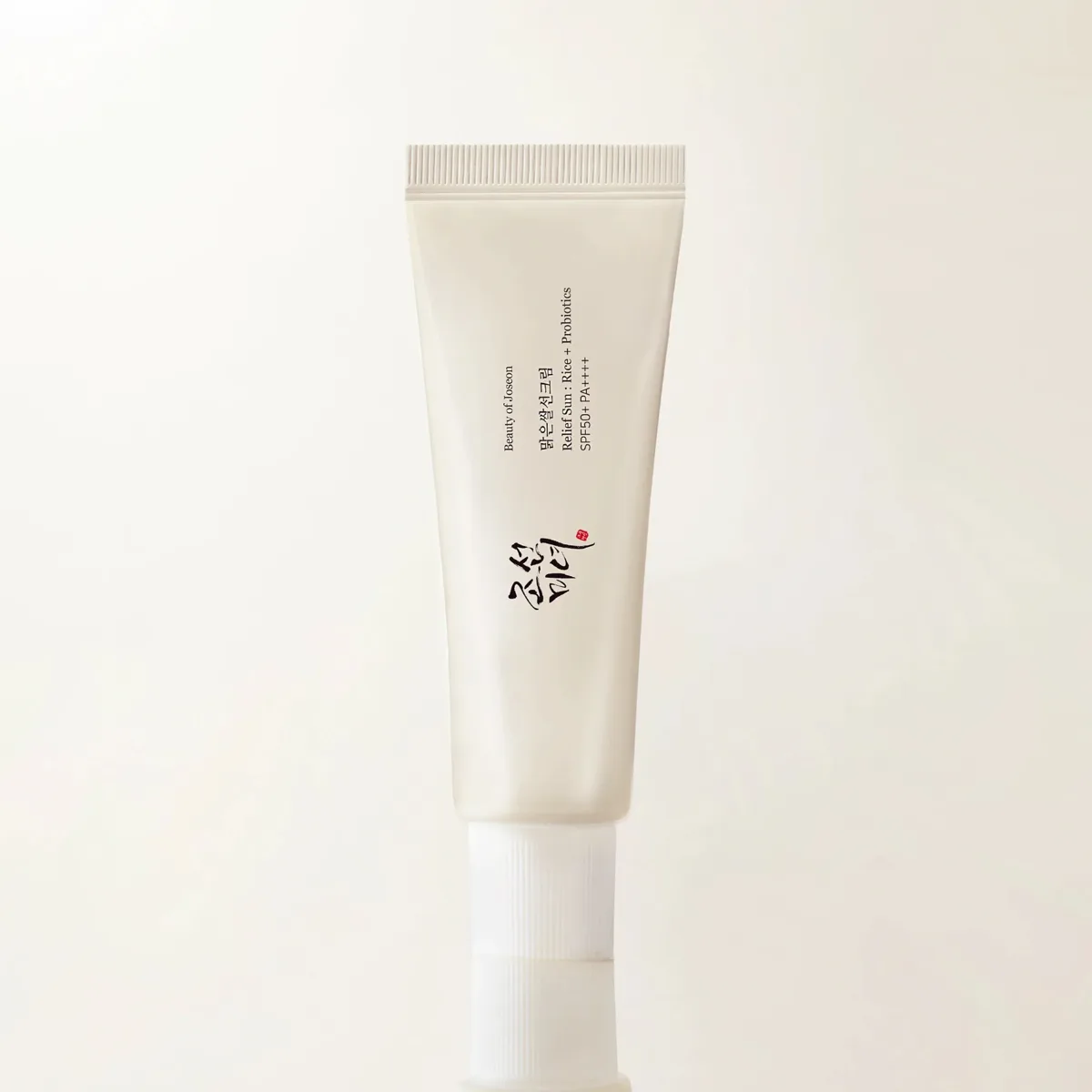
 Relief Sun: Rice + Probiotics SPF 50+
The sunscreen that rewrote the rules for what a $14 product could deliver. With independently verified SPF 50+, 30% rice extract, niacinamide, and a probiotic ferment complex, it offers protection and skincare benefits that rival products three times its price. The texture that feels like wearing nothing on your face is the reason it went viral — and stayed there.