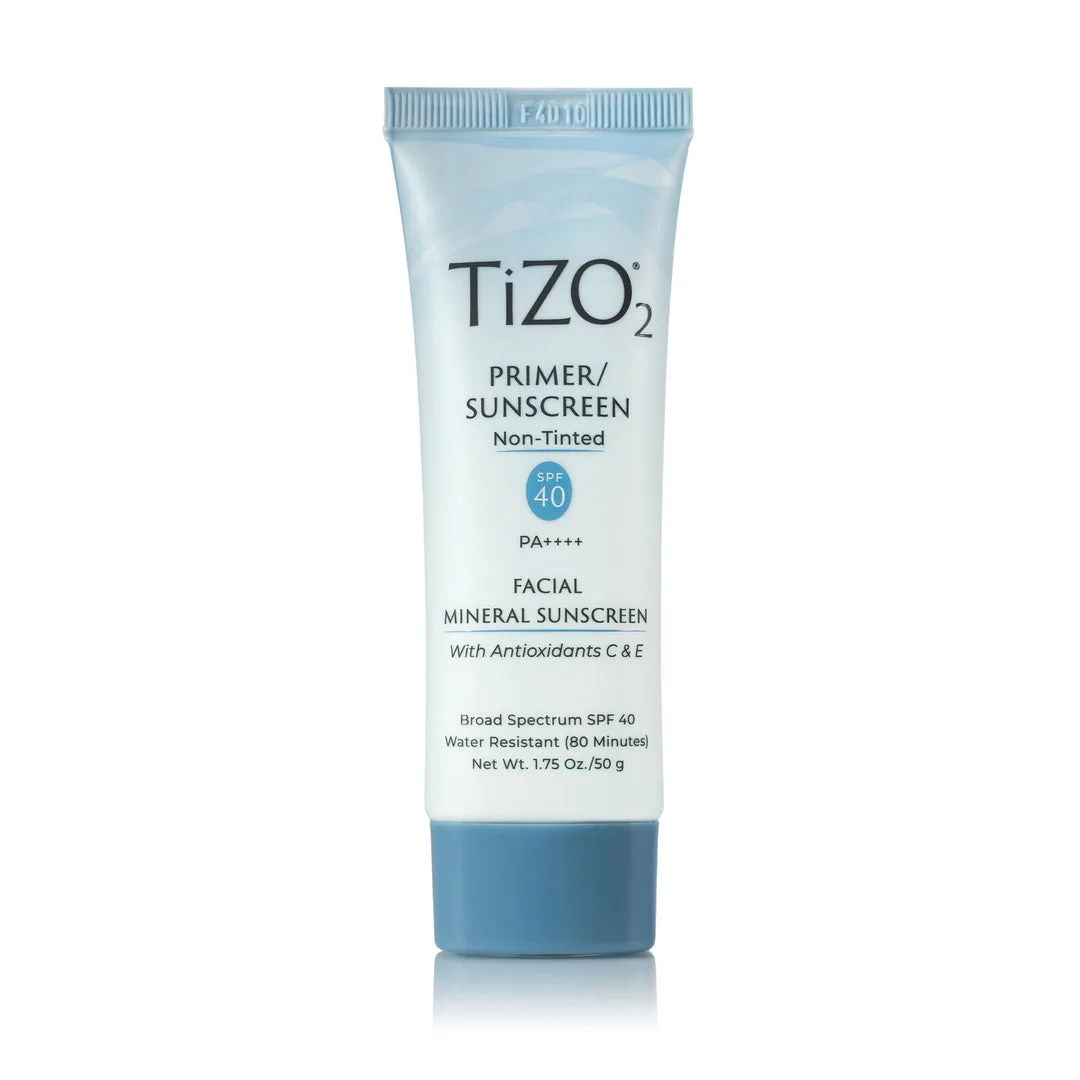
TiZO 2 is less a mineral sunscreen with silicones added and more a silicone-phase formulation with mineral filters suspended in it — a distinction you'll feel the second it hits your skin. The silicone elastomer matrix dries to a genuinely matte finish that doubles as a blurring primer, and stable vitamin C and E give it antioxidant depth uncommon in its era. The $47 price for a 1.75-ounce tube is the main sticking point.
2 Facial Mineral Sunscreen SPF 40 Non-Tinted
TiZO 2 is less a mineral sunscreen with silicones added and more a silicone-phase formulation with mineral filters suspended in it — a distinction you'll feel the second it hits your skin. The silicone elastomer matrix dries to a genuinely matte finish that doubles as a blurring primer, and stable vitamin C and E give it antioxidant depth uncommon in its era. The $47 price for a 1.75-ounce tube is the main sticking point.
Score Breakdown
A cosmetically sophisticated fragrance-free mineral SPF with stable vitamin C and E antioxidants built into the silicone base. Price and the modest zinc percentage keep this from scoring higher on ingredient quality and value.
Data Confidence: high
TiZO 2 has been on the US market since 2008 and is widely stocked through dermatology offices, Dermstore, SkinStore, and LovelySkin with hundreds of independent reviews and consistent dermatologist commentary.
0/100
Overall Score
Ingredient Quality 0
Value for Money 0
Suitability Breadth 0
Irritation Risk (↑ = safer) 0
Assessment
Pros
- Silicone elastomer base creates a true matte dry-down
- Doubles as a makeup primer, blurring pores under foundation
- Stable tetrahexyldecyl ascorbate plus vitamin E antioxidant support
- Fragrance-free, alcohol-free, and tolerated by sensitive and post-procedure skin
- Dermatologist-office staple with nearly two decades of clinical use
- Holds up under makeup without sliding or oxidizing
- Skin Cancer Foundation Seal of Recommendation
Cons
- Premium $47 price for a 1.75-ounce tube
- Matte finish reads dry on already-dehydrated skin
- Can pill when layered over silicone-heavy foundations
- No iron oxides — leaves a faint cast on deeper skin tones
- Zinc percentage is modest compared to some competitors
Full Review
Most mineral sunscreens start with zinc and titanium and try to figure out how to make them tolerable. TiZO 2 inverts that logic. It's built around a silicone elastomer matrix — cyclopentasiloxane, dimethicone crosspolymer, lauryl PEG/PPG-18/18 methicone, the whole family — and the mineral filters are suspended in that matrix rather than the matrix being shoehorned around them. When you squeeze it out of the tube, you're handling something that feels much more like a high-end silicone primer than a sunscreen, and that's not an accident of formulation. It's the entire design philosophy.
The brand itself is the Pennsylvania sun-protection company Fallene, which has been making mineral sunscreens for dermatology and plastic surgery offices since the mid-1990s. TiZO 2 arrived in the late 2000s, aimed specifically at the post-procedure patient — the person whose face had just been resurfaced, peeled, or lasered, and who needed serious mineral protection that wouldn't sit greasy on raw skin. The silicone elastomer base was the answer. It lets the minerals disperse evenly across a sheet that dries down powdery-matte within a minute, which is why TiZO 2 became a derm-office fixture and still is.
The active load is 8% titanium dioxide and 3.8% zinc oxide. That's a respectable combination but not the maximal mineral loading some competitors chase — EltaMD UV Pure runs higher on zinc, for instance. TiZO's bet is that the evenness of the film matters more than the raw percentage, since a perfectly distributed 8/3.8 film outperforms a patchy 12/8 one. In practice that trade-off reads well: the protection is solid, and the wearability is the best-in-class feature that keeps people applying enough of it to actually get the labeled SPF.
The antioxidant additions are the quiet sophistication. Tetrahexyldecyl ascorbate is a stable, lipid-soluble vitamin C ester that tucks neatly into the silicone phase, sitting in the matrix as a second line of defense against any UV or visible light that penetrates. Paired with tocopheryl acetate — vitamin E — it forms the now-classic vitamin C/E photoprotective couple that regenerates itself in the skin. This was a forward-thinking inclusion when TiZO 2 launched; it's become something of a standard now, and the formula has aged well because of it.
Texturally, this is where TiZO 2 earns its primer reputation. The silicone elastomer matrix creates a blurred, soft-focus finish that absorbs surface shine and gives foundation a flawless bed to sit on. For oily and combination skin, it's often the moment someone realizes they didn't actually need a separate primer step. For normal skin, it still works, though the dry-down can read a touch powdery if your skin leans anywhere toward dehydrated. For genuinely dry skin, this is probably not your sunscreen — the matte finish will accentuate any dryness rather than hide it.
The limitations worth naming are honest. Without iron oxides, there's no visible-light protection and no tint to mask residual cast on deeper skin tones — if either of those matters, TiZO 3 is the pick. The silicone elastomer that gives TiZO 2 its magic can pill if you rub it aggressively or layer it under a heavy silicone foundation, so press-and-pat application is the move. And the 1.75-ounce tube at $47 is genuinely expensive for a daily-use product. Mineral SPF as a category has gotten cheaper and better over the last decade, so the premium TiZO commands is really a premium on the specific silicone-primer experience and the dermatology-office track record, neither of which you'll find in the $20 alternatives.
Where the value tilts in TiZO 2's favor is the primer-replacement math. If you already spend $30-40 on a silicone primer, adding matte mineral SPF to that role starts to justify the price. If you're buying this purely as sunscreen and don't care about the finish, there are less expensive options that protect just as well. The formula has earned its dermatology-office reputation, though — nearly two decades of provider trust isn't nothing — and for post-procedure, rosacea, and oily-sensitive skin, the combination of tolerability and wearability is hard to match.
Formula
Ingredients
The hero actives that drive this product's performance.
| Ingredient | Function | Evidence |
|---|---|---|
| Titanium Dioxide 8% (8%) | Carries the bulk of the UVB and short-UVA workload in this formula. Paired with the 3.8% zinc oxide and dispersed through a heavy silicone-dimethicone base so the particles sit evenly across the skin, producing TiZO's signature matte film rather than the streaky finish unrefined mineral SPFs are known for. | well-established |
| Zinc Oxide 3.8% (3.8%) | Extends coverage into the long UVA1 range that titanium dioxide alone can't reach. The relatively modest zinc percentage is the trade-off that allows TiZO 2 to dry down as cleanly as it does — higher zinc loads tend to drag and chalk, while this level keeps the broad-spectrum claim intact without compromising wearability. | well-established |
| Tetrahexyldecyl Ascorbate | A lipid-soluble, stable form of vitamin C that integrates neatly into the silicone phase of this sunscreen. Sits alongside the mineral filters as antioxidant support, neutralizing free radicals from the UV and visible light that slip past the zinc and titanium — a forward-thinking inclusion for a formula designed in the late 2000s. | promising |
| Tocopheryl Acetate | Works synergistically with the tetrahexyldecyl ascorbate — vitamin C and vitamin E regenerate each other in the skin, extending the antioxidant window of both. Together they form the secondary defense layer that catches radicals generated by any radiation that penetrates the mineral film. | well-established |
| Silicone Elastomer Complex | The cyclopentasiloxane, dimethicone, and dimethicone crosspolymer network is the engineering that defines TiZO 2. It creates a thin, even film that dries to a soft-focus matte, blurs pores, and gives foundation something to grip. This silicone elastomer system is why TiZO 2 wears more like a primer than a traditional sunscreen. | well-established |
Full INCI List
Active Ingredients: Titanium Dioxide 8%, Zinc Oxide 3.8%. Inactive Ingredients: Alumina, Cyclohexasiloxane, Cyclopentasiloxane, Dimethicone, Dimethicone Crosspolymer, Dimethicone/Vinyl Dimethicone Crosspolymer, Dimethiconol, Lauryl PEG/PPG-18/18 Methicone, Hydrogen Dimethicone, PEG-10 Dimethicone, Tetrahexyldecyl Ascorbate, Tocopheryl Acetate
Product Flags
✓ Fragrance Free✓ Alcohol Free✓ Oil Free✗ Silicone Free✓ Paraben Free✓ Sulfate Free✓ Cruelty Free✓ Vegan✓ Fungal Acne Safe
Compatibility
Skin Match
Best For
Works For
Not Ideal For
Addresses These Conditions
sun damage aging rosacea post procedure sensitivity
Routine Step
sunscreen
Time of Day
AM
Pregnancy Safe
Yes ✓
Layering Tips
Apply as the last morning step over moisturizer. Use a generous quarter-teaspoon for the face and let it set for about a minute before applying makeup — the silicone elastomer matrix doubles as a blurring primer and pairs best with foundations that aren't heavily silicone-based themselves.
Results Timeline
Immediate UV protection on application. Over weeks of consistent use, daily wear reduces incidental tanning and inflammation; over months, consistent protection slows visible photoaging and helps fade existing sun damage when paired with actives like vitamin C or tretinoin.
Pairs Well With
niacinamidevitamin-cceramideshyaluronic-acidazelaic-acid
Sample AM Routine
- Gentle cleanser
- Vitamin C serum
- Lightweight moisturizer
- TiZO 2 SPF 40
Sample PM Routine
- Cleanser
- Treatment serum
- Moisturizer
Evidence
Science
The Science
The formulation strategy in TiZO 2 reflects a specific insight: for mineral sunscreens, film evenness often matters more than raw active percentages. Titanium dioxide at 8% is efficient across UVB and short UVA, and zinc oxide at 3.8% extends the protection curve into UVA1 (340-400nm), the wavelength range most associated with photoaging and pigmentation. Both actives fall well within the FDA monograph permitted range, and the SPF 40 rating is the product of efficient dispersion through the silicone elastomer matrix as much as raw filter concentration.
The silicone elastomer base — built from cyclopentasiloxane, dimethicone, dimethicone crosspolymer, and dimethicone/vinyl dimethicone crosspolymer — creates a uniform film on the skin surface that prevents the gaps and clumps responsible for real-world underperformance of many mineral sunscreens. Research on sunscreen film formation has repeatedly shown that uneven application, rather than insufficient filter concentration, is the most common reason sunscreens fail to deliver their labeled SPF in practice.
The antioxidant combination in TiZO 2 is worth noting separately. Tetrahexyldecyl ascorbate is a lipid-soluble vitamin C derivative that's more stable in anhydrous formulas than L-ascorbic acid. It converts to active ascorbate in the skin and offers free radical scavenging without the formulation challenges of unstable vitamin C. Research on combined topical vitamin C and vitamin E has shown that each regenerates the other in the skin, extending the antioxidant activity of both. In the context of photoprotection, this creates a two-layer defense: the mineral filters block most incoming radiation, and the antioxidants catch the free radicals generated by what gets through.
Finally, the silicone elastomer matrix is more than a texture choice. The soft-focus optical effect comes from microscopic surface irregularities in the elastomer network that scatter visible light. This is why the finish reads blurred — the same light that would otherwise highlight fine lines and pores is diffused across the surface. It's a cosmetic benefit with no direct photoprotective value, but it's part of why compliance with daily reapplication is easier with TiZO 2 than with traditional mineral sunscreens.
Dermatologist Perspective
Dermatologists commonly recommend TiZO 2 for patients who cannot tolerate chemical sunscreens or who need a mineral option that works under makeup. It is frequently suggested for rosacea, post-procedure recovery, and oily, acne-prone skin where dewier mineral creams would cause breakouts or slide off. Board-certified dermatologists note that the silicone elastomer base addresses the wearability problem that historically kept patients from sticking with mineral SPF, which matters because daily compliance is the single biggest factor in real-world sun protection. The fragrance-free, alcohol-free formulation makes it a safe default for compromised skin barriers, which is why it remains a fixture in dermatology and plastic surgery offices.
Guidance
Usage Guide
How to Use
Apply as the final morning step over moisturizer, using roughly a quarter-teaspoon for the face and another quarter-teaspoon for the neck and chest. Press and pat into the skin rather than rubbing — this preserves the silicone elastomer film and prevents pilling. Allow about a minute for the base to set into its matte finish before applying makeup. Reapply every two hours of sun exposure or after swimming and sweating. A mineral powder reapplication tool works well over the matte finish without disrupting it.
Value Assessment
At $47 for 1.75 ounces, TiZO 2 sits in the upper tier of mineral sunscreen pricing — meaningfully more than EltaMD UV Clear or La Roche-Posay Anthelios mineral options. What you're paying for is the specific silicone elastomer experience and the dermatology-office track record, neither of which comes with a $20 mineral sunscreen. The value math tilts in TiZO's favor if you'd otherwise buy a separate primer, or if you're specifically managing post-procedure or oily-sensitive skin where alternatives consistently disappoint. For casual daily use on skin without particular concerns, the alternatives do enough of the same job to make TiZO 2 feel like a luxury rather than a necessity.
Who Should Buy
Oily, combination, and acne-prone skin types who want a mineral sunscreen that genuinely wears matte. Excellent for rosacea, post-procedure recovery, and anyone with a compromised barrier who needs fragrance-free, low-irritant protection. Also a strong pick for makeup wearers who want to skip primer.
Who Should Skip
Dry or dehydrated skin will find the matte finish accentuates flakes and tightness — opt for TiZO 3 or a more emollient mineral SPF instead. Deep skin tones may prefer the tinted version to avoid any residual cast. Budget-conscious buyers can find similar protection at lower prices, even if not quite the same primer-like finish.
Ready to try TiZO 2 Facial Mineral Sunscreen SPF 40 Non-Tinted?
Details
Details
Texture
Lightweight silicone cream that dries to a powdery, blurred matte finish.
Scent
Essentially scentless.
Packaging
Squeeze tube with a flip cap, hygienic and travel-friendly.
Finish
mattenon-greasyvelvety
What to Expect on First Use
First application feels silicone-slick, then sets quickly to a dry, blurred finish. There's no sting, no fragrance, and no shine — expect something closer to a primer than a traditional sunscreen. The silicone elastomer base can pill briefly if rubbed aggressively; press and pat instead.
How Long It Lasts
About 2 months with daily face-and-neck use at the recommended quarter-teaspoon dose.
Period After Opening
12 months
Best Season
All Year
Certifications
Skin Cancer Foundation Seal of Recommendation
Background
The Why
TiZO is the consumer line from Fallene, a Pennsylvania sun-protection company that spent years quietly supplying products to dermatology and plastic surgery offices before building out the TiZO range. TiZO 2 was designed specifically for the post-procedure patient — someone whose skin couldn't tolerate greasy sunscreens after a chemical peel or laser treatment but needed serious mineral protection. The silicone elastomer base was the answer.
About TiZO Established Brand (5–20 years)
TiZO is a dermatologist-recommended mineral sunscreen line made by Fallene, a Pennsylvania sun protection company founded in 1995. The brand has been a fixture in US dermatology and plastic surgery offices for nearly two decades and maintains the Skin Cancer Foundation Seal of Recommendation.
Brand founded: 1995 · Product launched: 2008
Myth vs. Reality
Myths
Myth
Mineral sunscreens always leave a white cast.
Reality
The silicone elastomer matrix in TiZO 2 disperses the mineral particles evenly enough that most light-to-medium tones see no residue. Deeper skin tones may still notice a faint cast since there's no tinted pigment here — TiZO 3 is the tinted alternative.
Myth
SPF 40 isn't strong enough — you need SPF 50+.
Reality
SPF 40 blocks roughly 97.5% of UVB versus 98% for SPF 50, a difference you'd struggle to measure in daily life. Application thickness and reapplication matter far more than chasing a higher number on the bottle.
FAQ
FAQ
Does TiZO 2 leave a white cast?
On light to medium skin tones, typically no — the silicone elastomer matrix disperses the titanium and zinc particles evenly enough to keep the finish neutral. On deeper skin tones, a faint cast is possible because there's no tinted pigment compensating like in TiZO 3, so most deeper-tone users gravitate to the tinted version instead.
Is TiZO 2 good for oily skin?
Yes — this is one of the standout mineral sunscreens for oily and combination skin. The silicone elastomer base creates a powdery-matte dry-down that absorbs surface shine and holds up under makeup, which is why dermatology offices often recommend it for acne-prone patients who can't tolerate dewier mineral options.
Can I use TiZO 2 after a chemical peel or laser?
It's frequently recommended for exactly this purpose. The fragrance-free, alcohol-free formulation is well-tolerated by compromised skin, and the lack of chemical filters reduces stinging on resurfaced areas. Always confirm with your provider before applying anything to freshly treated skin.
Does TiZO 2 work as a makeup primer?
Yes, this is one of its most popular uses. The silicone elastomer matrix blurs pores and gives foundation something to grip onto, which is why many users skip primer entirely when wearing it.
What's the difference between TiZO 2 and TiZO 3?
Both use the same 8% titanium dioxide and 3.8% zinc oxide active load. TiZO 2 is non-tinted and dries to a flatter matte. TiZO 3 adds iron oxides for a universal tint and visible-light protection, with a slightly more emollient satin finish — better for normal-to-combination skin and melasma patients.
Is TiZO 2 fragrance-free?
Yes, it's completely fragrance-free, alcohol-free, and free of common irritants — one reason it's a go-to recommendation for rosacea, eczema, and post-procedure patients.
How much should I apply?
Use roughly a quarter-teaspoon (about two finger-lengths) for the face and another quarter-teaspoon for the neck and chest. Underapplication is the most common reason mineral sunscreens underperform their SPF rating.
Community
Community
Common Praise
"Truly matte finish unusual for mineral SPF"
"Doubles as a makeup primer"
"No fragrance, no sting"
"Tolerated by post-procedure and rosacea-prone skin"
"Pairs well with foundation"
Common Complaints
"Premium price for the small tube"
"Can pill if layered over silicone-heavy makeup"
"Matte finish reads dry on already-dry skin"
"Modest zinc percentage compared to competitors"
Notable Endorsements
Frequently stocked in US dermatology and plastic surgery officesSkin Cancer Foundation Seal of Recommendation
Appears In
best mineral sunscreen for oily skin best sunscreen for rosacea best sunscreen for post procedure best matte sunscreen best fragrance free sunscreen
Related Conditions
sun damage aging rosacea post procedure sensitivity
Related Ingredients
You Might Also Like
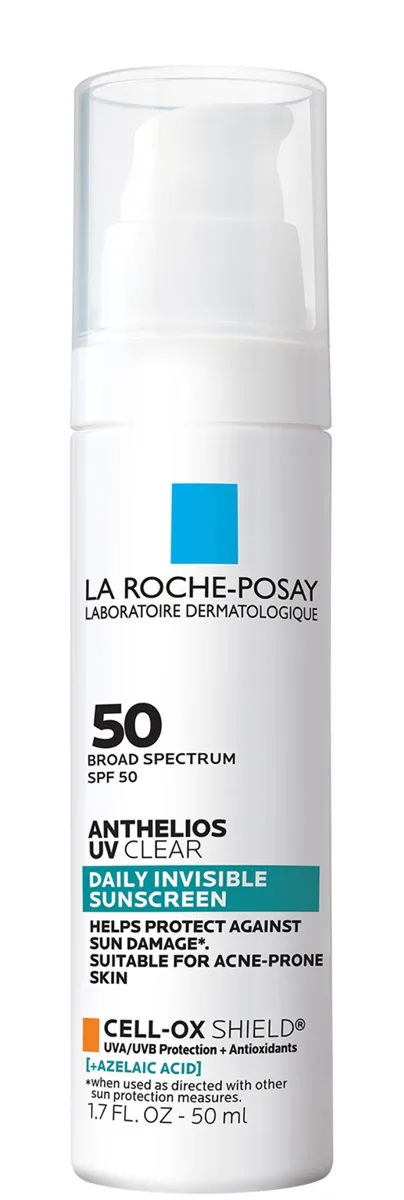 Derm Office Staple
 Anthelios UV Clear Sunscreen SPF 50
One of the only US chemical sunscreens that genuinely earns its 'for sensitive and breakout-prone skin' positioning. A photostable Anthelios filter system paired with a legitimate azelaic acid dose in a lightweight serum-fluid that disappears on every skin tone. Excellent for rosacea, acne, and post-inflammatory hyperpigmentation — and probably the single best daily sunscreen in the La Roche-Posay US lineup for those conditions.
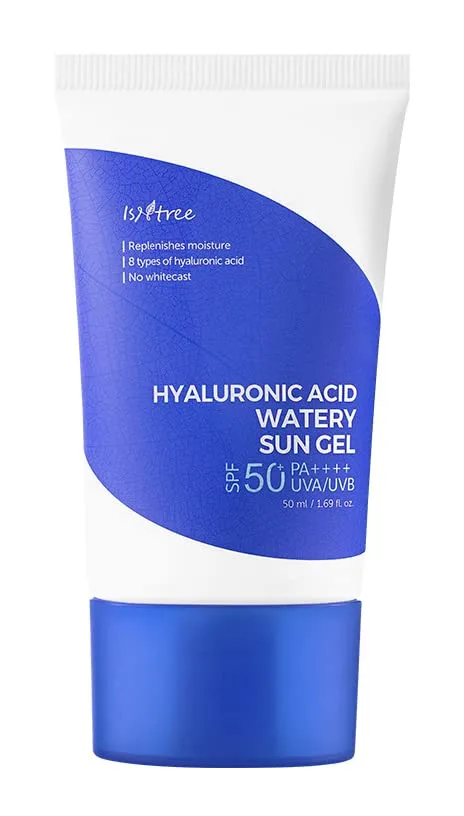 K-Beauty Daily SPF Standout
 Hyaluronic Acid Watery Sun Gel SPF 50+
One of the strongest everyday K-beauty sunscreens in the international market — modern European filters, no white cast, fragrance-free, niacinamide-boosted, and built around the brand's signature six-weight HA complex. At twenty-two dollars for 50ml, it's a case study in how much better a daily sunscreen can be when the formulator cares about both protection and wearability.
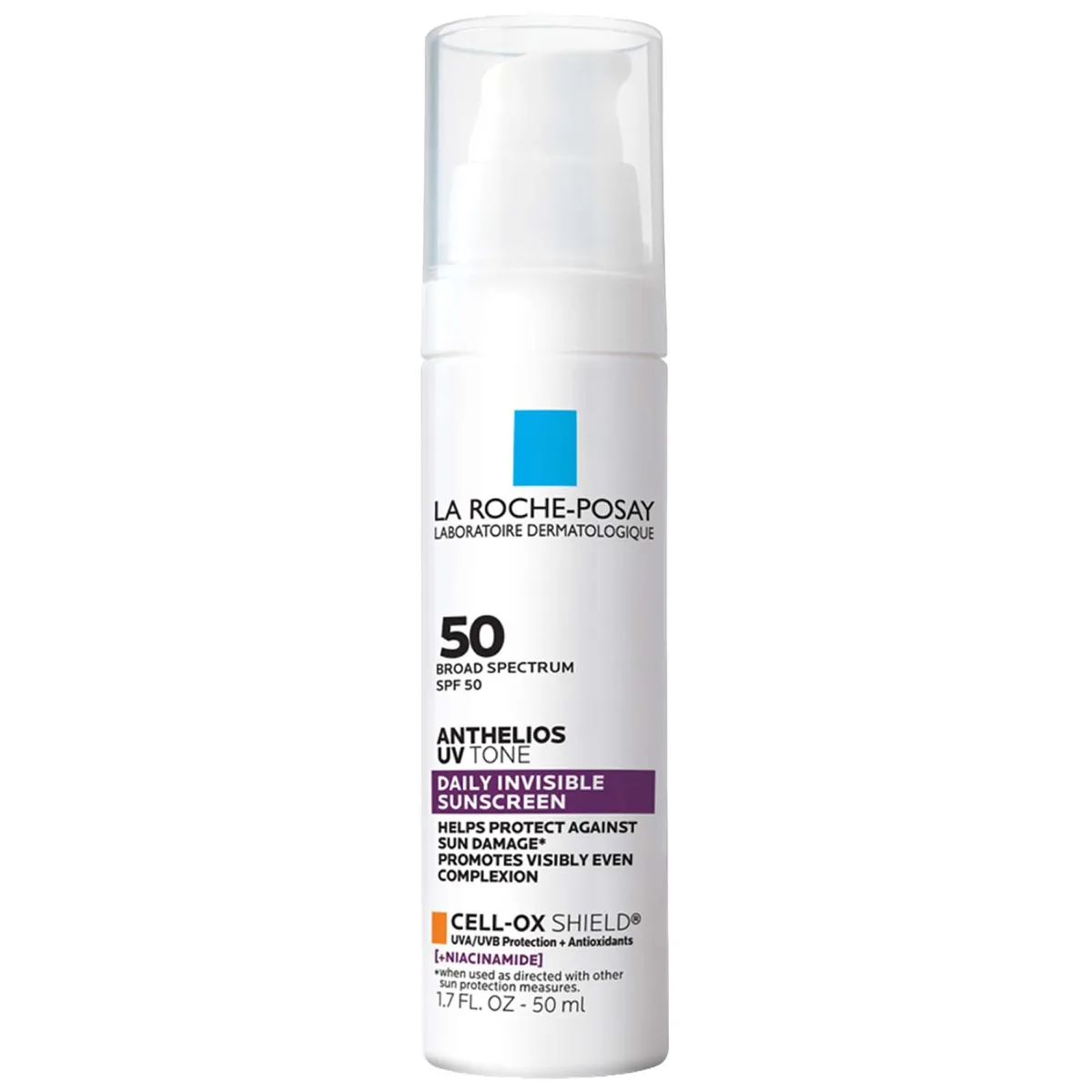 Derm Office Staple
 Anthelios UV Tone Daily Invisible Sunscreen SPF 50
La Roche-Posay's most thoughtful answer yet for hyperpigmentation-prone skin that needs daily SPF. A photostable avobenzone system reinforced with Oxynex ST, paired with a meaningful dose of niacinamide, in a serum-fluid base that goes on invisible on every skin tone. Expensive for 1.7 oz but legitimately well-built — and a rare chemical sunscreen that earns its 'for dark spots' marketing.
 Melasma-Grade Mineral Sunscreen
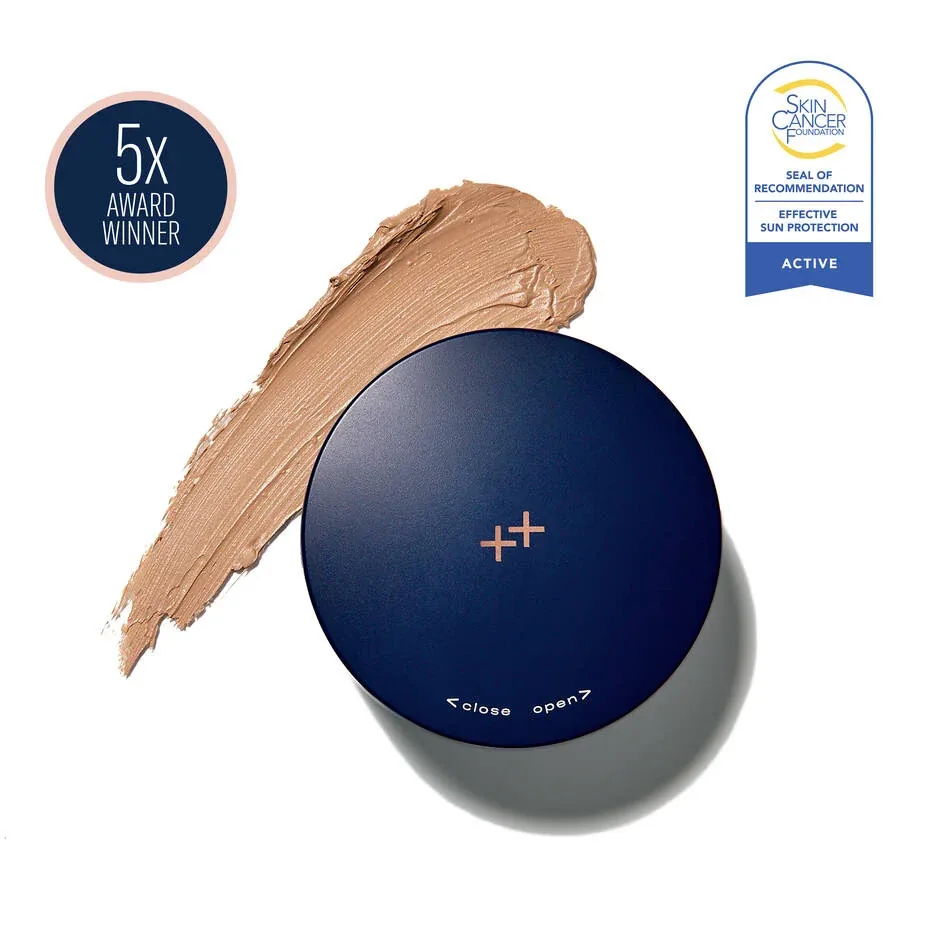
 sunbetter TONE SMART SPF 68
One of the most clinically useful tinted mineral sunscreens in the professional category. SPF 68 from a 100% mineral formula, iron oxide tint that blocks visible light for melasma protection, and an unusually lightweight texture that doesn't feel like you're wearing high-concentration zinc. For patients with melasma or post-inflammatory hyperpigmentation, this is the category benchmark — and it's earned its Allure Best of Beauty wins.
 K-Beauty Cult Favorite
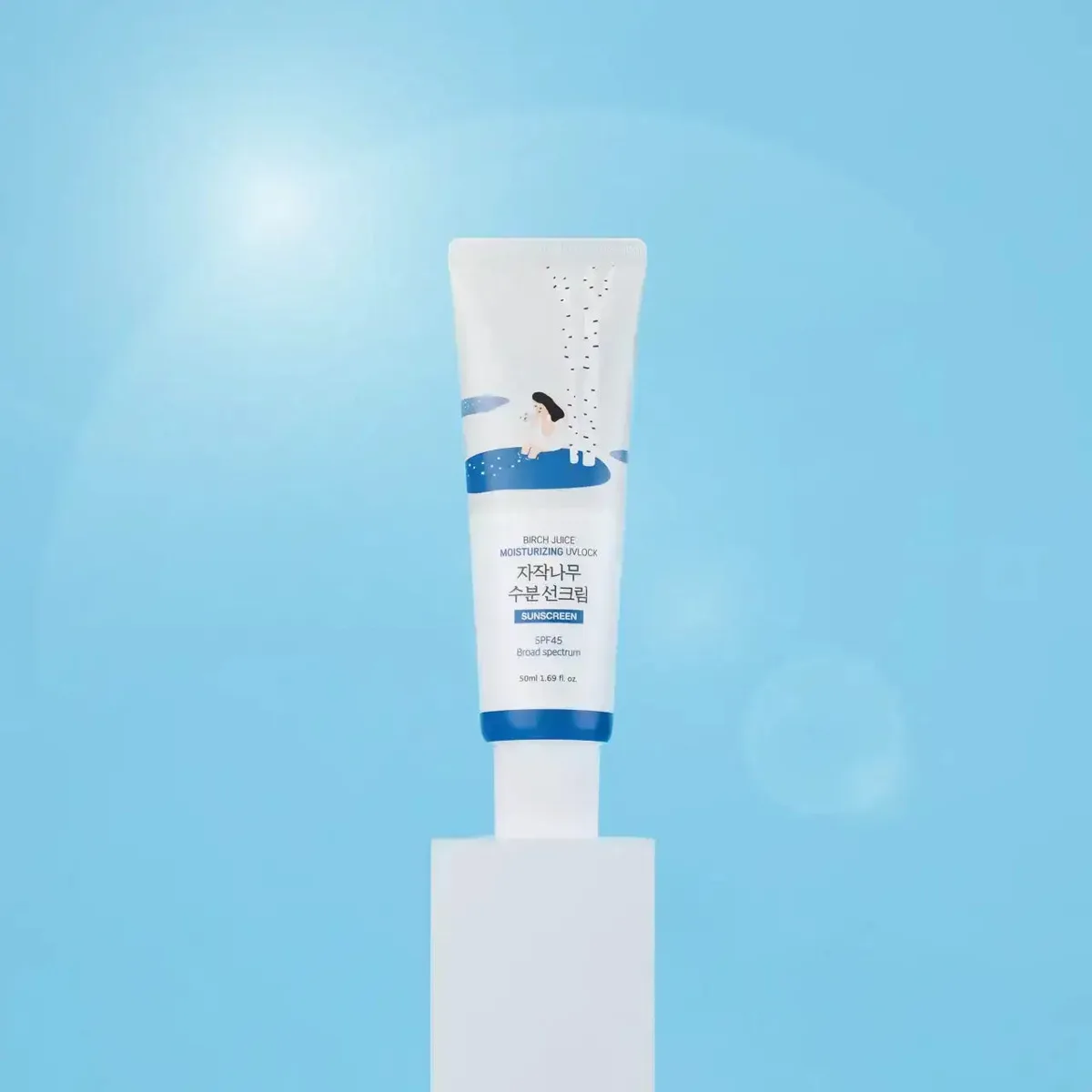
 Birch Juice Moisturizing Sun Cream SPF 50+
One of the best hybrid sunscreens in K-beauty right now — a 70% birch sap base, modern UVA filters you can't get in the US, and a finish that wears like a lightweight moisturizer. Broadly compatible, well-priced, and genuinely pleasant to apply, with minor tradeoffs for oily and fungal-acne-prone users.
 The K-Beauty Sunscreen That Changed Everything
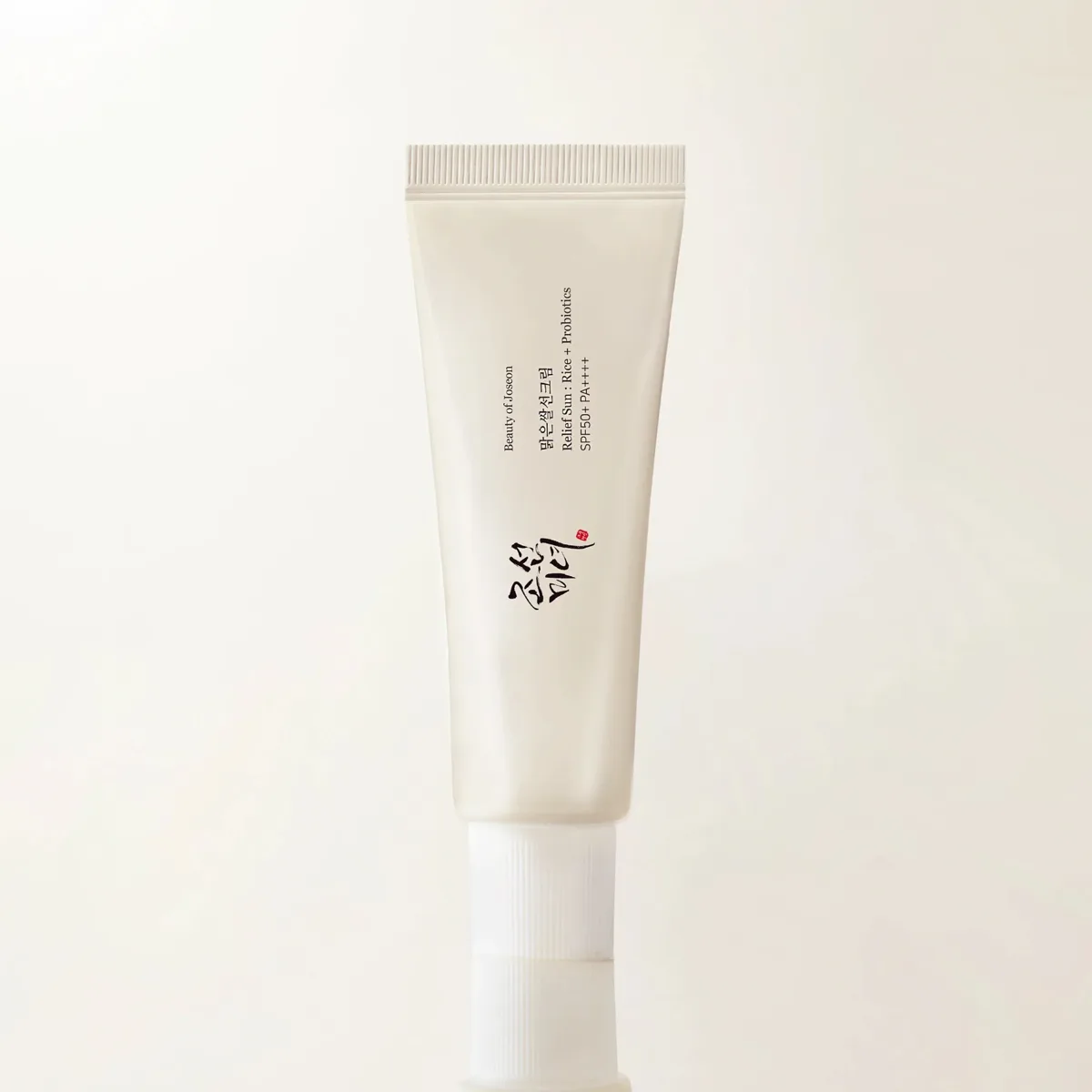
 Relief Sun: Rice + Probiotics SPF 50+
The sunscreen that rewrote the rules for what a $14 product could deliver. With independently verified SPF 50+, 30% rice extract, niacinamide, and a probiotic ferment complex, it offers protection and skincare benefits that rival products three times its price. The texture that feels like wearing nothing on your face is the reason it went viral — and stayed there.