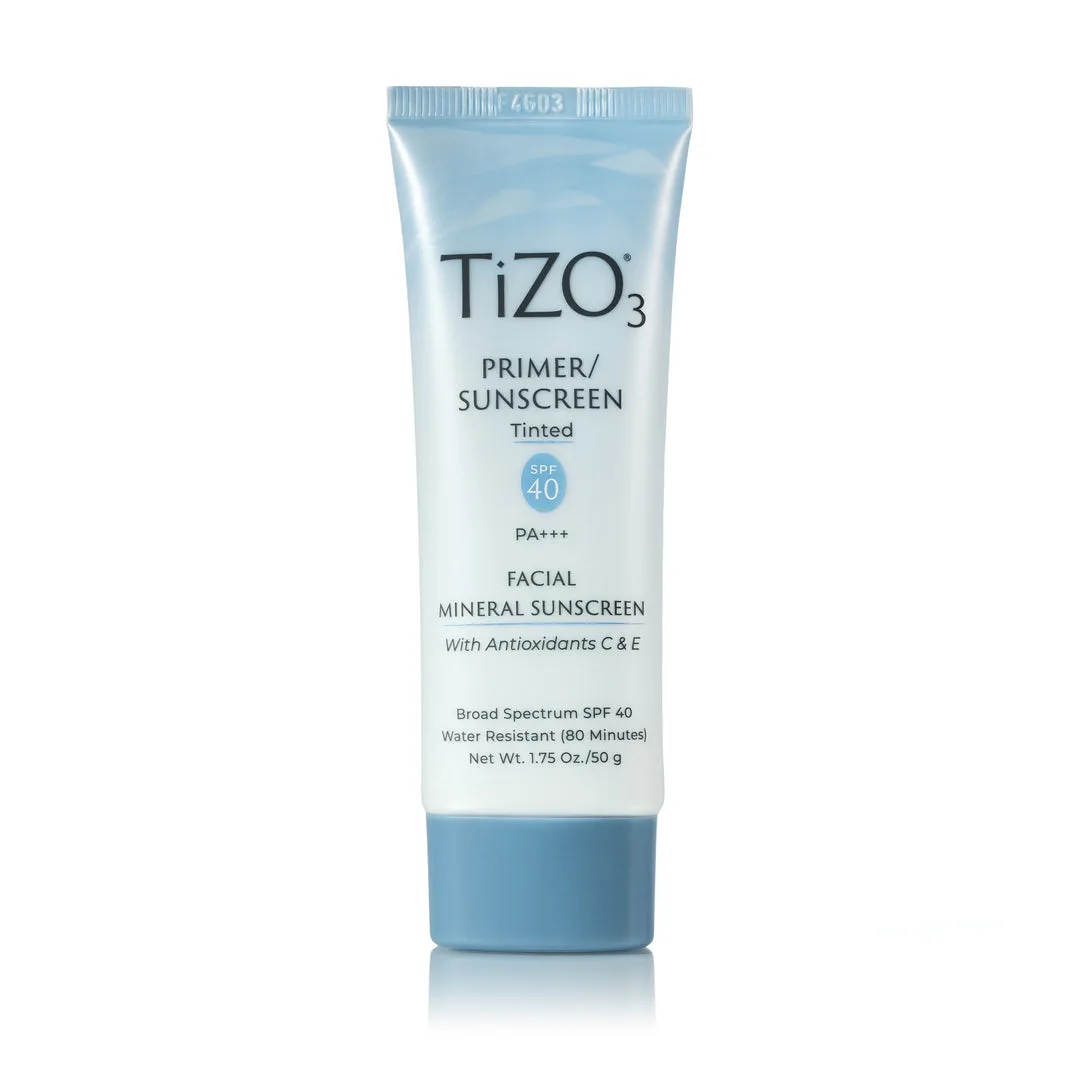
TiZO 3 takes the same silicone elastomer base and 8% titanium / 3.8% zinc active load as TiZO 2 and adds iron oxides for a universal tint and meaningful visible-light protection. It's one of the earlier and cleaner executions of the iron-oxide-for-melasma concept, with stable vitamin C and E worked into the formula for antioxidant backup. The $47 price is the main hurdle, and the universal tint excludes deeper skin tones.
3 Facial Mineral Sunscreen SPF 40 Tinted
TiZO 3 takes the same silicone elastomer base and 8% titanium / 3.8% zinc active load as TiZO 2 and adds iron oxides for a universal tint and meaningful visible-light protection. It's one of the earlier and cleaner executions of the iron-oxide-for-melasma concept, with stable vitamin C and E worked into the formula for antioxidant backup. The $47 price is the main hurdle, and the universal tint excludes deeper skin tones.
Score Breakdown
Where this product gains points and where it loses them — broken down across the four scoring pillars.
A sophisticated tinted mineral sunscreen with iron oxides for visible-light protection plus stable vitamin C and E antioxidants. The modest zinc load and premium single-size pricing cap the score.
Pros & Cons
- ✓Iron oxides provide genuine visible-light protection for melasma
- ✓Universal shade blends across light-to-medium skin tones
- ✓Stable tetrahexyldecyl ascorbate plus vitamin E antioxidant support
- ✓Evens skin enough to replace light-coverage foundation
- ✓Fragrance-free, alcohol-free, post-procedure safe
- ✓Satin dry-down suits normal, combination, and dry skin
- ✓Dermatologist-office staple with nearly two decades of clinical use
- ✓Skin Cancer Foundation Seal of Recommendation
- ✗Single universal shade excludes deeper skin tones
- ✗Premium $47 price for a 1.75-ounce tube
- ✗Tint can transfer slightly to clothing collars
- ✗Silicone base can pill if rushed into makeup
- ✗Modest zinc percentage compared to some competitors
Full Review
Here's a problem dermatologists have been trying to explain to melasma patients for years: UV protection alone isn't enough. Research beginning in the mid-2010s started connecting visible light — particularly the blue-violet wavelengths that reach deep into the dermis — to melasma flare-ups and post-inflammatory hyperpigmentation, especially in darker skin tones. The uncomfortable implication was that most sunscreens, including high-quality mineral formulas, don't block visible light at all. What does? Iron oxides. And the most practical way to get them onto the face in meaningful amounts is a tinted sunscreen.
TiZO 3 was doing this before the iron-oxide-for-melasma conversation went mainstream. Fallene, the Pennsylvania company that makes the TiZO line, had been supplying mineral sunscreens to dermatology and plastic surgery offices since the mid-1990s, and the tinted version of TiZO 2 was developed with direct feedback from derm customers who needed tinted coverage that did real work on pigmentation. That origin matters. This isn't a formula that tacked iron oxides onto a legacy product to chase a trend — it was built around the use case from the start, and the architecture still holds up more than fifteen years later.
The active load is the same 8% titanium dioxide plus 3.8% zinc oxide that TiZO 2 uses, suspended in the same silicone elastomer matrix. TiZO 3 then layers iron oxide pigment into that matrix. The pigment does two things simultaneously: it provides the universal tint that evens skin tone cosmetically, and it blocks a meaningful fraction of visible light, including the high-energy blue-violet wavelengths that drive pigmentation. These aren't separate features. They're the same iron oxide molecule doing both jobs at once, which is why a properly formulated tinted sunscreen is so much more effective for melasma than a non-tinted one paired with makeup applied over it.
The texture difference between TiZO 3 and TiZO 2 is subtle but meaningful. Where TiZO 2 dries to a flat matte that oily skin loves and dry skin struggles with, TiZO 3 finishes satin — a slightly more emollient dry-down that reads velvety rather than powdery. The silicone elastomer base is still doing its blurring work, so pores are softened and the surface looks smoother, but there's enough slip and softness that normal, combination, and dry skin find it wearable. If you couldn't make TiZO 2 work because it dragged on dehydrated skin, TiZO 3 is often the fix.
The stable vitamin C and E combination is worth mentioning again here because it's the same thoughtful antioxidant inclusion as TiZO 2 — tetrahexyldecyl ascorbate, a lipid-soluble ascorbate ester that tucks into the silicone phase, paired with tocopheryl acetate. For pigmentation-prone skin, this matters more than usual. Oxidative stress is part of the melasma pathogenesis, and every layer of antioxidant support reduces the free-radical load on melanocytes. TiZO 3 isn't primarily a vitamin C product, but it's been quietly combining photoprotection and antioxidant support since long before that was a standard feature.
The universal tint is the place where the formula hasn't kept up with where the tinted sunscreen category has gone. One shade doesn't fit everyone, and while TiZO 3 blends beautifully across light-to-medium tones with neutral undertones, it reads ashy or leaves a faint cast on deep skin — exactly the skin tones that benefit most from iron-oxide visible-light protection. Brands like Black Girl Sunscreen, Supergoop, and Isdin have pushed into shade ranges, and TiZO hasn't followed. If you're a deep skin tone looking for iron oxide protection, you'll likely be happier with a shade-matched option from one of those brands, even if the formulation isn't quite as cosmetically sophisticated.
For the skin it was built for, though, TiZO 3 earns its office-staple reputation. Reviews consistently note that it evens skin enough to replace light foundation, that it sits well under makeup when you do layer, and that it doesn't sting or flush rosacea-prone skin. Post-procedure patients use it precisely because the ingredient list is boring in the best way: no fragrance, no alcohol, no essential oils, nothing on the standard sensitizer lists. When your skin barrier is already compromised, boring is exactly the feature you want.
The price question is the same one TiZO 2 raises. Forty-seven dollars for 1.75 ounces is upper-tier pricing, and the tinted mineral sunscreen category now includes cheaper options with iron oxides — EltaMD UV Elements, La Roche-Posay Anthelios Mineral Tinted, Colorescience Sunforgettable — that cover similar ground. What TiZO 3 offers in return is the silicone elastomer finish, the stable vitamin C addition, and a dermatology-office track record that competitors don't quite match. For melasma patients, post-procedure recovery, and rosacea, the premium is defensible. For everyone else, it's a luxury in a category where good alternatives exist.
Formula
Key Ingredients
The hero actives that drive this product's performance.
| Ingredient | Function | Evidence |
|---|---|---|
| Titanium Dioxide 8% (8%) | Handles the UVB and short-UVA portion of the protection curve in this formula. Dispersed through the same silicone elastomer matrix as TiZO 2 but with iron oxide pigment worked into the phase, so the protective film carries both UV and visible-light coverage without becoming streaky or uneven. | well-established |
| Zinc Oxide 3.8% (3.8%) | Extends protection into the long UVA1 range — the wavelengths most tied to pigmentary changes and photoaging. The modest zinc percentage keeps the tinted formula wearable; higher loads in tinted sunscreens tend to drag and separate from the pigment phase. | well-established |
| Iron Oxide (CI 77491) | This is the ingredient that distinguishes TiZO 3 from its non-tinted sibling. The iron oxide both provides the universal tint and blocks visible light — specifically the high-energy visible and blue-violet wavelengths that research has linked to melasma and post-inflammatory hyperpigmentation independent of UV exposure. | well-established |
| Tetrahexyldecyl Ascorbate | A stable, lipid-soluble vitamin C ester that integrates into the silicone phase of the formula. Sits alongside the mineral filters and vitamin E as antioxidant backup, neutralizing free radicals generated by any UV or visible light that slips through the tinted mineral film — meaningful for pigmentation-prone skin where oxidative stress worsens melasma. | promising |
| Silicone Elastomer Complex | The cyclopentasiloxane, dimethicone, and dimethicone crosspolymer network is what holds everything together. It creates a thin, even film that disperses the mineral and pigment particles uniformly, blurs pores, and dries down satin rather than flat — giving TiZO 3 a slightly more emollient finish than TiZO 2. | well-established |
Full INCI List
Active Ingredients: Titanium Dioxide 8%, Zinc Oxide 3.8%. Inactive Ingredients: Alumina, Cyclohexasiloxane, Cyclopentasiloxane, Dimethicone, Dimethicone Crosspolymer, Dimethicone/Vinyl Dimethicone Crosspolymer, Dimethiconol, Iron Oxide (CI 77491), Lauryl PEG/PPG-18/18 Methicone, Hydrogen Dimethicone, PEG-10 Dimethicone, Tetrahexyldecyl Ascorbate, Tocopheryl Acetate
Product Flags
✓ Fragrance Free✓ Alcohol Free✓ Oil Free✗ Silicone Free✓ Paraben Free✓ Sulfate Free✓ Cruelty Free✓ Vegan✓ Fungal Acne Safe
Compatibility
Skin Match
Best For
normal combination sensitive dry
Works For
Not Ideal For
Addresses These Conditions
melasma hyperpigmentation sun damage aging rosacea post procedure sensitivity dark spots
Routine Step
sunscreen
Time of Day
AM
Pregnancy Safe
Yes ✓
Layering Tips
Apply as the final morning step after moisturizer. The universal tint blends across a range of skin tones and can replace light-coverage foundation on no-makeup days. Press and pat rather than rub to preserve the even tinted film.
Results Timeline
Immediate UV and visible-light protection. With consistent daily use paired with pigment-fading actives, melasma and post-inflammatory hyperpigmentation patients typically see meaningful improvement at 8-12 weeks. Sun protection compliance is the single biggest factor in long-term pigmentation management.
Pairs Well With
niacinamidetranexamic-acidvitamin-cazelaic-acidhyaluronic-acid
Sample AM Routine
- Gentle cleanser
- Tranexamic acid or vitamin C serum
- Moisturizer
- TiZO 3 SPF 40 tinted
Sample PM Routine
- Cleanser
- Treatment
- Moisturizer
Evidence
Who Should Skip
- Single universal shade excludes deeper skin tones
- Premium $47 price for a 1.75-ounce tube
- Tint can transfer slightly to clothing collars
- Silicone base can pill if rushed into makeup
Science & Expert Perspective
The Science
The formulation logic behind TiZO 3 connects two separate research threads. The first is the well-established UV protection offered by mineral filters: 8% titanium dioxide covers UVB and short UVA efficiently, and 3.8% zinc oxide extends deeper into UVA1 (340-400nm), the wavelengths most strongly associated with photoaging and pigmentary changes. The combination provides the SPF 40 rating, and both actives fall comfortably within the FDA monograph permitted range.
The second thread is the visible-light research. Studies published in journals including the Journal of the American Academy of Dermatology and the British Journal of Dermatology have shown that visible light, particularly the high-energy visible (HEV) and blue-violet ranges, induces pigmentation in Fitzpatrick III-VI skin and drives melasma flares independent of UV exposure. Standard mineral and chemical sunscreens don't block visible light — they're essentially transparent in that wavelength range. Iron oxides are one of the few cosmetically tolerable ingredients that meaningfully attenuate visible light, and clinical trials have shown that tinted sunscreens containing iron oxides outperform non-tinted mineral sunscreens for melasma maintenance.
The specific construction of TiZO 3 reflects this. The iron oxide pigment isn't a cosmetic afterthought — it's loaded at levels sufficient to provide visible-light attenuation while still blending into a wearable tint. The silicone elastomer matrix built from cyclopentasiloxane, dimethicone, and dimethicone crosspolymer creates an even film that disperses both the mineral filters and the iron oxide uniformly across the skin, which is important because patchy application is the main reason real-world sunscreen performance falls short of labeled SPF.
The antioxidant strategy rounds out the protection. Tetrahexyldecyl ascorbate is a lipid-soluble vitamin C derivative that's stable in anhydrous formulas and converts to active ascorbate in the skin. Paired with tocopheryl acetate, it forms the now-classic vitamin C/E photoprotective couple that regenerates itself in the skin, extending antioxidant activity beyond what either ingredient could deliver alone. In the context of melasma, where oxidative stress is part of the pathogenesis, this layered approach is clinically thoughtful.
Dermatologist Perspective
TiZO 3 is commonly recommended by dermatologists as a first-line sunscreen for melasma and post-inflammatory hyperpigmentation patients. The combination of mineral filters and iron oxide tint addresses both UV and visible-light drivers of pigmentation, which is a clinical priority that plain mineral sunscreens don't meet. Board-certified dermatologists often pair TiZO 3 with pigment-fading actives like tranexamic acid, azelaic acid, or hydroquinone, noting that sun protection compliance is the single most important factor in long-term melasma management. The fragrance-free formula also makes it a common recommendation for rosacea and post-procedure patients who need gentle but serious protection.
Guidance
Usage Guide
How to Use
Apply as the last morning step after moisturizer, using about a quarter-teaspoon for the face and a quarter-teaspoon for the neck. Warm briefly between fingertips and press into the skin in sections rather than rubbing — this preserves the even tinted film and prevents patchy coverage. Allow a full minute to set before applying any additional makeup. Reapply every two hours during sun exposure or after swimming or sweating. On no-makeup days, this can replace a tinted moisturizer entirely.
Value Assessment
TiZO 3 sits at $47 for 1.75 ounces, meaningfully above budget-friendly tinted mineral options like EltaMD UV Elements or La Roche-Posay Anthelios Mineral Tinted. What justifies the premium for the right buyer is the silicone elastomer finish, the stable vitamin C inclusion, and the long dermatology-office track record. For melasma patients and post-procedure recovery, where the formulation integrity actually matters, the premium is defensible. For casual daily use on skin without pigment concerns, the alternatives do enough of the same job to make TiZO 3 feel optional.
Who Should Buy
Melasma and hyperpigmentation patients who need genuine visible-light protection. Normal, combination, dry, and sensitive skin types who want a mineral sunscreen sophisticated enough to replace foundation. Post-procedure patients who need fragrance-free protection that also covers residual redness.
Who Should Skip
Deep skin tones will likely find the universal tint ashy or cast-leaving — a shade-matched alternative is a better choice. Very oily skin may prefer the flatter matte of TiZO 2. Budget-conscious buyers can find iron-oxide-containing tinted sunscreens at lower price points.
Ready to try TiZO 3 Facial Mineral Sunscreen SPF 40 Tinted?
Details
Details
Texture
Silicone-based tinted cream with a velvety, satin-matte finish.
Scent
Essentially scentless.
Packaging
Squeeze tube with a flip cap.
Finish
satinnon-greasyvelvety
What to Expect on First Use
Goes on as a silicone-slick tinted cream and dries down to a satin finish within about a minute. The universal tint disappears into light-to-medium tones, reading as a subtle evening rather than obvious color. Patch test along the jaw first if you have a cool or deep undertone — the warm iron oxide shade can look peachy or ashy on the edges of the range.
How Long It Lasts
Roughly 2 months with daily face and neck application at the recommended dose.
Period After Opening
12 months
Best Season
All Year
Certifications
Skin Cancer Foundation Seal of Recommendation
Background
The Why
TiZO 3 was designed for the same dermatology-office clientele that drove TiZO 2's development, with explicit attention to the melasma and post-procedure patients who needed both UV and visible-light coverage. Iron oxides weren't yet a marketing buzzword when TiZO 3 launched in the late 2000s — Fallene included them because their derm customers were asking for tinted protection that actually did something measurable for pigmentation.
About TiZO Established Brand (5–20 years)
TiZO is made by Fallene, a Pennsylvania sun protection company founded in 1995 that has supplied dermatology and plastic surgery offices for decades. TiZO 3 launched alongside TiZO 2 and remains a post-procedure and melasma staple in clinical practice, holding the Skin Cancer Foundation Seal of Recommendation.
Brand founded: 1995 · Product launched: 2008
Myth vs. Reality
Myths & Misconceptions
Myth
Tinted sunscreens are just sunscreens with color added.
Reality
The iron oxides that create the tint also block visible light, which standard UV filters don't touch. For melasma and PIH, this additional coverage is clinically meaningful, not cosmetic.
Myth
Mineral sunscreens can't look good on the skin.
Reality
The silicone elastomer matrix in TiZO 3 disperses both the minerals and iron oxide pigment evenly enough to read as a satin-finished tinted moisturizer on most light-to-medium tones, rather than a chalky zinc film.
FAQ
Frequently Asked Questions
What's the difference between TiZO 3 and TiZO 2?
Both share the same 8% titanium dioxide and 3.8% zinc oxide active load and the same silicone elastomer base. TiZO 3 adds iron oxides for a universal tint and visible-light protection, with a slightly more emollient satin finish. TiZO 2 is non-tinted and finishes flatter matte. TiZO 3 suits normal-to-combination and pigmentation-prone skin; TiZO 2 suits oily skin and primer users.
Does TiZO 3 help with melasma?
It's frequently recommended for melasma because the iron oxide tint blocks visible light, which research has linked to melasma flare-ups independent of UV exposure. Pair it with a pigment-fading active like tranexamic acid, azelaic acid, or hydroquinone for meaningful improvement over weeks to months.
Will TiZO 3 match my skin tone?
The universal tint is formulated to blend across light to medium skin tones with neutral undertones. On deeper skin tones, it may read ashy or leave a residual cast; on very fair or cool undertones, the warm iron oxide tone may read slightly peach. Patch test along the jawline before committing.
Can I wear TiZO 3 under makeup?
Yes, though it already provides light skin-evening on its own. Many users skip foundation entirely on lower-coverage days. If layering foundation, let TiZO 3 set for a minute before applying — the silicone elastomer base can pill if rushed or if layered under another silicone-heavy product.
Is TiZO 3 safe after a chemical peel or laser?
It's commonly recommended by dermatologists for post-procedure sun protection. The fragrance-free, alcohol-free formula is well-tolerated by compromised skin, and the tint helps disguise the redness that often follows procedures. Always confirm with your provider first.
Is TiZO 3 reef-safe?
It uses only zinc oxide and titanium dioxide as active filters, with no oxybenzone or octinoxate — the chemicals banned in some reef-protection regulations. Whether any sunscreen is truly reef-safe is debated, but TiZO 3 meets the Hawaii and Key West legal standards.
How much should I apply?
About a quarter-teaspoon for the face and another quarter-teaspoon for the neck and chest. This is the standard dose for any facial sunscreen to achieve its labeled SPF — underapplication is the most common reason mineral sunscreens underperform.
Community
Community Voices
Common Praise
"Universal tint blends across light-to-medium skin tones"
"Evens skin enough to replace light foundation"
"Tolerated by rosacea and post-procedure skin"
"Fragrance-free with no sting"
"Visible-light protection matters for melasma"
Common Complaints
"Single universal shade doesn't work for deep skin tones"
"Premium price for 1.75 oz"
"Tint can transfer slightly to collars"
"Not dewy enough for very dry skin in winter"
Notable Endorsements
Widely stocked in US dermatology and plastic surgery officesFrequently recommended for melasma patients
Appears In
best tinted sunscreen for melasma best sunscreen for hyperpigmentation best mineral sunscreen for sensitive skin best sunscreen for post procedure best tinted sunscreen with iron oxides
Related Conditions
melasma hyperpigmentation sun damage post procedure rosacea
Related Ingredients
You Might Also Like
 Derm Office Staple
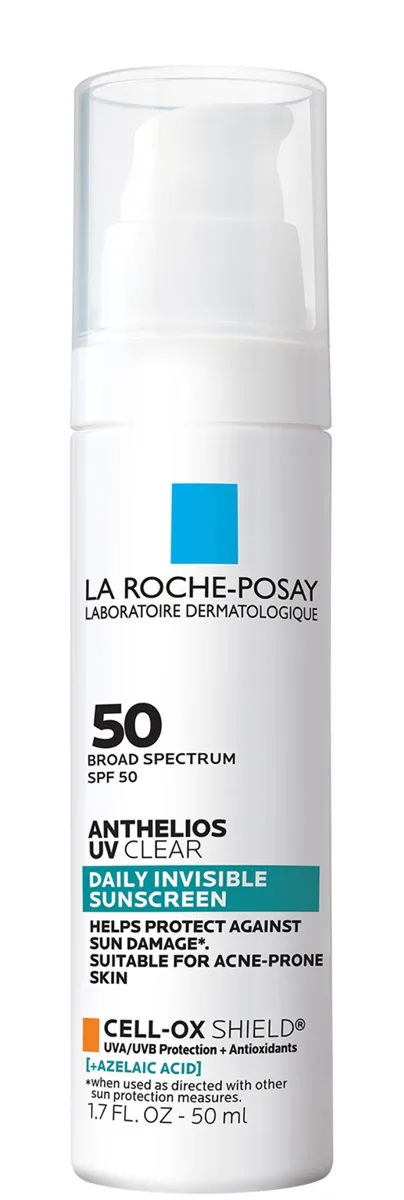
 Anthelios UV Clear Sunscreen SPF 50
One of the only US chemical sunscreens that genuinely earns its 'for sensitive and breakout-prone skin' positioning. A photostable Anthelios filter system paired with a legitimate azelaic acid dose in a lightweight serum-fluid that disappears on every skin tone. Excellent for rosacea, acne, and post-inflammatory hyperpigmentation — and probably the single best daily sunscreen in the La Roche-Posay US lineup for those conditions.
 K-Beauty Daily SPF Standout
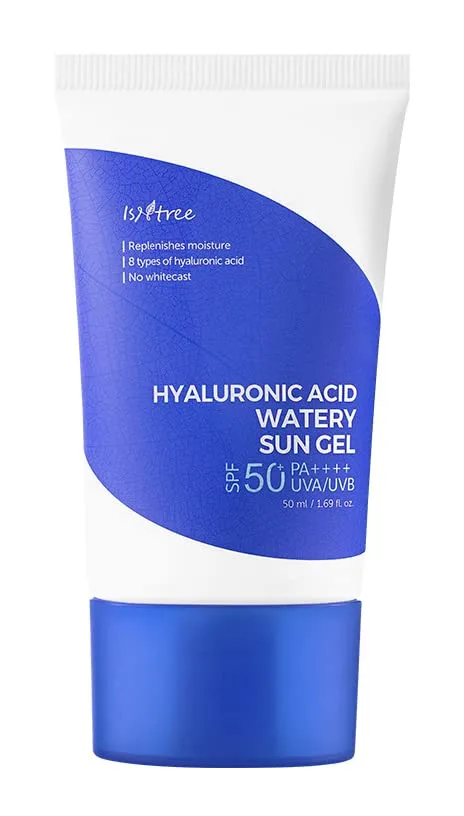
 Hyaluronic Acid Watery Sun Gel SPF 50+
One of the strongest everyday K-beauty sunscreens in the international market — modern European filters, no white cast, fragrance-free, niacinamide-boosted, and built around the brand's signature six-weight HA complex. At twenty-two dollars for 50ml, it's a case study in how much better a daily sunscreen can be when the formulator cares about both protection and wearability.
 Derm Office Staple
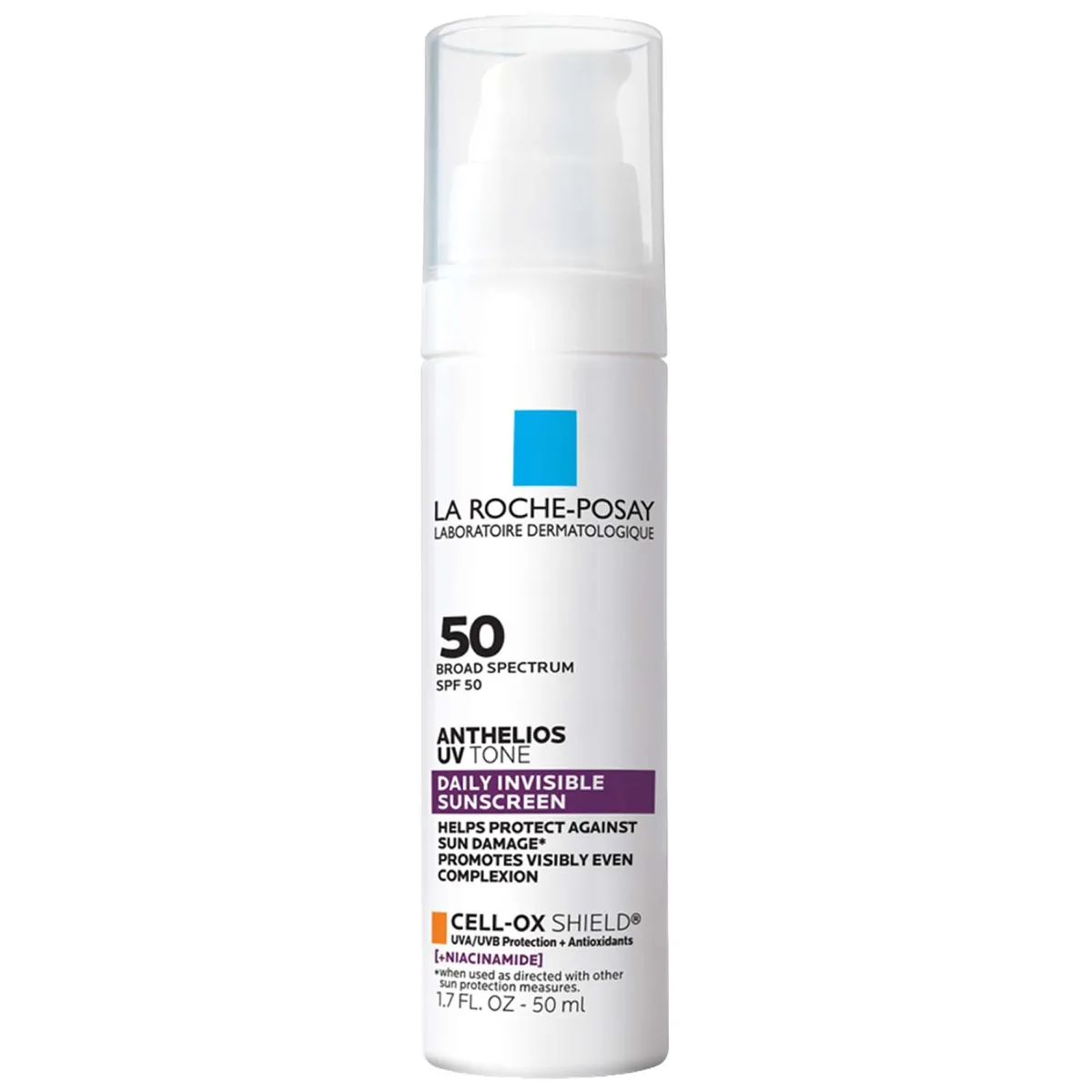
 Anthelios UV Tone Daily Invisible Sunscreen SPF 50
La Roche-Posay's most thoughtful answer yet for hyperpigmentation-prone skin that needs daily SPF. A photostable avobenzone system reinforced with Oxynex ST, paired with a meaningful dose of niacinamide, in a serum-fluid base that goes on invisible on every skin tone. Expensive for 1.7 oz but legitimately well-built — and a rare chemical sunscreen that earns its 'for dark spots' marketing.
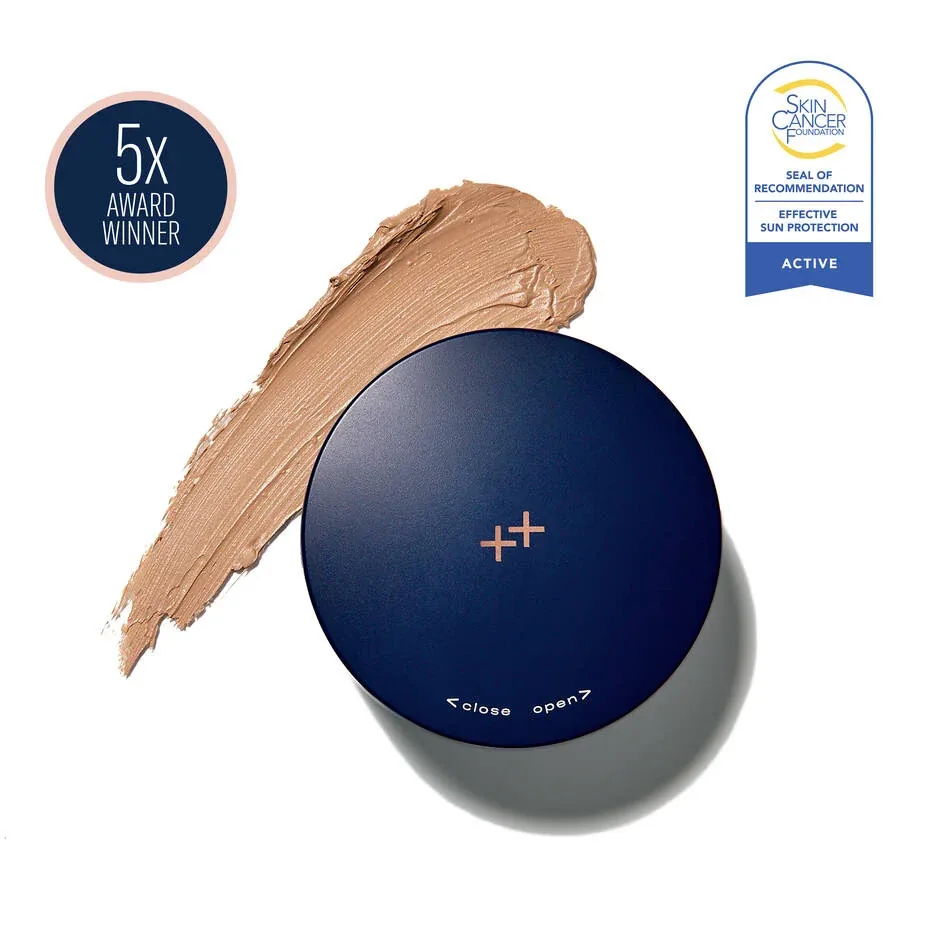 Melasma-Grade Mineral Sunscreen
 sunbetter TONE SMART SPF 68
One of the most clinically useful tinted mineral sunscreens in the professional category. SPF 68 from a 100% mineral formula, iron oxide tint that blocks visible light for melasma protection, and an unusually lightweight texture that doesn't feel like you're wearing high-concentration zinc. For patients with melasma or post-inflammatory hyperpigmentation, this is the category benchmark — and it's earned its Allure Best of Beauty wins.
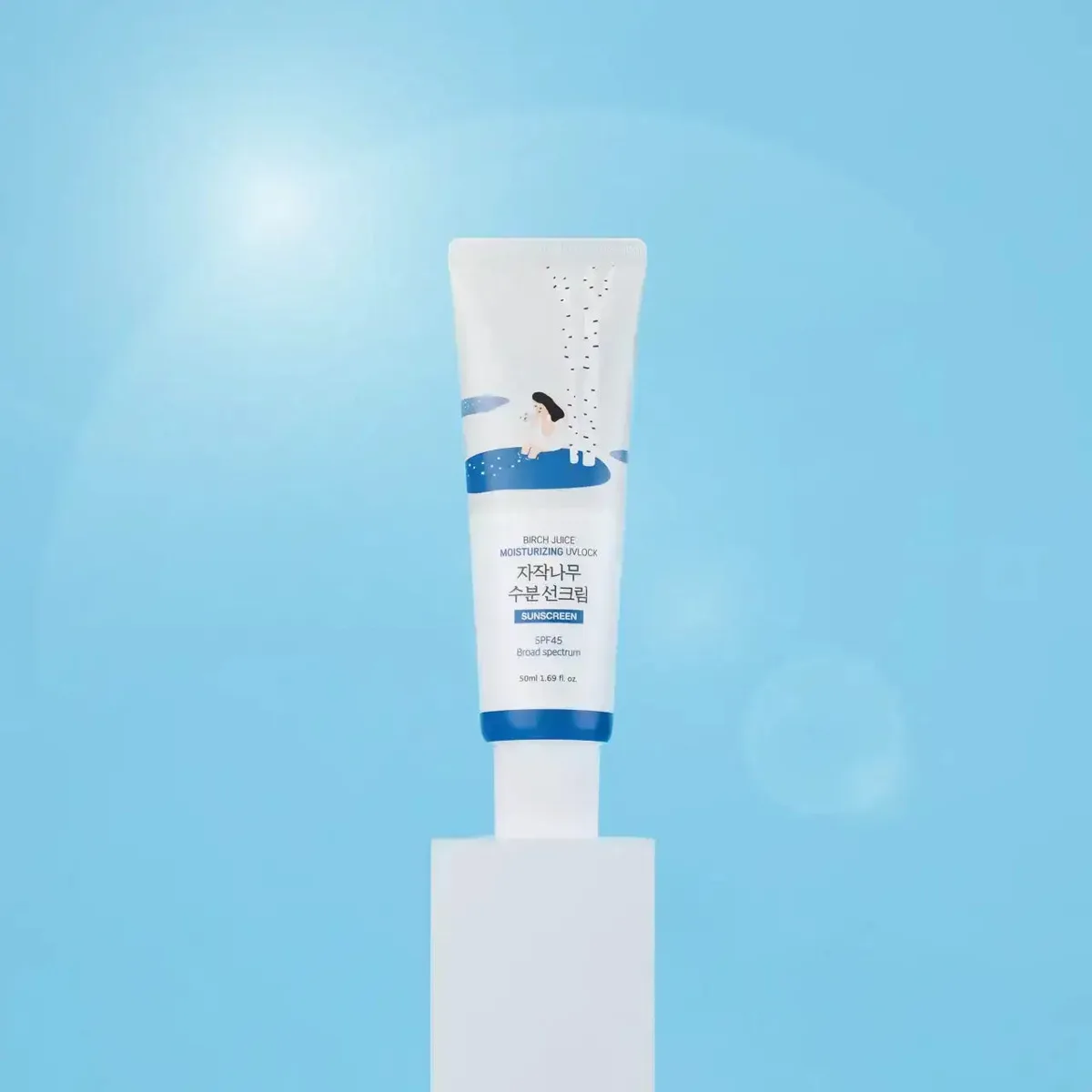 K-Beauty Cult Favorite
 Birch Juice Moisturizing Sun Cream SPF 50+
One of the best hybrid sunscreens in K-beauty right now — a 70% birch sap base, modern UVA filters you can't get in the US, and a finish that wears like a lightweight moisturizer. Broadly compatible, well-priced, and genuinely pleasant to apply, with minor tradeoffs for oily and fungal-acne-prone users.
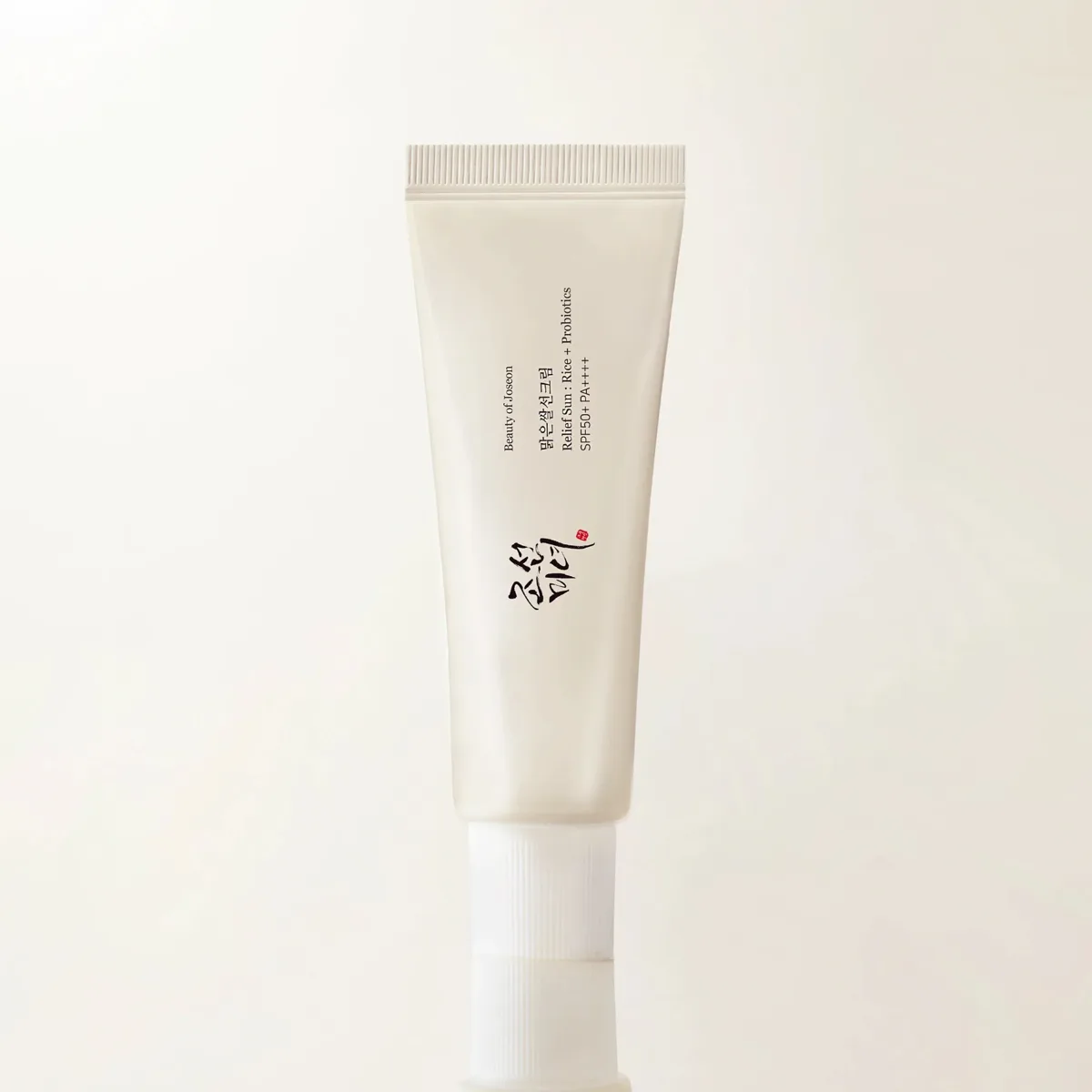 The K-Beauty Sunscreen That Changed Everything
 Relief Sun: Rice + Probiotics SPF 50+
The sunscreen that rewrote the rules for what a $14 product could deliver. With independently verified SPF 50+, 30% rice extract, niacinamide, and a probiotic ferment complex, it offers protection and skincare benefits that rival products three times its price. The texture that feels like wearing nothing on your face is the reason it went viral — and stayed there.
This review reflects our independent analysis of publicly available ingredient data, manufacturer claims, and verified user reviews. We are reader-supported — Amazon links may earn us a commission at no cost to you. We do not accept paid placements; rankings are based solely on the evidence.