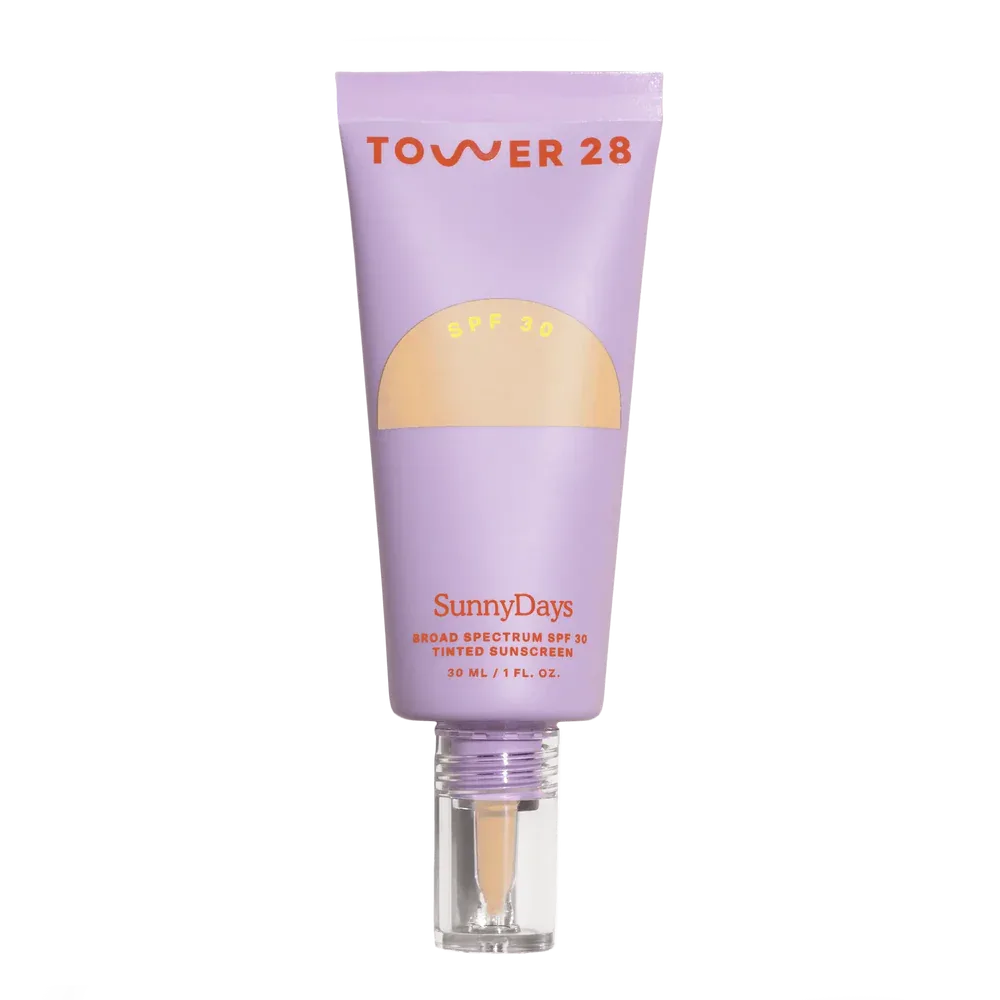
A genuinely smart hybrid of mineral sunscreen and tinted foundation with meaningful iron oxide pigmentation — meaning real visible-light protection for melasma and hyperpigmentation-prone skin, not just shade-matching window dressing. The 1 oz size at $35 lands on the pricey side, and the shade range is narrower than it should be, but the formulation work is the real deal.
SunnyDays SPF 30 Tinted Sunscreen Foundation
A genuinely smart hybrid of mineral sunscreen and tinted foundation with meaningful iron oxide pigmentation — meaning real visible-light protection for melasma and hyperpigmentation-prone skin, not just shade-matching window dressing. The 1 oz size at $35 lands on the pricey side, and the shade range is narrower than it should be, but the formulation work is the real deal.
Score Breakdown
Where this product gains points and where it loses them — broken down across the four scoring pillars.
A genuinely sophisticated mineral SPF with iron oxide visible-light coverage that justifies the premium positioning. Deducted slightly for the 1 oz size at $35, which makes this one of the pricier tinted SPFs per ounce.
Pros & Cons
- ✓Meaningful iron oxide pigmentation delivers functional visible-light protection
- ✓12.6% non-nano zinc oxide provides robust broad-spectrum UV coverage
- ✓Natural satin finish with no obvious white cast on most skin tones
- ✓Fragrance-free, alcohol-free, and suitable for rosacea and sensitive skin
- ✓Centella asiatica and aloe offset the drying potential of high zinc
- ✓Pump dispenser makes accurate half-teaspoon dosing easier to measure
- ✓Visible improvement in melasma tone over consistent use
- ✓One of the few tinted SPFs dermatologists actively recommend for pigmentation
- ✗Shade range limited and skews cool in the lighter tones
- ✗Only 1 oz per bottle at $35 makes this expensive per ounce
- ✗Not water-resistant, so requires reapplication after sweating or swimming
- ✗Light-to-medium coverage won't replace full foundation needs
- ✗Can pill or grab if moisturizer underneath hasn't fully absorbed
Full Review
Here is a thing most people do not know about sunscreen: for the last ten years, the interesting research has not been about UV at all. It has been about visible light. Specifically, the blue-violet end of visible light, which multiple studies have shown contributes meaningfully to pigment formation in melasma and post-inflammatory hyperpigmentation. And here is the problem — none of the mineral UV filters on your drugstore shelf block visible light. Neither do any of the chemical filters. The only cosmetic ingredient that reliably absorbs the wavelengths that matter is iron oxide, the same pigment that tints your foundation. So the research-forward move, for anyone dealing with pigmentation, turned out to be wearing a mineral sunscreen that was also heavily tinted. Tower 28 built SunnyDays specifically around that insight, and it shows in every part of the formula.
The active is 12.6% non-nano zinc oxide, which is a serious percentage — enough to deliver broad-spectrum protection without needing to be paired with titanium dioxide. What makes this formulation unusual is that the iron oxide load is not trace-level tint for shade-matching but a functional pigment payload, enough to absorb the visible-light wavelengths that matter for hyperpigmentation. You can see the difference in practice. Most tinted SPFs reveal themselves at the jawline as a dusty, slightly ashy veil; SunnyDays blends into skin with a finish that reads like a modern satin foundation, not like a sunscreen with regrets.
The texture sits in an interesting middle ground. It is thicker than a standard tinted moisturizer but thinner than a real foundation, with the slightly weighty feel that high-percentage zinc oxide tends to bring. On first application you feel it distribute as a cool, substantive layer; within about a minute it warms and settles into a natural satin finish. It is not the kind of SPF you can slap on and run out the door — it wants sixty seconds to sit before you add any powder or concealer on top, or it will grab slightly. That is a fair trade for the protection it delivers, but it is worth knowing.
Where this becomes a genuinely exciting product is for anyone managing melasma, post-inflammatory hyperpigmentation from acne, or the kind of uneven skin tone that worsens over the summer no matter how religious you are about your untinted SPF. The people who rave about this in dermatology offices and pigmentation forums are exactly these users, and they are not imagining it. The iron oxide coverage is doing real work that a clear sunscreen cannot match, and the visible improvement over a few weeks of consistent daily use is frequently commented on.
The honest limitations are worth naming, because at $35 for a 1 oz bottle this is not a casual purchase. The shade range is the primary complaint — Tower 28 has expanded it since launch, but the undertones skew cool on the lighter end and the deepest shades still do not reach as deep as they should for full inclusivity. If you sit outside the middle of the range, shade-matching online is risky and in-store testing is worth the trip. The coverage is light-to-medium — enough to even out redness and mild discoloration, not enough to cover active breakouts or significant pigmentation on its own. It is also not water-resistant, which means this is a commuter and everyday-errands sunscreen rather than a beach SPF. And the 1 oz bottle, while accurately dosed by the pump, is gone in roughly two months if you apply the recommended half-teaspoon for the face, which is exactly what you should be applying.
For sensitive skin, rosacea, and people who simply cannot tolerate chemical filters, this deserves real consideration as a daily SPF. The formulation includes centella asiatica and aloe leaf water to counterbalance the inherent potential for zinc to feel drying, and the result is a sunscreen that genuinely works for reactive skin without feeling punitive. The tint also does the incidental work of camouflaging rosacea flushing, which is a meaningful quality-of-life upgrade for anyone who has spent money on green color-correctors. The absence of fragrance and essential oils makes it one of the few tinted SPFs you can recommend to eczema patients without mental asterisks.
On value, the math is not as favorable. Thirty-five dollars for one ounce is roughly three times the per-ounce cost of most drugstore tinted SPFs, and two to three times the cost of excellent Korean or Japanese mineral tinted sunscreens that deliver comparable protection. Tower 28 is charging a clean-beauty premium and a domestic-manufacturing premium on top of the formulation work, and whether that math is worth it depends entirely on how much the visible-light protection narrative and the brand's dermatology validation matter to you. For melasma patients or anyone chasing pigmentation results, the answer is usually yes. For everyone else, a cheaper tinted SPF with meaningful iron oxide content will do much of the same work.
The bottom line: this is the tinted mineral sunscreen to buy if you care about visible-light protection, have reactive skin, or are managing melasma or hyperpigmentation and willing to pay for a formulation built around those concerns. If you want full-coverage foundation, better per-ounce value, or a water-resistant sport SPF, this is not the bottle for you — and that is fine, because Tower 28 never tried to make it those things.
Formula
Key Ingredients
The hero actives that drive this product's performance.
| Ingredient | Function | Evidence |
|---|---|---|
| Zinc Oxide 12.6% (12.6%) | The sole UV filter in this formula, providing broad-spectrum UVA and UVB coverage without chemical filters. At 12.6% non-nano, it delivers meaningful protection, and the iron oxide pigments in the tint double as additional visible-light protection — meaningful for melasma-prone skin where HEV light is a known trigger. | well-established |
| Iron Oxides | The tint that makes SunnyDays both a foundation and a functional visible-light blocker. Iron oxides absorb the blue-violet end of the visible spectrum that mineral sunscreens miss, which research links to pigment-forming pathways in melasma and post-inflammatory hyperpigmentation. Here they also solve the classic zinc oxide white cast problem. | well-established |
| Centella Asiatica Extract | A botanical calming agent worked into the formula to offset any irritation potential from high-percentage zinc oxide. Alongside the aloe leaf water, it keeps this tolerable on the reactive skin the brand was built to serve. | well-established |
| Opuntia Tuna Fruit (Prickly Pear) Extract | Rich in betalains and vitamin E, positioned here as an antioxidant layer against free radicals generated by UV exposure that make it through the filter. Its inclusion lets the formula double as a light antioxidant supplement alongside mineral protection. | promising |
Full INCI List
Active: Zinc Oxide 12.6%. Inactive: Water (Aqua), Isononyl Isononanoate, C9-12 Alkane, Butyloctyl Salicylate, Polyglyceryl-6 Polyricinoleate, Caprylic/Capric Triglyceride, Glycerin, Ethylhexyl Methoxycrylene, Trimethylsiloxysilicate, Mica, Polyglyceryl-2 Isostearate, Sodium Chloride, Phenoxyethanol, Disteardimonium Hectorite, Polyglyceryl-3 Polyricinoleate, Polyhydroxystearic Acid, Coco-Caprylate/Caprate, Isostearic Acid, Lecithin, Polyglyceryl-6 Polyhydroxystearate, Jojoba Esters, Ethylhexylglycerin, Sodium Phytate, Aloe Barbadensis Leaf Water, Centella Asiatica Extract, Opuntia Tuna Fruit Extract, Salvia Officinalis (Sage) Leaf Extract, Iron Oxides (CI 77491, CI 77492, CI 77499), Titanium Dioxide (CI 77891)
Product Flags
✓ Fragrance Free✓ Alcohol Free✗ Oil Free✓ Silicone Free✓ Paraben Free✓ Sulfate Free✓ Cruelty Free✓ Vegan✗ Fungal Acne Safe
Compatibility
Skin Match
Best For
sensitive dry normal combination
Works For
Not Ideal For
Addresses These Conditions
sun damage hyperpigmentation melasma sensitivity rosacea
Routine Step
sunscreen
Time of Day
AM
Pregnancy Safe
Yes ✓
Layering Tips
Apply as the final skincare step each morning over moisturizer. Use half a teaspoon for full facial coverage. Build coverage with a second layer if more opacity is needed. Sets to a natural satin finish — let it settle 60 seconds before adding any powder or concealer.
Results Timeline
Immediate sun protection and light coverage on first application. Over 2–4 weeks of consistent use, users often report visible improvement in hyperpigmentation tone, particularly for melasma, thanks to the iron oxide visible-light coverage. Long-term photoprotection benefits accumulate over months of daily use.
Pairs Well With
niacinamidevitamin-chyaluronic-acidceramides
Sample AM Routine
- Gentle cleanser
- Vitamin C serum
- Moisturizer
- Tower 28 SunnyDays SPF 30 Tinted Sunscreen Foundation
Sample PM Routine
- Cleanser
- Serum
- Moisturizer
- Barrier cream
Evidence
Science & Expert Perspective
The Science
The formulation pairs 12.6% non-nano zinc oxide with a meaningful iron oxide pigment load, and understanding why that combination matters requires stepping beyond traditional UV-filter thinking. Research over the past decade — most notably a 2010 study in the Journal of Investigative Dermatology and follow-up work in the Journal of the American Academy of Dermatology — has documented that visible light, particularly the blue-violet 400–450 nm range, induces pigment production in darker skin types and exacerbates melasma. A 2020 paper in Photochemistry and Photobiology further specified that iron oxides at cosmetically relevant concentrations can provide measurable attenuation of this range, which standard UV filters (both mineral and chemical) cannot. In other words, the 'tint' in SunnyDays is not cosmetic window-dressing but a functional second filter working alongside the zinc oxide. The 12.6% zinc oxide concentration itself is on the higher end of what is achievable without causing unacceptable cosmetic feel, and the particle engineering — non-nano to avoid nanoparticle penetration concerns, combined with dispersants like polyglyceryl-6 polyricinoleate — is what allows the formula to spread evenly rather than clumping into visible patches. The supporting cast of centella asiatica, aloe, and prickly pear extract provides antioxidant backup against free radicals generated by the UV that makes it through, and the overall approach reflects a more modern understanding of photoprotection as a multi-wavelength, multi-mechanism problem rather than a simple UV-blocking one.
References
- Visible light induces pigmentation in darker skin types — Journal of Investigative Dermatology (2010)
- Iron oxides in sunscreens and visible light protection — Journal of the American Academy of Dermatology (2021)
Dermatologist Perspective
Dermatologists treating melasma, post-inflammatory hyperpigmentation, and darker skin types have become noticeably more vocal about iron oxide-containing tinted sunscreens over the past few years, and SunnyDays is one of the products most frequently cited in clinical recommendation lists. Board-certified dermatologists note that pigmentary conditions require visible-light coverage that most mineral sunscreens simply do not provide, and the functional iron oxide load in this formula bridges that gap. It is also commonly recommended for rosacea patients who need mineral protection without chemical filters and benefit from the incidental color-correcting effect of the tint. Dermatologists frequently caution patients that adequate application is critical — a half-teaspoon for the face — and that this product is not water-resistant and needs reapplication for sport or swim.
Guidance
Usage Guide
How to Use
As your final morning skincare step, dispense 3–4 pumps (approximately a half-teaspoon) into your palms or directly onto clean, moisturized skin. Warm briefly between fingers and press into the face, blending outward from the center. Let it settle for 60 seconds before adding any powder, concealer, or additional makeup. Reapply every 2 hours during continuous sun exposure, after sweating heavily, or after swimming. The pump dispenser helps measure consistent dosing — the #1 reason people underperform their tinted SPF is applying too little.
Value Assessment
At $35 for 1 oz, SunnyDays is among the more expensive tinted mineral sunscreens on the market, running roughly two to three times the per-ounce cost of comparable drugstore or Asian-market formulas. The premium covers the formulation engineering, the domestic manufacturing, and the clean-beauty positioning, and whether it feels justified depends heavily on whether the iron oxide visible-light story matters to you personally. For melasma patients and anyone managing pigmentation, the math works out because the alternative formulas with meaningful iron oxide content are few and mostly also expensive. For everyday daily SPF use on resilient skin, cheaper tinted options exist that deliver similar baseline UV protection, even if their visible-light coverage is weaker. No larger size is offered, so there is no per-unit discount for heavy users.
Who Should Buy
Anyone with melasma, post-inflammatory hyperpigmentation, rosacea, or sensitive skin who wants meaningful visible-light protection in a single everyday product. Also an excellent choice for people who prefer a lightweight tint over a separate foundation and sunscreen routine, and for those who cannot tolerate chemical sunscreen filters.
Who Should Skip
Anyone needing full foundation coverage, water-resistant performance for sports and swimming, or a budget-friendly tinted SPF. Skip if your shade doesn't fall in the current range or if you don't need the visible-light protection story and want a more affordable daily option.
Ready to try Tower 28 SunnyDays SPF 30 Tinted Sunscreen Foundation?
Details
Details
Texture
Medium-thick fluid that warms on contact and spreads smoothly. Thinner than a traditional foundation but more substantive than a standard tinted SPF.
Scent
Faint natural botanical scent from the aloe and sage extracts, with no added fragrance.
Packaging
1 oz frosted glass bottle with a pump dispenser. The pump delivers a controlled dose, which matters for mineral sunscreens where underapplication is a real protection issue.
Finish
naturalsatinnon-greasy
What to Expect on First Use
On first application, you feel a slight cool weight as the zinc oxide distributes, then the tint evens out across the skin. First-time users often underapply because of the substantive texture — use a half-teaspoon for adequate sun protection. Sets to a natural finish within 2 minutes.
How Long It Lasts
Approximately 2–3 months with daily full-face application (half-teaspoon dose), or longer if used only in addition to a separate untinted SPF.
Period After Opening
12 months
Best Season
All Year
Certifications
Clean at SephoraCruelty-FreeVegan
Background
The Why
Tower 28 launched SunnyDays as its first SPF product in 2022 after years of requests from the reactive-skin community that had embraced the SOS line. Founder Amy Liu specifically wanted a mineral sunscreen formulation that also addressed melasma, since many rosacea and pigmentation patients overlap. The iron oxide focus was a deliberate response to research showing visible light contributes to pigment formation in a way that standard mineral SPF does not block.
About Tower 28 Emerging Brand (2–5 years)
Tower 28 was founded in 2019 by Amy Liu for sensitive-skin users. SunnyDays was the brand's first SPF product, developed to bridge the gap between mineral sunscreen and tinted foundation — a notoriously difficult formulation category for indie brands to get right.
Brand founded: 2019 · Product launched: 2022
Myth vs. Reality
Myths & Misconceptions
Myth
Mineral sunscreens always leave a white cast.
Reality
That's true of poorly-formulated mineral SPFs without iron oxides or with excessive pigment grind. SunnyDays uses high-quality iron oxide tinting and careful particle engineering to deliver a natural finish on most skin tones — though the shade range is the honest limitation.
Myth
A tinted SPF with foundation coverage is just lazy makeup.
Reality
For melasma and hyperpigmentation-prone skin, the iron oxide tinting is actually functional — it blocks visible-light wavelengths that untinted mineral SPFs miss. The 'coverage' is a side benefit of the pigment load that makes visible-light protection work.
FAQ
Frequently Asked Questions
Why is iron oxide in a sunscreen important?
Standard mineral sunscreens block UVA and UVB but not visible light, which research has linked to pigment formation in melasma and post-inflammatory hyperpigmentation. Iron oxides absorb the blue-violet end of visible light, adding a layer of protection that untinted mineral SPFs don't provide — particularly important for anyone managing pigmentary conditions.
Is this enough coverage to skip foundation?
For light-to-medium coverage needs or anyone who wears foundation for evening-out rather than full correction, yes — the pigment load is meaningful enough to replace a tinted moisturizer or light foundation. For heavier coverage, use it as a base under your usual foundation.
Does it work on deep skin tones?
Better than most mineral sunscreens, because the iron oxide tinting eliminates the white cast problem. However, the shade range is limited and runs somewhat cool — if you're between shades or looking for warmer undertones, test carefully before committing.
Can I use this if I have rosacea?
Yes, and many rosacea users prefer it specifically because mineral sunscreen is generally the most tolerable SPF category for reactive skin, and the tint helps camouflage redness while providing protection. The formula is fragrance-free and includes centella asiatica for calming.
How much do I need to apply for full sun protection?
About a half-teaspoon for the face alone, which typically amounts to 3–4 pumps. Most people underapply tinted SPFs by 50% or more, which dramatically reduces the actual SPF you're getting. The pump bottle helps measure dosing.
Is SunnyDays water-resistant?
No — SunnyDays is not labeled as water-resistant and will need to be reapplied after swimming, heavy sweating, or towel-drying. For beach or pool days, switch to a dedicated water-resistant formula or reapply every 40 minutes of exposure.
Can I use this during pregnancy?
Yes. Zinc oxide mineral sunscreens are widely considered the safest SPF category in pregnancy, and this formula contains no chemical filters, retinoids, or essential oils of concern.
Community
Community Voices
Common Praise
"No white cast even on deep skin tones"
"Genuinely comfortable for all-day wear"
"Helps fade melasma and hyperpigmentation"
"Satin natural finish, not dry or chalky"
Common Complaints
"Only light-to-medium coverage"
"Shade range skews cool in some tones"
"Expensive per ounce"
"Can settle into fine lines on dry skin without moisturizer"
Notable Endorsements
Clean at SephoraAllure editorial coverage
Appears In
best tinted sunscreen for melasma best mineral spf for sensitive skin best iron oxide sunscreen best tinted spf for rosacea best sunscreen foundation
Related Conditions
melasma hyperpigmentation sun damage sensitivity rosacea
Related Ingredients
You Might Also Like
 Derm Office Staple
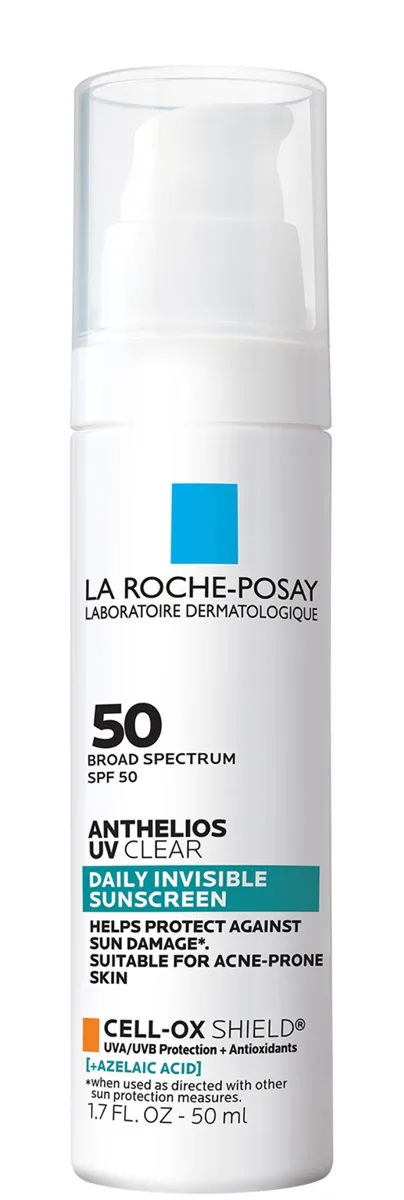
 Anthelios UV Clear Sunscreen SPF 50
One of the only US chemical sunscreens that genuinely earns its 'for sensitive and breakout-prone skin' positioning. A photostable Anthelios filter system paired with a legitimate azelaic acid dose in a lightweight serum-fluid that disappears on every skin tone. Excellent for rosacea, acne, and post-inflammatory hyperpigmentation — and probably the single best daily sunscreen in the La Roche-Posay US lineup for those conditions.
 K-Beauty Daily SPF Standout
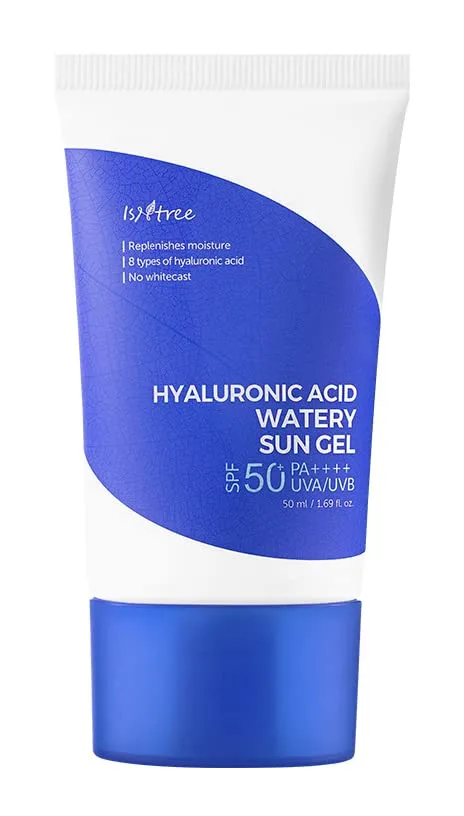
 Hyaluronic Acid Watery Sun Gel SPF 50+
One of the strongest everyday K-beauty sunscreens in the international market — modern European filters, no white cast, fragrance-free, niacinamide-boosted, and built around the brand's signature six-weight HA complex. At twenty-two dollars for 50ml, it's a case study in how much better a daily sunscreen can be when the formulator cares about both protection and wearability.
 Derm Office Staple
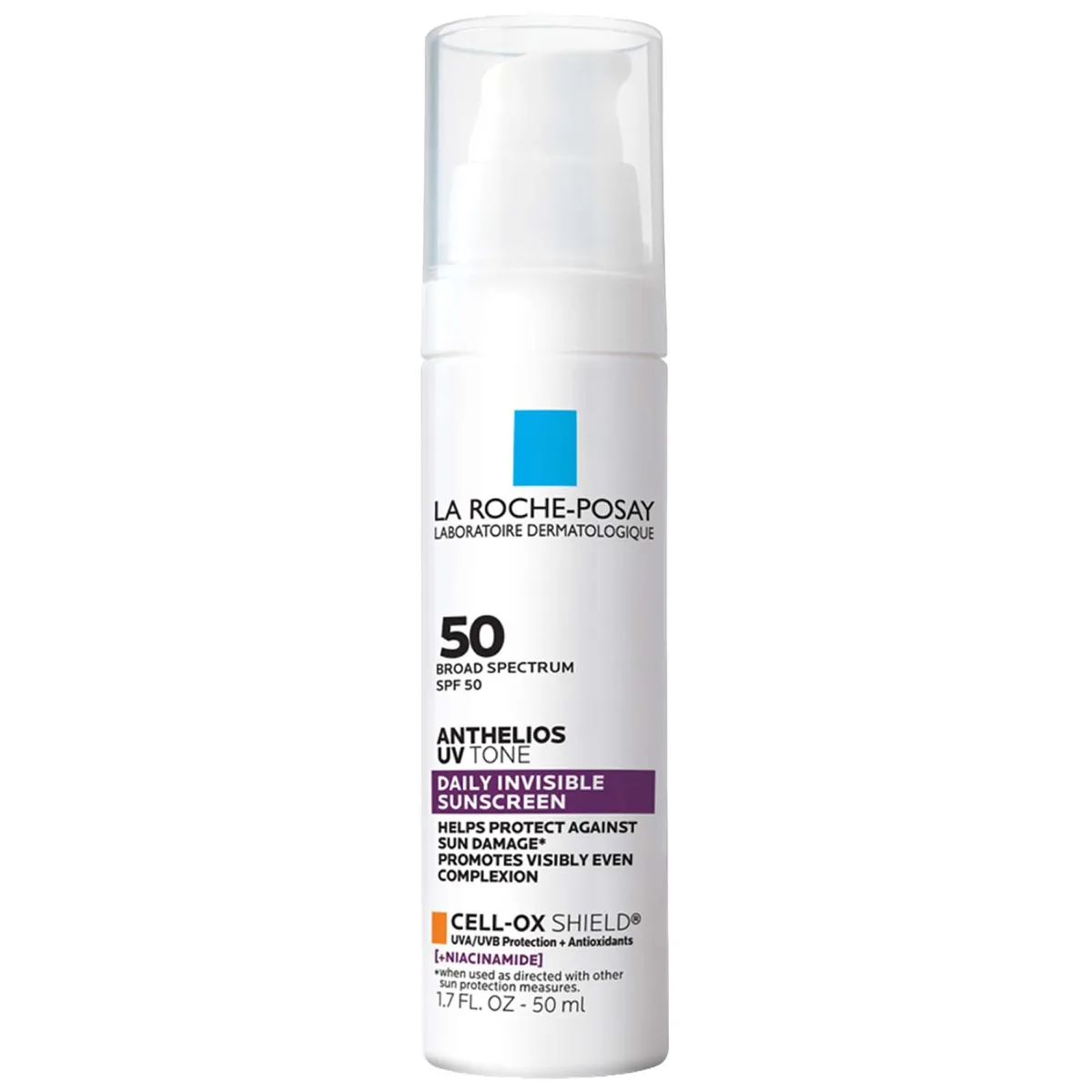
 Anthelios UV Tone Daily Invisible Sunscreen SPF 50
La Roche-Posay's most thoughtful answer yet for hyperpigmentation-prone skin that needs daily SPF. A photostable avobenzone system reinforced with Oxynex ST, paired with a meaningful dose of niacinamide, in a serum-fluid base that goes on invisible on every skin tone. Expensive for 1.7 oz but legitimately well-built — and a rare chemical sunscreen that earns its 'for dark spots' marketing.
 Melasma-Grade Mineral Sunscreen
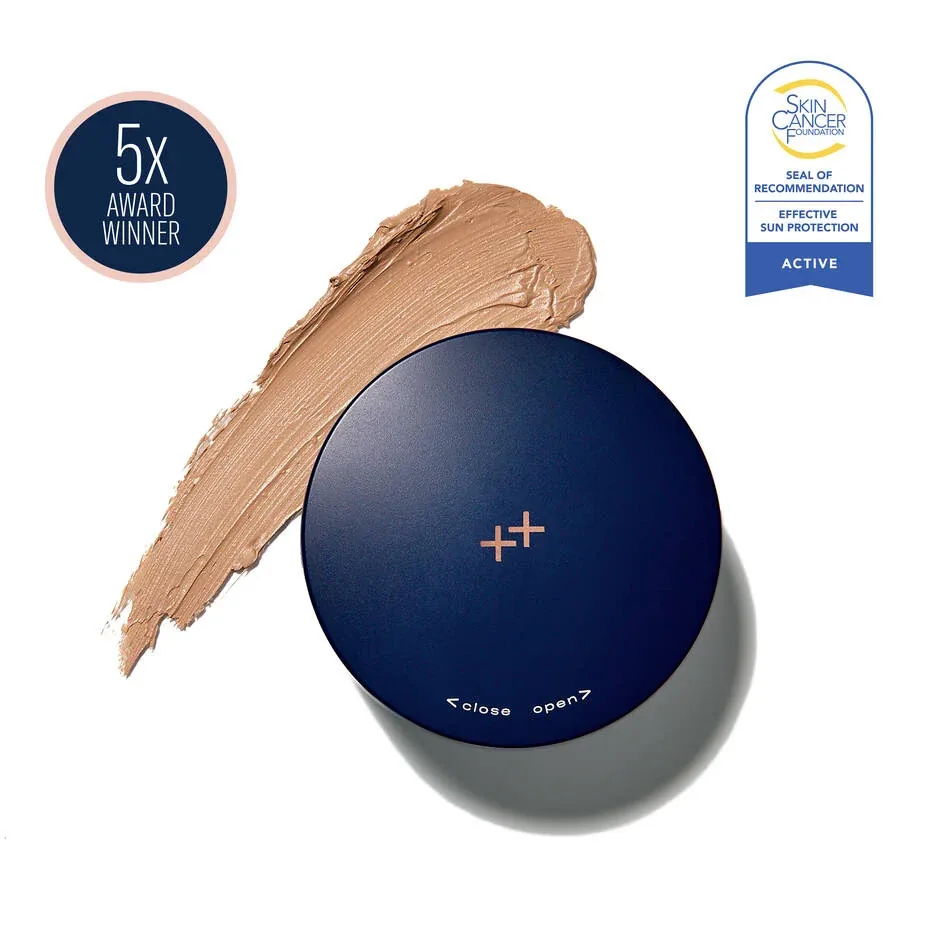
 sunbetter TONE SMART SPF 68
One of the most clinically useful tinted mineral sunscreens in the professional category. SPF 68 from a 100% mineral formula, iron oxide tint that blocks visible light for melasma protection, and an unusually lightweight texture that doesn't feel like you're wearing high-concentration zinc. For patients with melasma or post-inflammatory hyperpigmentation, this is the category benchmark — and it's earned its Allure Best of Beauty wins.
 K-Beauty Cult Favorite
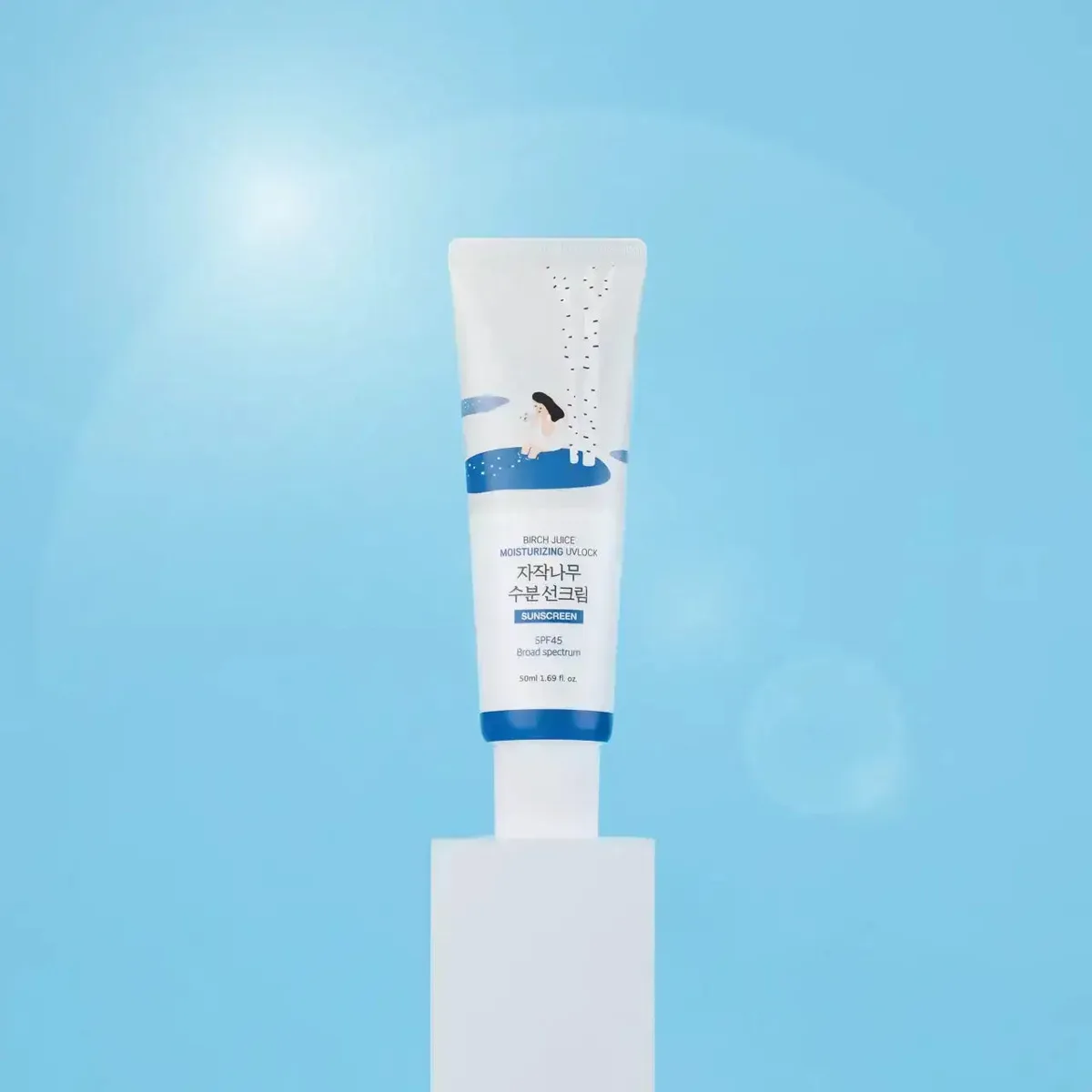
 Birch Juice Moisturizing Sun Cream SPF 50+
One of the best hybrid sunscreens in K-beauty right now — a 70% birch sap base, modern UVA filters you can't get in the US, and a finish that wears like a lightweight moisturizer. Broadly compatible, well-priced, and genuinely pleasant to apply, with minor tradeoffs for oily and fungal-acne-prone users.
 Reactive-Skin Cult Favorite
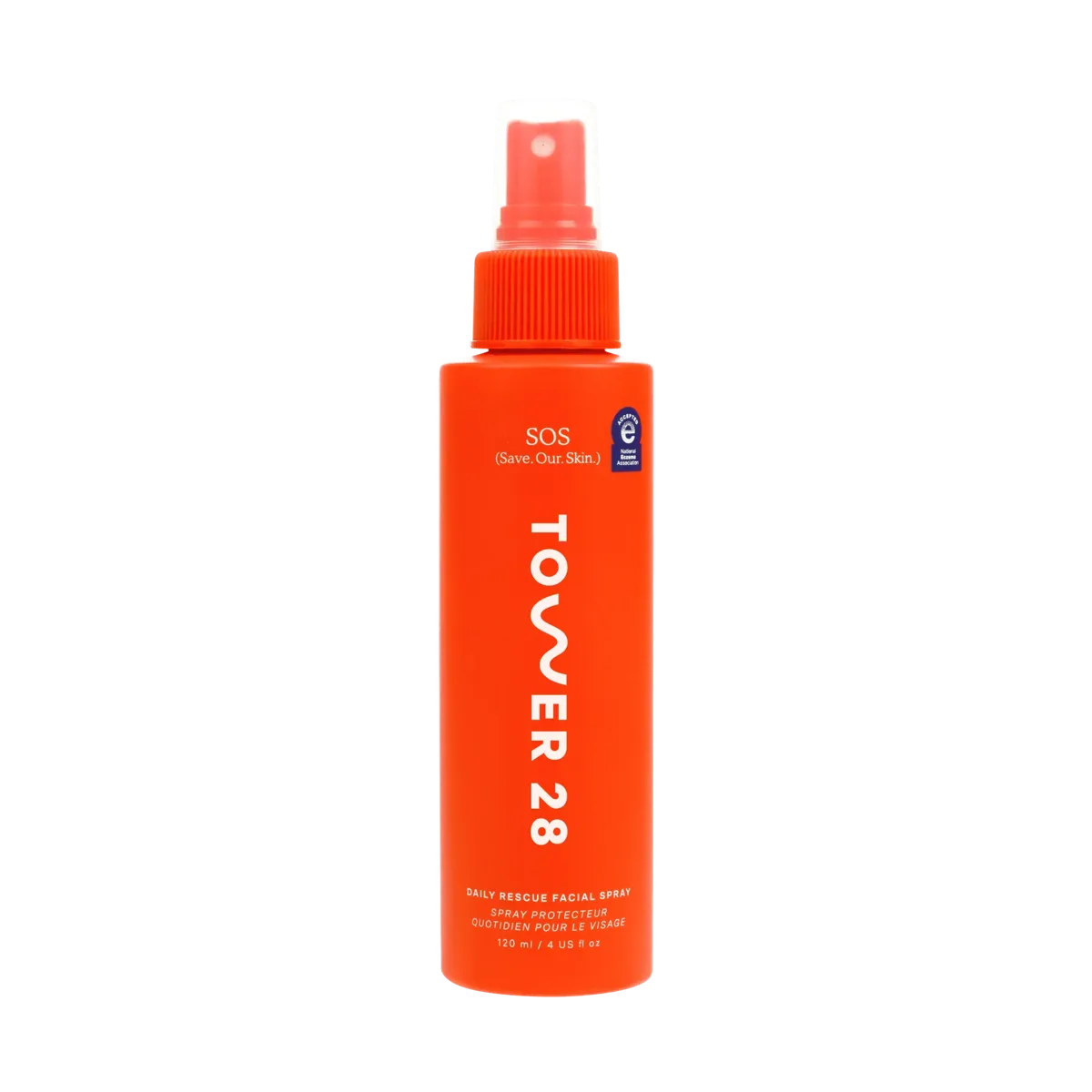
 SOS Save Our Skin Daily Rescue Facial Spray
The product that single-handedly brought hypochlorous acid into mainstream skincare. A fine-mist HOCl spray with genuine dermatology-organization validation, a near-perfect tolerability profile, and a cult following among people whose skin reacts to everything else. The price runs steeper than medical-grade HOCl, but the stabilization and design are worth the difference for daily use.