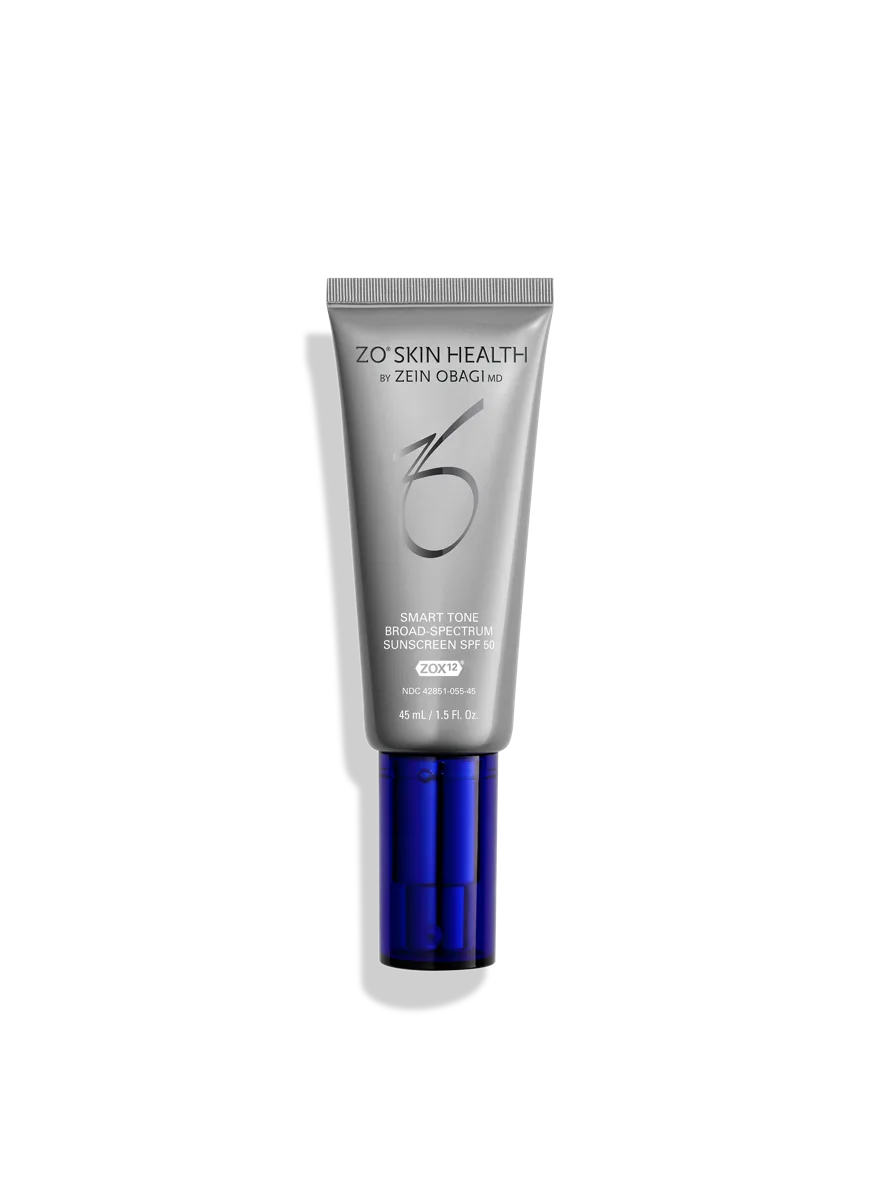
Smart Tone SPF 50 is one of the more elegant tinted chemical sunscreens in the clinical space, with a well-stabilized UV filter system, a melanin-based self-adjusting tint that flatters a wider range of skin tones than most, and a genuine antioxidant support layer. The fragrance and the chemical filter base will rule it out for some users, but for pigmentation-prone skin that tolerates chemical filters, it earns its price tag.
Smart Tone Broad Spectrum SPF 50
Smart Tone SPF 50 is one of the more elegant tinted chemical sunscreens in the clinical space, with a well-stabilized UV filter system, a melanin-based self-adjusting tint that flatters a wider range of skin tones than most, and a genuine antioxidant support layer. The fragrance and the chemical filter base will rule it out for some users, but for pigmentation-prone skin that tolerates chemical filters, it earns its price tag.
Score Breakdown
Where this product gains points and where it loses them — broken down across the four scoring pillars.
A genuinely elegant tinted chemical sunscreen with a well-stabilized UV filter system, a bioavailable tint from melanin and mica, and a real antioxidant support layer. Loses points for fragrance, octocrylene, and the chemical filter base that won't work for everyone.
Pros & Cons
- ✓Self-adjusting melanin-plus-mica tint flatters a wider range of skin tones
- ✓Well-stabilized avobenzone 3% and octocrylene 10% UVA protection
- ✓SPF 50 with full broad-spectrum filter coverage
- ✓Built-in THD ascorbate and ethyl ferulate antioxidant layer
- ✓Satin finish works under or instead of foundation
- ✓Frequently recommended for melasma and pigmentation protocols
- ✓Airless pump protects the UV filters from light degradation
- ✗Contains fragrance — not ideal for sensitive or rosacea-prone skin
- ✗Chemical filter base rules out mineral-only users
- ✗Not reef-safe due to octocrylene and other filters
- ✗Tint can oxidize slightly during the day on deeper skin tones
- ✗Expensive compared to mass-market tinted sunscreens
Full Review
Tinted sunscreens have been having a moment for almost a decade now, driven by the dermatology community's increasing focus on visible light as a pigmentation trigger. Most of the tinted sunscreens that have emerged from this conversation follow the same playbook: take a standard mineral or chemical base, add iron oxides, call it a day. The iron oxide approach works — iron oxides do block visible light effectively — but it has one major limitation, which is that iron oxides come in a handful of fixed shades that rarely flatter more than two or three skin tones before the product starts casting gray, orange, or muddy. ZO took a different route when they launched Smart Tone in 2019. They bet on biological melanin as the tint ingredient, which is more expensive, more technically demanding to formulate with, and — when it works — dramatically more flattering across skin tones than iron oxide alternatives.
That bet is the reason Smart Tone lives in dermatology offices alongside the patients who actually need tinted sunscreen to work. Melasma, post-inflammatory hyperpigmentation, and drug-induced pigmentation all tend to affect skin across a wide range of base tones, and the dermatologist treating these conditions needs a single tinted option that can work on a patient in their chair regardless of whether they're pale, olive, or deeply tanned. Iron oxide tints struggle with this. Smart Tone's melanin-plus-mica system actually pulls it off, within reason — very deep skin tones can still see a slight cast, but it's workable in a way that most tinted sunscreens simply aren't.
The UV filter system is solid on its own terms. Avobenzone at 3% provides the UVA-I absorption that's essential for photoaging and melasma prevention, and it's stabilized by octocrylene at a meaningful 10%. This is the critical pairing — avobenzone alone photodegrades within an hour of sun exposure, and the octocrylene stabilizer is what makes it clinically useful in a real sunscreen. Homosalate at 6.8% and octisalate at 5% handle the UVB side and deliver the SPF 50 rating. This is a textbook U.S. chemical sunscreen filter stack, and it performs exactly as the label suggests when applied at the proper quantity (which most users still don't do — a quarter teaspoon for the face alone, minimum).
The supporting cast is where the product earns some extra points. Tetrahexyldecyl ascorbate adds a stable, lipid-soluble vitamin C derivative that contributes antioxidant defense under the UV filters — the sunscreen-plus-antioxidant combination is considered best practice for photoaging prevention, and having it built into the sunscreen means one less step in your morning routine. Ethyl ferulate acts as both a vitamin C stabilizer and a secondary antioxidant. Rosemary extract contributes carnosic and rosmarinic acids. Beta-glucan adds a soothing layer. Panthenyl triacetate provides B5 comfort. Boron nitride and polymethyl methacrylate give the formula the soft-focus blurring that explains why Smart Tone photographs well on camera.
The texture story is where ZO earns the premium. The formula applies with a satin slip, blurs pores on contact, sets to a soft matte finish, and works under or instead of foundation. It doesn't feel like a medical-grade sunscreen — it feels like a tinted primer that happens to be SPF 50, which is exactly the cosmetic goal. Fragrance is present, again, and the octocrylene is an allergen for a small but meaningful subset of users. Rosacea-prone skin and sensitive skin should patch test carefully before daily use.
The value question is more favorable here than elsewhere in the ZO line. At $70 for 1.5 oz, Smart Tone is expensive by mass-market standards but reasonable for clinical tinted sunscreens — EltaMD UV Elements sits around $40 for 2 oz, Supergoop Glowscreen is $38 for 1.4 oz, but both target different use cases and neither has the melanin-based tint system. The closest functional comparisons are in the $60-90 range, which puts Smart Tone in the middle of a defensible price band. For patients managing melasma or hyperpigmentation under dermatologist care, this is a sunscreen that genuinely does what the tinted SPF marketing promises, and that alone is worth the price bump over cheaper options.
The dermatology office perspective on this product is consistent: Smart Tone is the tinted SPF that pigmentation patients stick with, in part because the tint is flattering enough to replace foundation on most days, and in part because the UV filter stack is strong enough to actually support the pigmentation treatment protocol it's part of. A pigmentation routine without daily tinted SPF is a routine that's going to disappoint you. Smart Tone removes the friction from that step better than most alternatives in its price class.
Formula
Key Ingredients
The hero actives that drive this product's performance.
| Ingredient | Function | Evidence |
|---|---|---|
| Avobenzone 3.0% + Octocrylene 10.0% (3.0% / 10.0%) | The UVA protection backbone. Avobenzone is the only FDA-approved UVA-I absorber in the U.S., and it's stabilized here by octocrylene at a meaningful 10% concentration — the specific pairing that prevents the avobenzone photodegradation problem that plagues lower-quality chemical sunscreens. | well-established |
| Homosalate 6.8% + Octisalate 5.0% (6.8% / 5.0%) | The UVB filter pair that delivers the SPF 50 rating. Homosalate contributes the majority of the broad-spectrum UVB absorption while octisalate acts as a solvent for avobenzone and broadens the UVB coverage. This combination is the standard approach for high-SPF U.S. chemical sunscreens. | well-established |
| Melanin | The 'smart' part of Smart Tone — a true biological melanin that contributes both visible tint and supplementary antioxidant/photoprotective effects. Combined with the mica pigments, it creates the self-adjusting tint system that makes this sunscreen workable across a wider range of skin tones than most tinted chemical SPFs. | promising |
| Tetrahexyldecyl Ascorbate (Vitamin C) | A stable, lipid-soluble vitamin C derivative that adds an antioxidant defense layer under the UV filters. Sunscreen plus antioxidant is considered a best-practice stack for photoaging prevention, and including THD ascorbate in the formula rather than requiring a separate serum is a nice touch for busy users. | well-established |
| Ethyl Ferulate + Rosemary Extract + Beta-Glucan | An antioxidant support stack. Ethyl ferulate is a ferulic acid derivative that stabilizes vitamin C and contributes its own antioxidant activity, rosemary extract provides carnosic acid and rosmarinic acid, and beta-glucan adds soothing polysaccharide support. Together they round out the antioxidant side of the photoprotection story. | well-established |
Full INCI List
Active Ingredients: Avobenzone 3.0%, Homosalate 6.8%, Octisalate 5.0%, Octocrylene 10.0%. Inactive Ingredients: Water, Dimethicone, Butyloctyl Salicylate, Styrene/Acrylates Copolymer, Dimethicone/Divinyldimethicone/Silsesquioxane Crosspolymer, PEG-100 Stearate, Butylene Glycol, Mica, Glyceryl Stearate, Polyamide-5, Steareth-21, Cetearyl Alcohol, Caprylyl Glycol, Ethylene Brassylate, Coco-Glucoside, Steareth-2, Panthenyl Triacetate, Polymethyl Methacrylate, Ethyl Linoleate, Acrylates/Ammonium Methacrylate Copolymer, Hexylene Glycol, Glycerin, Oleyl Alcohol, Aluminum Hydroxide, Isostearic Acid, Simethicone, Melanin, C12-15 Alkyl Benzoate, Sodium Hydroxide, Tocopheryl Acetate, Ethyl Ferulate, Polyglyceryl-5 Trioleate, Boron Nitride, Tetrahexyldecyl Ascorbate, Tocopherol, Argania Spinosa Kernel Oil, Helianthus Annuus (Sunflower) Seed Oil, Petasites Japonicus Root Extract, Rosmarinus Officinalis (Rosemary) Leaf Extract, Beta-Glucan, Fragrance (Parfum), Dimethicone/Vinyl Dimethicone Crosspolymer.
Product Flags
✗ Fragrance Free✓ Alcohol Free✗ Oil Free✗ Silicone Free✓ Paraben Free✓ Sulfate Free✗ Cruelty Free✗ Vegan✗ Fungal Acne Safe
Potential Irritants
FragranceChemical UV filters
Common Allergens
FragranceOctocrylene
Compatibility
Skin Match
Best For
Works For
Not Ideal For
Addresses These Conditions
aging sun damage hyperpigmentation melasma dullness
Use With Caution
Avoid With
Routine Step
sunscreen
Time of Day
AM
Pregnancy Safe
Unknown
Layering Tips
Apply as the final morning step over moisturizer and any serums. Use a generous quarter-teaspoon for the face alone — underapplication is the single biggest reason people don't get the labeled SPF. Reapply every 2 hours during sun exposure.
Results Timeline
Immediate tinted coverage and UV protection on first application. Prevention benefits for pigmentation and photoaging accumulate over months of daily use — sunscreen is the single highest-impact anti-aging product you can apply.
Pairs Well With
vitamin-c-serumretinol-treatmentshydroquinonetranexamic-acid-serums
Sample AM Routine
- Cleanser
- Vitamin C serum
- Moisturizer
- ZO Skin Health Smart Tone Broad Spectrum SPF 50
Sample PM Routine
- N/A — AM only product
Evidence
Science & Expert Perspective
The Science
The UV filter system in Smart Tone is grounded in decades of FDA-regulated evidence for avobenzone, homosalate, octisalate, and octocrylene as broad-spectrum sunscreen actives. Avobenzone remains the only FDA-approved UVA-I filter in the U.S. market, and its effectiveness depends critically on photostability — the well-documented issue that avobenzone degrades rapidly under UV exposure unless it's paired with a stabilizing filter. Octocrylene at meaningful concentrations (5-10%) is the standard stabilizer used in the U.S. to address this problem, and Smart Tone's 10% octocrylene is the high end of that practical range. The case for tinted sunscreen in pigmentation management comes from research showing that visible light, particularly high-energy blue-violet wavelengths, contributes to melanogenesis in melasma and post-inflammatory hyperpigmentation. A key paper in the Journal of the American Academy of Dermatology demonstrated that tinted sunscreens containing iron oxides outperformed clear chemical sunscreens for melasma patients — the visible light blocking from the pigment was additive to the UV protection from the filters. Melanin as a tint ingredient has less published evidence than iron oxides specifically but has biological plausibility as a visible-light absorber because of its fundamental photoprotective role in human skin. The antioxidant additions (tetrahexyldecyl ascorbate, ethyl ferulate, rosemary extract, beta-glucan) reflect research showing that topical antioxidants under sunscreen can neutralize reactive oxygen species that form despite UV filtration, and combining antioxidants with sunscreen has been shown in multiple studies to provide better protection against photodamage than sunscreen alone.
Dermatologist Perspective
Dermatologists who treat melasma, post-inflammatory hyperpigmentation, and drug-induced pigmentation frequently dispense Smart Tone as the daily photoprotection step in those protocols. It's especially common in practices serving diverse patient populations, because the melanin-based tint works across a wider range of skin tones than iron oxide-only alternatives. Board-certified dermatologists pair it with tranexamic acid, azelaic acid, hydroquinone, or cysteamine treatments, where daily visible light protection is essential to treatment success. Rosacea patients and those with known fragrance sensitivities are typically steered to a mineral alternative or a fragrance-free clinical sunscreen. The product is generally considered appropriate for daily use with reapplication during direct sun exposure, and remains one of the more recommended sunscreens in clinical pigmentation management.
Guidance
Usage Guide
How to Use
Apply as the final step of your morning routine over moisturizer and any serums. Use a full quarter teaspoon (about two finger lengths of product) for the face alone, plus additional amount for the ears, neck, and any exposed chest. Underapplication is the single biggest reason people don't get the labeled SPF. Allow the sunscreen to set for 60-90 seconds before applying foundation or other makeup. Reapply every 2 hours during direct sun exposure, and immediately after swimming or heavy sweating. Store in the original airless pump container away from heat. Do not use as a substitute for prescription sun protection advice in conditions like lupus or drug-induced photosensitivity.
Value Assessment
At $70 for 1.5 oz, Smart Tone is priced in line with the premium clinical tinted sunscreen category and above mass-market alternatives by a noticeable margin. The full size is a better per-ounce value than the $34.50 travel size, so commit to the full bottle if you're using it daily. Compared to EltaMD UV Daily or Supergoop alternatives in the $35-45 range, Smart Tone offers the melanin-tint system and slightly more antioxidant support, but not a dramatically different UV filter story. For pigmentation patients in a dermatology-supervised protocol, the premium is defensible because the tint actually works across skin tones where cheaper tinted sunscreens often cast. For general daily use without pigmentation-specific needs, a less expensive tinted SPF can get you most of the way there.
Who Should Buy
Pigmentation-prone skin — melasma, post-inflammatory hyperpigmentation, drug-induced pigmentation — that tolerates chemical sunscreen filters. Particularly good for patients following a dermatology-supervised pigmentation protocol who want a tinted SPF that works across a wide range of skin tones without obvious casting.
Who Should Skip
Rosacea-prone skin, fragrance-sensitive users, and anyone who prefers or requires mineral-only sunscreens should choose a different product. Reef-safety-conscious swimmers and those in marine protected areas should use a zinc-only alternative. Budget shoppers can achieve 80% of the benefit with a $35 tinted mineral SPF.
Ready to try ZO Skin Health Smart Tone Broad Spectrum SPF 50?
Details
Details
Texture
Thin, creamy lotion that applies with a satin slip before setting to a soft matte finish.
Scent
Light floral ZO signature fragrance, softer than the serums in the line.
Packaging
Opaque airless pump tube with ZO's clinical colorway — protects the chemical filters from light degradation.
Finish
satinnon-greasynatural
What to Expect on First Use
Immediate soft-tint coverage that blurs pores and evens out discoloration on application. No adjustment period for most users — the formula is designed for daily immediate use. A small number of users report mild tingling with octocrylene; discontinue if it persists.
How Long It Lasts
Roughly 6-8 weeks with daily full-face application at the proper quarter-teaspoon amount from the 1.5 oz tube.
Period After Opening
12 months
Best Season
All Year
Background
The Why
ZO launched Smart Tone SPF 50 in 2019 as a successor to the older Oclipse line, at a point when the pigmentation and melasma conversation had shifted decisively toward visible-light protection. Rather than following other clinical brands into iron oxide-based tinting, ZO bet on true melanin as the tint ingredient — a more expensive and technically demanding choice that makes the product harder to replicate.
About ZO Skin Health Established Brand (5–20 years)
ZO Skin Health was founded in 2007 by Dr. Zein Obagi and distributes primarily through U.S. dermatology and plastic surgery offices. Smart Tone is ZO's flagship tinted photoprotection product and sits at the center of the brand's daily pigmentation and anti-aging protocols.
Brand founded: 2007 · Product launched: 2019
Myth vs. Reality
Myths & Misconceptions
Myth
Chemical sunscreens are dangerous and outdated.
Reality
The U.S. FDA's 2019 monograph raised questions about systemic absorption of some chemical filters but did not find evidence of harm. Avobenzone, octocrylene, homosalate, and octisalate remain Category I (generally recognized as safe and effective) for U.S. OTC use. The choice between chemical and mineral is personal preference and skin compatibility, not safety.
Myth
Tinted SPF doesn't protect as well as non-tinted.
Reality
Tinted SPF usually protects better for pigmentation-prone skin because the tint adds visible light protection that clear sunscreens lack. Melasma and post-inflammatory hyperpigmentation are both driven by visible light as well as UV, which is exactly why dermatologists prefer tinted SPF for these conditions.
FAQ
Frequently Asked Questions
Does Smart Tone SPF 50 work for darker skin tones?
Yes — better than most tinted sunscreens. The 'smart' part is that the tint is built around true melanin and mica, which self-adjusts slightly to blend into a wider range of skin tones than iron oxide tints. It's not shade-matched like a foundation, and very deep skin tones may still see a faint cast, but it's one of the more inclusive tinted chemical SPFs on the clinical market.
Is this a chemical or mineral sunscreen?
Chemical. The UV filters are avobenzone 3%, homosalate 6.8%, octisalate 5%, and octocrylene 10%. There is no zinc oxide or titanium dioxide in the formula, so if you need a pure mineral sunscreen, this is not the right product for you.
Can I wear Smart Tone under makeup?
Yes, and many users do. The satin finish and built-in tint mean you can either layer foundation on top for full coverage or skip foundation entirely on lower-coverage days. Let the sunscreen set for a minute or two before applying other products to avoid pilling.
Is Smart Tone reef safe?
No. Octocrylene in particular is not considered reef-safe by most coral reef conservation standards, and homosalate and octisalate are also restricted in some Hawaii and Florida locations. For swim and beach use in sensitive marine environments, choose a mineral-only sunscreen.
How does it compare to EltaMD UV Elements or UV Clear?
Smart Tone is a chemical sunscreen with a melanin and mica tint, while EltaMD UV Elements is a mineral tinted sunscreen with zinc oxide. Smart Tone has a more cosmetically elegant finish for most users, while UV Elements offers pure physical protection that's better for sensitive skin and reef-safe use. Both are frequently recommended in dermatology offices.
Is this good for melasma?
Yes — the tinted coverage adds visible light protection that clear sunscreens lack, which is important for melasma management. Dermatologists frequently recommend tinted sunscreens as part of a melasma protocol alongside tranexamic acid, azelaic acid, or prescription hydroquinone.
Can I use Smart Tone during pregnancy?
Chemical sunscreens are generally considered acceptable during pregnancy by most dermatology sources, though some patients prefer mineral-only options during pregnancy out of caution. Confirm with your OB or dermatologist if you have concerns about any specific filter.
Community
Community Voices
Common Praise
"Tint flatters a wide range of skin tones"
"Disappears into skin rather than sitting on top"
"High protection without the heavy chemical sunscreen smell"
"Works under or instead of foundation"
Common Complaints
"Expensive for 1.5 oz"
"Contains fragrance"
"Chemical filters won't suit everyone"
"Tint can oxidize slightly during the day on deeper skin tones"
Notable Endorsements
Widely dispensed in U.S. dermatology offices for melasma and pigmentation protocolsFrequently recommended for post-laser UV protection
Appears In
best tinted sunscreen for melasma best chemical sunscreen spf 50 best sunscreen for hyperpigmentation best derm office sunscreen
Related Conditions
hyperpigmentation melasma sun damage aging dullness
Related Ingredients
You Might Also Like
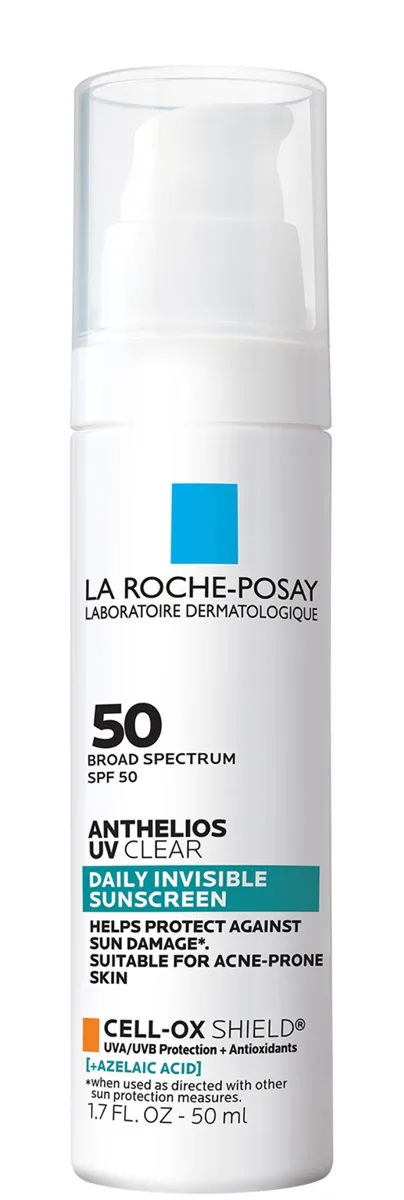 Derm Office Staple
 Anthelios UV Clear Sunscreen SPF 50
One of the only US chemical sunscreens that genuinely earns its 'for sensitive and breakout-prone skin' positioning. A photostable Anthelios filter system paired with a legitimate azelaic acid dose in a lightweight serum-fluid that disappears on every skin tone. Excellent for rosacea, acne, and post-inflammatory hyperpigmentation — and probably the single best daily sunscreen in the La Roche-Posay US lineup for those conditions.
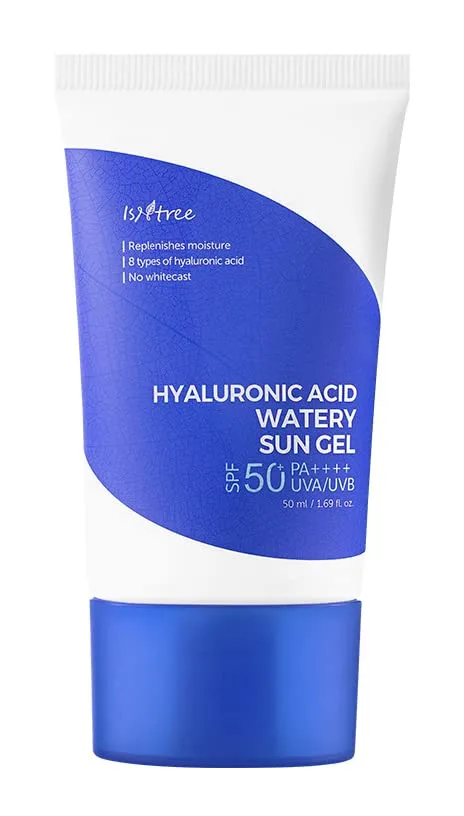 K-Beauty Daily SPF Standout
 Hyaluronic Acid Watery Sun Gel SPF 50+
One of the strongest everyday K-beauty sunscreens in the international market — modern European filters, no white cast, fragrance-free, niacinamide-boosted, and built around the brand's signature six-weight HA complex. At twenty-two dollars for 50ml, it's a case study in how much better a daily sunscreen can be when the formulator cares about both protection and wearability.
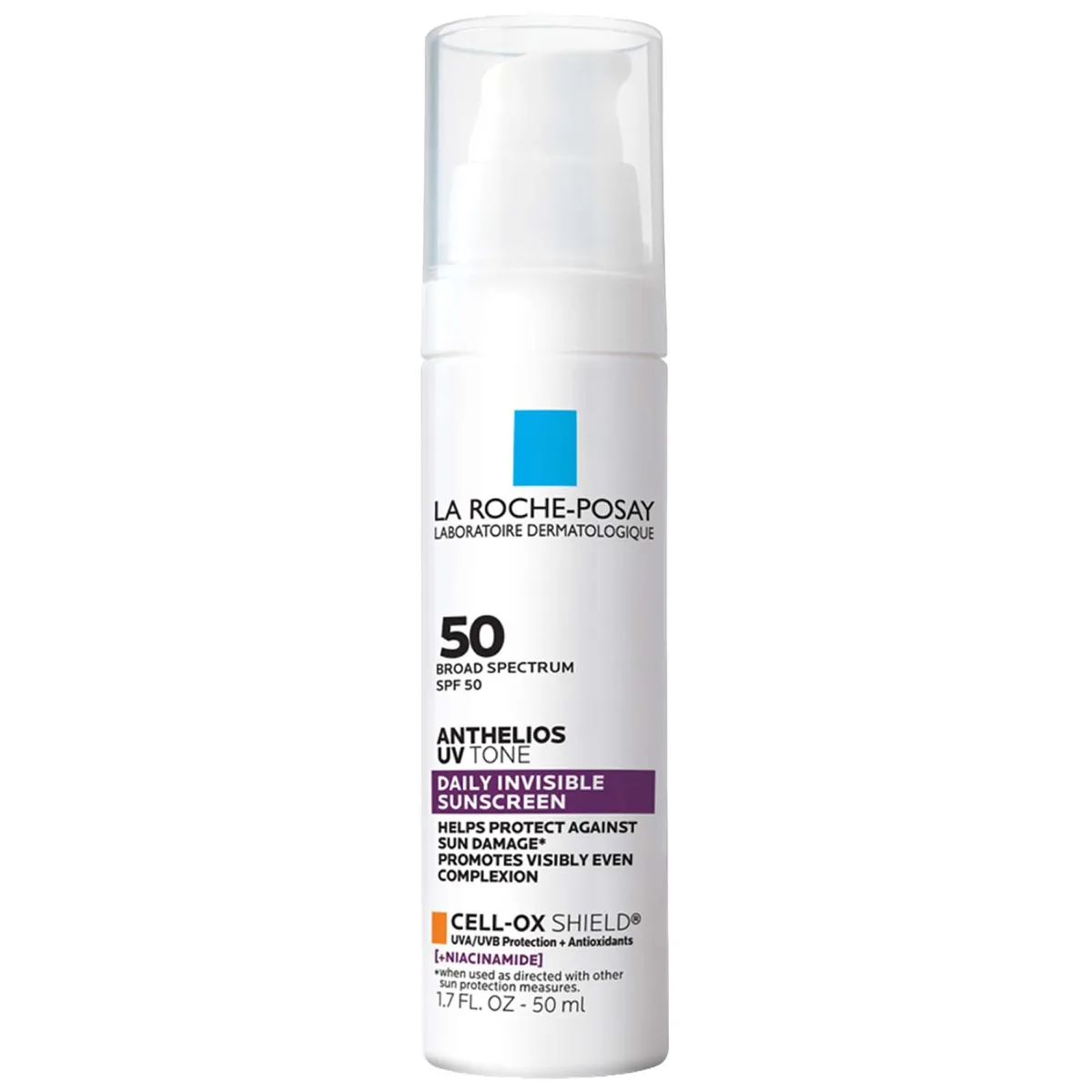 Derm Office Staple
 Anthelios UV Tone Daily Invisible Sunscreen SPF 50
La Roche-Posay's most thoughtful answer yet for hyperpigmentation-prone skin that needs daily SPF. A photostable avobenzone system reinforced with Oxynex ST, paired with a meaningful dose of niacinamide, in a serum-fluid base that goes on invisible on every skin tone. Expensive for 1.7 oz but legitimately well-built — and a rare chemical sunscreen that earns its 'for dark spots' marketing.
 Melasma-Grade Mineral Sunscreen
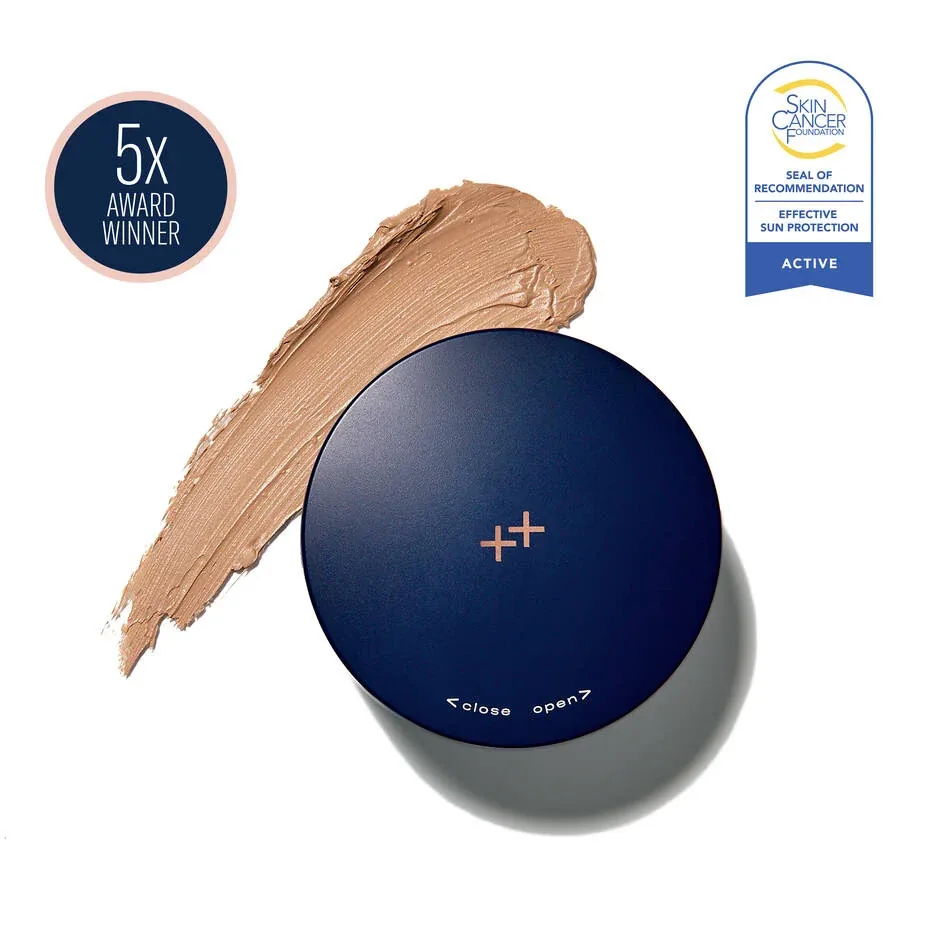
 sunbetter TONE SMART SPF 68
One of the most clinically useful tinted mineral sunscreens in the professional category. SPF 68 from a 100% mineral formula, iron oxide tint that blocks visible light for melasma protection, and an unusually lightweight texture that doesn't feel like you're wearing high-concentration zinc. For patients with melasma or post-inflammatory hyperpigmentation, this is the category benchmark — and it's earned its Allure Best of Beauty wins.
 K-Beauty Cult Favorite
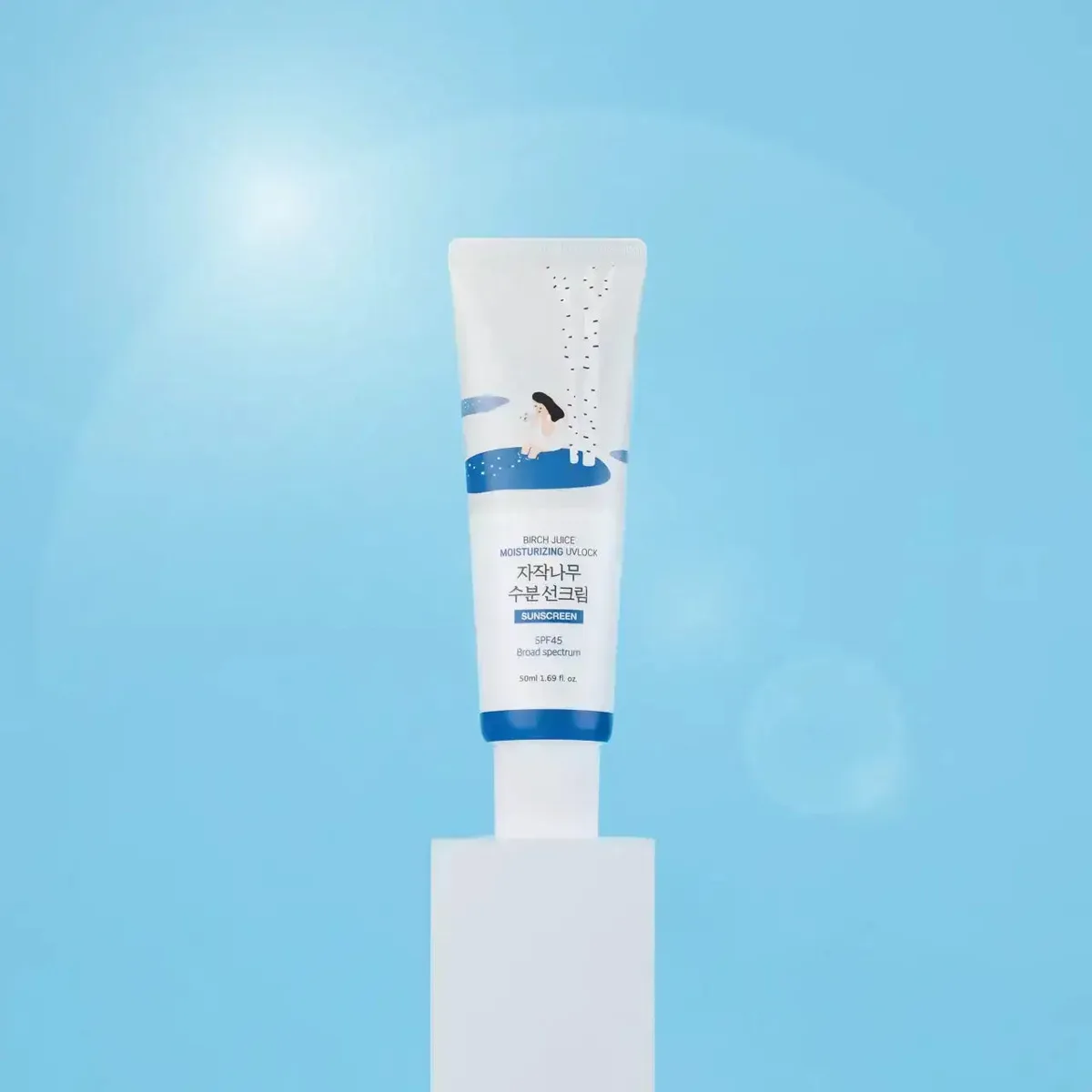
 Birch Juice Moisturizing Sun Cream SPF 50+
One of the best hybrid sunscreens in K-beauty right now — a 70% birch sap base, modern UVA filters you can't get in the US, and a finish that wears like a lightweight moisturizer. Broadly compatible, well-priced, and genuinely pleasant to apply, with minor tradeoffs for oily and fungal-acne-prone users.
 The K-Beauty Sunscreen That Changed Everything
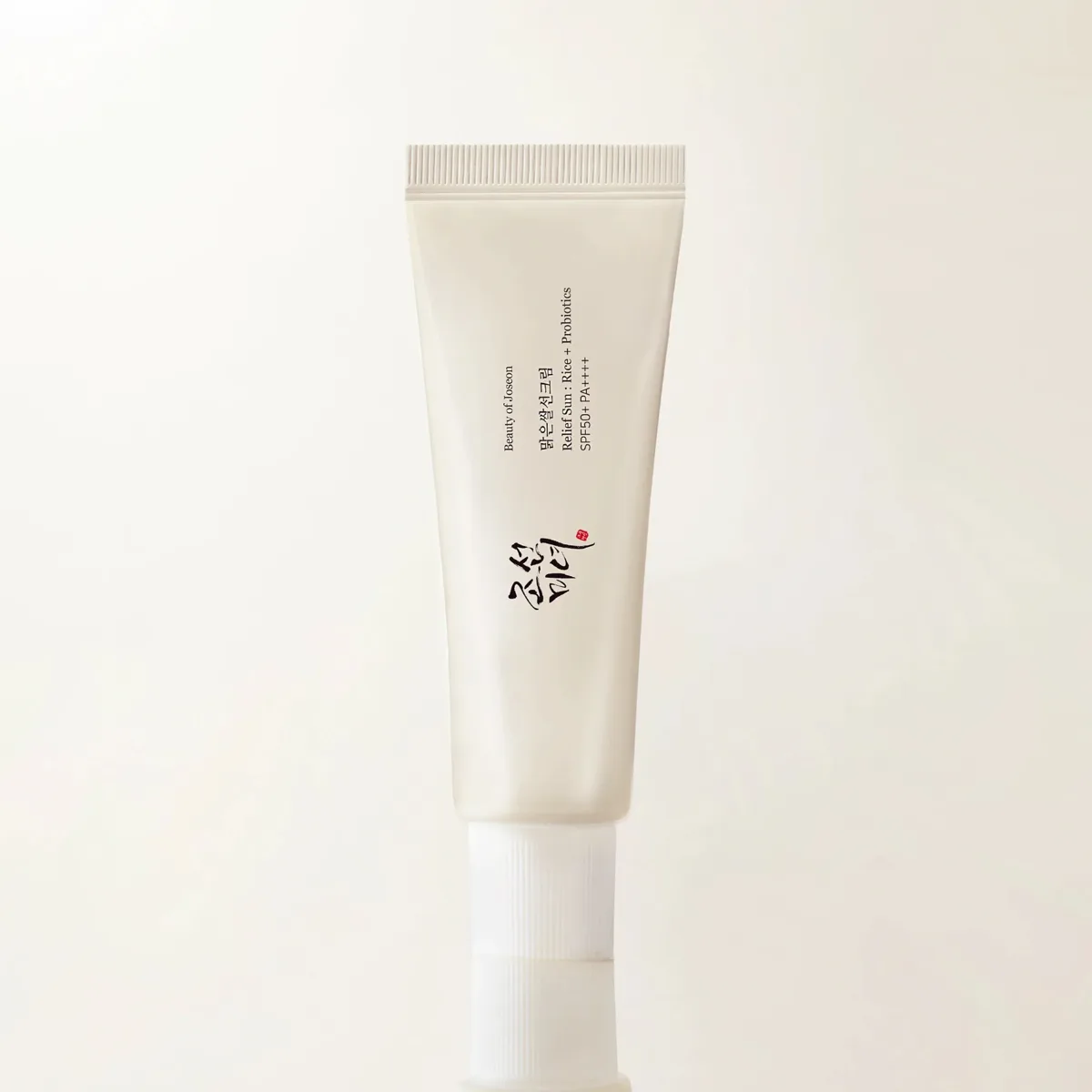
 Relief Sun: Rice + Probiotics SPF 50+
The sunscreen that rewrote the rules for what a $14 product could deliver. With independently verified SPF 50+, 30% rice extract, niacinamide, and a probiotic ferment complex, it offers protection and skincare benefits that rival products three times its price. The texture that feels like wearing nothing on your face is the reason it went viral — and stayed there.