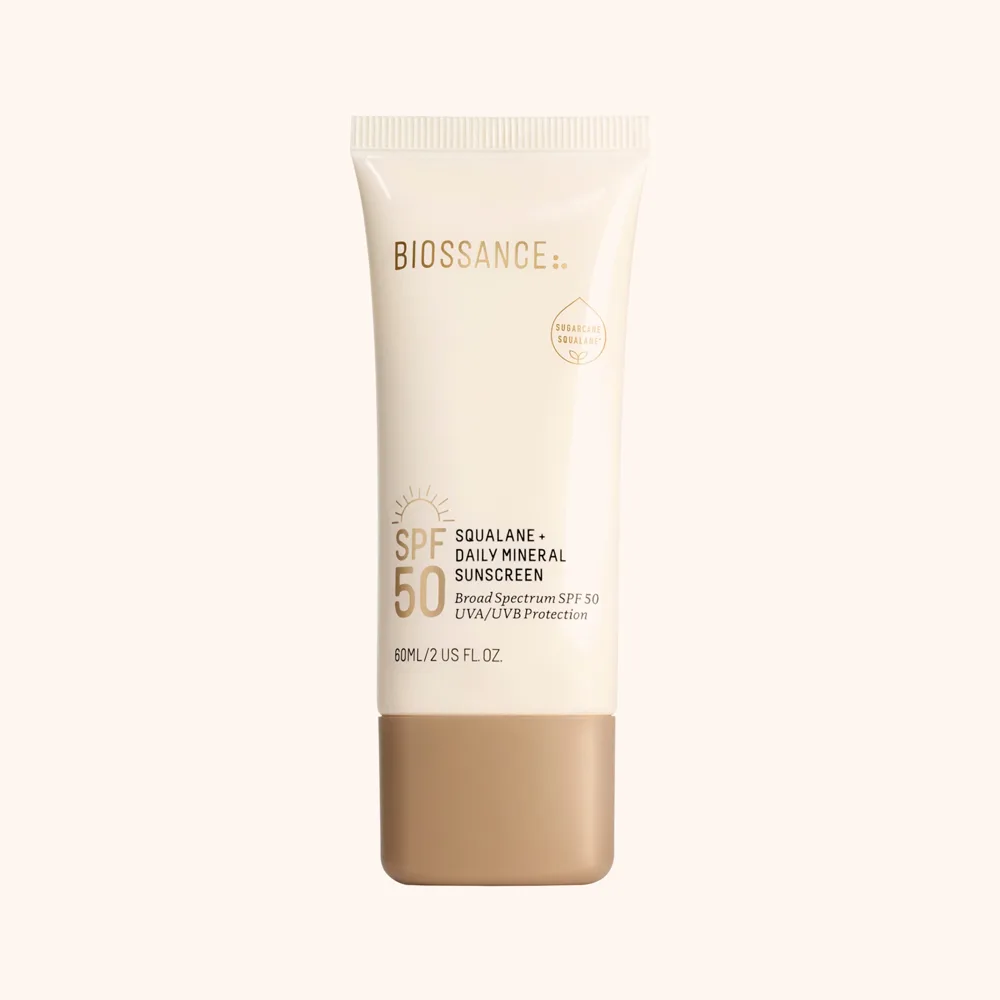
A thoughtfully formulated mineral sunscreen that actually solves the problems mineral sunscreens are known for — the squalane-infused base delivers genuine hydration instead of chalky dryness, and the white cast is impressively controlled for 14% zinc oxide. Best for dry and sensitive skin types who want clean ingredients without compromising on wearability.
Squalane + Zinc Sheer Mineral Sunscreen SPF 30
A thoughtfully formulated mineral sunscreen that actually solves the problems mineral sunscreens are known for — the squalane-infused base delivers genuine hydration instead of chalky dryness, and the white cast is impressively controlled for 14% zinc oxide. Best for dry and sensitive skin types who want clean ingredients without compromising on wearability.
Score Breakdown
Where this product gains points and where it loses them — broken down across the four scoring pillars.
A well-formulated mineral sunscreen with excellent skin compatibility and the added benefit of squalane hydration, held back by its price point and limited suitability for oily skin types due to its dewy finish.
Pros & Cons
- ✓Remarkably low white cast for a 14% zinc oxide mineral sunscreen
- ✓Squalane-rich formula provides genuine all-day hydration without heavy silicones
- ✓Excellent for sensitive and reactive skin with no stinging or irritation
- ✓Works beautifully as a makeup primer with a luminous, dewy base
- ✓Clean ingredient list — no chemical UV filters, fragrance, or silicones
- ✓EWG Verified and reef-safe, exceeding Hawaii sunscreen regulations
- ✓Ethyl ferulate provides antioxidant backup against free radical damage
- ✗Dewy finish is too moisturizing for oily skin, especially in humid conditions
- ✗At $34 for 1.7 oz, cost adds up quickly with proper daily use and reapplication
- ✗SPF 30 may not satisfy users who prefer higher protection numbers
- ✗Some residual white cast may appear on deeper skin tones despite improvements
- ✗Contains caprylic/capric triglyceride which is not fungal acne safe
Full Review
The story of Biossance starts in a place you wouldn't expect for a beauty brand: a laboratory working on anti-malaria drugs. Amyris, the biotech company behind Biossance, received $42.5 million from the Bill and Melinda Gates Foundation to develop affordable treatments for malaria. Along the way, they figured out how to produce squalane — a molecule naturally found in human skin — from sugarcane fermentation. When the skincare application became obvious, Biossance was born in 2016. It's not the typical beauty brand origin story, and it's relevant here because this sunscreen is, in many ways, the culmination of that technology.
Mineral sunscreens have a reputation problem. They're the vegetables of sun protection — everyone knows they're good for you, but nobody really wants to deal with them. The white cast. The thick, paste-like texture. The way they seem to suck moisture out of your skin while sitting on top of it like a coat of paint. For years, choosing mineral meant choosing discomfort, and the clean beauty movement was left with a fundamental tension: the most skin-friendly UV filter felt the least pleasant to wear.
Biossance's answer to this problem is, predictably, squalane. Their sugarcane-derived squalane is positioned high in the ingredient list, serving as both a moisturizing agent and a texture modifier for the zinc oxide. And it works. From the moment you squeeze this out of the tube, it's clear this isn't your standard mineral sunscreen. The texture is fluid, almost serum-like, blending into skin with ease rather than requiring the determined rubbing that many zinc oxide formulations demand. The white cast — the single biggest barrier to mineral sunscreen adoption — is remarkably restrained. On light to medium skin tones, it's essentially invisible. Deeper skin tones may still notice some residual cast, but it's a dramatic improvement over older mineral formulations.
The zinc oxide sits at 14%, which is a solid concentration for SPF 30 broad-spectrum protection. Some sunscreen purists might want higher SPF, but the difference between SPF 30 (blocking 97% of UVB) and SPF 50 (blocking 98%) is genuinely minimal — proper application technique and reapplication habits matter far more than that extra percentage point. What's more interesting is what surrounds the zinc oxide. Ethyl ferulate, a stabilized form of ferulic acid, provides antioxidant backup. UV radiation generates free radicals even when a sunscreen is blocking the majority of rays, and having an antioxidant in the formula addresses that secondary damage pathway. It's a smart addition that shows formulation thinking beyond just the SPF number.
The finish is unapologetically dewy. This is both the sunscreen's signature strength and its most divisive quality. For dry skin, the luminous glow is a gift — your skin looks healthy, hydrated, and naturally radiant. Many users report that it doubles as an excellent makeup primer, creating a smooth, hydrated canvas that helps foundation apply more evenly. But for oily skin, especially in warm weather, that same dewiness can tip into looking greasy by midday. This is not a universal sunscreen, and Biossance doesn't pretend it is.
The ingredient list will please clean beauty enthusiasts. No chemical UV filters, no fragrance, no silicones, no parabens. The emulsifier system uses gentle glucoside-based surfactants instead of harsher alternatives. Nymphaea alba (white water lily) extract provides mild soothing benefits, and sodium palmitoyl proline — a lesser-known ingredient — has some evidence for calming reactive skin. The formulation is EWG Verified and reef-safe, exceeding Hawaii's sunscreen regulations.
Comfort on the skin is where this sunscreen really distinguishes itself. There's no stinging, no tightness, no drying effect — even on freshly treated or reactive skin. People who've given up on sunscreen because everything they try irritates their face should seriously consider this one. The squalane provides all-day moisturization that actually makes your skin feel better at the end of the day than it did in the morning. That's not something most sunscreens can claim.
The price, however, is a real consideration. At $34 for 1.7 ounces, and with the recommendation to reapply every two hours during sun exposure, this is an expensive daily sunscreen. A tube might last two to three months with single morning application, but anyone using it as their beach or outdoor activity sunscreen will burn through it quickly — both figuratively and, if they don't reapply, literally. A travel size is available for those who want to test before committing.
Biossance has also released a newer SPF 50 version with ectoin, which offers higher protection for those who want it. But this original SPF 30 formula remains the brand's most popular sun care product, and for good reason — it proved that mineral sunscreen could be genuinely pleasant to wear, not just tolerable. For dry and sensitive skin types who've been searching for a mineral sunscreen that doesn't punish them for making the responsible choice, this is one of the best options available. The biotech squalane isn't just a marketing story. You can feel it working.
Formula
Key Ingredients
The hero actives that drive this product's performance.
| Ingredient | Function | Evidence |
|---|---|---|
| Zinc Oxide (14%) | The sole UV filter in this formula, providing broad-spectrum UVA and UVB protection through physical reflection and absorption of UV radiation — the 14% concentration is sufficient for SPF 30 and the zinc oxide particles are dispersed in a polyhydroxystearic acid matrix that helps reduce the white cast typically associated with mineral sunscreens. | well-established |
| Squalane | Biossance's signature sugarcane-derived squalane serves double duty here — it provides lightweight, non-comedogenic moisturization that prevents the dry, tight feeling mineral sunscreens often cause, while also acting as an emollient carrier that helps the zinc oxide disperse more evenly across skin for more uniform protection. | well-established |
| Ethyl Ferulate | A stabilized ester form of ferulic acid that provides antioxidant protection against free radical damage caused by UV exposure — in this formula, it supplements the physical UV blocking of zinc oxide with chemical antioxidant defense, addressing the oxidative stress that gets past the mineral barrier. | promising |
| Nymphaea Alba Flower Extract (White Water Lily) | Provides soothing and anti-inflammatory support that helps calm skin under the zinc oxide layer, particularly beneficial for reactive skin types that may experience irritation from sunscreen application or sun exposure itself. | limited |
| Glycerin | Works alongside the squalane to maintain skin hydration throughout the day, preventing the dehydrating effect that mineral sunscreen filters can have on the skin's moisture barrier — the combination of a humectant (glycerin) and an emollient (squalane) creates a more complete hydration profile than either alone. | well-established |
Full INCI List
Active Ingredient: Zinc Oxide 14%. Inactive Ingredients: Water, Caprylic/Capric Triglyceride, Squalane, Glycerin, Cetearyl Alcohol, Methyl Dihydroabietate, Sorbitan Olivate, Coco-Glucoside, Cetyl Palmitate, Polyglyceryl-3 Polyricinoleate, Caprylyl/Capryl Glucoside, Nymphaea Alba Flower Extract, Acacia Senegal Gum, Ethyl Ferulate, Xanthan Gum, Sodium Gluconate, Lecithin, Sodium Palmitoyl Proline, Polyhydroxystearic Acid, Ethylhexylglycerin, Phenoxyethanol, Isostearic Acid
Product Flags
✓ Fragrance Free✓ Alcohol Free✗ Oil Free✓ Silicone Free✓ Paraben Free✓ Sulfate Free✓ Cruelty Free✓ Vegan✗ Fungal Acne Safe
Compatibility
Skin Match
Best For
Works For
Not Ideal For
Addresses These Conditions
sun damage sensitivity dryness aging
Use With Caution
Routine Step
sunscreen
Time of Day
AM
Pregnancy Safe
Yes ✓
Layering Tips
Apply as the final step in your morning skincare routine, after moisturizer. Allow 1-2 minutes to set before applying makeup — the dewy finish works well as a primer for light makeup. Reapply every 2 hours during sun exposure.
Results Timeline
Immediate UV protection and a dewy, hydrated finish on first application. Skin stays moisturized throughout the day. Over weeks of consistent use, the squalane and antioxidants contribute to improved skin hydration and protection from photoaging.
Pairs Well With
vitamin C serumshydrating moisturizersantioxidant serums
Sample AM Routine
- Gentle cleanser
- Vitamin C serum
- Moisturizer
- Biossance Squalane + Zinc Sheer Mineral Sunscreen SPF 30
Sample PM Routine
- Oil cleanser
- Water-based cleanser
- Treatment serum
- Moisturizer
Evidence
Science & Expert Perspective
The Science
Zinc oxide is one of only two UV filters (alongside titanium dioxide) recognized as GRASE (Generally Recognized as Safe and Effective) by the FDA. It provides true broad-spectrum protection by both reflecting and absorbing UV radiation across the UVA and UVB range. A key advantage of zinc oxide over chemical filters is its photostability — it doesn't degrade under UV exposure, meaning its protective capacity remains consistent throughout wear time.
The 14% concentration in this formula achieves SPF 30, which the American Academy of Dermatology considers adequate for daily use. Research consistently shows that real-world protection differences between SPF 30 and higher numbers are minimal when products are applied correctly. A 2019 study in the Journal of the American Academy of Dermatology found that the average consumer applies only 25-50% of the recommended amount, making application technique a far greater variable than SPF number.
Squalane (C30H62) is a fully saturated, stable hydrocarbon that mimics the skin's own lipid composition. Research published in the International Journal of Pharmaceutics has demonstrated that squalane enhances the penetration and distribution of topical formulations while maintaining skin barrier integrity. In this sunscreen, squalane serves as both a functional moisturizer and a formulation aid that helps zinc oxide particles disperse more uniformly across the skin surface, potentially improving the evenness of UV protection.
Ethyl ferulate, the ferulic acid derivative in this formula, has been studied for its UV-absorptive and antioxidant properties. Research has shown that ferulic acid derivatives can absorb UV radiation in the 290-330nm range, supplementing physical UV blockers. Additionally, ferulic acid is known to stabilize and enhance the efficacy of other antioxidants, providing a secondary defense against the oxidative stress generated by UV exposure that penetrates the mineral barrier.
References
- Sunscreen application, safety, and sun protection: Evidence-based update — Journal of the American Academy of Dermatology (2019)
Dermatologist Perspective
Board-certified dermatologists consistently recommend zinc oxide-based mineral sunscreens as the gold standard for sensitive, reactive, and post-procedure skin. Unlike chemical UV filters that absorb into the stratum corneum, zinc oxide particles sit on the skin surface, making them less likely to cause contact sensitization or irritation. Dermatologists note that the squalane in this formula addresses a common patient complaint about mineral sunscreens — the drying, uncomfortable feel — which improves compliance. For patients with rosacea, eczema, or recently treated skin, this type of gentle mineral formulation with added moisturizing ingredients is frequently recommended as part of a daily photoprotection regimen.
Guidance
Usage Guide
How to Use
Apply generously to face and neck as the last step of your morning skincare routine, after moisturizer and any treatment serums. Use approximately a nickel-sized amount for the face. Allow 1-2 minutes for the formula to set before applying makeup. Reapply every 2 hours during direct sun exposure, or immediately after swimming or heavy sweating. Can be applied directly over vitamin C serum for enhanced photoprotection.
Value Assessment
At $34 for 1.7 oz (approximately $20 per ounce), this sunscreen sits in the premium category. The price reflects Biossance's patented sugarcane-derived squalane, the clean formulation standards (EWG Verified, reef-safe), and the Sephora retail channel. For daily facial use only, a tube lasts 2-3 months, making the cost manageable. However, as a body sunscreen or for frequent reapplication during outdoor activities, the cost becomes prohibitive. A travel size (0.67 oz) is available for those who want to test the formula before committing. Biossance is an established brand (founded 2016) with biotech credibility backing its pricing, which helps justify the premium over drugstore mineral sunscreens.
Who Should Buy
This sunscreen is ideal for those with dry, normal, or sensitive skin who want a mineral sunscreen that feels like skincare rather than sun protection. It's perfect for clean beauty enthusiasts, those with reactive or post-procedure skin, and anyone who's given up on mineral sunscreens because of white cast and dryness.
Who Should Skip
Oily skin types will likely find the dewy finish too moisturizing, especially in warm or humid climates. Those looking for a matte, oil-controlling sunscreen should look elsewhere. Budget-conscious shoppers may find the price-per-ounce difficult to justify for a daily-use product that requires regular reapplication.
Ready to try Biossance Squalane + Zinc Sheer Mineral Sunscreen SPF 30?
Details
Details
Texture
Lightweight cream with a slightly fluid consistency. Blends easily without the thick, heavy feel typical of mineral sunscreens. Sets to a dewy, luminous finish.
Scent
Unscented — no detectable fragrance
Packaging
Squeeze tube with a flip-top cap. Clean, modern white design with green accents consistent with Biossance's branding.
Finish
dewyglowylightweight
What to Expect on First Use
Applies smoothly with minimal white cast — a noticeable improvement over many zinc oxide sunscreens. The squalane gives it a slippery, hydrating feel during application that sets to a dewy glow within a minute. No stinging, burning, or irritation on first use, even on sensitive or freshly treated skin.
How Long It Lasts
2-3 months with daily facial application
Period After Opening
12 months
Best Season
All Year
Certifications
EWG Verified
Background
The Why
Biossance was born from Amyris, a biotech company that developed sustainable squalane as a byproduct of their anti-malaria drug research. This sunscreen represents the brand's core philosophy — proving that clean, sustainable ingredients can perform as well as conventional alternatives. It was designed specifically to address the number one complaint about mineral sunscreens: that they feel heavy, leave white casts, and dry out the skin.
About Biossance Established Brand (5–20 years)
Biossance launched in 2016 as the consumer skincare arm of Amyris, a biotechnology company originally funded by the Bill & Melinda Gates Foundation. The brand pioneered sustainable sugarcane-derived squalane and has been endorsed by dermatologists and clean beauty advocates. Biossance products are sold at Sephora and have undergone independent dermatologist testing, though the brand is positioned in the clean beauty space rather than as a clinical skincare line.
Brand founded: 2016 · Product launched: 2020
Myth vs. Reality
Myths & Misconceptions
Myth
Mineral sunscreens always leave a visible white cast on skin.
Reality
Modern formulation techniques — like the polyhydroxystearic acid coating on the zinc oxide particles in this sunscreen — significantly reduce white cast. While some residual tint may appear on deeper skin tones, the effect is far less pronounced than older mineral formulations.
Myth
SPF 30 doesn't provide enough protection.
Reality
SPF 30 blocks approximately 97% of UVB radiation when applied correctly. The difference between SPF 30 and SPF 50 (98%) is marginal. Proper application amount and reapplication frequency matter far more than the SPF number.
FAQ
Frequently Asked Questions
Does the Biossance Squalane + Zinc Sunscreen leave a white cast?
This sunscreen has significantly less white cast than most mineral sunscreens thanks to the polyhydroxystearic acid-coated zinc oxide particles and squalane-rich formula. On light to medium skin tones, the white cast is minimal to nonexistent. Deeper skin tones may notice a slight cast that can be blended out with thorough application.
Is this sunscreen good for oily skin?
This sunscreen is better suited for dry, normal, and sensitive skin types. The squalane-rich formula creates a dewy, luminous finish that oily skin types may find too moisturizing, especially in humid conditions. If you have oily skin and prefer a matte finish, this may not be the best match.
Can I use this sunscreen as a makeup primer?
Yes — the dewy finish and smooth texture work well as a primer for light to medium makeup. The squalane creates a hydrated base that helps foundation apply more evenly. However, those wearing heavy or matte makeup may find the dewy finish interferes with their desired look.
Is the Biossance sunscreen reef safe?
Yes — this sunscreen uses only zinc oxide as its UV filter, which is not associated with coral reef damage. It's free from oxybenzone and octinoxate, the chemical filters most commonly linked to coral bleaching, and exceeds Hawaii's sunscreen ingredient regulations.
Is this sunscreen safe during pregnancy?
Yes — zinc oxide mineral sunscreens are generally considered safe during pregnancy because the particles sit on the skin's surface rather than being absorbed into the bloodstream. This formulation contains no chemical UV filters, retinoids, or other ingredients of concern during pregnancy.
Community
Community Voices
Common Praise
"Minimal white cast for a mineral sunscreen"
"Hydrating dewy finish that works as a primer"
"Gentle enough for sensitive and reactive skin"
"Clean ingredient list with no chemical UV filters"
"Squalane keeps skin moisturized all day"
Common Complaints
"Too dewy and moisturizing for oily skin types"
"Price is high for a daily-use sunscreen"
"Dewy finish can look greasy under heavy makeup"
"SPF 30 may not be enough for extended outdoor exposure"
"Can feel heavy in hot, humid conditions"
Appears In
best mineral sunscreen for sensitive skin best clean beauty sunscreen best sunscreen for dry skin best reef safe sunscreen
Related Conditions
sun damage sensitivity aging dryness
Related Ingredients
You Might Also Like
 Derm Office Staple
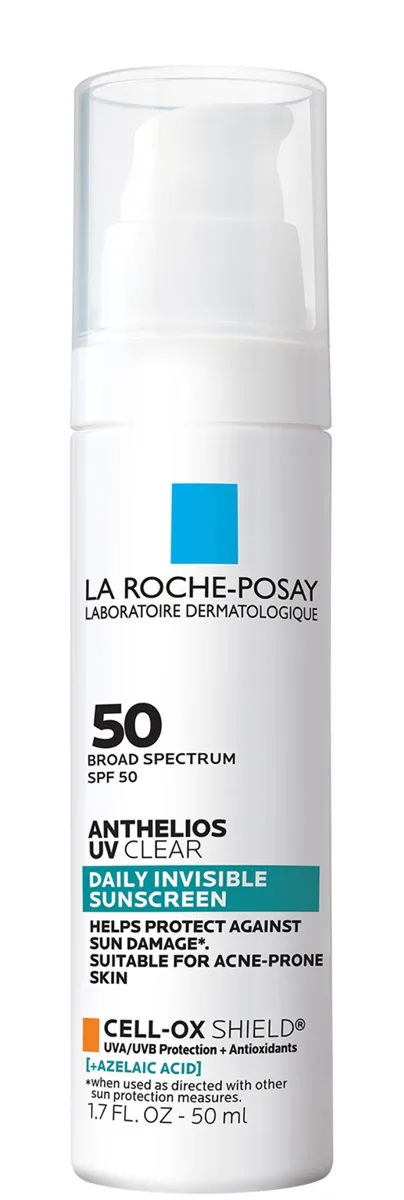
 Anthelios UV Clear Sunscreen SPF 50
One of the only US chemical sunscreens that genuinely earns its 'for sensitive and breakout-prone skin' positioning. A photostable Anthelios filter system paired with a legitimate azelaic acid dose in a lightweight serum-fluid that disappears on every skin tone. Excellent for rosacea, acne, and post-inflammatory hyperpigmentation — and probably the single best daily sunscreen in the La Roche-Posay US lineup for those conditions.
 K-Beauty Daily SPF Standout
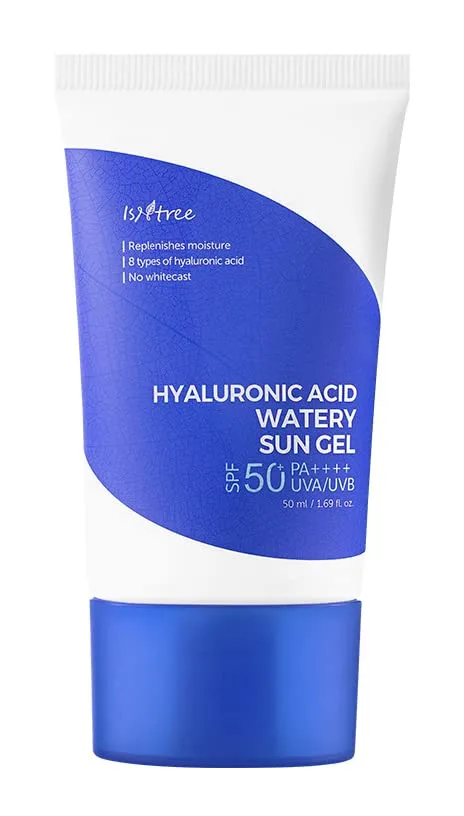
 Hyaluronic Acid Watery Sun Gel SPF 50+
One of the strongest everyday K-beauty sunscreens in the international market — modern European filters, no white cast, fragrance-free, niacinamide-boosted, and built around the brand's signature six-weight HA complex. At twenty-two dollars for 50ml, it's a case study in how much better a daily sunscreen can be when the formulator cares about both protection and wearability.
 Derm Office Staple
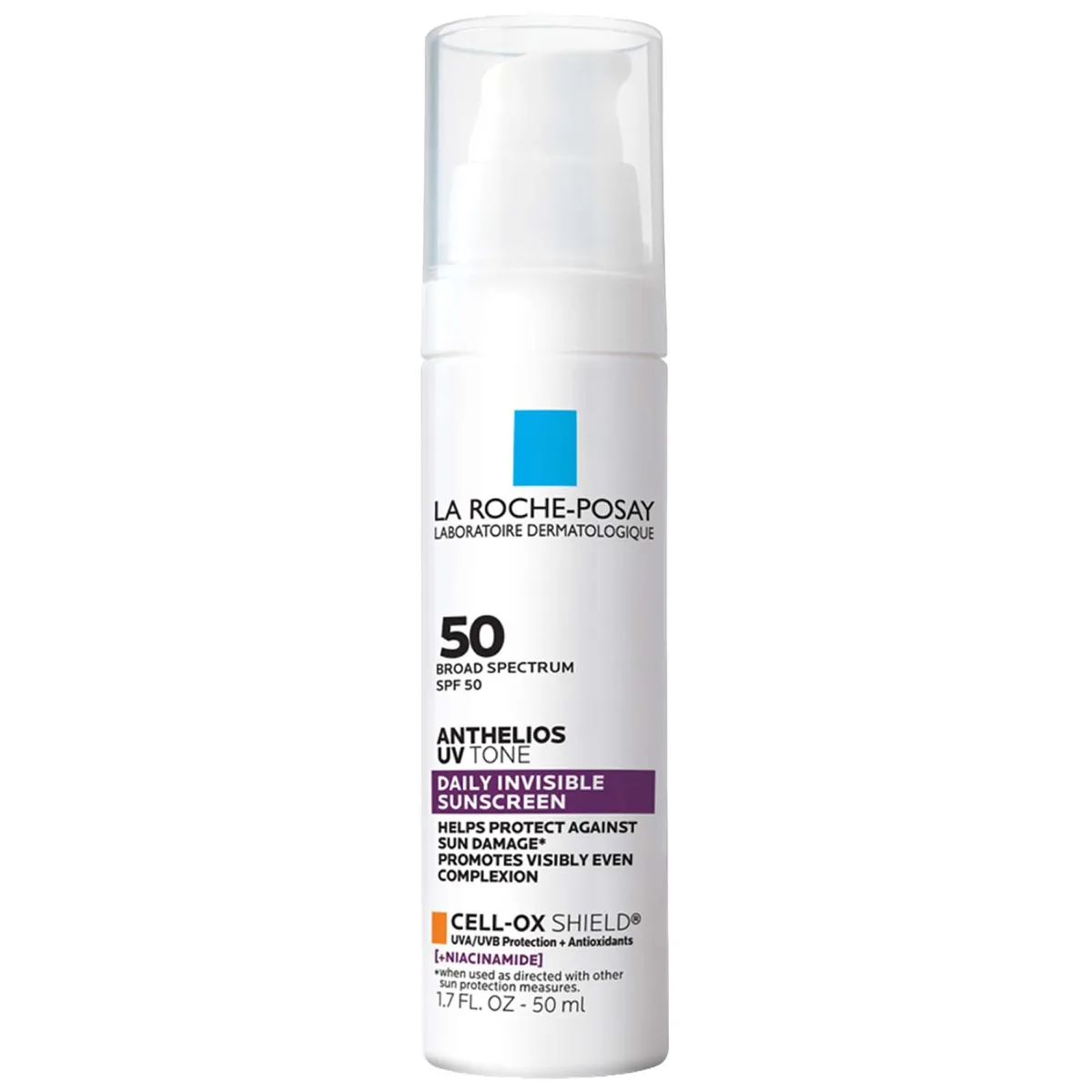
 Anthelios UV Tone Daily Invisible Sunscreen SPF 50
La Roche-Posay's most thoughtful answer yet for hyperpigmentation-prone skin that needs daily SPF. A photostable avobenzone system reinforced with Oxynex ST, paired with a meaningful dose of niacinamide, in a serum-fluid base that goes on invisible on every skin tone. Expensive for 1.7 oz but legitimately well-built — and a rare chemical sunscreen that earns its 'for dark spots' marketing.
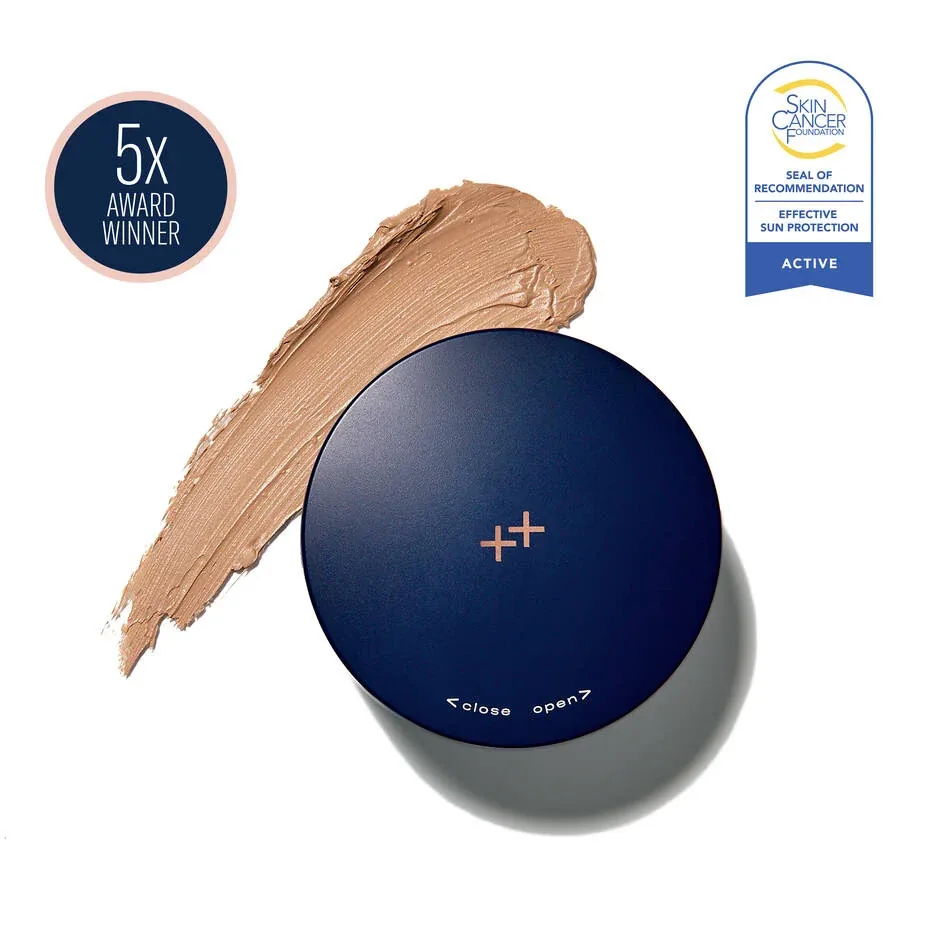 Melasma-Grade Mineral Sunscreen
 sunbetter TONE SMART SPF 68
One of the most clinically useful tinted mineral sunscreens in the professional category. SPF 68 from a 100% mineral formula, iron oxide tint that blocks visible light for melasma protection, and an unusually lightweight texture that doesn't feel like you're wearing high-concentration zinc. For patients with melasma or post-inflammatory hyperpigmentation, this is the category benchmark — and it's earned its Allure Best of Beauty wins.
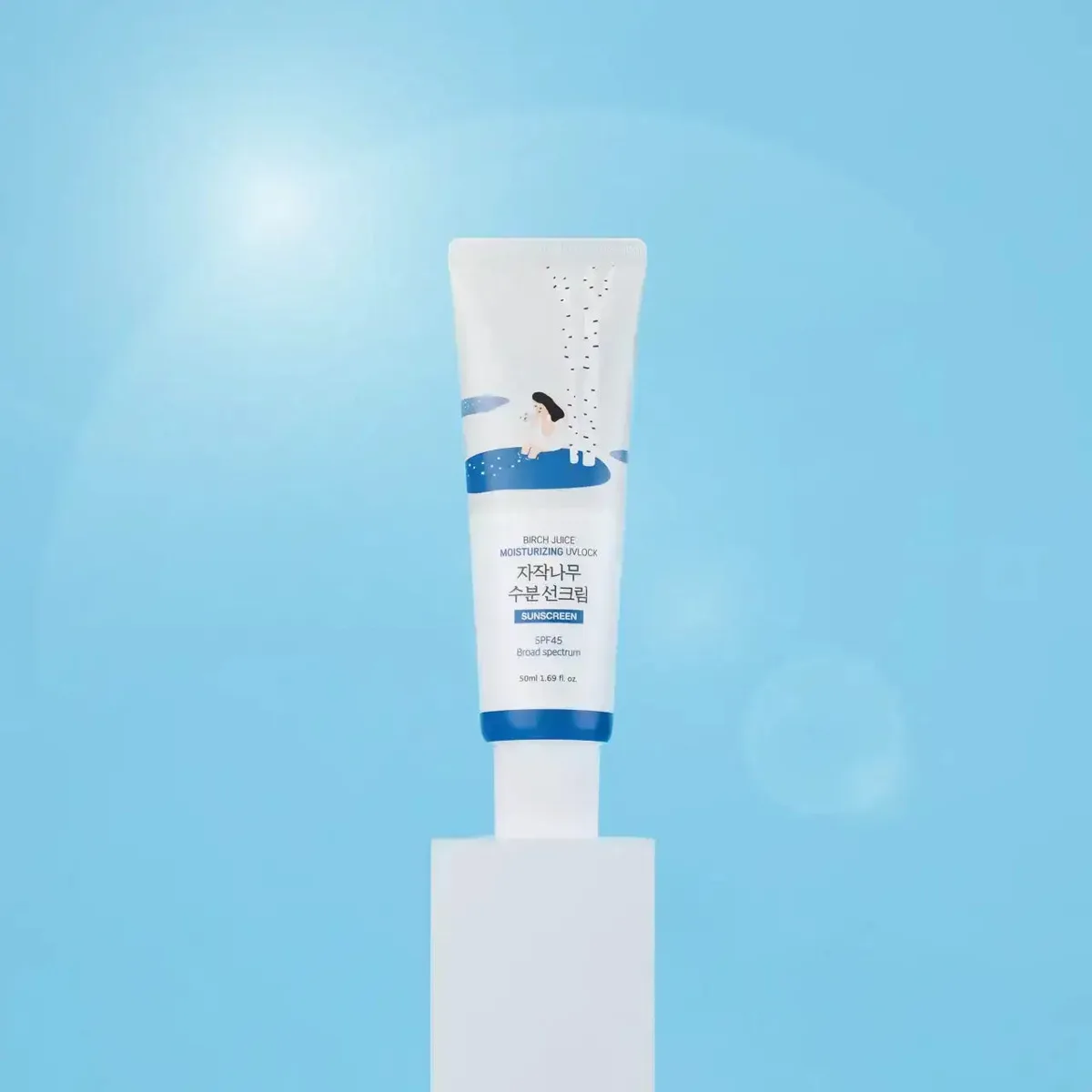 K-Beauty Cult Favorite
 Birch Juice Moisturizing Sun Cream SPF 50+
One of the best hybrid sunscreens in K-beauty right now — a 70% birch sap base, modern UVA filters you can't get in the US, and a finish that wears like a lightweight moisturizer. Broadly compatible, well-priced, and genuinely pleasant to apply, with minor tradeoffs for oily and fungal-acne-prone users.
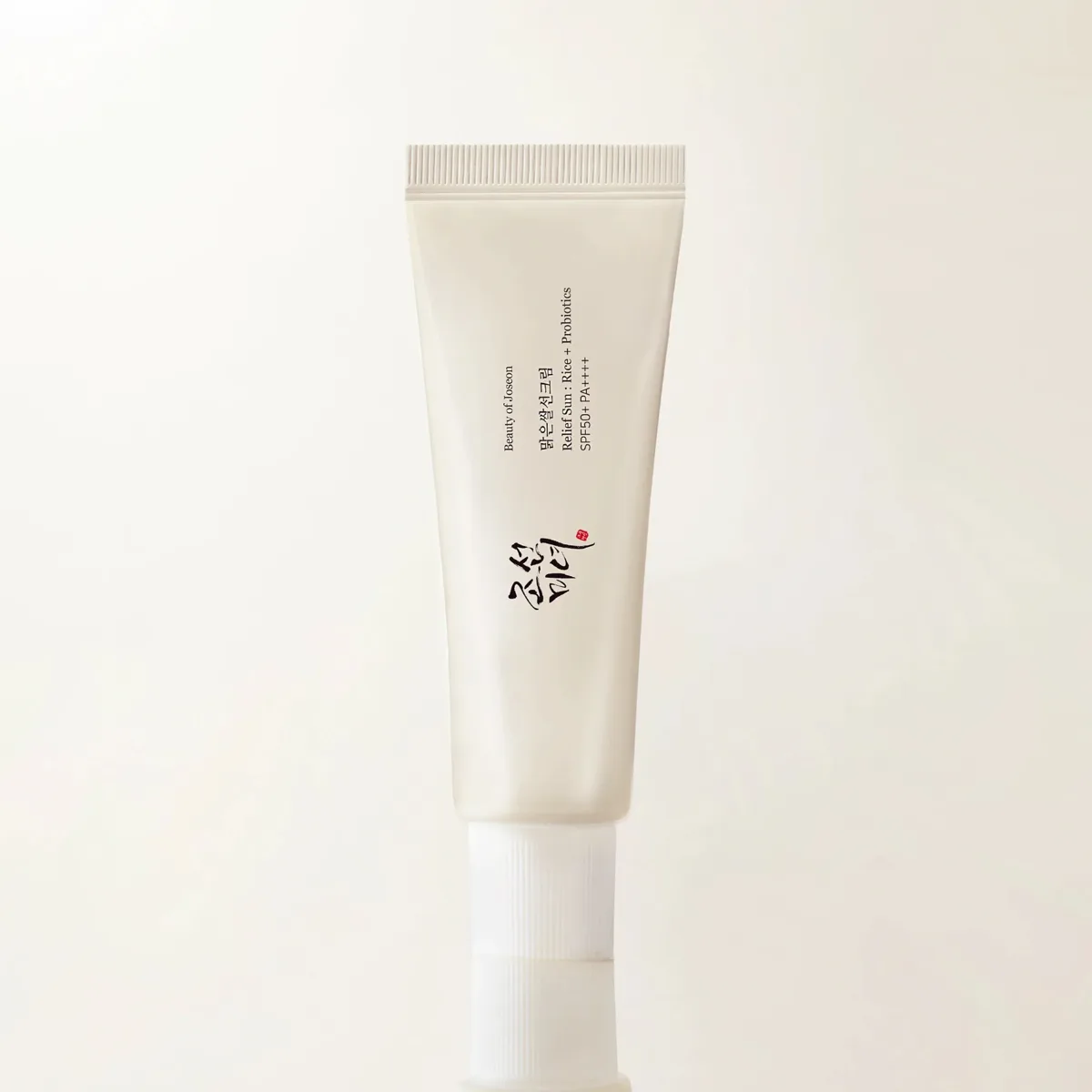 The K-Beauty Sunscreen That Changed Everything
 Relief Sun: Rice + Probiotics SPF 50+
The sunscreen that rewrote the rules for what a $14 product could deliver. With independently verified SPF 50+, 30% rice extract, niacinamide, and a probiotic ferment complex, it offers protection and skincare benefits that rival products three times its price. The texture that feels like wearing nothing on your face is the reason it went viral — and stayed there.