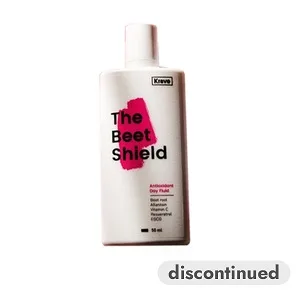
A trailblazing K-beauty sunscreen that married next-gen European UV filters with an antioxidant-forward philosophy — genuinely innovative for its time, though its voluntary discontinuation after SPF testing concerns means this review is more eulogy than recommendation.
Beet Shield SPF 50+
A trailblazing K-beauty sunscreen that married next-gen European UV filters with an antioxidant-forward philosophy — genuinely innovative for its time, though its voluntary discontinuation after SPF testing concerns means this review is more eulogy than recommendation.
Score Breakdown
Where this product gains points and where it loses them — broken down across the four scoring pillars.
A well-formulated sunscreen with excellent next-generation UV filters and a thoughtful antioxidant complex, but the alcohol content limits its suitability for sensitive and dry skin types.
Pros & Cons
- ✓Next-generation UV filters (Tinosorb S, Uvinul A Plus) offer exceptional photostability
- ✓Multi-layered antioxidant system with beet extract, EGCG, resveratrol, and vitamin C
- ✓Lightweight fluid texture with zero white cast on all skin tones
- ✓Sets quickly to a natural dewy finish that works under makeup
- ✓Fragrance-free formula suitable for scent-sensitive users
- ✓Excellent price point for the quality of UV filter technology
- ✓Brand transparency during the SPF controversy set an industry standard
- ✗Discontinued in 2021 — no longer available for purchase
- ✗Independent testing raised concerns about actual SPF protection level
- ✗Alcohol high in the ingredient list may irritate dry or sensitive skin
- ✗UV filters are not FDA-approved, limiting its regulatory status in the US
- ✗Can feel slightly tacky in high humidity environments
Full Review
Before the Beet Shield existed, most American skincare enthusiasts had never heard of Tinosorb S. That changed in 2019 when Liah Yoo, the YouTube skincare educator who had spent years explaining why European and Asian sunscreen filters were superior to what the FDA approved, decided to put her money where her content was. The result was a sunscreen that felt like a manifesto: here are the filters dermatologists and cosmetic chemists have been praising, here is the antioxidant support system they should be paired with, and here is what a modern sunscreen should feel like on your face.
The formula was genuinely ambitious for an indie brand. Three next-generation UV filters — Bis-Ethylhexyloxyphenol Methoxyphenyl Triazine (Tinosorb S) at 3%, Diethylamino Hydroxybenzoyl Hexyl Benzoate (Uvinul A Plus) at 3.5%, and Ethylhexyl Triazone (Uvinul T 150) at 2% — provided broad-spectrum coverage with exceptional photostability. Unlike older filters that degrade under UV exposure and need constant reapplication, these maintain their protective capacity for significantly longer. The addition of Isoamyl p-Methoxycinnamate and Polysilicone-15 rounded out the UV protection, creating a multi-filter system that addressed both UVA and UVB wavelengths with built-in redundancy.
Then there was the namesake ingredient. Beta Vulgaris — beetroot extract — provided the antioxidant backbone, rich in betalains that scavenge the free radicals UV light generates even after it passes through filter protection. This wasn't just branding; the formula stacked EGCG (from green tea), resveratrol, sodium ascorbyl phosphate, and Lithospermum Erythrorhizon root extract on top of the beet base, creating a genuinely layered antioxidant defense system. The philosophy was clear: UV filters prevent most damage, and antioxidants mop up whatever gets through.
Texturally, the Beet Shield delivered on the promise that sunscreen doesn't have to feel like sunscreen. It applied as a lightweight, slightly tinted fluid — the warm tone from the beetroot gave it an almost-primer quality — and set quickly into a dewy, comfortable film. No white cast, no pilling, no heaviness. For people accustomed to the thick, chalky American sunscreens of the era, it felt revelatory. It layered beautifully under makeup, played well with other skincare, and disappeared into the skin in seconds.
The elephant in the room, of course, is the 2021 discontinuation. When independent laboratory testing from a third-party organization suggested that several popular sunscreens — including the Beet Shield — might not meet their stated SPF claims, the skincare community erupted. Krave Beauty's response was notable: rather than disputing the findings or quietly reformulating, Yoo published a transparent statement, pulled the product, and committed to developing a more reliably tested replacement. It was, by most accounts, exactly the kind of accountability the industry needed.
The alcohol content is worth addressing directly. Denatured alcohol sits fairly high on the ingredient list, which means it contributes meaningfully to the formula's elegant, quick-drying texture — but at the cost of potential irritation for sensitive skin. If your barrier is compromised or you tend toward reactive redness, that alcohol is doing double duty: making the sunscreen feel great while possibly undermining the skin it is meant to protect. For normal, oily, or combination skin, this is unlikely to cause issues. For dry or sensitive skin, it is a legitimate concern.
From a value perspective, twenty dollars for 50 mL of sunscreen featuring Tinosorb S and Uvinul A Plus was genuinely excellent pricing — these are premium filters that typically appear in pricier European formulations. The antioxidant complex at this price point was similarly hard to match.
The Beet Shield remains significant not for what it was — a single discontinued product — but for what it represented. It pushed the conversation about sunscreen filter technology into the mainstream skincare community, demonstrated that indie brands could formulate at a high level, and ultimately showed that transparency and accountability matter more than any single product. If you are looking for a sunscreen to buy today, this is not it. But understanding why it mattered helps you evaluate everything that came after it.
Formula
Key Ingredients
The hero actives that drive this product's performance.
| Ingredient | Function | Evidence |
|---|---|---|
| Bis-Ethylhexyloxyphenol Methoxyphenyl Triazine (Tinosorb S) (3%) | Provides broad-spectrum UVA and UVB coverage across 280-400nm and acts as a photostabilizer for the other UV filters in this formula, particularly preventing the degradation of Isoamyl p-Methoxycinnamate during sun exposure. | well-established |
| Diethylamino Hydroxybenzoyl Hexyl Benzoate (Uvinul A Plus) (3.5%) | The primary UVA absorber in this formula, offering strong protection in the 320-400nm range. Its exceptional photostability means it maintains protective capacity throughout wear without degrading, working synergistically with Tinosorb S. | well-established |
| Beta Vulgaris (Beet) Root Extract | The signature antioxidant that gives this sunscreen its identity — beetroot extract is rich in betalains that scavenge free radicals generated by UV exposure, providing a secondary layer of photoprotection beyond the UV filters themselves. | promising |
| Epigallocatechin Gallate (EGCG) | A potent polyphenol antioxidant that complements the beet extract by targeting different oxidative pathways — while beet root neutralizes reactive oxygen species, EGCG specifically inhibits UV-induced MMP activation that leads to collagen breakdown. | well-established |
| Resveratrol | The third prong of this formula's antioxidant trio, resveratrol activates the sirtuin pathway to support cellular repair mechanisms following UV exposure, adding a repair-oriented dimension alongside the preventive antioxidant action of beet and EGCG. | promising |
| Sodium Ascorbyl Phosphate | A stable vitamin C derivative that boosts the formula's overall antioxidant defense while also supporting collagen synthesis — its stability makes it well-suited for a sunscreen formula where the compound must survive daily UV exposure without degrading. | well-established |
Full INCI List
Water, Butyloctyl Salicylate, Dibutyl Adipate, Beta Vulgaris (Beet) Root Extract, Alcohol, Diethylamino Hydroxybenzoyl Hexyl Benzoate, Bis-Ethylhexyloxyphenol Methoxyphenyl Triazine, Ethylhexyl Triazone, Glycerin, Pentylene Glycol, Isoamyl p-Methoxycinnamate, Polysilicone-15, Inulin Lauryl Carbamate, Methyl Methacrylate Crosspolymer, Sodium Acrylate/Sodium Acryloyldimethyl Taurate Copolymer, Acrylates/C10-30 Alkyl Acrylate Crosspolymer, Tromethamine, Methylpropanediol, Isohexadecane, Caprylyl Glycol, Glyceryl Caprylate, Polymethylsilsesquioxane, 1,2-Hexanediol, Polysorbate 80, Lithospermum Erythrorhizon Root Extract, Macadamia Ternifolia Seed Oil, Sorbitan Oleate, Ethylhexylglycerin, Allantoin, Epigallocatechin Gallate, Sodium Ascorbyl Phosphate, Butylene Glycol, Resveratrol
Product Flags
✓ Fragrance Free✗ Alcohol Free✗ Oil Free✗ Silicone Free✓ Paraben Free✓ Sulfate Free✓ Cruelty Free✓ Vegan✗ Fungal Acne Safe
Potential Irritants
AlcoholIsoamyl p-Methoxycinnamate
Compatibility
Skin Match
Best For
Works For
Not Ideal For
Addresses These Conditions
sun damage aging hyperpigmentation dullness
Use With Caution
sensitivity compromised skin barrier rosacea
Avoid With
Routine Step
sunscreen
Time of Day
AM
Pregnancy Safe
Yes ✓
Layering Tips
Apply as the final step in your morning skincare routine after moisturizer. Use generously — a full finger length for the face — and reapply every two hours during sun exposure.
Results Timeline
Immediate UV protection upon application. The antioxidant benefits accumulate over weeks of consistent daily use, with enhanced protection against photoaging visible over 4-8 weeks of regular wear.
Pairs Well With
Vitamin C serumsNiacinamide treatmentsLightweight hydrating toners
Sample AM Routine
- Gentle cleanser
- Hydrating toner
- Vitamin C serum
- Light moisturizer
- Krave Beauty Beet Shield SPF 50+
Sample PM Routine
- Oil cleanser
- Water-based cleanser
- Exfoliant (2-3x/week)
- Serum
- Moisturizer
Evidence
Science & Expert Perspective
The Science
The Beet Shield's UV filter system centered on three next-generation organic filters that represented a meaningful advancement over traditional sunscreen actives. Bis-Ethylhexyloxyphenol Methoxyphenyl Triazine (Tinosorb S) is a broad-spectrum absorber covering 280-400nm — both UVA and UVB — with exceptional photostability. BASF's data shows that Tinosorb S retains 98.4% of its absorptive capacity even after 50 minimal erythemal doses of UV exposure, and critically, it stabilizes other less photostable filters in the same formula. Diethylamino Hydroxybenzoyl Hexyl Benzoate (Uvinul A Plus) provides dedicated UVA protection in the 320-400nm range, complementing Tinosorb S's broader coverage. The third filter, Ethylhexyl Triazone (Uvinul T 150), is a potent UVB absorber with similarly high photostability.
The antioxidant strategy was built on complementary mechanisms. Beetroot extract provides betalains — nitrogen-containing pigments with documented radical-scavenging activity. Epigallocatechin gallate (EGCG), the primary catechin in green tea, has extensive research supporting its photoprotective properties. A study published in the Journal of the American Academy of Dermatology (2005) demonstrated that topical green tea polyphenols reduced UV-induced erythema and DNA damage markers. Resveratrol contributes via the sirtuin activation pathway, while sodium ascorbyl phosphate adds stable vitamin C activity. This layered approach — different antioxidants targeting different oxidative pathways — reflects a thoughtful formulation philosophy where each component addresses a distinct aspect of UV-induced damage rather than simply stacking similar molecules.
References
- Green tea polyphenols and their potential role in health and disease — Journal of the American Academy of Dermatology (2005)
Dermatologist Perspective
Dermatologists have long advocated for broader access to next-generation UV filters like Tinosorb S and Uvinul A Plus, which offer superior photostability compared to traditional FDA-approved options. Board-certified dermatologists note that the Beet Shield's filter combination represented what modern sunscreen formulation should look like — broad-spectrum coverage with built-in photostability. However, the 2021 SPF testing controversy highlighted a critical point that dermatologists emphasize: actual on-skin protection depends not just on filter selection but on formulation stability, application amount, and manufacturing consistency. Dermatologists recommend that consumers look for sunscreens with validated SPF testing and, regardless of the product chosen, apply the recommended amount (approximately 2mg per square centimeter) and reapply every two hours during active sun exposure.
Guidance
Usage Guide
How to Use
Apply generously to the face and neck as the last step in your morning skincare routine, after moisturizer. Use approximately a nickel-sized amount for the face alone — most people underapply sunscreen by 50% or more. Allow 15-20 minutes before sun exposure for the chemical filters to fully activate. Reapply every two hours during prolonged sun exposure, or immediately after swimming or heavy sweating. Can be applied over serums and lightweight moisturizers without pilling.
Value Assessment
At $20 for 50 mL, the Beet Shield offered remarkable value for a sunscreen featuring premium European UV filters and a four-component antioxidant system. Products with similar Tinosorb S-based formulations from European pharmacy brands typically cost $25-40 for comparable sizes. The antioxidant complex — EGCG, resveratrol, vitamin C, and beet extract — would cost more in standalone serums than what this sunscreen charged for the entire package. For what it delivered on paper, this was one of the best value propositions in the sunscreen category during its availability.
Who Should Buy
Skincare enthusiasts who want to understand the history of modern sunscreen formulation, or those who may still have a bottle in their stash. This product is best understood as a landmark in K-beauty sunscreen innovation rather than a current purchase recommendation.
Who Should Skip
Everyone looking for a sunscreen to buy and use today — this product is discontinued. Those with sensitive or dry skin would have wanted to avoid it even when available due to the high alcohol content.
Ready to try Krave Beauty Beet Shield SPF 50+?
Details
Details
Texture
Lightweight, fluid lotion with a slight yellowish tint from the beet extract. Spreads easily and absorbs quickly into a semi-dewy finish.
Scent
Mild chemical scent from the alcohol base that dissipates within a minute of application. No added fragrance.
Packaging
50 mL squeeze bottle with a flip cap. Compact and travel-friendly but can be difficult to control dispensing.
Finish
dewylightweightfast-absorbing
What to Expect on First Use
Applies with a slightly cooling sensation from the alcohol, which evaporates quickly. The formula spreads thinly and sets into a dewy film within about 30 seconds. No stinging or burning for most users, though those with compromised barriers may feel mild tingling from the alcohol content.
How Long It Lasts
2-3 months with daily face application
Period After Opening
12 months
Best Season
All Year
Certifications
B Corp (brand-level, 2024)Leaping Bunny Certified
Background
The Why
Created by Liah Yoo — a former AmorePacific strategist turned YouTube skincare educator — the Beet Shield was one of KraveBeauty's earliest products. It became a cult favorite for its elegant texture and modern UV filter system, but was voluntarily discontinued in 2021 after third-party testing questioned whether it met its SPF 50+ claim.
About Krave Beauty Emerging Brand (2–5 years)
KraveBeauty was founded in 2017 by Liah Yoo, a former AmorePacific strategist and popular skincare YouTuber. The brand earned B Corp certification in 2024 and maintains a deliberately small product lineup, though its formulations rely on well-studied ingredients rather than proprietary clinical research.
Brand founded: 2017 · Product launched: 2019
Myth vs. Reality
Myths & Misconceptions
Myth
The Beet Shield was proven to be dangerous or provide no sun protection.
Reality
Independent testing suggested it may not meet its full SPF 50+ rating, but this doesn't mean it provided zero protection. KraveBeauty chose to discontinue and reformulate rather than contest the findings, which was a responsible and transparent response.
Myth
Beetroot extract in sunscreen provides significant UV protection on its own.
Reality
Beetroot extract is an antioxidant that helps neutralize free radicals caused by UV exposure, but it does not absorb or block UV rays. The actual sun protection comes entirely from the chemical UV filters in the formula.
FAQ
Frequently Asked Questions
Is the Krave Beauty Beet Shield still available?
The original Beet Shield (also known as Beet The Sun SPF 50+ PA++++) was discontinued in 2021 after independent SPF testing raised concerns. KraveBeauty has since released a reformulated Beet The Sun with updated filter systems in both US and international versions.
Why was the Krave Beauty Beet Shield discontinued?
In 2021, independent laboratory testing suggested the product may not meet its claimed SPF 50+ protection level. KraveBeauty voluntarily pulled the product and worked on reformulating with updated and more reliable UV filter systems.
Does the Beet Shield have a white cast?
No. The Beet Shield uses exclusively chemical UV filters (Tinosorb S, Uvinul A Plus, Ethylhexyl Triazone) that absorb UV light rather than reflecting it, so there is no white cast on any skin tone. It actually has a slight warm tint from the beetroot extract.
Is the Krave Beauty Beet Shield good for sensitive skin?
The Beet Shield is fragrance-free, which is a positive, but it contains denatured alcohol relatively high in the ingredient list. This can cause drying and irritation for sensitive or compromised skin. Those with reactive skin may want to consider the reformulated Beet The Sun SPF 40 instead.
What's the difference between Beet Shield and Beet The Sun?
The Beet Shield was the same Korean formula as Beet The Sun SPF 50+ PA++++, marketed under a different name in the US because the UV filters aren't FDA-approved. The current Beet The Sun SPF 40 is a completely different formulation using FDA-compliant UV filters.
Community
Community Voices
Common Praise
"Lightweight, non-greasy texture"
"No white cast on any skin tone"
"Pleasant dewy finish without looking oily"
"Layers well under makeup"
Common Complaints
"Alcohol scent on initial application"
"Questioned SPF protection after 2021 independent testing"
"Not available in the US as a regulated sunscreen"
"Can feel slightly tacky in humid weather"
Notable Endorsements
Lab Muffin Beauty Science (Michelle Wong)Liah Yoo YouTube community
Appears In
best sunscreen for oily skin best sunscreen for no white cast best korean sunscreen best lightweight sunscreen
Related Conditions
sun damage aging hyperpigmentation
Related Ingredients
You Might Also Like
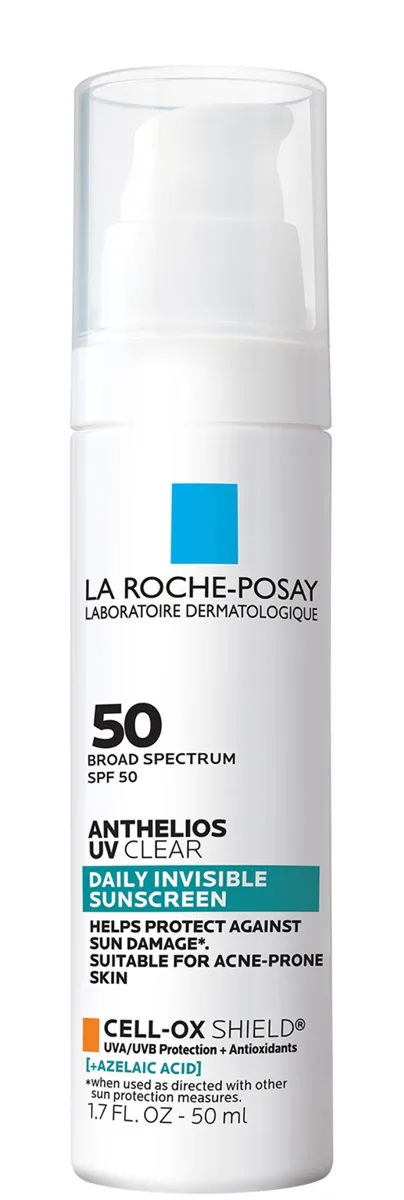 Derm Office Staple
 Anthelios UV Clear Sunscreen SPF 50
One of the only US chemical sunscreens that genuinely earns its 'for sensitive and breakout-prone skin' positioning. A photostable Anthelios filter system paired with a legitimate azelaic acid dose in a lightweight serum-fluid that disappears on every skin tone. Excellent for rosacea, acne, and post-inflammatory hyperpigmentation — and probably the single best daily sunscreen in the La Roche-Posay US lineup for those conditions.
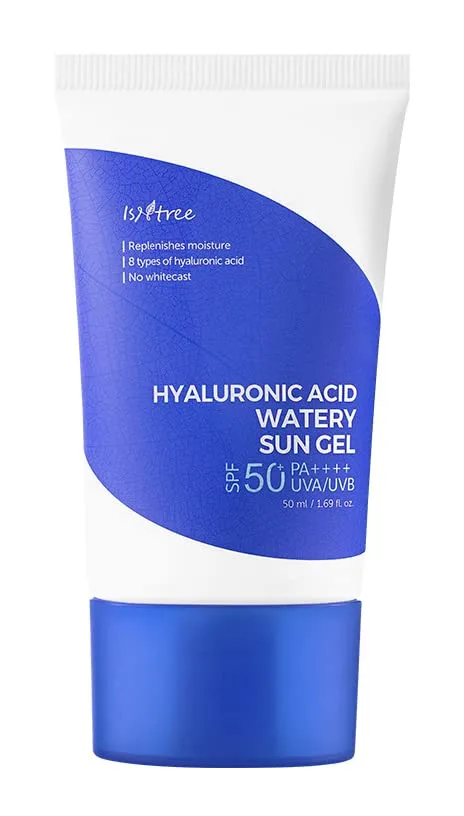 K-Beauty Daily SPF Standout
 Hyaluronic Acid Watery Sun Gel SPF 50+
One of the strongest everyday K-beauty sunscreens in the international market — modern European filters, no white cast, fragrance-free, niacinamide-boosted, and built around the brand's signature six-weight HA complex. At twenty-two dollars for 50ml, it's a case study in how much better a daily sunscreen can be when the formulator cares about both protection and wearability.
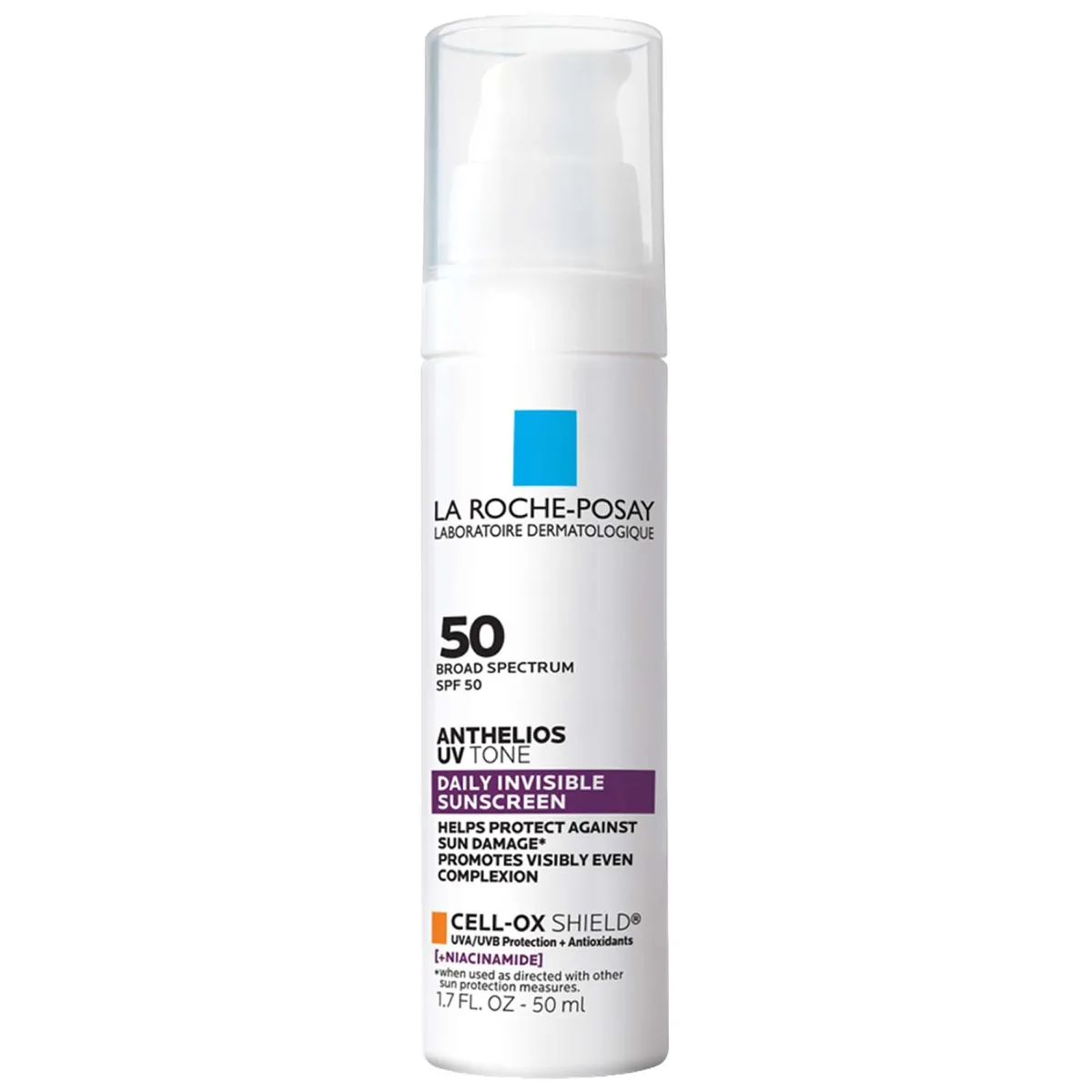 Derm Office Staple
 Anthelios UV Tone Daily Invisible Sunscreen SPF 50
La Roche-Posay's most thoughtful answer yet for hyperpigmentation-prone skin that needs daily SPF. A photostable avobenzone system reinforced with Oxynex ST, paired with a meaningful dose of niacinamide, in a serum-fluid base that goes on invisible on every skin tone. Expensive for 1.7 oz but legitimately well-built — and a rare chemical sunscreen that earns its 'for dark spots' marketing.
 Melasma-Grade Mineral Sunscreen
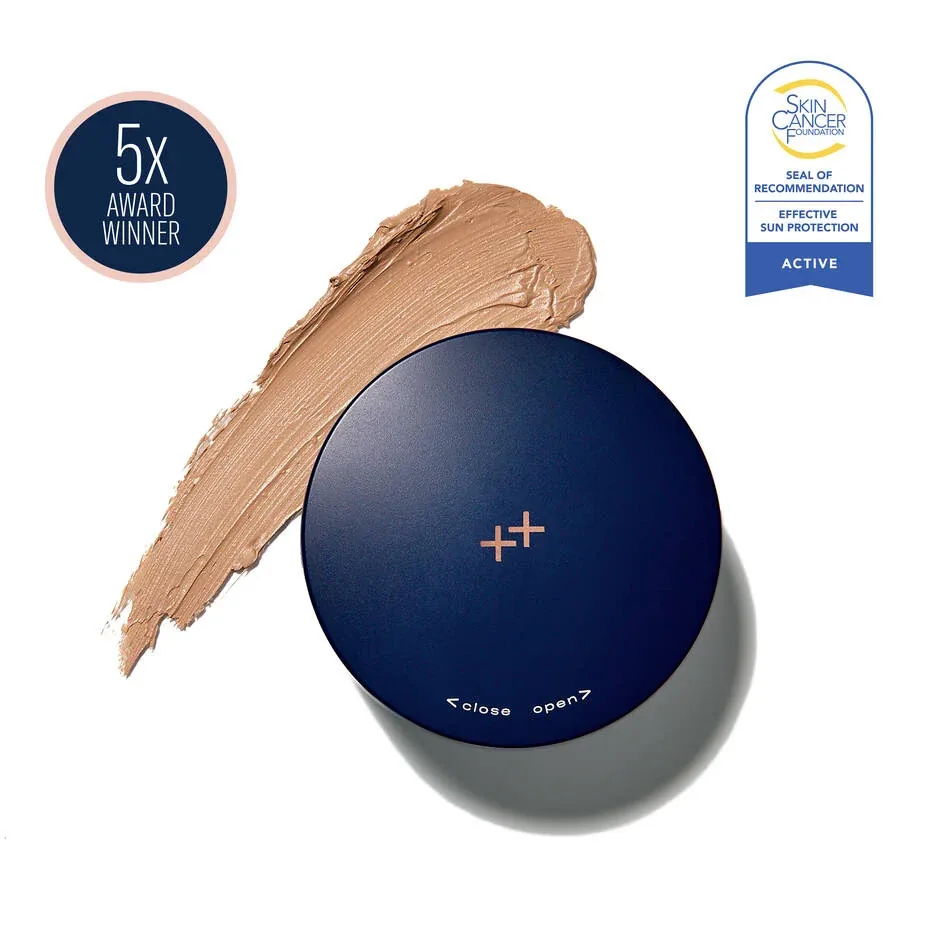
 sunbetter TONE SMART SPF 68
One of the most clinically useful tinted mineral sunscreens in the professional category. SPF 68 from a 100% mineral formula, iron oxide tint that blocks visible light for melasma protection, and an unusually lightweight texture that doesn't feel like you're wearing high-concentration zinc. For patients with melasma or post-inflammatory hyperpigmentation, this is the category benchmark — and it's earned its Allure Best of Beauty wins.
 K-Beauty Cult Favorite
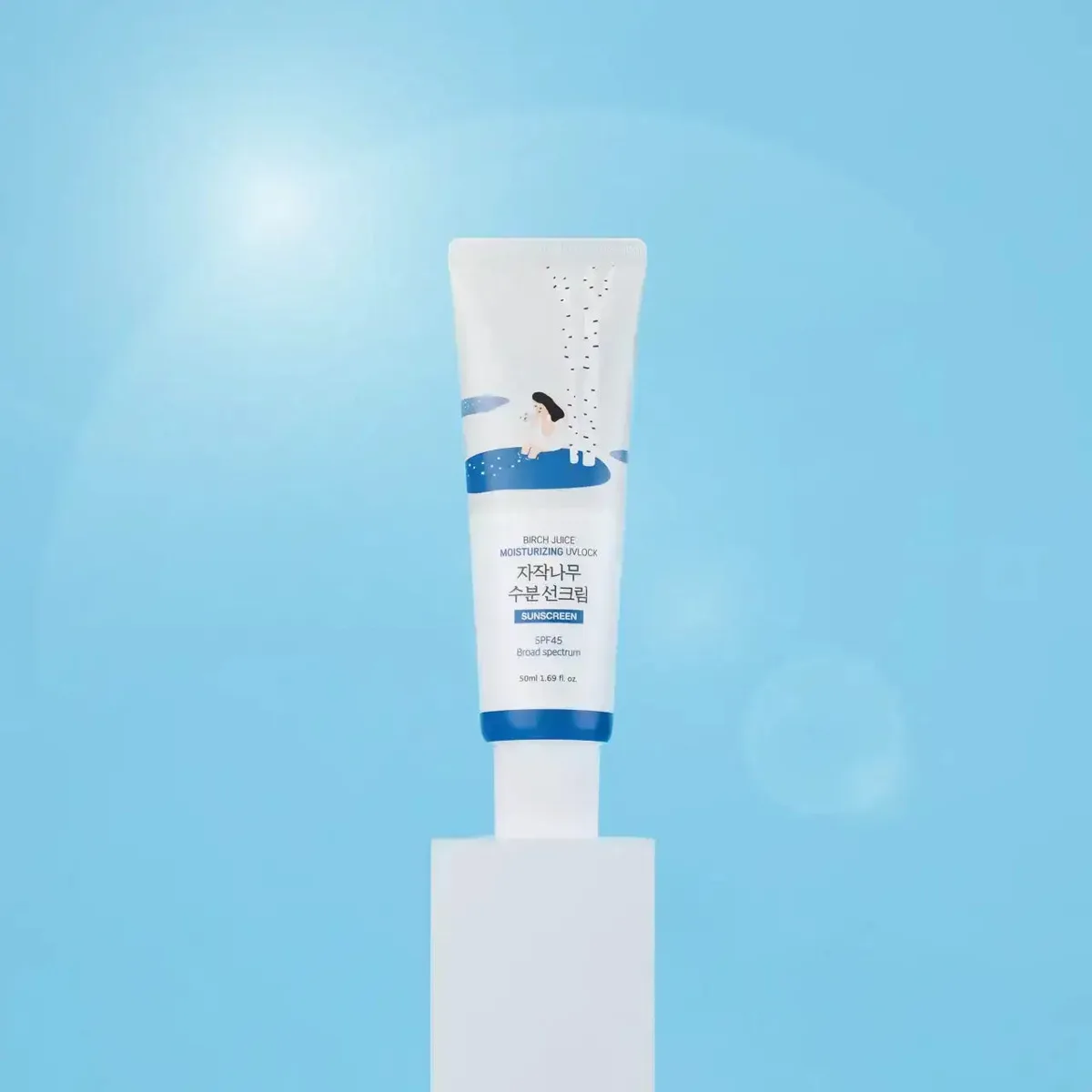
 Birch Juice Moisturizing Sun Cream SPF 50+
One of the best hybrid sunscreens in K-beauty right now — a 70% birch sap base, modern UVA filters you can't get in the US, and a finish that wears like a lightweight moisturizer. Broadly compatible, well-priced, and genuinely pleasant to apply, with minor tradeoffs for oily and fungal-acne-prone users.
 The K-Beauty Sunscreen That Changed Everything
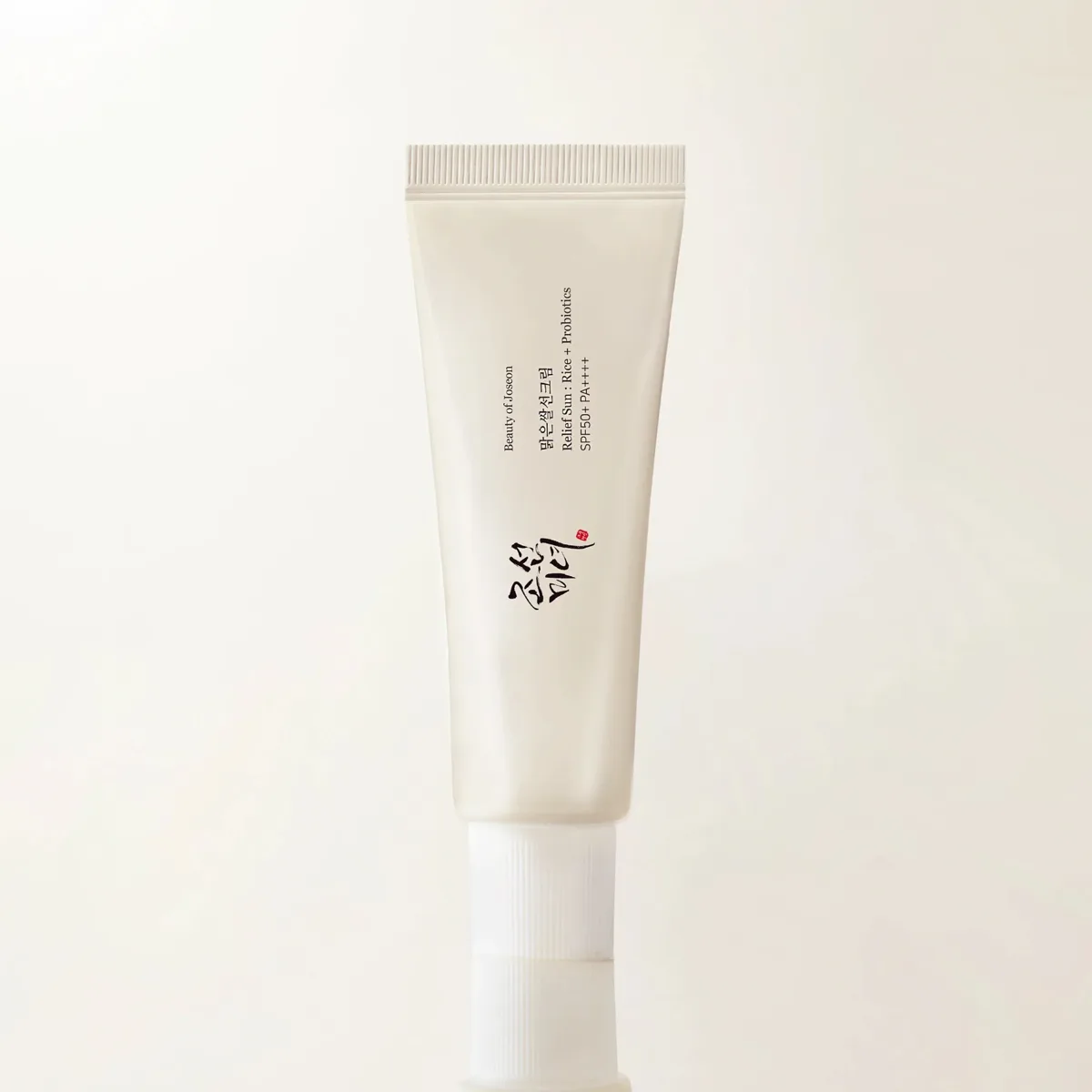
 Relief Sun: Rice + Probiotics SPF 50+
The sunscreen that rewrote the rules for what a $14 product could deliver. With independently verified SPF 50+, 30% rice extract, niacinamide, and a probiotic ferment complex, it offers protection and skincare benefits that rival products three times its price. The texture that feels like wearing nothing on your face is the reason it went viral — and stayed there.