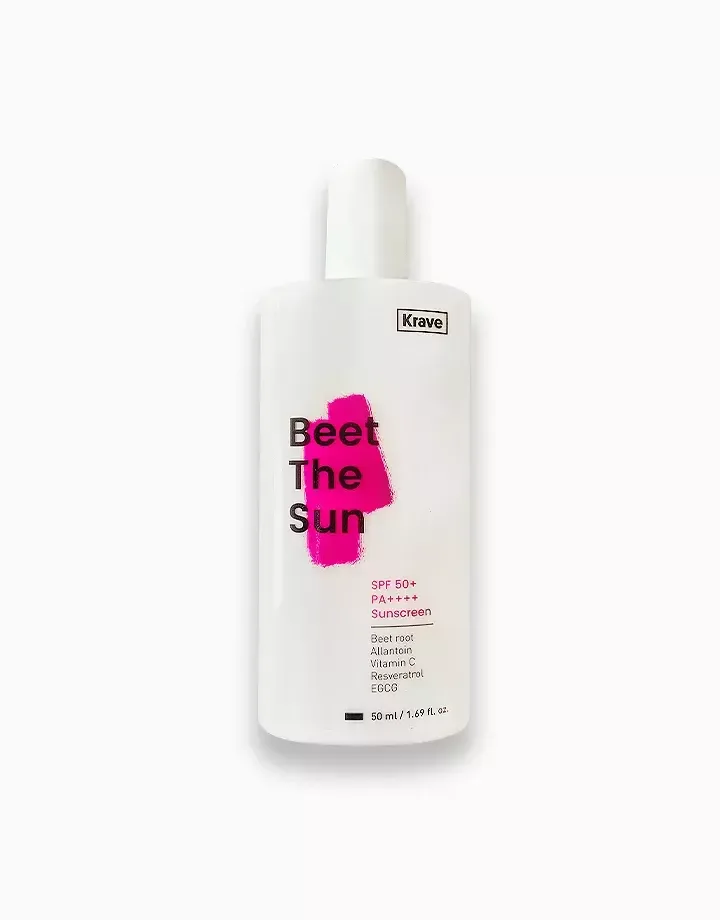
A responsible, skin-friendly daily SPF that trades the original Beet Shield's cutting-edge UV filter technology for FDA compliance and an improved base formula — a solid everyday sunscreen that proves KraveBeauty learned from its past, even if it lost some of its magic in the process.
Beet The Sun SPF 40
A responsible, skin-friendly daily SPF that trades the original Beet Shield's cutting-edge UV filter technology for FDA compliance and an improved base formula — a solid everyday sunscreen that proves KraveBeauty learned from its past, even if it lost some of its magic in the process.
Score Breakdown
Where this product gains points and where it loses them — broken down across the four scoring pillars.
A solid daily sunscreen with FDA-compliant filters and a gentle, alcohol-free base, though the UV filter system relies on older-generation actives that are less photostable than the newer filters in the original Beet Shield.
Pros & Cons
- ✓Alcohol-free formula is significantly gentler than the original Beet Shield
- ✓No white cast on any skin tone with a natural, barely-there finish
- ✓FDA-compliant and regulated as an OTC sunscreen in the US
- ✓Fragrance-free with added bisabolol for soothing sensitive skin
- ✓Hyaluronic acid provides hydration that the original formula lacked
- ✓Sustainable packaging made from 90% post-consumer recycled plastic
- ✓Affordable price point at $20 for 50 mL
- ✗Older-generation UV filters are less photostable than the original's Tinosorb system
- ✗Homosalate at 10% has faced scrutiny from European safety regulators
- ✗Can pill when reapplied over existing makeup or skincare layers
- ✗Texture is pleasant but unremarkable compared to the original formula
- ✗Antioxidant complex is simpler than the original's multi-layered system
Full Review
There is a version of this story where KraveBeauty quietly reformulates, slaps a new label on it, and hopes nobody notices. That is not what happened. When Liah Yoo pulled the original Beet Shield off shelves in 2021 after independent SPF testing raised questions about its protection level, she did it publicly, with a detailed statement, and without hedging. The replacement took two years to develop and arrived not as a triumphant sequel but as an honest acknowledgment that sometimes starting over is the only option.
Beet The Sun SPF 40 PA+++ is, by any measure, a simpler sunscreen than the one it replaced. The next-generation European UV filters — Tinosorb S, Uvinul A Plus, Uvinul T 150 — are gone, replaced by the FDA-approved quartet of Avobenzone (3%), Homosalate (10%), Octisalate (5%), and Octocrylene (3%). These are well-established, thoroughly studied filters that have protected millions of faces for decades. They are also, honestly, less exciting. Avobenzone needs stabilization to prevent photodegradation (provided here by Ethylhexyl Methoxycrylene and Octocrylene), and Homosalate at 10% has faced ongoing scrutiny from the European Commission regarding potential endocrine effects — though it remains FDA-approved at this concentration.
What KraveBeauty improved is everything around the filters. The alcohol that sat prominently in the original Beet Shield's formula is gone entirely, replaced by a gentler solvent system built on Propanediol and Pentylene Glycol. This makes the reformulation significantly more accessible for dry and sensitive skin types who had to skip the original. Bisabolol — a chamomile-derived anti-inflammatory — provides calming support, and Hyaluronic Acid adds a hydrating dimension that the original lacked. The base formula is, pound for pound, more skin-friendly.
The beetroot extract remains, serving as both an antioxidant and a brand identity anchor. Beta Vulgaris root extract is rich in betalains, which function as free radical scavengers that address the oxidative damage UV light generates even after passing through filter protection. It is flanked by Tocopheryl Acetate (vitamin E), Salix Alba bark extract, and Solidago Virgaurea extract for a modest but functional antioxidant support system — less dramatic than the original's EGCG-resveratrol-vitamin C trio, but present and working.
Texturally, this is a pleasant but unremarkable lightweight lotion. It applies milky, absorbs within a minute, and settles into a natural finish that is neither dewy nor matte. There is no white cast on any skin tone, no discernible scent, and no tacky residue. It layers well under most makeup, though some users report pilling when reapplying over existing product — a common issue with sunscreens containing polymeric thickeners.
The packaging deserves a brief mention: a 50 mL squeeze tube made from 90% post-consumer recycled plastic, replacing the original's bottle format. It is compact, hygienic, and travel-friendly. Small detail, but it reflects the B Corp values KraveBeauty has committed to.
At twenty dollars for 50 mL, this sits in the accessible middle of the sunscreen market. You are paying for a competent, well-formulated, fragrance-free daily sunscreen with a thoughtful antioxidant component and ethical packaging — but not for breakthrough UV filter technology. The value proposition is fair rather than exceptional.
The honest assessment is this: Beet The Sun SPF 40 is a good sunscreen that lives in the shadow of a great (if flawed) one. It does everything it promises — protects against UV, feels lightweight, causes minimal irritation, and does it all without alcohol, fragrance, or pretension. It does not, however, make your skin feel the way the original Beet Shield did. That dewy, barely-there, this-feels-like-the-future quality was partly a product of its cutting-edge filter system and partly a product of the alcohol that carried it. The trade-off — less elegance for more reliability and gentleness — is the right one, but it is still a trade-off that loyal fans feel.
Formula
Key Ingredients
The hero actives that drive this product's performance.
| Ingredient | Function | Evidence |
|---|---|---|
| Avobenzone (3%) | The primary UVA absorber in this FDA-compliant formula, providing protection against the longer UV wavelengths responsible for photoaging and hyperpigmentation. Stabilized here by the addition of Ethylhexyl Methoxycrylene and Octocrylene, which help prevent its characteristic photodegradation. | well-established |
| Homosalate (10%) | The workhorse UVB absorber at the FDA maximum concentration, providing the bulk of this formula's SPF rating. Works in tandem with Octisalate to create overlapping UVB coverage across the 290-320nm range. | well-established |
| Beta Vulgaris (Beet) Root Extract | The brand's signature antioxidant ingredient, carrying the beetroot tradition from the original Beet Shield formula. Rich in betalains that scavenge UV-generated free radicals, providing supplementary photoprotection beyond what the chemical UV filters alone achieve. | promising |
| Hyaluronic Acid | Provides hydration to counteract the potentially drying effects of the high concentration of chemical UV filters, helping the sunscreen feel comfortable rather than stripped on skin throughout the day. | well-established |
| Bisabolol | A chamomile-derived soothing agent that calms any irritation the UV filters might cause, particularly useful given the 10% Homosalate concentration. Adds anti-inflammatory support to what is primarily a protection-focused formula. | well-established |
| Tocopheryl Acetate | A stable vitamin E ester that provides antioxidant support and helps protect the skin's lipid barrier from UV-induced oxidative damage, complementing the beet extract's free radical scavenging activity. | well-established |
Full INCI List
Active Ingredients: Avobenzone 3%, Homosalate 10%, Octisalate 5%, Octocrylene 3%. Inactive Ingredients: Water (Aqua/Eau), Propanediol, Pentylene Glycol, Sodium Acrylate/Sodium Acryloyldimethyl Taurate Copolymer, Bisabolol, Ethylhexyl Methoxycrylene, Hydroxyacetophenone, Beta Vulgaris (Beet) Root Extract, Isohexadecane, Polysorbate 80, Hyaluronic Acid, Tocopheryl Acetate, Caprylyl Glycol, Eugenia Caryophyllus Bud Extract, Solidago Virgaurea Extract, Salix Alba (Willow) Bark Extract, Trisodium Ethylenediamine Disuccinate, 1,2-Hexanediol, Acrylates/C10-30 Alkyl Acrylate Crosspolymer, Xanthan Gum, Citric Acid, Sodium Hydroxide
Product Flags
✓ Fragrance Free✓ Alcohol Free✓ Oil Free✓ Silicone Free✓ Paraben Free✓ Sulfate Free✓ Cruelty Free✓ Vegan✗ Fungal Acne Safe
Potential Irritants
Homosalate (10%)Octocrylene
Common Allergens
Eugenia Caryophyllus (Clove) Bud Extract
Compatibility
Skin Match
Best For
Works For
Not Ideal For
Addresses These Conditions
sun damage aging hyperpigmentation dullness
Use With Caution
Routine Step
sunscreen
Time of Day
AM
Pregnancy Safe
Yes ✓
Layering Tips
Apply as the final skincare step before makeup. The lightweight formula layers without pilling over most serums and moisturizers. Allow a minute to set before applying foundation.
Results Timeline
Immediate UV protection upon application. The hydrating benefits from hyaluronic acid are felt within the first use, while the antioxidant protection from beet extract and vitamin E accumulates with daily consistent use over 4-8 weeks.
Pairs Well With
Vitamin C serumsNiacinamideLightweight moisturizers
Sample AM Routine
- Gentle cleanser
- Hydrating toner
- Serum
- Moisturizer
- Krave Beauty Beet The Sun SPF 40
Sample PM Routine
- Oil cleanser
- Water-based cleanser
- Treatment
- Moisturizer
Evidence
Who Should Skip
- Older-generation UV filters are less photostable than the original's Tinosorb system
- Homosalate at 10% has faced scrutiny from European safety regulators
- Can pill when reapplied over existing makeup or skincare layers
- Texture is pleasant but unremarkable compared to the original formula
Science & Expert Perspective
The Science
The UV filter system in Beet The Sun SPF 40 uses a conventional but well-studied quartet of FDA-approved chemical filters. Avobenzone at 3% provides the primary UVA protection, absorbing in the 310-400nm range with peak absorption around 357nm. Its well-documented photodegradation tendency is addressed by two stabilizers in the formula: Octocrylene (3%), which absorbs the triplet-state energy from photoexcited avobenzone, and Ethylhexyl Methoxycrylene, a newer photostabilizer specifically designed to prevent avobenzone breakdown. Homosalate at 10% and Octisalate at 5% provide the UVB coverage.
The Homosalate concentration warrants discussion. While FDA-approved at up to 15%, the European Commission's Scientific Committee on Consumer Safety (SCCS) issued an opinion in 2021 recommending a maximum concentration of 0.5% due to potential endocrine-disrupting effects observed in in-vitro studies. The FDA has not changed its position, and the real-world significance of these findings remains debated. For consumers concerned about endocrine activity, this is worth noting; for most users, the decades of safe use history at this concentration is reassuring.
The antioxidant system centers on Beta Vulgaris root extract, which contains betalains — nitrogen-containing water-soluble pigments with documented radical-scavenging properties. Tocopheryl Acetate provides lipid-phase antioxidant protection, while Bisabolol contributes anti-inflammatory activity that complements the UV protection by reducing inflammation that UV exposure triggers even when SPF is applied.
Dermatologist Perspective
Board-certified dermatologists generally recommend any broad-spectrum SPF 30 or higher sunscreen that the patient will actually use consistently, and Beet The Sun SPF 40 fits this criterion well. Dermatologists appreciate the alcohol-free, fragrance-free formulation that minimizes barrier disruption — a common complaint with many chemical sunscreens. The FDA OTC monograph compliance means this product has undergone standardized SPF testing, providing a reliability baseline that the original Beet Shield lacked in its later days. For patients on retinoids, AHAs, or other photosensitizing treatments, dermatologists note that SPF 40 provides ample protection when applied in recommended amounts and reapplied every two hours.
Guidance
Usage Guide
How to Use
Apply liberally to face and neck as the final step in your morning skincare routine. Use approximately a nickel-sized amount for the face — most people significantly underapply sunscreen. Allow about a minute for the formula to set before applying makeup. Reapply every two hours during prolonged sun exposure or immediately after swimming, sweating, or towel-drying. For reapplication over makeup, gently pat rather than rub to minimize disruption.
Value Assessment
At $20 for 50 mL, Beet The Sun SPF 40 is fairly priced for what it delivers — a well-formulated, fragrance-free, alcohol-free daily sunscreen with antioxidant benefits. The formula is more straightforward than the original Beet Shield, which somewhat justifies maintaining the same price point rather than commanding a premium. You are paying for a thoughtfully formulated daily SPF with sustainable packaging and ethical brand practices, which represents reasonable value in a category where comparable drugstore options cost $12-15 and premium options run $30-50.
Who Should Buy
Daily sunscreen users who want a reliable, FDA-compliant SPF that plays well with sensitive skin and won't leave a white cast. Particularly well-suited for those on active skincare routines involving retinoids or acids who need dependable, non-irritating daily protection.
Who Should Skip
Those who prioritize next-generation UV filter technology or want the highest possible photostability — European or Asian sunscreens with Tinosorb or Uvinul filters may be a better fit. Also not ideal for those concerned about Homosalate at high concentrations given recent European safety discussions.
Ready to try Krave Beauty Beet The Sun SPF 40?
Details
Details
Texture
Lightweight, slightly milky lotion that spreads easily and absorbs into a natural, semi-matte finish. Less dewy than the original Beet Shield formula.
Scent
Essentially unscented. No added fragrance and no noticeable chemical sunscreen odor.
Packaging
50 mL squeeze tube made from 90% post-consumer recycled plastic. Compact, hygienic, and travel-friendly with a screw cap.
Finish
naturallightweightnon-greasy
What to Expect on First Use
Applies smoothly with no stinging, tingling, or cooling sensation. Sets within about a minute into a comfortable, barely-there feel. No adjustment period needed — this sunscreen is well-tolerated from the first application for the vast majority of users.
How Long It Lasts
2-3 months with daily face application
Period After Opening
12 months
Best Season
All Year
Certifications
B Corp (brand-level, 2024)Leaping Bunny Certified
Background
The Why
Born from one of skincare's most talked-about reformulations, Beet The Sun SPF 40 represents KraveBeauty's return to the US sunscreen market after voluntarily pulling the original Beet Shield in 2021. Liah Yoo chose to start fresh with FDA-compliant filters rather than fight regulatory battles, prioritizing consumer trust over brand ego.
About Krave Beauty Emerging Brand (2–5 years)
KraveBeauty was founded in 2017 by Liah Yoo, a former AmorePacific strategist and popular skincare YouTuber with over 1.2 million subscribers. The brand earned B Corp certification in 2024 and maintains a deliberately small product lineup focused on essentials.
Brand founded: 2017 · Product launched: 2023
Myth vs. Reality
Myths & Misconceptions
Myth
SPF 40 is significantly less protective than SPF 50.
Reality
SPF 40 blocks approximately 97.5% of UVB rays, compared to SPF 50's 98%. The real-world difference is minimal — proper application amount and reapplication frequency matter far more than the gap between SPF 40 and 50.
Myth
This is the same formula as the original Beet Shield with different packaging.
Reality
This is a completely different formulation. The original used next-generation European UV filters (Tinosorb S, Uvinul A Plus). This version uses FDA-approved filters (Avobenzone, Homosalate, Octisalate, Octocrylene) with a different base that's alcohol-free.
FAQ
Frequently Asked Questions
Is Krave Beauty Beet The Sun SPF 40 the same as the Beet Shield?
No. Beet The Sun SPF 40 is a completely different formulation that launched in 2023 using FDA-approved UV filters (avobenzone, homosalate, octisalate, octocrylene). The original Beet Shield used non-FDA-approved European filters and was discontinued in 2021.
Does Krave Beauty Beet The Sun SPF 40 leave a white cast?
No. This sunscreen uses exclusively chemical UV filters that absorb UV light rather than reflecting it, so there is no white cast on any skin tone. It dries down to a natural, barely-visible finish.
Is Krave Beauty Beet The Sun SPF 40 good for oily skin?
Generally yes — the lightweight, oil-free formula absorbs quickly and doesn't feel heavy. However, some users with very oily skin report a slight greasy feel after a few hours, particularly in humid conditions. A mattifying primer underneath can help.
Why did Krave Beauty switch from SPF 50 to SPF 40?
The switch to SPF 40 reflects the change from non-FDA-approved European UV filters to FDA-compliant ones. The US regulatory framework limits which filters and concentrations can be used, resulting in a lower but still highly protective SPF rating.
Can I use Krave Beauty Beet The Sun SPF 40 with retinol?
Absolutely. This sunscreen is an excellent complement to a retinol routine — the SPF 40 protection helps prevent the increased sun sensitivity retinol causes, while the alcohol-free, bisabolol-enriched base won't add irritation on top of retinol's drying effects.
Community
Community Voices
Common Praise
"No white cast on any skin tone"
"Lightweight and non-greasy feel"
"Alcohol-free reformulation appreciated by sensitive skin users"
"Compact tube packaging is travel-friendly"
Common Complaints
"Lower SPF than the original Beet Shield formula"
"Can pill when reapplied over makeup"
"Some users find it slightly greasy on oily skin"
"Misses the elegant texture of the original formula"
Notable Endorsements
Liah Yoo YouTube community
Appears In
best sunscreen for daily use best sunscreen for no white cast best lightweight sunscreen best sunscreen for oily skin
Related Conditions
sun damage aging hyperpigmentation
Related Ingredients
You Might Also Like
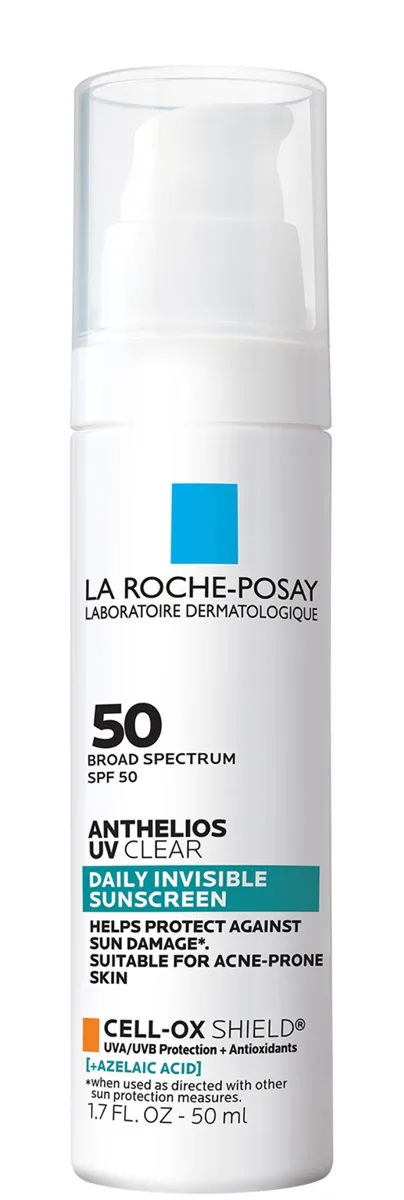 Derm Office Staple
 Anthelios UV Clear Sunscreen SPF 50
One of the only US chemical sunscreens that genuinely earns its 'for sensitive and breakout-prone skin' positioning. A photostable Anthelios filter system paired with a legitimate azelaic acid dose in a lightweight serum-fluid that disappears on every skin tone. Excellent for rosacea, acne, and post-inflammatory hyperpigmentation — and probably the single best daily sunscreen in the La Roche-Posay US lineup for those conditions.
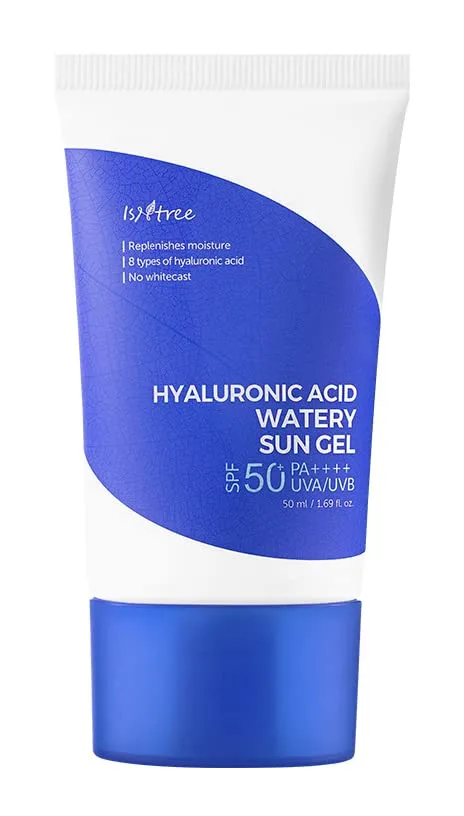 K-Beauty Daily SPF Standout
 Hyaluronic Acid Watery Sun Gel SPF 50+
One of the strongest everyday K-beauty sunscreens in the international market — modern European filters, no white cast, fragrance-free, niacinamide-boosted, and built around the brand's signature six-weight HA complex. At twenty-two dollars for 50ml, it's a case study in how much better a daily sunscreen can be when the formulator cares about both protection and wearability.
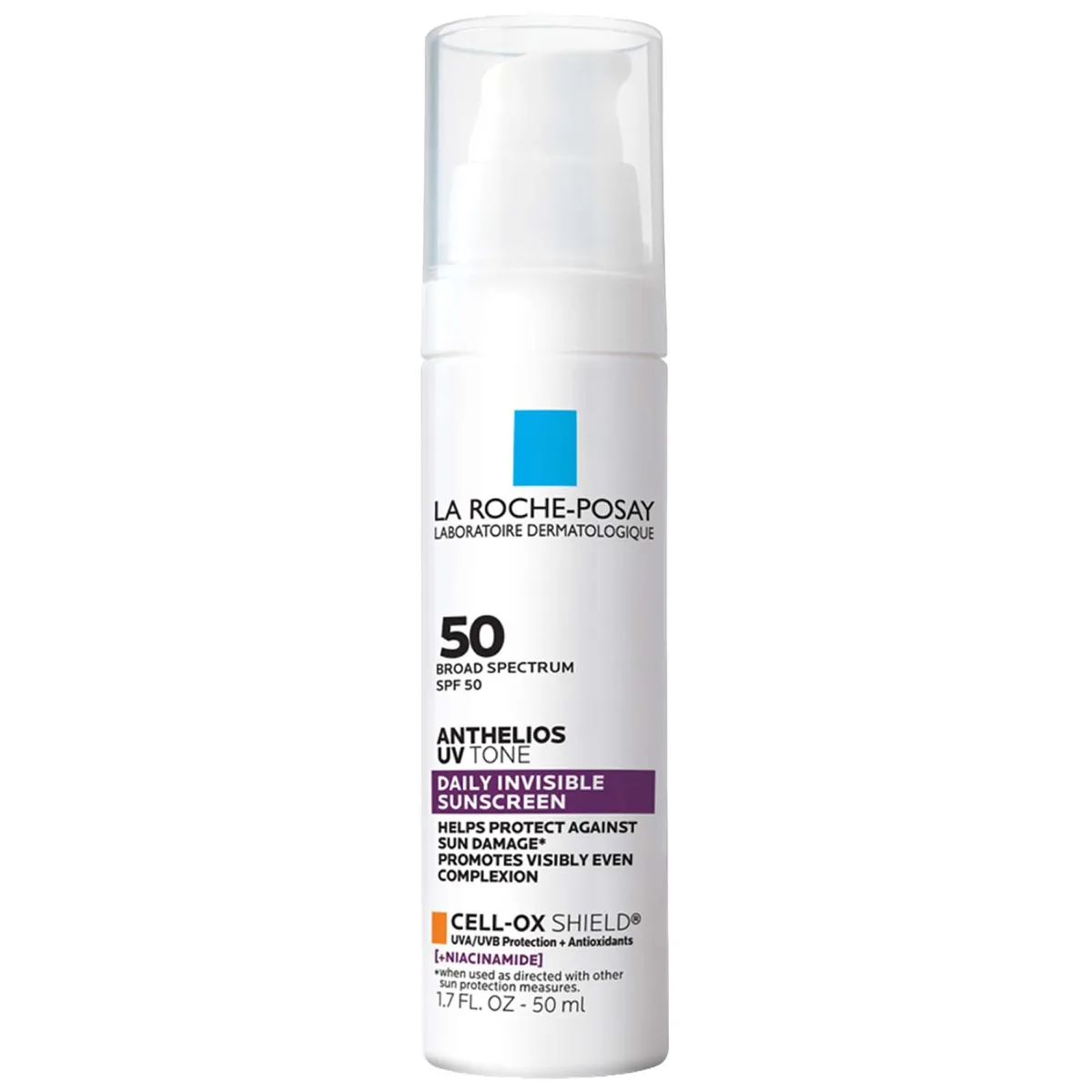 Derm Office Staple
 Anthelios UV Tone Daily Invisible Sunscreen SPF 50
La Roche-Posay's most thoughtful answer yet for hyperpigmentation-prone skin that needs daily SPF. A photostable avobenzone system reinforced with Oxynex ST, paired with a meaningful dose of niacinamide, in a serum-fluid base that goes on invisible on every skin tone. Expensive for 1.7 oz but legitimately well-built — and a rare chemical sunscreen that earns its 'for dark spots' marketing.
 Melasma-Grade Mineral Sunscreen
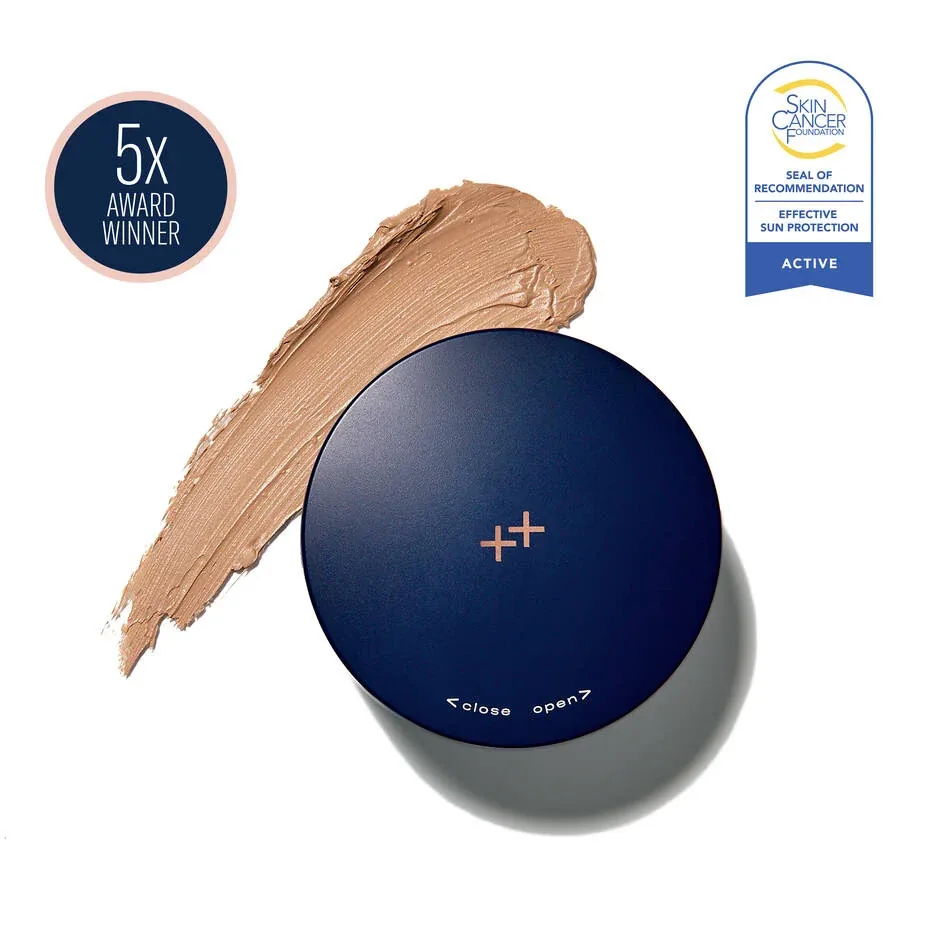
 sunbetter TONE SMART SPF 68
One of the most clinically useful tinted mineral sunscreens in the professional category. SPF 68 from a 100% mineral formula, iron oxide tint that blocks visible light for melasma protection, and an unusually lightweight texture that doesn't feel like you're wearing high-concentration zinc. For patients with melasma or post-inflammatory hyperpigmentation, this is the category benchmark — and it's earned its Allure Best of Beauty wins.
 K-Beauty Cult Favorite
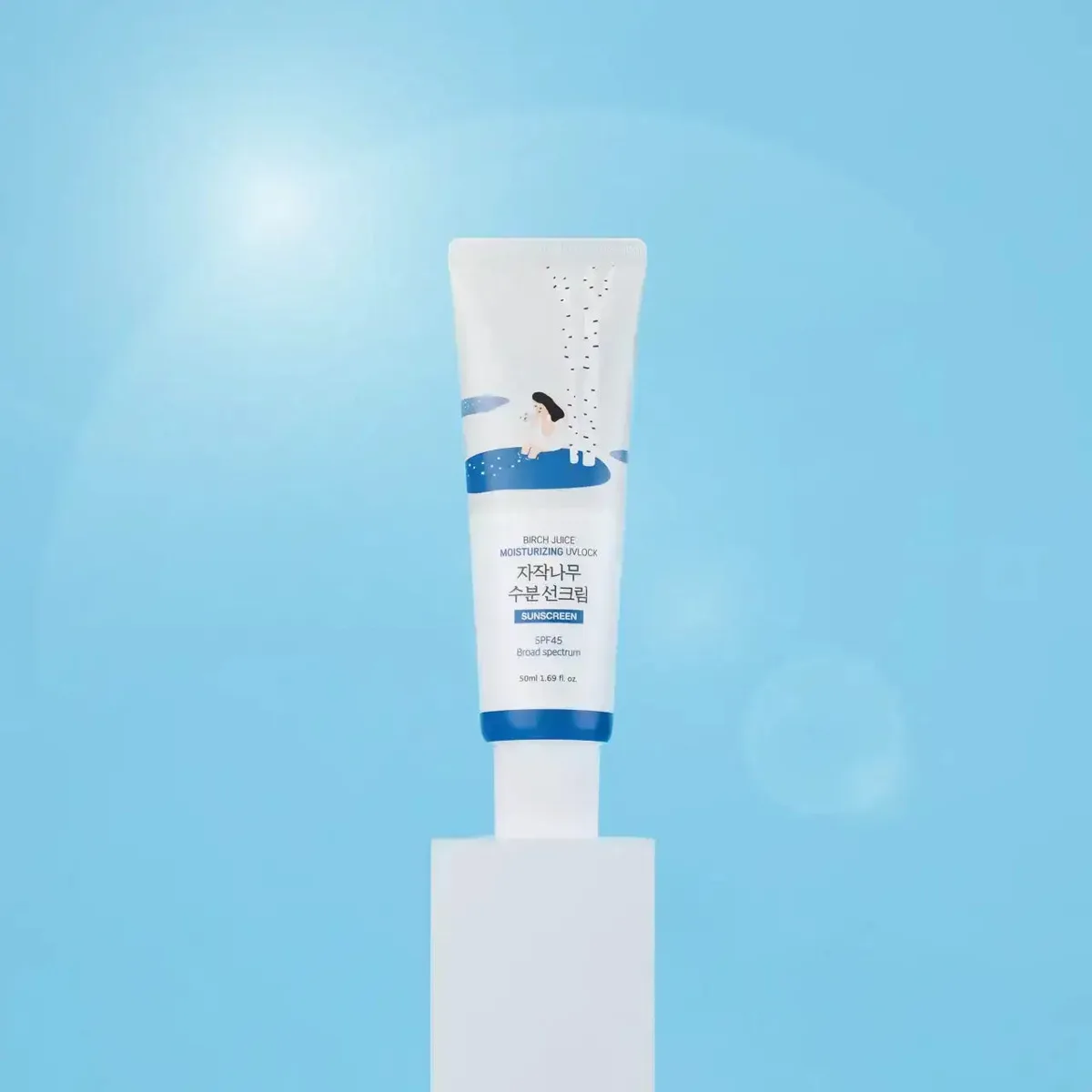
 Birch Juice Moisturizing Sun Cream SPF 50+
One of the best hybrid sunscreens in K-beauty right now — a 70% birch sap base, modern UVA filters you can't get in the US, and a finish that wears like a lightweight moisturizer. Broadly compatible, well-priced, and genuinely pleasant to apply, with minor tradeoffs for oily and fungal-acne-prone users.
 The K-Beauty Sunscreen That Changed Everything
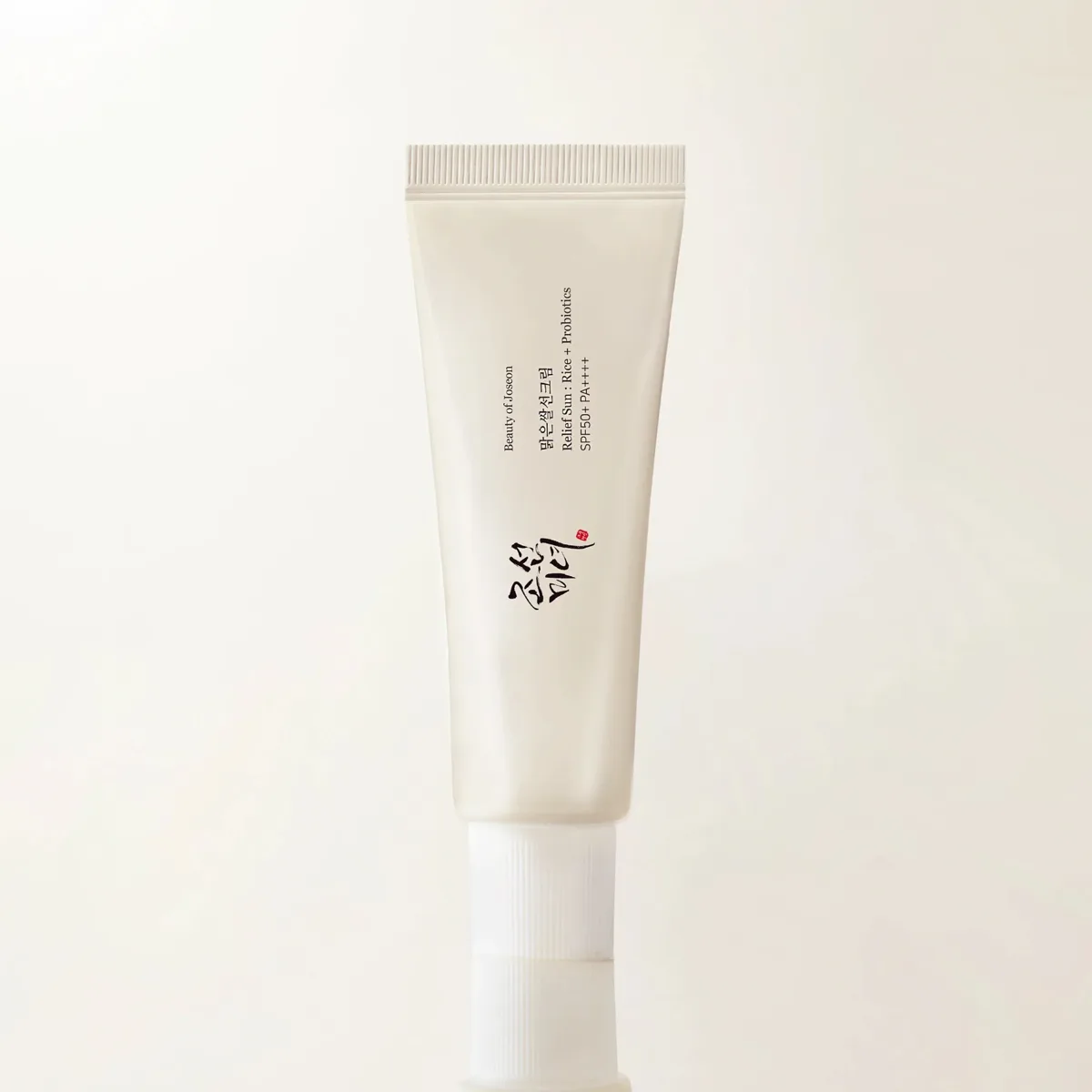
 Relief Sun: Rice + Probiotics SPF 50+
The sunscreen that rewrote the rules for what a $14 product could deliver. With independently verified SPF 50+, 30% rice extract, niacinamide, and a probiotic ferment complex, it offers protection and skincare benefits that rival products three times its price. The texture that feels like wearing nothing on your face is the reason it went viral — and stayed there.
This review reflects our independent analysis of publicly available ingredient data, manufacturer claims, and verified user reviews. We are reader-supported — Amazon links may earn us a commission at no cost to you. We do not accept paid placements; rankings are based solely on the evidence.