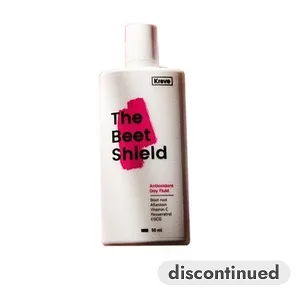
The product that made American skincare enthusiasts jealous of Korean and European sunscreen technology — a regulatory grey area turned cult favorite that was discontinued before its time, but left a lasting mark on how we think about SPF.
The Beet Shield
The product that made American skincare enthusiasts jealous of Korean and European sunscreen technology — a regulatory grey area turned cult favorite that was discontinued before its time, but left a lasting mark on how we think about SPF.
Score Breakdown
Where this product gains points and where it loses them — broken down across the four scoring pillars.
Identical formula to the Beet Shield SPF 50+ marketed under a different name in the US. Excellent UV filters and antioxidant system, but alcohol content and non-FDA-approved status limited its practical value for US consumers.
Pros & Cons
- ✓Next-generation UV filters (Tinosorb S, Uvinul A Plus) that were otherwise inaccessible in the US
- ✓Four-component antioxidant system with beet extract, EGCG, resveratrol, and vitamin C
- ✓Elegant, dewy finish with zero white cast that felt revolutionary for US consumers
- ✓Fragrance-free formula with a lightweight, fast-absorbing texture
- ✓Helped drive the broader conversation about FDA sunscreen filter reform
- ✓Accessible $20 price point for premium UV filter technology
- ✗Discontinued — no longer available for purchase
- ✗Could not legally claim SPF protection in the US market
- ✗Independent testing questioned actual protection level in 2021
- ✗Alcohol high on ingredient list posed irritation risk for sensitive skin
- ✗Regulatory ambiguity created genuine consumer safety concerns
Full Review
Imagine you are an American skincare enthusiast circa 2018. You have read the studies about how European sunscreens use superior, more photostable UV filters. You have watched Liah Yoo's YouTube videos explaining why Tinosorb S makes older FDA-approved filters look like antiques. And then, on the website of the very brand Liah Yoo founded, you see a product that contains those exact filters — available for shipping to your US address. The catch? It cannot call itself a sunscreen.
The Beet Shield existed in a regulatory twilight zone. Its UV filters — Bis-Ethylhexyloxyphenol Methoxyphenyl Triazine (Tinosorb S) at 3%, Diethylamino Hydroxybenzoyl Hexyl Benzoate (Uvinul A Plus) at 3.5%, and Ethylhexyl Triazone at 2% — are approved sunscreen actives in Europe, Korea, and most of the world. They are not, however, on the FDA's list of approved sunscreen actives for the US market. This meant KraveBeauty could not label the product as a sunscreen, could not claim an SPF rating, and could not market it for sun protection. Instead, it was sold as an antioxidant day fluid — a cosmetic product that happened to contain ingredients with UV-filtering properties.
For the skincare community, this was an open secret. Everyone knew what the product was. Everyone knew the UV filters worked. The Korean SPF testing rated it at SPF 50+ PA++++. Dermatologists and cosmetic chemists vouched for the filter system's quality. And for a couple of years, The Beet Shield became a cult favorite among ingredient-savvy consumers who wanted access to the UV protection technology that most of the world already had.
The formula itself was genuinely excellent for its time. Beyond the UV filter system, KraveBeauty built a multi-layered antioxidant complex: Beta Vulgaris beetroot extract (betalain antioxidants), EGCG (green tea catechin), resveratrol (sirtuin activator), and sodium ascorbyl phosphate (stable vitamin C). Four antioxidant pathways addressing different aspects of UV-induced damage, layered behind three photostable UV filters. The texture was elegant — a lightweight fluid with a warm, barely-there tint from the beetroot that absorbed instantly and left a dewy, primer-like finish.
The alcohol content was the trade-off for that elegance. Denatured alcohol high on the ingredient list enabled the quick-drying, weightless feel but posed a genuine concern for sensitive and dry skin types. It is a common formulation choice in Asian and European sunscreens — the alcohol evaporates, leaving a thin, even film of UV filters — but it can compromise the skin barrier with repeated daily use, particularly for those with compromised or reactive skin.
Then came 2021 and the independent SPF testing controversy. A third-party laboratory published results suggesting that several popular sunscreens — including The Beet Shield — did not meet their stated protection levels. The skincare community erupted. KraveBeauty responded with transparency: Yoo published a detailed statement, acknowledged the findings, voluntarily pulled the product, and committed to reformulating. It was, by most accounts, an exemplary response from a brand in crisis.
The regulatory irony was not lost on anyone. Here was a product that could not legally claim SPF protection in the US — and the controversy arose precisely because it might not have provided the SPF protection that it could not legally claim. The entire episode underscored the argument that the FDA's failure to approve modern UV filters was not just about access to better products but about consumer safety: without FDA-regulated testing of these filters in their specific formulations, there was no standardized way to verify protection levels.
The Beet Shield was not perfect. The alcohol was a real drawback. The regulatory ambiguity was a real risk. And the SPF testing controversy revealed that even well-intentioned formulations can fall short of expectations. But it was important. It introduced a generation of American skincare consumers to Tinosorb S and Uvinul A Plus, it demonstrated that sunscreen could feel elegant, and it started conversations about filter reform that continue today.
As a product to purchase, it no longer exists. As a chapter in skincare history, it mattered.
Formula
Key Ingredients
The hero actives that drive this product's performance.
| Ingredient | Function | Evidence |
|---|---|---|
| Bis-Ethylhexyloxyphenol Methoxyphenyl Triazine (Tinosorb S) (3%) | A next-generation broad-spectrum UV filter covering 280-400nm that anchors this formula's protection system. Its photostability means it protects consistently throughout wear, and it stabilizes the other, potentially less stable filters in the formula. | well-established |
| Diethylamino Hydroxybenzoyl Hexyl Benzoate (Uvinul A Plus) (3.5%) | The strongest UVA absorber in this formula, targeting the 320-400nm range responsible for photoaging. Paired with Tinosorb S to create overlapping UVA coverage through different absorption mechanisms. | well-established |
| Beta Vulgaris (Beet) Root Extract | The namesake ingredient providing betalain antioxidants that scavenge UV-generated free radicals — the antioxidant layer behind the UV filter shield that gives this product its name and identity. | promising |
| Epigallocatechin Gallate (EGCG) | Green tea's most potent catechin, targeting UV-induced MMP activation and collagen breakdown through a different antioxidant pathway than the beet extract, creating complementary rather than redundant protection. | well-established |
| Sodium Ascorbyl Phosphate | A stable vitamin C derivative that provides additional antioxidant support while boosting collagen synthesis — its stability in this formula means it survives daily UV exposure without degrading, unlike pure L-ascorbic acid. | well-established |
| Resveratrol | Activates the sirtuin pathway to support cellular repair following UV exposure, rounding out a four-component antioxidant system where each ingredient targets a different aspect of photoprotection. | promising |
Full INCI List
Water, Butyloctyl Salicylate, Dibutyl Adipate, Beta Vulgaris (Beet) Root Extract, Alcohol, Diethylamino Hydroxybenzoyl Hexyl Benzoate, Bis-Ethylhexyloxyphenol Methoxyphenyl Triazine, Ethylhexyl Triazone, Glycerin, Pentylene Glycol, Isoamyl p-Methoxycinnamate, Polysilicone-15, Inulin Lauryl Carbamate, Methyl Methacrylate Crosspolymer, Sodium Acrylate/Sodium Acryloyldimethyl Taurate Copolymer, Acrylates/C10-30 Alkyl Acrylate Crosspolymer, Tromethamine, Methylpropanediol, Isohexadecane, Caprylyl Glycol, Glyceryl Caprylate, Polymethylsilsesquioxane, 1,2-Hexanediol, Polysorbate 80, Lithospermum Erythrorhizon Root Extract, Macadamia Ternifolia Seed Oil, Sorbitan Oleate, Ethylhexylglycerin, Allantoin, Epigallocatechin Gallate, Sodium Ascorbyl Phosphate, Butylene Glycol, Resveratrol
Product Flags
✓ Fragrance Free✗ Alcohol Free✗ Oil Free✗ Silicone Free✓ Paraben Free✓ Sulfate Free✓ Cruelty Free✓ Vegan✗ Fungal Acne Safe
Potential Irritants
AlcoholIsoamyl p-Methoxycinnamate
Compatibility
Skin Match
Best For
Works For
Not Ideal For
Addresses These Conditions
sun damage aging hyperpigmentation dullness
Use With Caution
sensitivity compromised skin barrier rosacea
Avoid With
Routine Step
sunscreen
Time of Day
AM
Pregnancy Safe
Yes ✓
Layering Tips
Applied as the final skincare step before makeup. The dewy finish doubled as a primer for many users. Generous application was essential — at least a nickel-sized amount for the face.
Results Timeline
Immediate antioxidant and UV protection upon application. Cumulative skin benefits from the antioxidant complex over 4-8 weeks of consistent daily use.
Pairs Well With
Vitamin C serumsHydrating tonersLightweight moisturizers
Sample AM Routine
- Gentle cleanser
- Toner
- Serum
- Moisturizer
- Krave Beauty The Beet Shield
Sample PM Routine
- Oil cleanser
- Gentle cleanser
- Exfoliant (2-3x/week)
- Serum
- Moisturizer
Evidence
Science & Expert Perspective
The Science
The UV filter system in The Beet Shield was identical to the Korean Beet The Sun SPF 50+ PA++++, featuring three next-generation organic filters. Tinosorb S (Bis-Ethylhexyloxyphenol Methoxyphenyl Triazine) at 3% provides broad-spectrum absorption across 280-400nm with exceptional photostability — BASF data shows it retains 98.4% of its capacity after 50 minimal erythemal doses. Uvinul A Plus (Diethylamino Hydroxybenzoyl Hexyl Benzoate) at 3.5% delivers strong UVA protection, while Ethylhexyl Triazone at 2% handles UVB absorption.
The antioxidant complex paired four ingredients targeting different oxidative pathways. EGCG inhibits UV-induced matrix metalloproteinase activation. Resveratrol activates the sirtuin pathway for cellular repair. Sodium ascorbyl phosphate provides stable ascorbic acid activity. Beta Vulgaris extract delivers betalain-based radical scavenging. This multi-pathway approach reflects the understanding that UV damage occurs through multiple mechanisms simultaneously, and single-antioxidant approaches address only part of the problem.
The 2021 SPF testing controversy highlighted an important nuance in sunscreen formulation: the presence of effective UV filters does not automatically guarantee a specific SPF value. Film uniformity, filter distribution, emulsion stability, and interaction effects between filters all affect real-world protection. This is precisely why regulatory bodies require finished-product SPF testing rather than relying on filter selection alone.
Dermatologist Perspective
Board-certified dermatologists were divided on The Beet Shield. Many who advocated for broader UV filter access recommended it as a way for US consumers to access superior protection technology. Others expressed concern about recommending a product that had not undergone FDA-regulated SPF testing, noting that the absence of standardized verification created an accountability gap. The 2021 controversy validated both perspectives: the filters were excellent, but the finished product's protection level was uncertain. Dermatologists now broadly recommend FDA-regulated sunscreens for US patients while continuing to advocate for the approval of modern UV filters like Tinosorb S and Uvinul A Plus.
Guidance
Usage Guide
How to Use
Applied generously as the last skincare step before makeup. At least a nickel-sized amount for the face, with reapplication every two hours during sun exposure. The dewy finish served as a natural primer for many users.
Value Assessment
At $20 for 50 mL, The Beet Shield offered outstanding value for consumers who trusted the Korean SPF rating — next-generation UV filters and a four-antioxidant complex at a price point that undercut European pharmacy sunscreens. However, the lack of FDA-regulated SPF validation meant consumers were taking a trust-based risk with their UV protection, which complicates the value assessment regardless of price.
Who Should Buy
This product is discontinued and no longer available. It remains relevant as a reference point for understanding KraveBeauty's sunscreen history and the broader conversation about UV filter regulation in the US.
Who Should Skip
Everyone — this product is discontinued. Those who want access to next-gen UV filters should explore the international Beet The Sun SPF 50 or European pharmacy sunscreens.
Ready to try Krave Beauty The Beet Shield?
Details
Details
Texture
Lightweight fluid with a slight warm tint from beetroot extract. Quick-drying thanks to the alcohol base, with a dewy, almost primer-like finish.
Scent
Mild alcohol scent on initial application that dissipates within 30 seconds. No added fragrance.
Packaging
50 mL squeeze bottle with flip cap. Compact and travel-friendly.
Finish
dewylightweightfast-absorbing
What to Expect on First Use
Brief cooling sensation from the alcohol that evaporates almost immediately. The formula spreads thinly and sets into a luminous, dewy finish within seconds. For many US users, this was their first experience with a sunscreen that actually felt pleasant to wear — a revelation compared to the thick, white, chalky options that dominated the American market.
How Long It Lasts
2-3 months with daily face application
Period After Opening
12 months
Best Season
All Year
Certifications
Leaping Bunny Certified
Background
The Why
Marketed in the US as an 'antioxidant day fluid' rather than a sunscreen because its UV filters — Tinosorb S, Uvinul A Plus, and Ethylhexyl Triazone — are not approved by the FDA. This regulatory workaround allowed US consumers to access next-generation UV filters, but the lack of formal SPF labeling meant consumers had to trust the brand's Korean SPF testing rather than FDA-validated claims. It was discontinued in 2021 when independent testing questioned whether the formula met its protection claims.
About Krave Beauty Emerging Brand (2–5 years)
KraveBeauty was founded in 2017 by Liah Yoo, a former AmorePacific strategist and YouTuber with 1.2 million subscribers. The Beet Shield was the US-marketed version of the brand's Korean sunscreen, sold as an antioxidant day fluid due to non-FDA-approved UV filters.
Brand founded: 2017 · Product launched: 2018
Myth vs. Reality
Myths & Misconceptions
Myth
The Beet Shield was an illegal product sold fraudulently in the US.
Reality
It was legally sold as a cosmetic 'day fluid' rather than an OTC drug (sunscreen). While the UV filters provided real protection, the product could not legally claim SPF protection in the US. This was a grey area that many imported sunscreens occupied, not a fraud.
Myth
Antioxidant day fluids provide the same protection as regulated sunscreens.
Reality
While the UV filters in The Beet Shield were real and functional, selling a product without FDA-regulated SPF testing means there is no standardized guarantee of protection level. The 2021 independent testing controversy highlighted exactly this risk.
FAQ
Frequently Asked Questions
Is The Beet Shield the same product as Beet The Sun SPF 50+?
Yes — identical formula. The Beet Shield was the US-market name because the product could not be sold as a sunscreen in the US (the UV filters are not FDA-approved). The Korean/international version was sold as Beet The Sun SPF 50+ PA++++.
Can I still buy Krave Beauty The Beet Shield?
No. The product was discontinued in 2021 after independent SPF testing raised concerns. KraveBeauty replaced it with the Beet The Sun SPF 40 (US, FDA-compliant) and a reformulated Beet The Sun SPF 50 (international markets).
Was The Beet Shield safe to use as a sunscreen?
The UV filters in the formula (Tinosorb S, Uvinul A Plus, Ethylhexyl Triazone) are approved sunscreen ingredients in Europe and Korea. However, without FDA SPF testing validation, the exact protection level in this specific formulation could not be guaranteed — which is what the 2021 controversy highlighted.
Why was The Beet Shield marketed as a day fluid instead of a sunscreen?
In the US, sunscreens are regulated as over-the-counter drugs by the FDA, which maintains a specific list of approved UV filter ingredients. The Beet Shield's filters (Tinosorb S, Uvinul A Plus) are not on this list, so the product could not legally claim SPF protection and was instead marketed as a cosmetic antioxidant day fluid.
What replaced The Beet Shield?
For US consumers, KraveBeauty launched the Beet The Sun SPF 40 PA+++ in 2023 using FDA-approved UV filters. For international markets, a reformulated Beet The Sun SPF 50 PA++++ with five next-gen filters launched in 2024.
Community
Community Voices
Common Praise
"Invisible, dewy finish with zero white cast"
"Felt revolutionary compared to typical US sunscreens"
"Lightweight enough to forget you are wearing sunscreen"
"Made the case for next-gen UV filter technology"
Common Complaints
"Not legally a sunscreen in the US — marketed as a day fluid"
"Alcohol high in the ingredient list caused drying for some users"
"Discontinued after SPF testing concerns in 2021"
"Unclear regulatory protection status created consumer confusion"
Notable Endorsements
Lab Muffin Beauty ScienceMultiple K-beauty review platforms
Appears In
best korean sunscreen best lightweight sunscreen best sunscreen for no white cast best antioxidant sunscreen
Related Conditions
sun damage aging hyperpigmentation
Related Ingredients
You Might Also Like
 Derm Office Staple
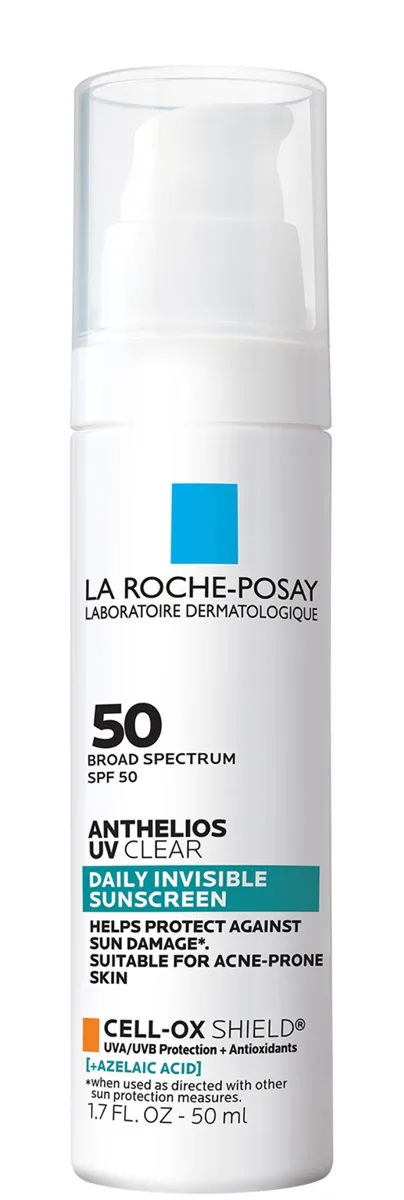
 Anthelios UV Clear Sunscreen SPF 50
One of the only US chemical sunscreens that genuinely earns its 'for sensitive and breakout-prone skin' positioning. A photostable Anthelios filter system paired with a legitimate azelaic acid dose in a lightweight serum-fluid that disappears on every skin tone. Excellent for rosacea, acne, and post-inflammatory hyperpigmentation — and probably the single best daily sunscreen in the La Roche-Posay US lineup for those conditions.
 K-Beauty Daily SPF Standout
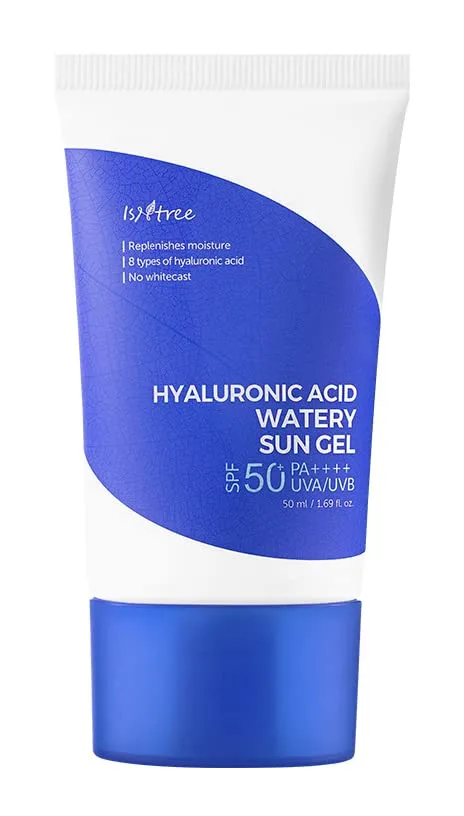
 Hyaluronic Acid Watery Sun Gel SPF 50+
One of the strongest everyday K-beauty sunscreens in the international market — modern European filters, no white cast, fragrance-free, niacinamide-boosted, and built around the brand's signature six-weight HA complex. At twenty-two dollars for 50ml, it's a case study in how much better a daily sunscreen can be when the formulator cares about both protection and wearability.
 Derm Office Staple
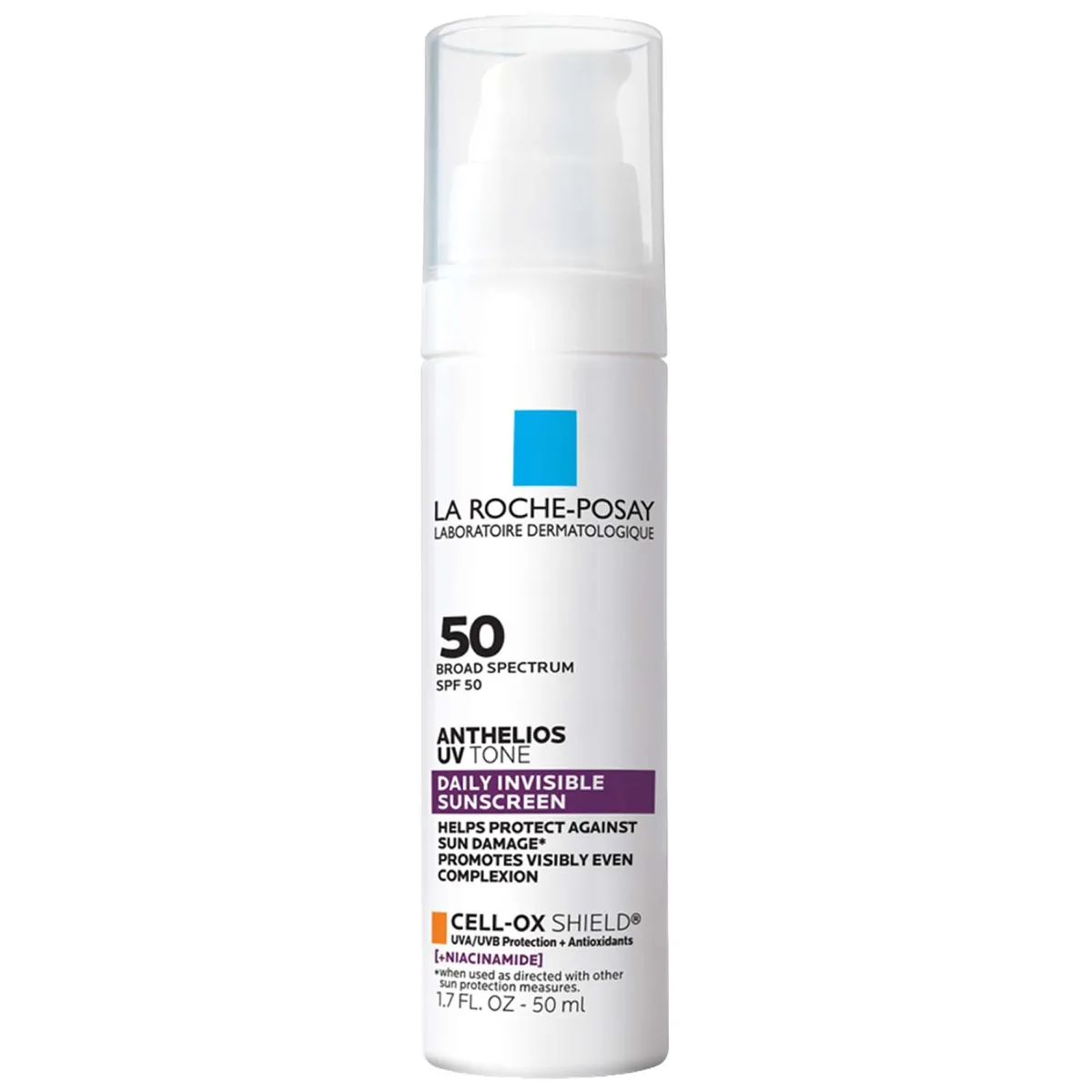
 Anthelios UV Tone Daily Invisible Sunscreen SPF 50
La Roche-Posay's most thoughtful answer yet for hyperpigmentation-prone skin that needs daily SPF. A photostable avobenzone system reinforced with Oxynex ST, paired with a meaningful dose of niacinamide, in a serum-fluid base that goes on invisible on every skin tone. Expensive for 1.7 oz but legitimately well-built — and a rare chemical sunscreen that earns its 'for dark spots' marketing.
 Melasma-Grade Mineral Sunscreen
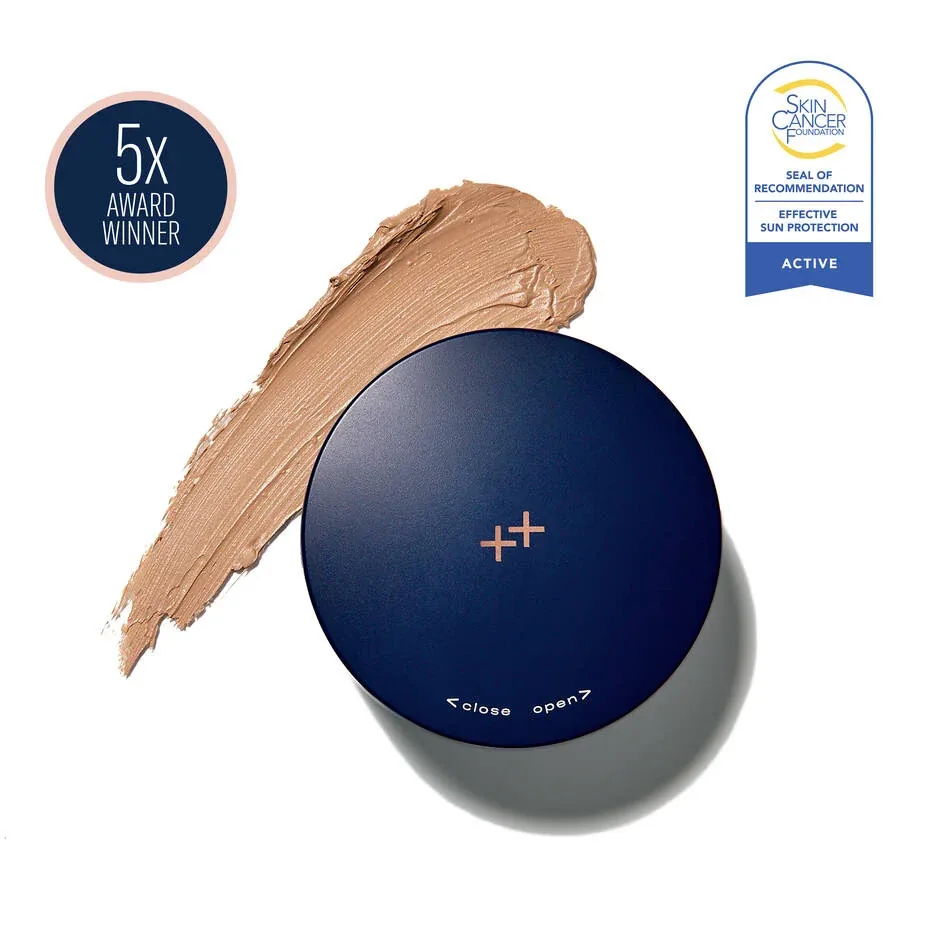
 sunbetter TONE SMART SPF 68
One of the most clinically useful tinted mineral sunscreens in the professional category. SPF 68 from a 100% mineral formula, iron oxide tint that blocks visible light for melasma protection, and an unusually lightweight texture that doesn't feel like you're wearing high-concentration zinc. For patients with melasma or post-inflammatory hyperpigmentation, this is the category benchmark — and it's earned its Allure Best of Beauty wins.
 K-Beauty Cult Favorite
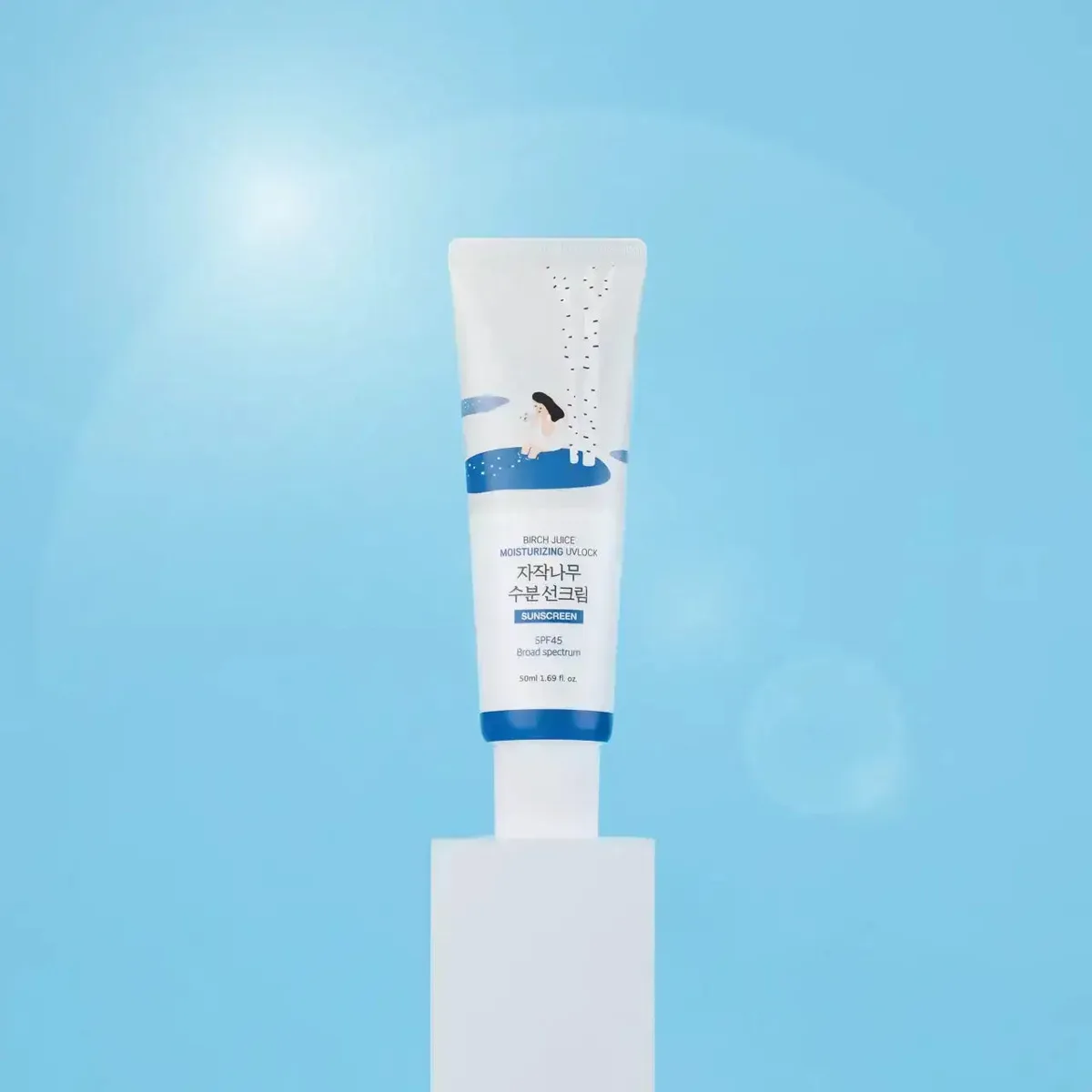
 Birch Juice Moisturizing Sun Cream SPF 50+
One of the best hybrid sunscreens in K-beauty right now — a 70% birch sap base, modern UVA filters you can't get in the US, and a finish that wears like a lightweight moisturizer. Broadly compatible, well-priced, and genuinely pleasant to apply, with minor tradeoffs for oily and fungal-acne-prone users.
 The K-Beauty Sunscreen That Changed Everything
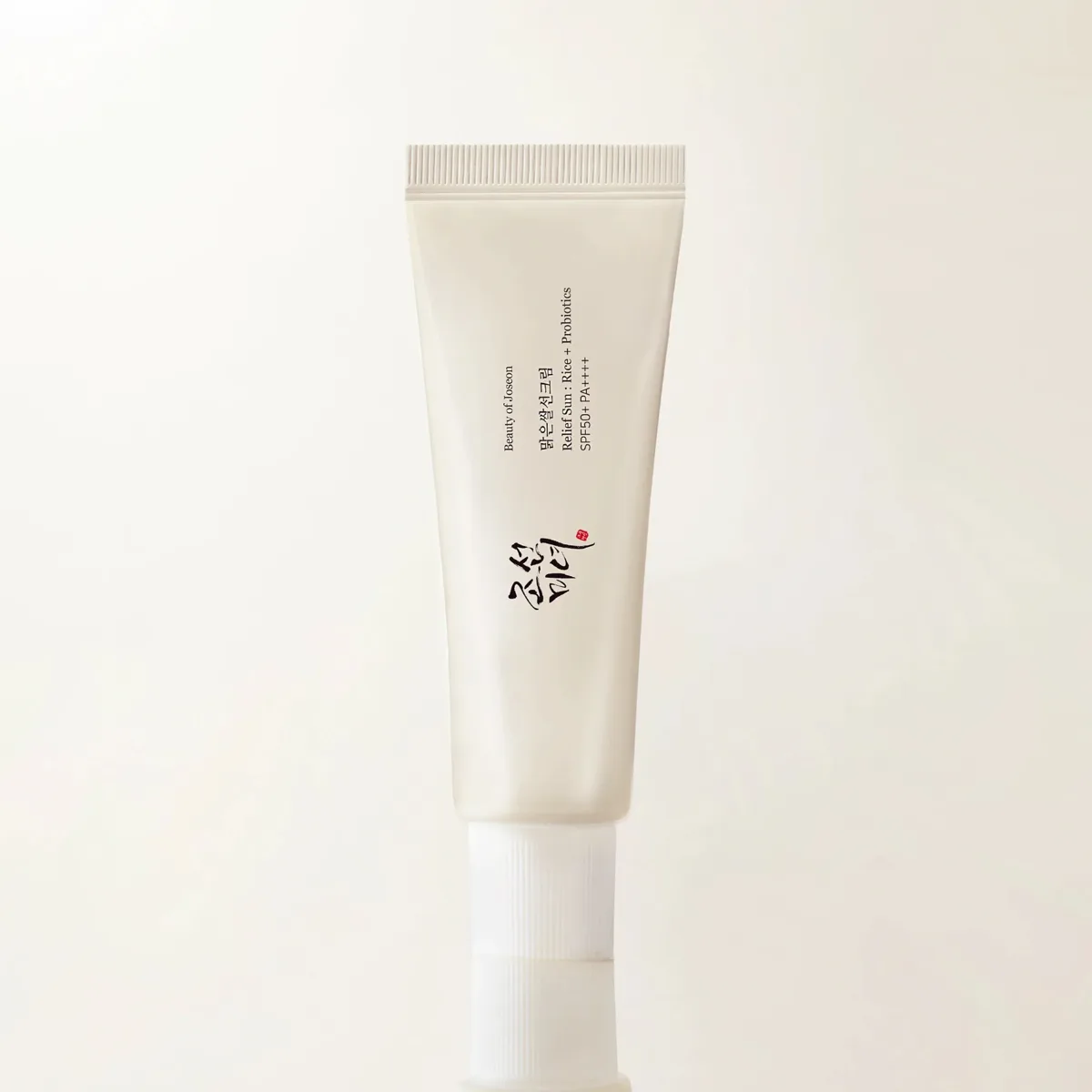
 Relief Sun: Rice + Probiotics SPF 50+
The sunscreen that rewrote the rules for what a $14 product could deliver. With independently verified SPF 50+, 30% rice extract, niacinamide, and a probiotic ferment complex, it offers protection and skincare benefits that rival products three times its price. The texture that feels like wearing nothing on your face is the reason it went viral — and stayed there.